The short answer: A friendship budget is money you plan ahead for time with friends: dinners, coffee, birthdays, trips, group gifts and weddings. Start by tracking three months of what you actually spend on friends, then set a monthly amount for everyday plans and a separate sinking fund for big events. Many people start around 3 to 5 percent of take-home pay and adjust from there.
Our picks for friendship budget
Spreadsheets
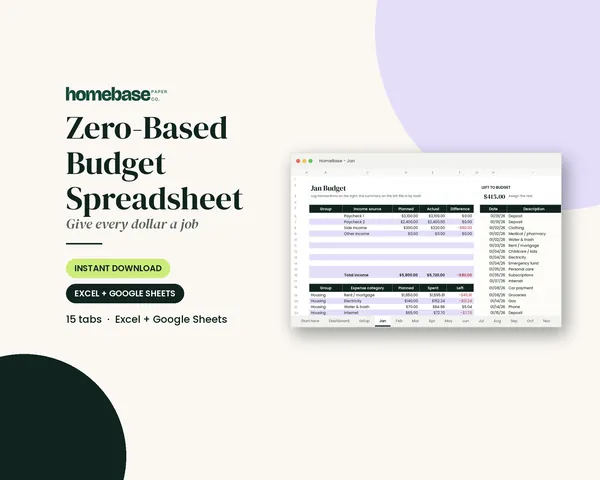
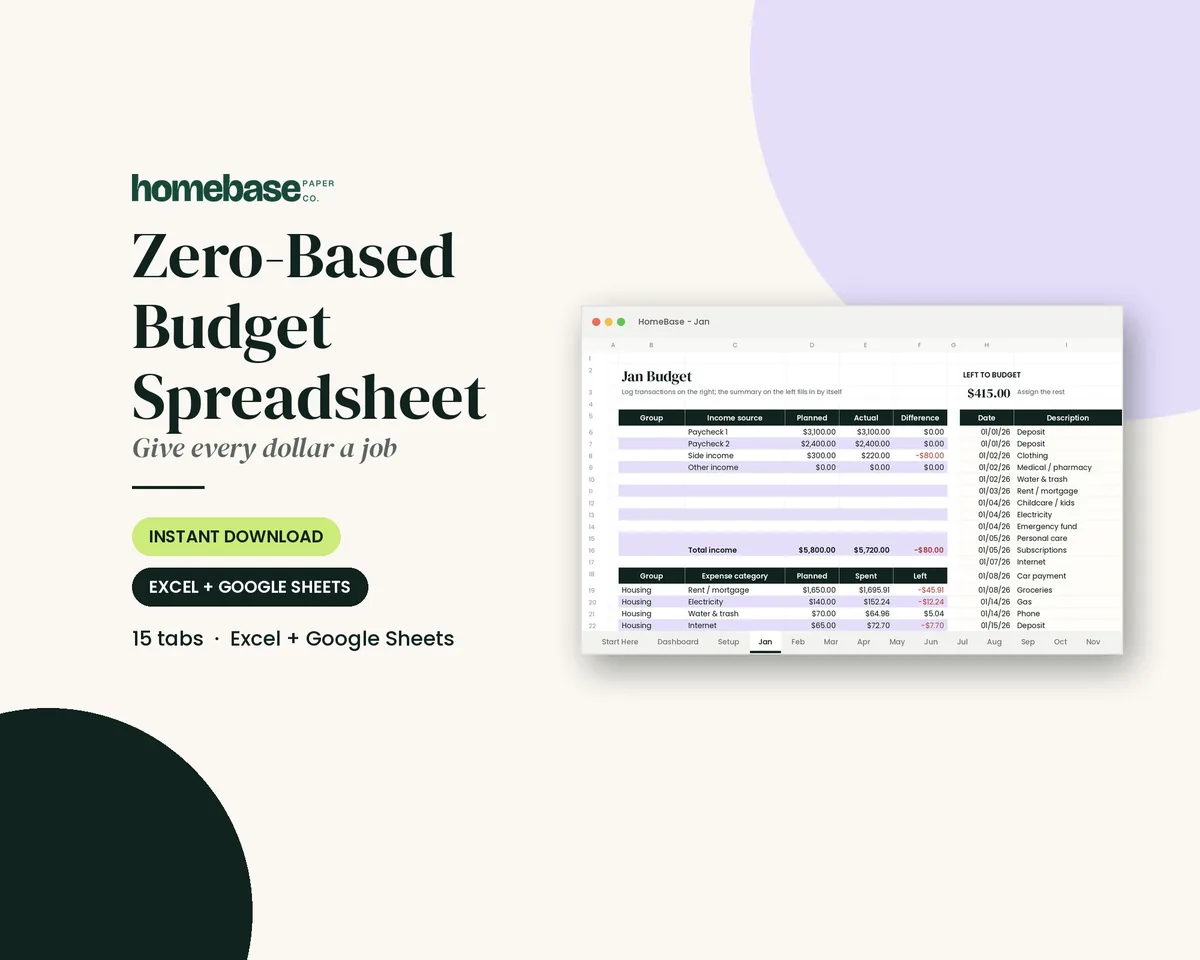
Zero-Based Budget Spreadsheet
The 'Left to budget' counter turns green when every dollar has a job.
Spreadsheets
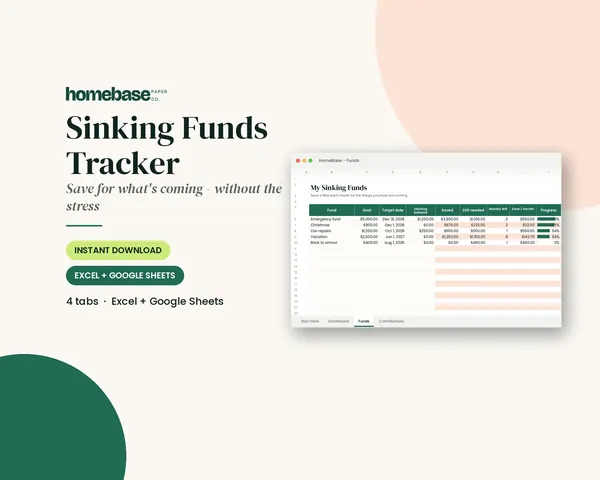
Sinking Funds Tracker
It does the math: how much to set aside each month to hit every goal on time.

Printables
Budget Planner Printable
Twelve undated pages you can print every month: budget, bills, spending, savings and debt.
 Save 57%
Bundles
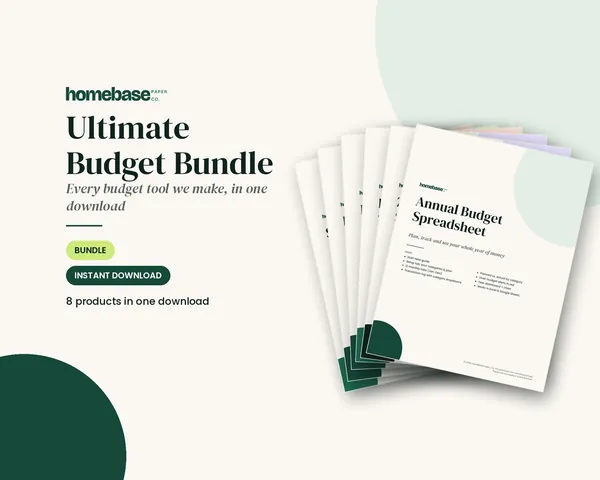
Ultimate Budget Bundle
All 6 spreadsheets + both printable planners - for less than half the price of buying them separately.
I love giving and receiving cards, and some of my best memories are small, cheap nights with people I love. A friendship budget is how you keep saying yes to the plans that matter without feeling a knot in your stomach every time the group chat lights up.
When a friend's birthday is approaching, these personal birthday messages for friends help make the greeting thoughtful without adding another purchase.
Why a friendship budget helps
Social spending is easy to lose track of because it comes in small, unplanned bits. According to the Bureau of Labor Statistics Consumer Expenditures report for 2024, the average household spent $3,945 on food away from home and $3,609 on entertainment, out of $78,535 in total spending. A friendship budget pulls the friend part of that out into the open.
There's also a reason to protect this spending instead of cutting it to zero. The U.S. Surgeon General's advisory on social connection describes loneliness and isolation as a public health concern. The goal is to spend on purpose, not to stop seeing people.
How to set up a friendship budget in 6 steps
- Look back. Add up three months of dinners, drinks, coffee, gifts, concert tickets and rides with friends.
- Look ahead. List the big events on the calendar this year: weddings, showers, trips, milestone birthdays.
- Set a monthly amount. Pick a number for everyday plans that fits after bills, savings and debt payments.
- Open a sinking fund. Add up the big events, divide by the months until each one and save that every month.
- Pick your free favorites. Choose three low-cost ways to see friends you can suggest instead.
- Check in monthly. Compare what you spent with the plan and adjust next month's amount.
Need plans that fit the budget? Our list of things to do with friends includes free and under-$15 ideas, plus how to split costs fairly.
Sample friendship budget
| Category | Monthly | Yearly | Notes |
|---|---|---|---|
| Dinners and drinks out | $60 | $720 | About two meals a month |
| Coffee and casual plans | $20 | $240 | Or swap for walks |
| Birthday and group gifts | $25 | $300 | Cards plus small gifts |
| Events and tickets | $15 | $180 | Concerts, games, classes |
| Big-event sinking fund | $50 | $600 | Weddings, trips, showers |
| Total | $170 | $2,040 | Example only; use your own numbers |
This is a sample for illustration. Start with your own three-month average and lower it if money is tight.
Three example plans: tight, middle and roomy
The same categories, scaled for different budgets. These are examples, not recommendations:
| Category | Tight ($80/mo) | Middle ($170/mo) | Roomy ($300/mo) |
|---|---|---|---|
| Dinners and drinks out | $30 | $60 | $100 |
| Coffee and casual plans | $10 | $20 | $40 |
| Birthday and group gifts | $15 | $25 | $40 |
| Events and tickets | $5 | $15 | $30 |
| Big-event sinking fund | $20 | $50 | $90 |
| Total | $80 | $170 | $300 |
On the tight plan, shift more of the time to free plans like walks, game nights and potlucks, and keep the sinking fund so a wedding or trip does not land on a credit card.
Big events: weddings, trips and bachelorette parties
| Event | Costs to plan for | Ways to save |
|---|---|---|
| Being a bridesmaid or groomsman | Attire, shower, party, gift, travel | Ask costs early, skip one extra event |
| Destination bachelorette | Flights, lodging, activities | Book early, share rooms, go for part of it |
| Group trip | Lodging, food, gas | Rent a house and cook, drive together |
| Milestone birthday | Dinner, gift, travel | Group gift, host at home |
If you've been asked to be in a wedding, our wedding budget guide shows how costs add up, and the sinking funds guide explains how to save for big costs in small monthly bites.
Cheap and free ways to see friends
- Potluck dinners where everyone brings one dish
- Game nights with cards and board games
- Walks, hikes or a park picnic
- Coffee at home instead of brunch out
- Movie nights with a seasonal movie
- Book, clothes or toy swaps
- Free library and city events
For gift exchanges with friends, our gift exchange ideas and Christmas gifts for friends pages keep things fun without overspending.
How to say no without losing friends
- "I'm on a budget this month. Could we do coffee instead?"
- "I can't make the whole trip, but I'd love to come for Saturday."
- "Can we split the check by what we ordered?"
- "I'll skip dinner but meet you after for dessert."
Tools to plan it
A friendship budget works best when it's one line in a full budget, not a separate worry. Put birthdays and holiday gifts in an annual gift budget so they have a place alongside everyday social spending.
- Zero-Based Budget Spreadsheet, $6.99. Give friends their own line so every dollar has a job.
- Sinking Funds Tracker Spreadsheet, $4.99. Save month by month for weddings, trips and big birthdays.
- Printable Budget Planner, $5.99. Prefer paper? Track it by hand each month.
- Ultimate Budget Bundle, $19.99 (was $46.42). Our budget spreadsheets and printables together.
More budgeting help
Make the monthly budget a 20-minute job
The 'Left to budget' counter turns green when every dollar has a job.
$6.99 · Instant download. Print at home or fill it in on screen. Or browse the full Budget & Money collection.
Frequently asked questions
What is a friendship budget? A friendship budget is money you set aside on purpose for time with friends: dinners out, coffee, birthdays, group gifts, trips, bachelorette weekends and weddings. Instead of feeling guilty or surprised every time plans come up, you decide ahead of time what you can spend and keep it in its own category.
How much should I spend on a friendship budget? There's no single right number. A common starting point is 3 to 5 percent of take-home pay, then adjust after tracking two or three months of real spending. If you have debt or no emergency savings yet, start lower and lean on free plans.
Why is it called a friendship budget? The phrase took off on social media as people talked about the rising cost of keeping up with friends, from expensive dinners to destination bachelorette parties. Naming the category makes it easier to protect friendships and your savings at the same time.
How do I make a friendship budget? Track three months of spending on friends, list the big events coming this year, set a monthly amount for everyday plans, and open a sinking fund for big events like weddings and trips. Then pick a few free or low-cost ways to see friends and say no kindly to the rest.
Should friend gifts be part of the friendship budget? Yes, unless you already have a separate gift budget. Birthday gifts, group gifts and holiday exchanges add up fast. Many people keep everyday social plans in one line and gifts and big events in a sinking fund so neither surprises them.
How do I budget for being in a wedding? Ask early what's expected, like attire, the bachelorette or bachelor party, the shower and travel. Add it up, divide by the number of months until the wedding and save that amount each month in a sinking fund. It's OK to say yes to the wedding and no to one of the extra events.
How do I say no to plans I can't afford? Be honest and offer an alternative. Try something like, I'm sticking to a budget this month, but I'd love to do a potluck or a walk instead. Most friends understand, and you might find someone else feels the same way.
What are cheap ways to see friends? Host a potluck or game night, take a walk or hike, meet for coffee instead of dinner, swap books or clothes, cook together, watch a movie at home or check your library and city for free events. Card games and a pot of chili cost far less than a night out.
Is it OK to suggest splitting the bill differently? Yes, it's OK to suggest splitting the bill differently. If you only ordered a salad and water, it's fair to ask to pay for what you had. Say it before the check comes, or suggest paying separately when you order, so it feels normal instead of awkward.
How does a friendship budget fit in zero-based budgeting? In a zero-based budget every dollar gets a job, so friends simply become one of the jobs. Give it a line, fund it each payday, and when it's gone for the month, switch to free plans until the next payday.
How much do Americans spend on entertainment and eating out? The BLS Consumer Expenditure Survey for 2024 shows the average household spent $3,945 on food away from home and $3,609 on entertainment, out of $78,535 in total annual spending. Your friendship budget can borrow from both lines.
Why is spending time with friends worth budgeting for? Friendships matter for health, not just fun. The U.S. Surgeon General's 2023 advisory on social connection calls loneliness and isolation a public health concern. Budgeting for friends means you keep showing up without wrecking your savings.
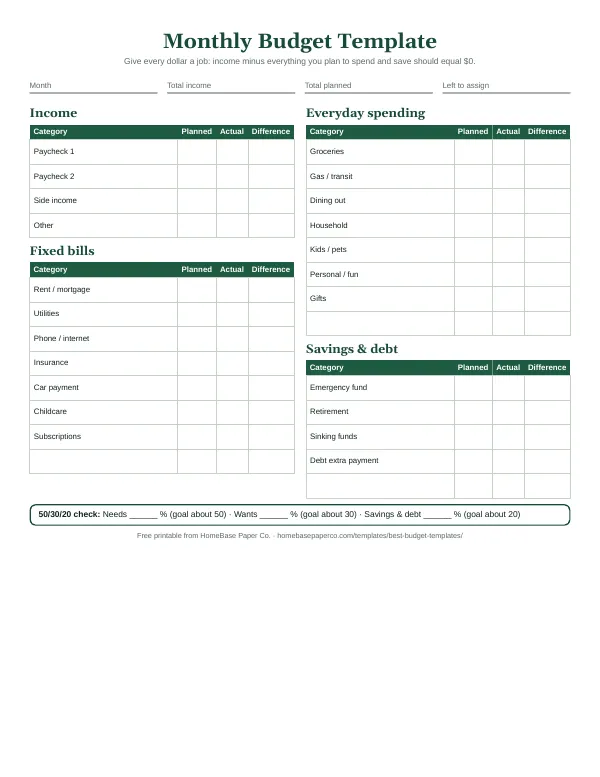
Free printable
Give every dollar a job: get the free monthly budget template
A printable zero-based monthly budget: income, bills, everyday spending and savings on one page, with a planned vs. actual column. You'll also get our weekly HomeBase email with simple budgeting and bill-paying tips.