The short answer: how to start a small business comes down to 10 steps the U.S. Small Business Administration lists: plan it, fund it, pick a location, choose a structure, name it, register it, get tax IDs, get licenses, open a business bank account and buy insurance. Most of the legal setup is cheap or free. The part that decides whether it works is the plan and the budget.
- Plan and price first: write down what you sell, who buys it, what you charge and your startup and monthly costs before you spend
- Registration is cheap: state registration usually costs less than $300 per the SBA, and an EIN is free from the IRS
- Set aside for taxes: self-employment tax is 15.3% once net earnings hit $400 a year
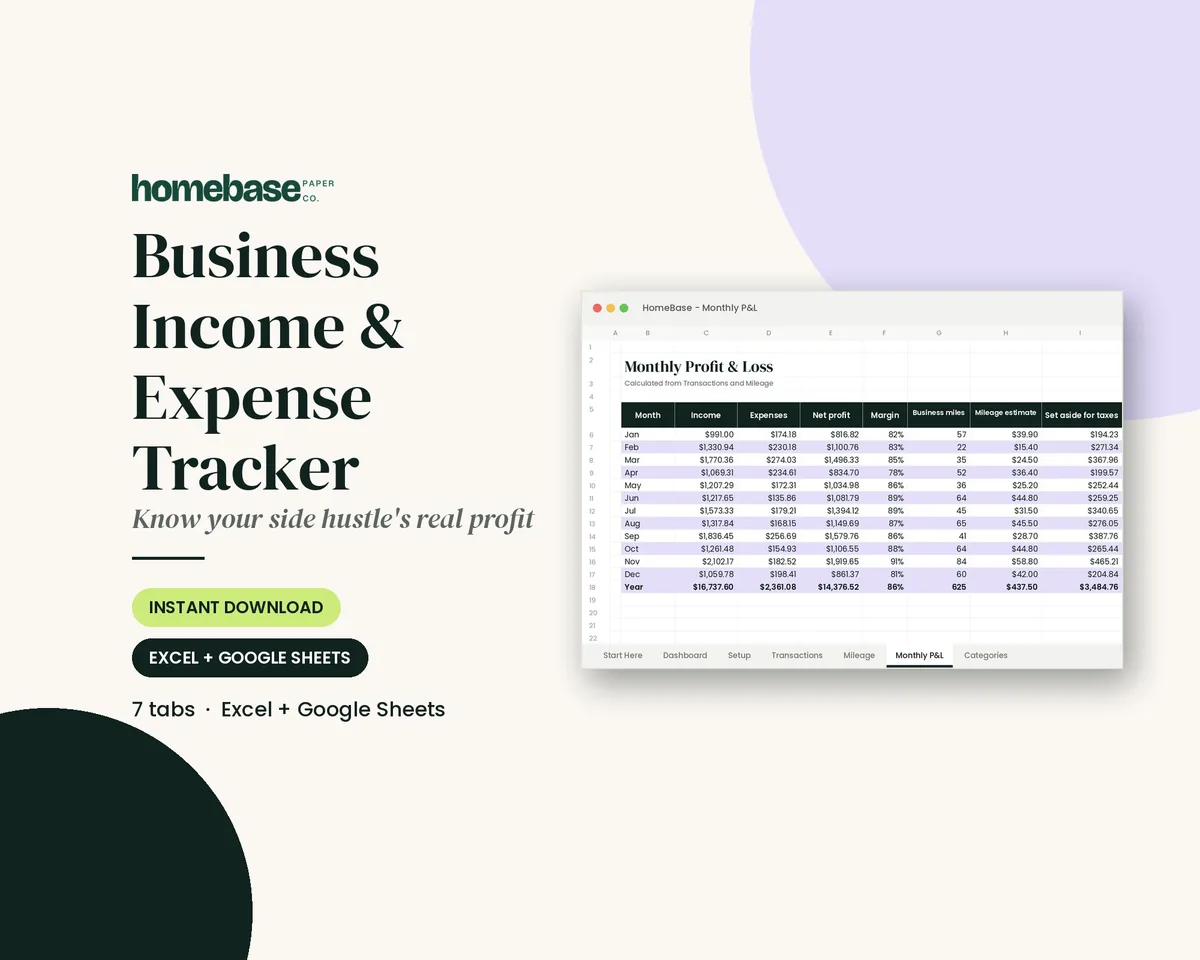
- Free planning helper: get the free business plan template (we email it to you). Tracking money from day one? The Business Income & Expense Tracker is $7.99
Checked against SBA.gov and IRS.gov on November 9, 2026. Fees and license rules vary by state and city, so confirm locally before you file. Below: the 10 steps in order, a startup budget worksheet, the tax basics, funding options and the mistakes that sink new businesses.
How to start a small business: the 10 steps at a glance
| Step | What you do | Typical cost |
|---|---|---|
| 1. Write a business plan | One page to start: product, customer, price, costs, marketing | Free |
| 2. Fund your business | Savings, early sales, loans, grants or investors | Depends on your plan |
| 3. Pick a location | Home, online, shared space or storefront | Free to thousands per month |
| 4. Choose a business structure | Sole proprietorship, partnership, LLC or corporation | Free to state filing fee |
| 5. Choose a business name | Check state records and trademarks | Free to search |
| 6. Register your business | State filing (LLCs, corporations) and DBA if needed | Usually under $300 (SBA) |
| 7. Get tax ID numbers | Federal EIN, plus state tax IDs if required | EIN is free |
| 8. Apply for licenses and permits | City, county, state and industry permits | Varies by location |
| 9. Open a business bank account | Keep business money separate | Often free or low monthly fee |
| 10. Get business insurance | General liability and anything your industry needs | Varies by risk |
The steps come from the SBA's 10 steps to start your business. You don't have to do them strictly in order. Many owners pick a name, choose a structure and register in the same afternoon.
Step 1: Write a simple business plan
A business plan doesn't have to be 40 pages. Start with one page that answers six questions: Review the fields in our business plan template as you outline these sections.
- What do you sell? One product or service, described in a sentence.
- Who buys it? Be specific: "busy parents within 10 miles," not "everyone."
- What do you charge? Look at what similar local or online businesses charge.
- What does it cost to start? Use the worksheet below.
- What does it cost to run each month? Software, supplies, insurance, phone, gas.
- How will customers find you? Word of mouth, social media, a website, local listings or partnerships.
If you'll apply for a loan or grant, you'll need the longer version with market research and financial projections. Our free business plan template walks through each section so you're not starting from a blank page.
Test before you build. Before you buy equipment or sign a lease, try to land two or three paying customers. Pre-sales, a simple booking page or a weekend market table will tell you more than months of planning. Still choosing what to sell? Browse our small business ideas for low-cost options.
Step 2: Build your startup budget (and fund it)
This is where most new owners guess. Write every cost down instead. Split them into one-time startup costs and monthly operating costs.
Example startup cost worksheet (sample numbers for a home-based cleaning business; replace every number with your own quotes):
| Cost | One-time | Monthly |
|---|---|---|
| State registration (LLC example) | $100 | — |
| Local business license | $50 | — |
| Cleaning supplies and equipment | $400 | $60 |
| Simple website and domain | $50 | $15 |
| Business cards and flyers | $75 | — |
| General liability insurance | — | $45 |
| Phone and software | — | $30 |
| Gas and vehicle costs | — | $120 |
| Total | $675 | $270 |
Then add a cash cushion: enough to cover your monthly operating costs for the months it takes to reach steady customers. In this example, three months of runway is $810, so this owner would want about $1,485 before launch.
Break-even math: divide your monthly costs by the profit you make per job or sale. If each cleaning job brings in $120 and supplies for that job cost $10, you keep $110. $270 ÷ $110 means about 3 jobs a month to cover costs. Everything after that is profit (before taxes).
Ways to fund it:
- Personal savings or a side income. The cheapest money you'll ever use. Many owners keep their job and build the business on evenings and weekends first; see our side hustle ideas.
- Early customer revenue. Deposits and pre-orders fund supplies without debt.
- Small business loans. SBA-backed loans, microloans and bank or credit union loans. Compare them in our guide to small business loans.
- Grants. Free money, but competitive and usually narrow. See small business grants for where to look.
- Friends, family or investors. Put the terms in writing, even with family.
Be careful with funding a business on personal credit cards. If sales start slowly, high interest can outpace your profit.
Step 3: Pick your business location
Your location affects licenses, zoning, taxes and costs. Options from cheapest to most expensive:
- Home-based: lowest cost, but check local zoning rules and any HOA or lease restrictions on running a business from home.
- Online only: you may still need a business license where you live, and you may owe sales tax in states where you sell.
- Shared or co-working space: flexible, month-to-month.
- Storefront, office or commercial kitchen: the largest cost. Read the lease carefully and confirm zoning before signing.
Step 4: Choose a business structure
Your structure decides how you're taxed, how much paperwork you file and whether your personal assets are protected.
| Structure | Liability protection | Paperwork | Good for |
|---|---|---|---|
| Sole proprietorship | None: you and the business are the same | Least | Testing an idea, low-risk solo services |
| Partnership | None for general partners | Partnership agreement recommended | Two or more owners |
| LLC | Generally protects personal assets | State filing, annual report in many states | Most small businesses |
| Corporation (C or S) | Yes | Most: bylaws, board, separate tax filings | Raising investment, larger teams |
Many owners start as a sole proprietor to test demand, then form an LLC once money and risk grow. If your work carries real liability (contracting, food, child care), talk to an attorney or accountant before you choose.
Step 5: Choose your business name
Pick a name that's easy to spell and say, then check:
- Your state's business name database (most states let you search for free)
- The U.S. Patent and Trademark Office trademark search
- Whether the web domain and social media handles are available
If you'll use a name other than your own legal name, you may need to file a DBA ("doing business as"). The SBA notes that a DBA doesn't give you legal protection by itself, but many states require it.
Step 6: Register your business
According to the SBA:
- If you operate under your own legal name as a sole proprietor or partner, you may not need to register with the state.
- LLCs, corporations, partnerships and nonprofits generally must register in each state where they do business.
- Your company needs a registered agent located in the state where you register, to receive legal papers.
- Registration usually costs less than $300, but fees vary by state and structure.
Trademarks and tax-exempt status are separate, federal filings.
Step 7: Get your federal and state tax IDs
An Employer Identification Number (EIN) is your business's federal tax ID. The IRS says:
- The EIN is free. Never pay a website to get one.
- You can apply online. If approved, you get the EIN right away, so print the confirmation letter.
- You must finish the online application in one session; it times out after 15 minutes of inactivity.
- You generally need an EIN if you hire employees, run a partnership or corporation, or pay certain sales and excise taxes.
Many sole proprietors without employees can use their Social Security number. But a free EIN keeps your SSN off invoices and W-9 forms, and many banks ask for one to open a business account.
Your state may also require a state tax ID for sales tax, payroll tax or income tax withholding. Check your state revenue department's website.
Step 8: Apply for licenses and permits
License rules are local. Most businesses need a city or county business license. Depending on what you do, you may also need:
- A sales tax permit (if you sell taxable goods)
- A home occupation permit
- Health department permits (food)
- State professional or trade licenses (cosmetology, contracting, child care, real estate and more)
- Fire or building inspections for a physical location
Call your city or county clerk and search your state's business portal. Ask exactly which licenses apply to your business type and address.
Step 9: Open a business bank account
Mixing business and personal money is the fastest way to lose track of profit and make tax time painful. A separate account:
- Makes bookkeeping simple: every transaction in the account is a business transaction
- Helps keep the liability protection of an LLC or corporation
- Looks more professional to customers
Bring your EIN (or SSN), your registration documents and ID. Then set up a system from day one. Our guide on how to track business expenses shows a simple weekly routine, and the Business Income & Expense Tracker ($7.99) sorts income and costs by category for you.
Step 10: Get business insurance
Insurance protects you from claims that could wipe out the business, or your personal savings if you're a sole proprietor. Common types:
- General liability: injuries or property damage you cause
- Professional liability: mistakes in services or advice
- Commercial property: equipment and inventory
- Workers' compensation: required in most states once you have employees
- Commercial auto: if you drive for the business
Get quotes from two or three insurers and ask what your industry and clients usually require.
Small business taxes: what to set aside
New owners are often surprised by taxes in year one. According to the IRS:
- You owe self-employment tax if your net earnings from self-employment are $400 or more in a year.
- The rate is 15.3%: 12.4% for Social Security and 2.9% for Medicare. The Social Security part applies up to a yearly wage base ($184,500 for 2026).
- You can deduct the employer-equivalent portion of self-employment tax when figuring your adjusted gross income.
- You may need to make quarterly estimated tax payments.
That's on top of federal and state income tax. A simple habit: move a set percentage of every payment into a separate savings account for taxes. Ask a tax professional what percentage fits your income and state.
Track deductible costs from the start (supplies, mileage, software, a home office if you qualify) with our small business tax deduction checklist.
Common mistakes when starting a small business
- Spending before selling. Buy equipment after you've proven people will pay.
- Underpricing. Your price has to cover supplies, time, taxes and overhead, not just materials.
- No cash cushion. Slow months happen. Keep a few months of operating costs in reserve.
- Mixing money. Personal and business spending in one account hides whether you're profitable.
- Forgetting taxes. Without set-aside money, the first tax bill can be a shock.
- Paying for free things. EINs are free from the IRS. Be wary of services that charge for basic filings you can do yourself.
- Skipping the license check. Fines and forced closures cost more than the permit.
Small business startup checklist
- One-page business plan written
- Startup cost worksheet and monthly budget done
- Two or three paying customers or pre-orders
- Structure chosen (sole proprietor, LLC or other)
- Name checked with your state and the USPTO
- Registered with the state (if required) and DBA filed (if needed)
- Free EIN from IRS.gov and any state tax IDs
- City, county and state licenses and permits
- Business bank account open
- Insurance quotes compared and a policy in place
- Tax savings account set up and a bookkeeping routine started
Make it easier
Tools for this
Spreadsheets
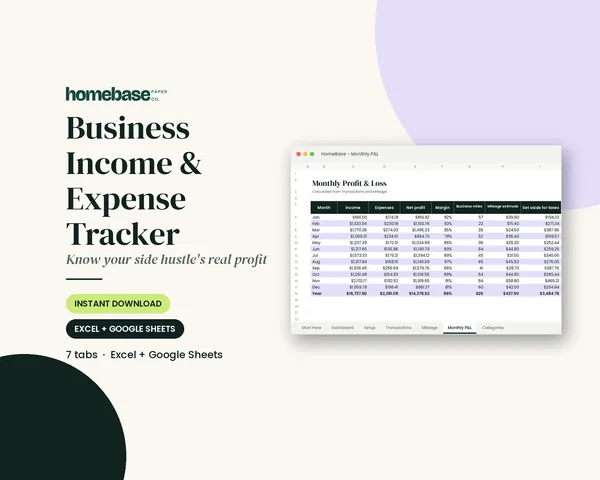
Business Income & Expense Tracker
Log sales, expenses and business miles - see your monthly profit, category totals for tax time and how much to set aside.
 Save 57%
Bundles
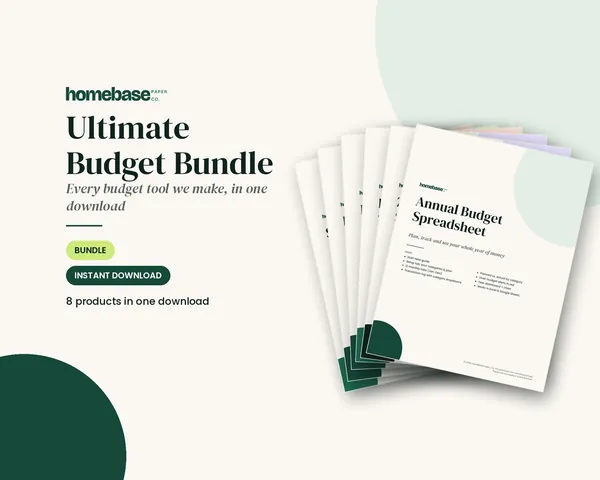
Ultimate Budget Bundle
All 6 spreadsheets + both printable planners - for less than half the price of buying them separately.
Spreadsheets
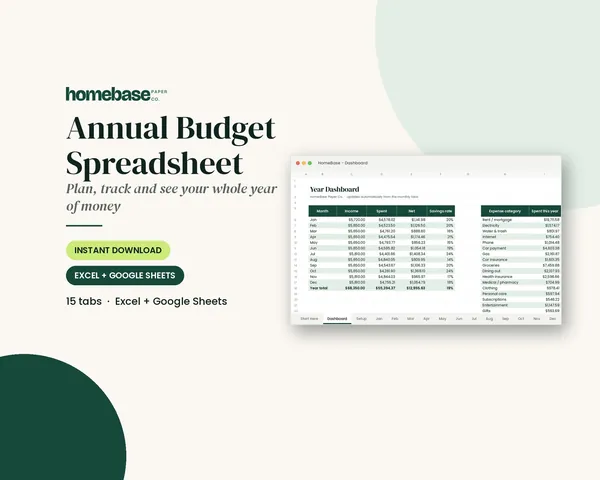
Annual Budget Spreadsheet
See exactly where your money goes every month - without complicated software.
Frequently asked questions
How do I start a small business with no money? Start with a service business that uses skills and tools you already have, so your startup costs are close to zero. Get your first paying customers before you spend anything, file the free EIN with the IRS if you need one, and put early income into the business until it can pay for its own equipment.
What are the 10 steps to start a small business? The SBA's 10 steps are: write a business plan, fund your business, pick a location, choose a business structure, choose a name, register your business, get federal and state tax ID numbers, apply for licenses and permits, open a business bank account and get business insurance. You can finish several of them in the same week.
How much does it cost to start a small business? It depends on the business: a service business run from home can start for a few hundred dollars, while a business with inventory, equipment or a storefront can cost thousands. State registration usually costs less than $300, according to the SBA, and an EIN from the IRS is free. Build a startup cost worksheet before you spend.
Do I need an LLC to start a small business? No, you don't need an LLC to start a small business. A sole proprietor who works under their own legal name may not have to register at all, per the SBA. Many owners form an LLC later for liability protection, so compare the state fee and paperwork with the risk your business carries.
Do I need an EIN for a small business? You need an EIN if you hire employees, run a partnership or corporation, or pay certain sales and excise taxes, according to the IRS. Many sole proprietors with no employees can use their Social Security number instead, though an EIN keeps your SSN off invoices and is often required to open a business bank account. The EIN is free from IRS.gov.
Do I have to pay taxes on a small side business? Yes, if your net earnings from self-employment are $400 or more in a year, you owe self-employment tax, according to the IRS. The rate is 15.3% (12.4% Social Security and 2.9% Medicare), on top of income tax. You may also need to make quarterly estimated tax payments.
What business license do I need? The licenses you need depend on your industry, city, county and state. Most businesses need at least a local business license or registration, and food, child care, alcohol, construction and professional services often need extra permits. Check with your city or county clerk and your state's business portal before you open.
Should I write a business plan for a small business? Yes, write at least a one-page plan before you spend money. It should cover what you sell, who buys it, what you charge, what it costs to start and run each month, and how you'll find customers. Lenders and grant programs usually ask for a fuller plan, so the short version is a head start.
How long does it take to start a small business? You can complete the legal setup of a simple business in a few days to a few weeks. An online EIN is issued right away if approved, and state registration time varies by state. Planning, testing your idea and landing first customers usually take longer than the paperwork.
What is the easiest small business to start? The easiest small businesses to start are services that need little equipment and no storefront, such as cleaning, pet sitting, tutoring, bookkeeping, lawn care or freelance writing and design. They have low startup costs and you can test demand with a few customers before you register or invest.
More from HomeBase
You may also like

Printables
Budget Planner Printable
Twelve undated pages you can print every month: budget, bills, spending, savings and debt.
Spreadsheets
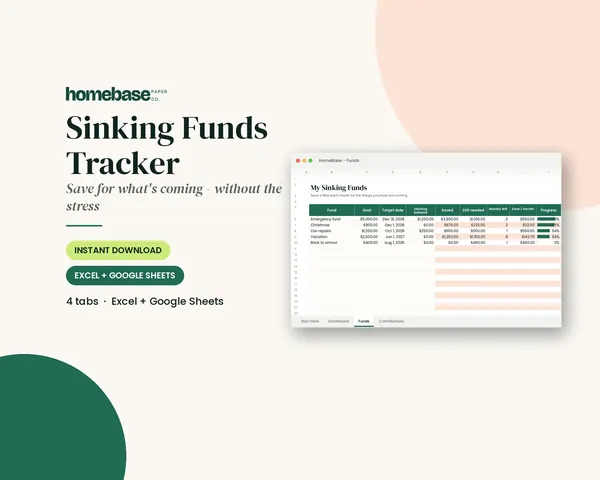
Sinking Funds Tracker
It does the math: how much to set aside each month to hit every goal on time.
Spreadsheets
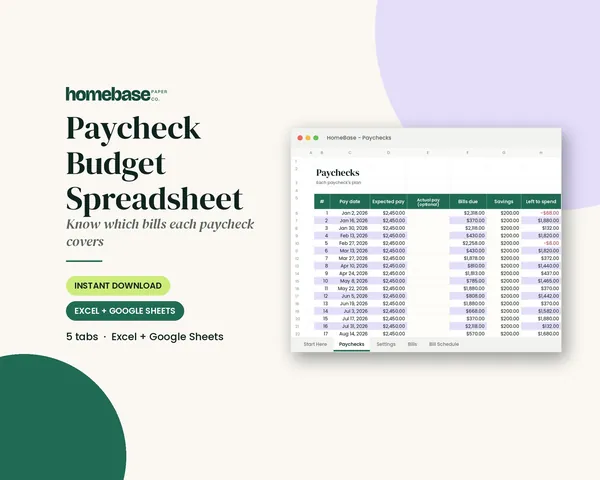
Paycheck Budget Spreadsheet
Enter your bills once. The sheet tells you which paycheck pays each one, all year.
Spreadsheets
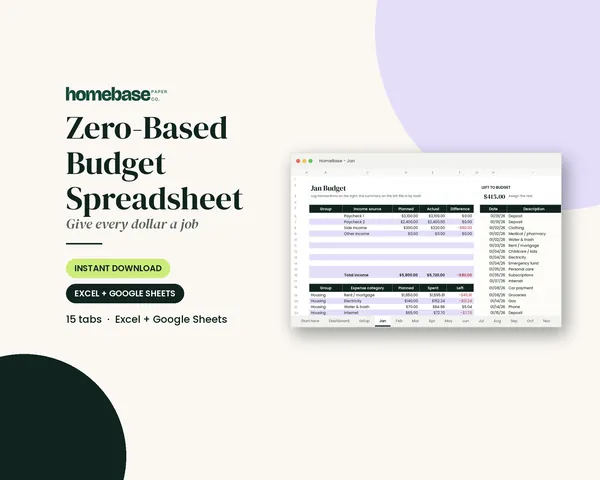
Zero-Based Budget Spreadsheet
The 'Left to budget' counter turns green when every dollar has a job.
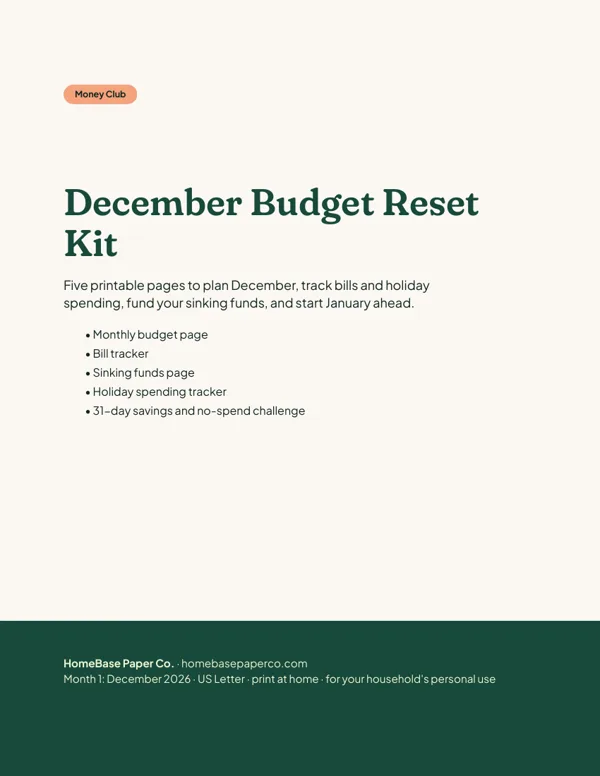 Club
Monthly club
Money Club
Anyone who wants a clear plan for the month's bills, holiday spending and savings.
Free printable
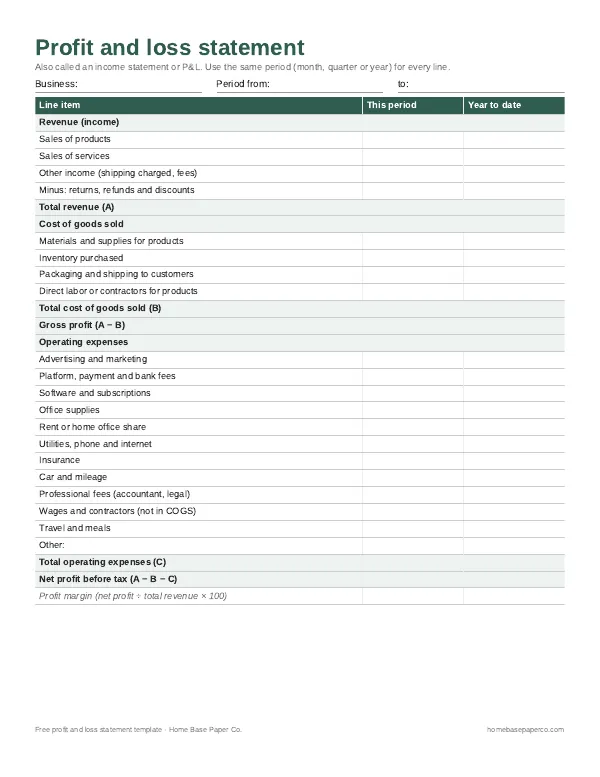
Know your real profit: get the free P&L template
A printable profit and loss statement that walks through revenue, costs and expenses line by line for any month, quarter or year. You'll also get our weekly HomeBase email with simple small business paperwork and money tips.