The short answer: to budget for charitable giving, set one yearly amount, spread it across the months and decide ahead of time where it goes. Without a plan, giving tends to happen in bursts.
- Pick a yearly amount: some families tithe 10% of income; others give 1% to 5% or a fixed dollar amount
- Split it: about 70% to 80% planned gifts, 20% to 30% open giving
- $1,200 a year is $100 a month, about $46 per biweekly paycheck
- Check charities before you give and keep receipts all year
- Next step: Plan it with the Sinking Funds Tracker ($4.99).
Learning how to budget for charitable giving turns generosity from a guilty "I should give more" into a plan you feel good about. Without a plan, giving tends to happen in bursts: a big check at Christmas, then nothing for months, or several small asks that quietly add up. A giving budget sets one yearly amount, spreads it across the months and decides ahead of time where it goes. Here's how to build one.
Step 1: Choose your yearly giving amount
Start with a number for the whole year, then work backward. Some families tithe 10% of income. Others give 1% to 5% or pick a fixed dollar amount and raise it as their budget allows. There's no right answer, only the amount that fits your values and still protects your bills and savings.
| Yearly giving | Monthly amount | Per paycheck (biweekly) |
|---|---|---|
| $300 | $25 | About $11.50 |
| $600 | $50 | About $23 |
| $1,200 | $100 | About $46 |
| $2,400 | $200 | About $92 |
If you're paying off debt or rebuilding an emergency fund, a smaller amount you can keep every month beats a big one you abandon in spring.
Step 2: Split it between planned and open giving
Divide the yearly amount into two parts:
- Planned gifts (about 70% to 80%). Your place of worship, a monthly donation to a cause you love, the school fundraiser you always support.
- Open giving (about 20% to 30%). A friend's charity run, a neighbor in need, adopting a family for Christmas, disaster relief and Giving Tuesday, which falls on December 1 in 2026.
The open part is what makes the plan work in real life. When someone asks, you already know whether you can say yes, and you never have to pull from groceries to do it.
Step 3: Set up a giving fund
Treat generosity like any other sinking fund. Move the monthly amount into a separate savings account or a labeled line in your tracker on payday, as in a pay yourself first budget. Planned gifts go out on schedule; open gifts come from whatever is sitting in the fund.
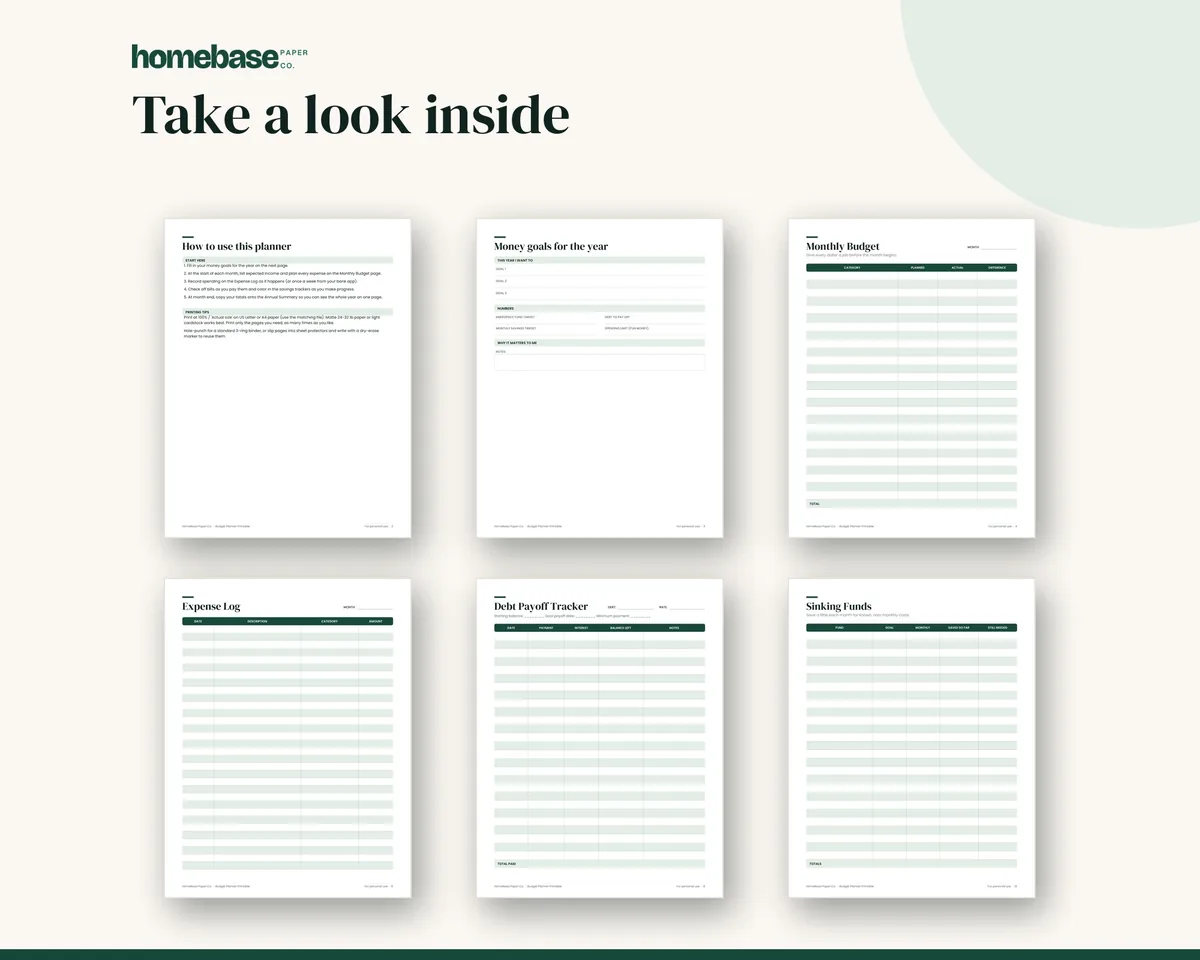
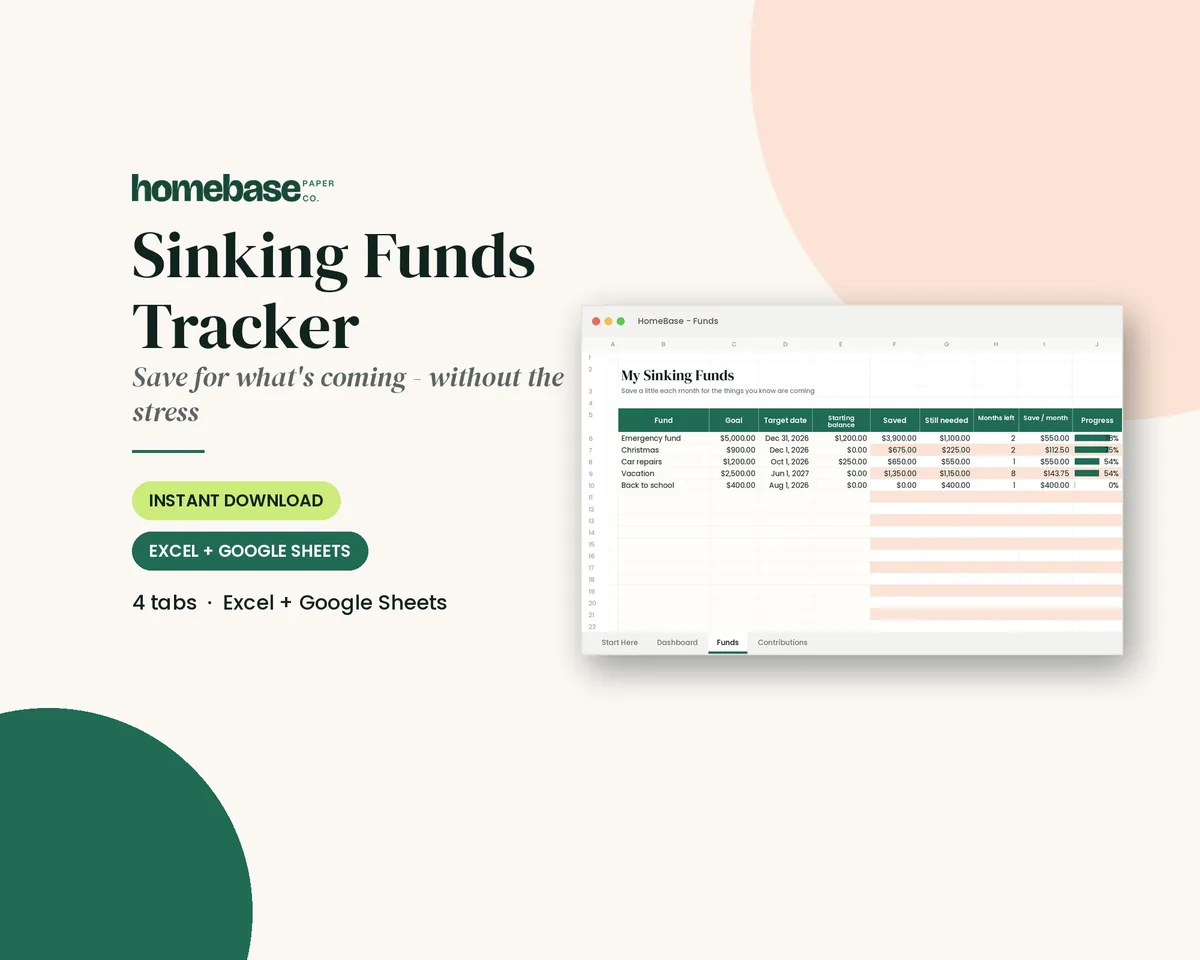
The Sinking Funds Tracker ($4.99) can hold a "Giving" fund next to Christmas and car repairs, with a progress bar for each. The Budget Planner Printable ($5.99) works too: add "Giving" as a category on the monthly page and log each gift in the expense log.
Step 4: Check charities before you give
A plan only helps if the money reaches a real cause. The FTC's advice before you donate suggests searching the charity's name with words like "complaint," "review" or "rating" (see our holiday shopping tips). It also recommends paying by check or credit card rather than by gift card, wire transfer or cryptocurrency.
You can confirm that an organization is registered as tax-exempt with the IRS Tax Exempt Organization Search. Quick checklist:
- Search the name plus "complaint" and "review."
- Confirm it in the IRS search tool.
- Give on the charity's own website, not through a link in a text.
- Pay by check or credit card.
- Say no to pressure to give "right now."
Step 5: Keep receipts and track the year
Log every gift with the date, organization, amount and payment method, and save the receipt or acknowledgment in one folder. The IRS explains on its charitable contribution deductions page that you can generally deduct contributions to qualified organizations if you itemize deductions, and that the deduction is usually limited to a share of your adjusted gross income. A tax professional can tell you how the rules apply to you; your job is to keep good records.
The Annual Budget Spreadsheet ($6.99) shows yearly totals by category, so your giving total is ready when tax season starts. Our year-end financial checklist covers what else to gather in December.
Charitable giving and taxes in 2026
The tax rules changed for 2026, so check them before you set your giving amount. According to the IRS, the Working Families Tax Cuts law creates a permanent deduction for charitable contributions made in 2026 by people who take the standard deduction instead of itemizing: up to $1,000 in qualifying cash gifts, or $2,000 for married couples filing jointly. Gifts must go to eligible charities, and noncash gifts, such as donated clothing, do not count toward this deduction. If you itemize, only the part of your giving above 0.5% of your adjusted gross income is deductible in 2026.
What it means for your plan: if you usually give a few hundred dollars and take the standard deduction, your giving may now lower your tax bill, so keep the receipts or bank records. Rules differ by situation, so a tax professional can confirm how they apply to you. See the IRS reminder on the new deduction for taxpayers who do not itemize.
Giving during the holidays
Holiday giving is where budgets slip, because asks come from every direction: toy drives, food banks, red kettles, classroom collections and year-end appeals. A few ways to keep it joyful:
- Set a holiday giving number inside your yearly amount, separate from your gift budget.
- Let kids choose one cause. Give them a small amount from the fund and let them pick.
- Give time, too. Serving a meal or sorting donations costs nothing and often means more.
- Write it in your holiday plan. The Christmas Budget & Gift Planner ($4.99) has a holiday budget page where giving can sit next to gifts, food and travel.
For family traditions that cost little and center on giving, see cheap family Christmas traditions.
Giving when money is tight
A tight month doesn't have to mean no giving, but it does mean being honest about the order. Bills, groceries and a starter emergency fund come first, because a household in crisis can't help anyone for long. If you need to, pause planned gifts for a month or two and keep a small open-giving amount, even $5, so the habit stays alive. Remember that generosity isn't only money. Cooking a meal for a family with a new baby, driving a neighbor to an appointment or donating clothes your kids outgrew all count, and none of them touch your budget.
Your giving plan on one page
- Yearly giving amount.
- Monthly amount and the day it moves.
- Planned gifts and their dates.
- Open giving balance.
- Where receipts are saved.
A giving budget doesn't make you less generous. It makes generosity steady, so you can say yes with confidence when it matters most. To fit giving into the season, start with a holiday budget, and find more in our budgeting guides.
Make it easier
Tools for this
Spreadsheets
Sinking Funds Tracker
It does the math: how much to set aside each month to hit every goal on time.
Spreadsheets
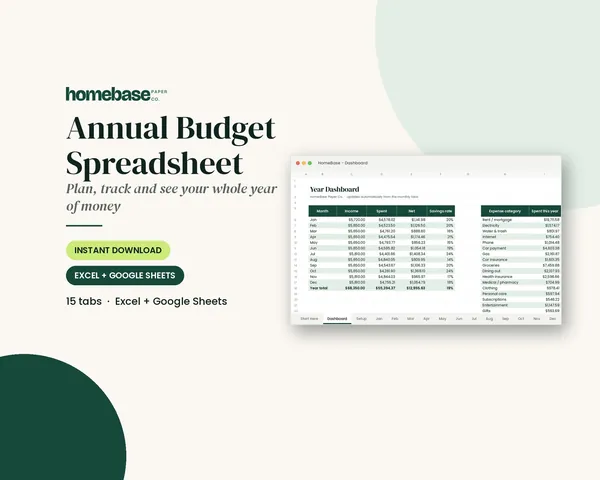
Annual Budget Spreadsheet
See exactly where your money goes every month - without complicated software.
Printables
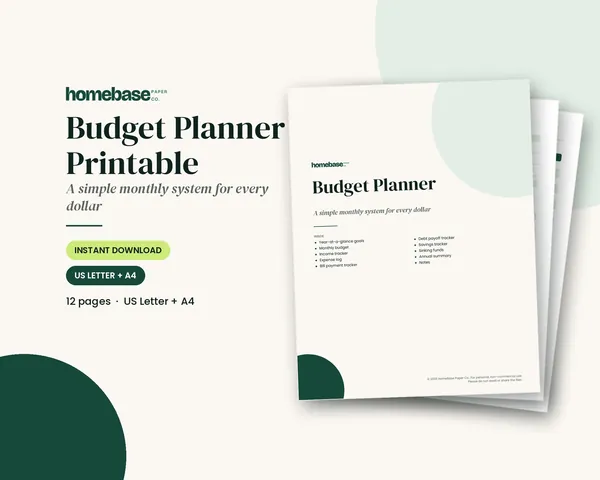
Budget Planner Printable
Twelve undated pages you can print every month: budget, bills, spending, savings and debt.
Frequently asked questions
How do you budget for charitable giving? To budget for charitable giving, choose a yearly giving amount, divide it by 12 and set that monthly amount aside in a giving fund. Then decide ahead of time how much goes to planned gifts and how much stays open for needs that come up during the year.
How much of my income should I give to charity? There's no right percentage for charitable giving; it depends on your values, your income and your other goals. Some families tithe 10%, many give 1% to 5%, and others start with a fixed dollar amount and raise it as debts are paid off.
Should I give to charity if I have debt? Many people keep giving while paying off debt, just at a smaller amount, because generosity matters to them. A small, budgeted giving line protects your debt plan better than irregular large gifts, so pick an amount you can keep every month.
What is a giving fund? A giving fund is money you set aside each month specifically for donations, like a sinking fund for generosity. When a need comes up, such as a friend's fundraiser or Giving Tuesday, you give from the fund without disrupting the rest of your budget.
Are charitable donations tax deductible? Charitable donations to qualified organizations are generally tax deductible if you itemize deductions, according to the IRS. The deduction is usually limited to a share of your adjusted gross income, so keep receipts and ask a tax professional how the rules apply to you.
How do I check a charity before I give? Check a charity by searching its name with words like complaint, review or rating, as the FTC suggests. You can also use the IRS Tax Exempt Organization Search to confirm it's a registered tax-exempt organization before you give.
What payment methods should I avoid when donating? Avoid donating by gift card, wire transfer or cryptocurrency when someone asks for it. The FTC recommends paying by check or credit card instead, which is safer and leaves a record.
When is Giving Tuesday 2026? Giving Tuesday 2026 is Tuesday, December 1, the Tuesday after Thanksgiving. If you plan a giving fund for the year, setting aside part of it for Giving Tuesday makes it easy to join without straining your holiday budget.
How do I track my charitable donations? Track charitable donations by logging the date, organization, amount and payment method for every gift, and saving each receipt in one folder. A budget spreadsheet or printable expense log with a giving category makes year-end totals quick.
Do non-cash donations count in a giving budget? Non-cash donations like clothing, food and volunteer time are generous, but most families track only cash gifts in the giving budget. Log donated items separately with a description and estimated value, since they're handled differently from cash for tax purposes.
Can I deduct charitable donations in 2026 if I don't itemize? Yes, in 2026 you can deduct up to $1,000 in qualifying cash donations ($2,000 for married couples filing jointly) without itemizing, according to the IRS. The gifts must go to eligible charities, and noncash donations do not count. Keep receipts or bank records for your return.
More from HomeBase
You may also like
Spreadsheets
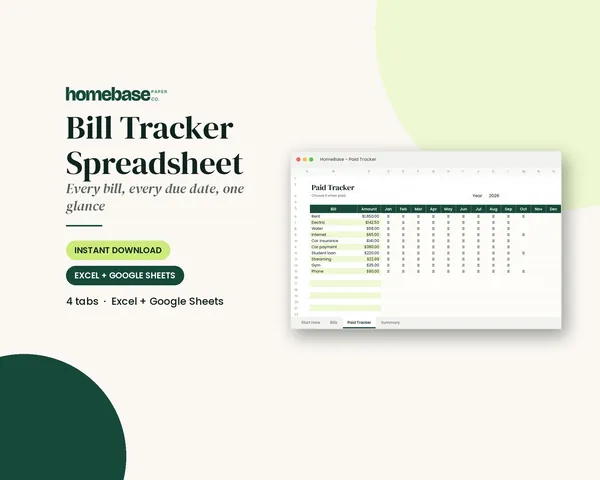
Bill Tracker Spreadsheet
Bills due in 3 days or less light up red, so nothing slips through.
Spreadsheets
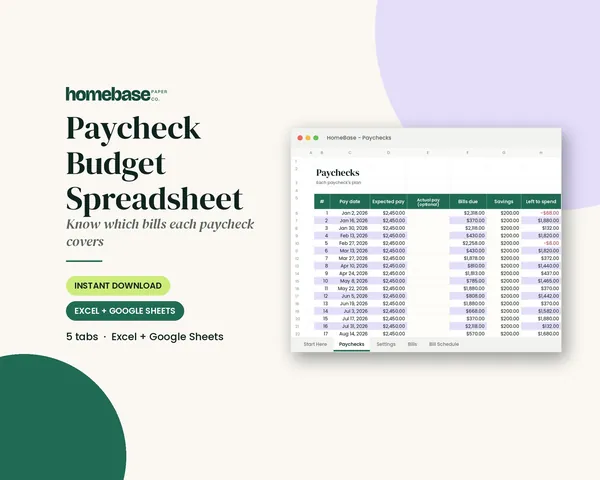
Paycheck Budget Spreadsheet
Enter your bills once. The sheet tells you which paycheck pays each one, all year.
Spreadsheets
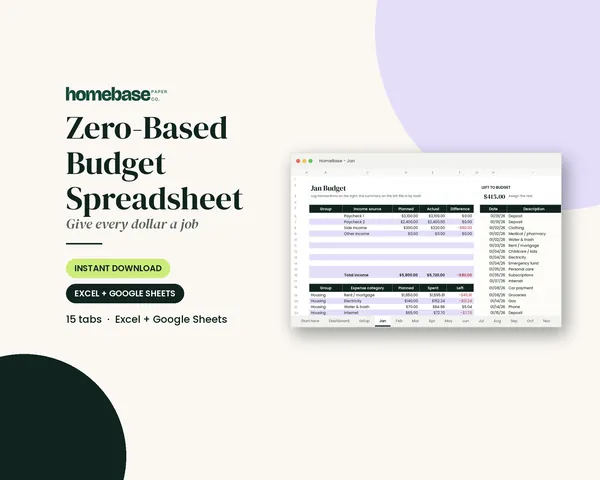
Zero-Based Budget Spreadsheet
The 'Left to budget' counter turns green when every dollar has a job.
 Save 57%
Bundles
Ultimate Budget Bundle
All 6 spreadsheets + both printable planners - for less than half the price of buying them separately.
 Club
Monthly club
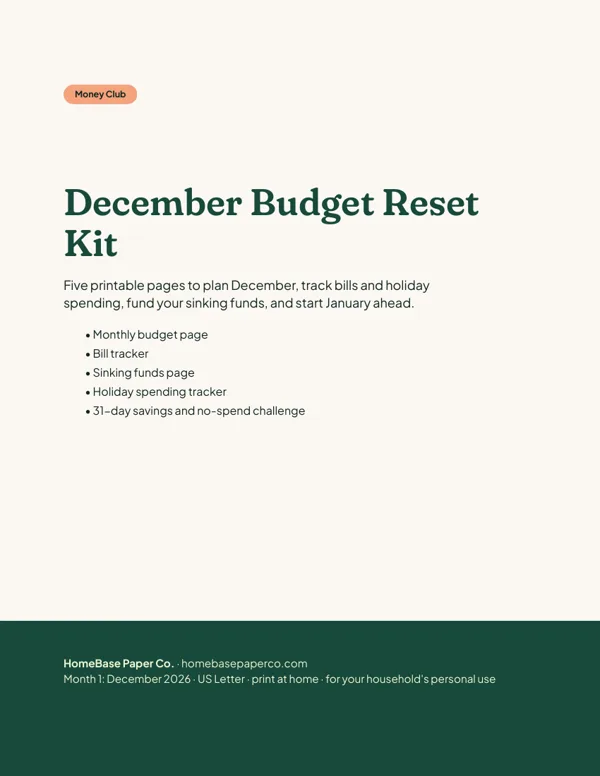
Money Club
Anyone who wants a clear plan for the month's bills, holiday spending and savings.
Free printable
Give every dollar a job: get the free monthly budget template
A printable zero-based monthly budget: income, bills, everyday spending and savings on one page, with a planned vs. actual column. You'll also get our weekly HomeBase email with simple budgeting and bill-paying tips.