

The short answer: to lower monthly bills, list every recurring payment, cancel what you don't use, then call your internet, phone and insurance providers to ask for a lower plan. You can do most of it in one weekend.
- Streaming and apps: cancel or rotate
- Phone and internet: compare plans and ask about current offers
- Insurance: get quotes once a year
- Energy: adjust the thermostat, seal drafts, wash in cold water, switch to LED bulbs
- Next step: Plan it with the Bill Tracker Spreadsheet ($4.99).
Here's how to lower monthly bills: list every recurring payment, cancel what you don't use, then call your internet, phone and insurance providers to ask for a lower plan. Finish with small energy changes and a tracker so savings stick. You can do most of it in one weekend, and January is a good time, after holiday spending.
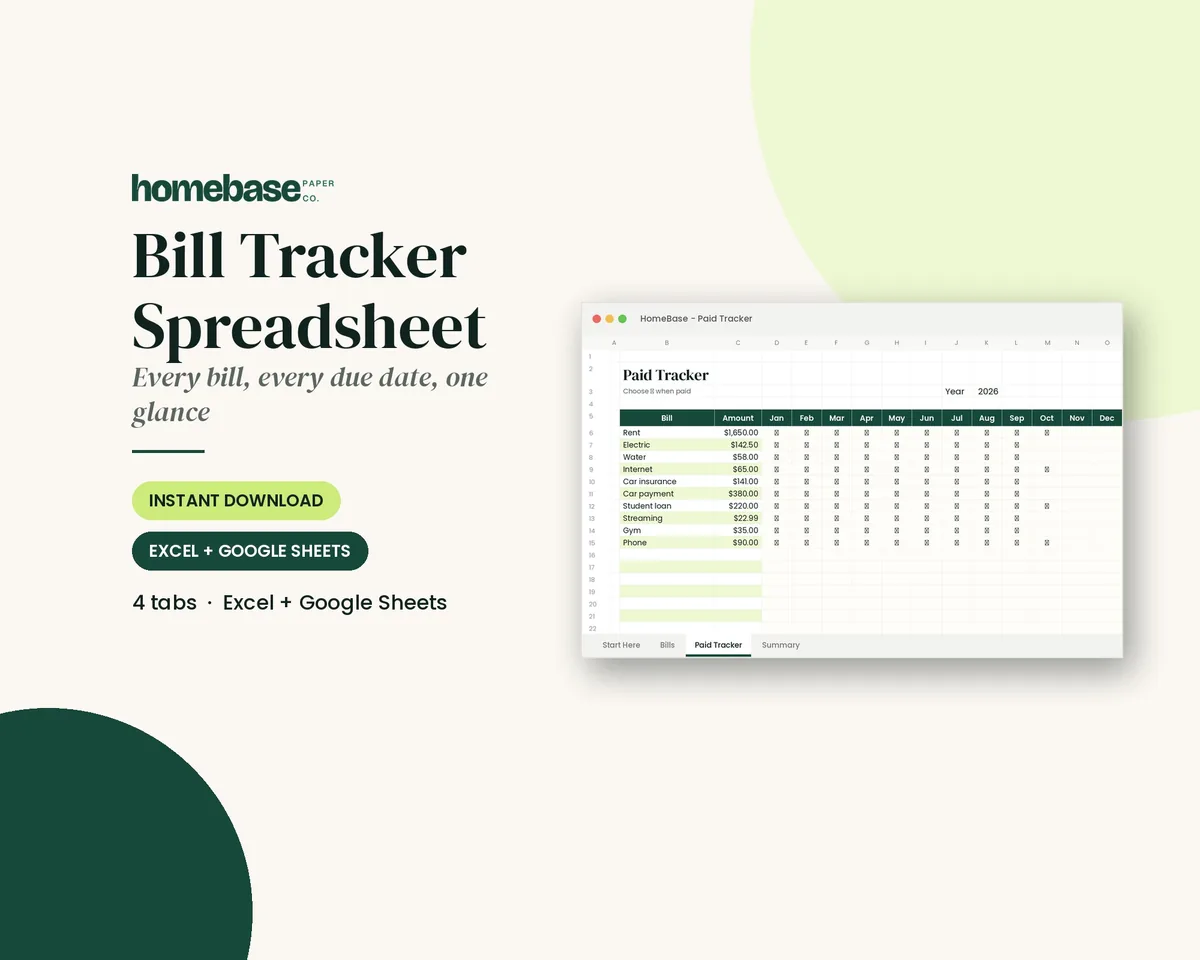
Our Bill Tracker Spreadsheet keeps every bill in one list with its next due date and a 12-month paid tracker, so you can see each new, lower amount.
Below is a step-by-step checklist, phone scripts, a table of which bills are easiest to lower, and how to make sure the savings reach your goals.
Step 1: List every recurring bill
Go through the last two or three months of bank and card statements. Write down every recurring charge with its amount and due date. Many people find a subscription or two they had forgotten. If you already own a home, compare refinancing a home loan before changing your mortgage payment.
| Bill type | How flexible | First move |
|---|---|---|
| Streaming and apps | Very | Cancel or rotate |
| Phone | Flexible | Compare plans, ask for offers |
| Internet | Flexible | Call and ask about current offers |
| Car and home insurance | Flexible yearly | Get quotes, raise deductible if safe |
| Electricity and gas | Partly | Reduce use, check plans if your area allows |
| Rent, mortgage, loans | Fixed short term | Review later; refinance only if it makes sense |
Step 2: Cut subscriptions you don't use
- Sort by last use. If you haven't used it in a month, cancel.
- Rotate streaming services. Keep one or two at a time and switch every few months.
- Check annual renewals. Note the renewal date of yearly subscriptions so they don't surprise you.
- Look for duplicates. Two music services or two cloud storage plans are common.
Step 3: Call your providers
Internet, phone and insurance companies often have cheaper plans or offers for existing customers. A short, polite call can help.
- Know your numbers. Your current price, how long you've been a customer, and prices from competitors.
- Ask directly: "I'm reviewing my bills. What can you do to lower my monthly price?"
- Ask about plans: "Is there a plan with less data or speed that would still work for us?"
- Be ready to switch. If the answer is no, compare other providers.
Write down the date, the person you spoke to and what was agreed.
If money is tight, check whether you qualify for the FCC's Lifeline program, which offers eligible low-income households a monthly discount of up to $9.25 on phone or internet service.
Step 4: Review insurance once a year
Get quotes for car and home or renters insurance at renewal. Ask about bundling, safe-driver discounts and whether raising your deductible makes sense. Only raise a deductible if your emergency fund could cover it.
Start a home inventory list with photos, serial numbers and values.
Step 5: Use less energy
Small habits add up across a winter; our guide on how to lower your heating bill covers the bigger fixes.
- Adjust the thermostat a few degrees when you're asleep or out.
- Seal drafts around doors and windows.
- Wash clothes in cold water when the care label allows.
- Switch to LED bulbs as old ones burn out.
- Unplug devices you rarely use.
ENERGY STAR explains that a certified smart thermostat can automatically switch to energy-saving temperatures when you're asleep or away.
These are the easiest ways to lower your electric bill and other utility bills without buying anything new.
Step 6: Track every bill and the savings
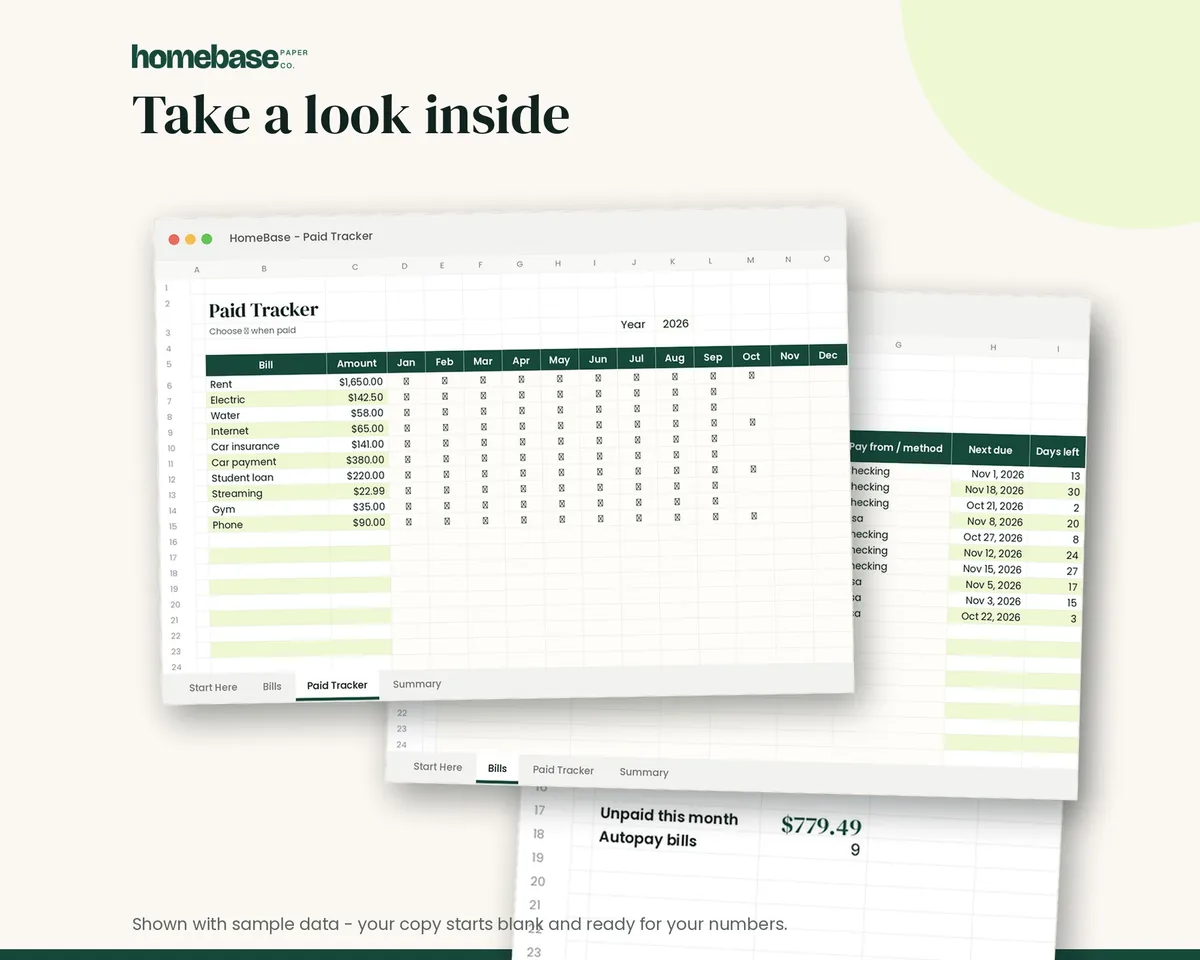
Savings disappear if you don't move them somewhere. Our Bill Tracker Spreadsheet ($4.99) keeps every bill in one list with its due date and amount, highlights anything due within three days, and lets you mark each one paid. Prefer paper? The Bill Tracker Printable ($3.49) works the same way.
Then send the difference straight to a goal. A Zero-Based Budget Spreadsheet ($6.99) gives every saved dollar a job, such as extra debt payments or an emergency fund. The Ultimate Budget Bundle ($19.99) includes the bill tracker, zero-based, debt payoff and sinking funds spreadsheets together.
A sample savings log
Keep a short log of each change so you can see the total. For example: streaming service cancelled, $15 a month; phone plan changed, $20 a month; internet offer, $10 a month. Together that's $45 a month, or $540 a year. Seeing the yearly figure makes the hour on the phone feel worth it, and it shows you how much you can move to a goal each month.
Bills to check after the holidays
January often brings bills you signed up for during the season: free trials that convert to paid plans, store memberships for shipping deals and new streaming services for holiday movies. Go through your December statements and cancel any you don't plan to keep. Mark annual memberships with a reminder a month before they renew.
Set reminders for promo rates
Many bills start cheap and rise after 12 months. Put the end date of every promotional rate in your calendar a month ahead, so you can call before the price jumps.
Avoid late fees
Late fees are one of the easiest costs to cut, and they pile up fast when you fall behind on bills. Set up automatic payments for fixed bills, and schedule a weekly five-minute check of what's due. Ask lenders if you can change a due date to fall right after payday, then match each bill to a paycheck.
For heating bills you can't cover, the federal LIHEAP program provides assistance with home energy costs for eligible households.
Bills by household type
Where the savings come from depends on your household.
- Families with kids: look at phone plans per line, activity fees and food delivery subscriptions.
- Renters: check renters insurance quotes and whether utilities can be split fairly with roommates.
- Homeowners: review home insurance yearly, and check property tax assessments if your area allows appeals.
- Single-person households: downgrade internet speed and phone data you don't need.
What to do with the savings
Decide before you start. Common choices are building a starter emergency fund, paying extra on the highest-interest debt, or funding next year's holidays in monthly steps. Moving the money on the day you save it is what makes the change last.
See also: budgeting for beginners, how to pay off holiday debt, budgeting for young adults and no-spend January challenge.
Want to save in other parts of the budget too? Our guide on how to save money has 25 tips for food, bills and shopping.
Make it easier
Tools for this
Spreadsheets
Bill Tracker Spreadsheet
Bills due in 3 days or less light up red, so nothing slips through.
 Starter pick

Spreadsheets
Zero-Based Budget Spreadsheet
The 'Left to budget' counter turns green when every dollar has a job.
Frequently asked questions
What is the fastest way to lower monthly bills? Start with subscriptions and memberships you don't use, then call your internet, phone and insurance providers to ask about lower plans or current offers. These two steps often save money in one afternoon.
Can you negotiate monthly bills? Many bills can be lowered by asking. Internet, phone, insurance and some subscriptions have retention offers or cheaper plans. Be polite, know competitor prices, and ask what options they have.
How often should I review my bills? Review every recurring bill once a year, and set reminders for when promotional rates end. January is a natural time, since many plans and prices change at the start of the year.
Which bills are hardest to lower? Rent or mortgage, loan payments and property taxes are usually fixed in the short term. Focus first on flexible bills like subscriptions, phone, internet, insurance and energy use.
How can I lower my electric bill? Adjust the thermostat a few degrees when you're asleep or out, seal drafts around doors and windows, wash clothes in cold water when the care label allows, switch to LED bulbs as old ones burn out and unplug devices you rarely use. Log each month's bill in our Bill Tracker Spreadsheet to see the change.
More from HomeBase
You may also like
Printables
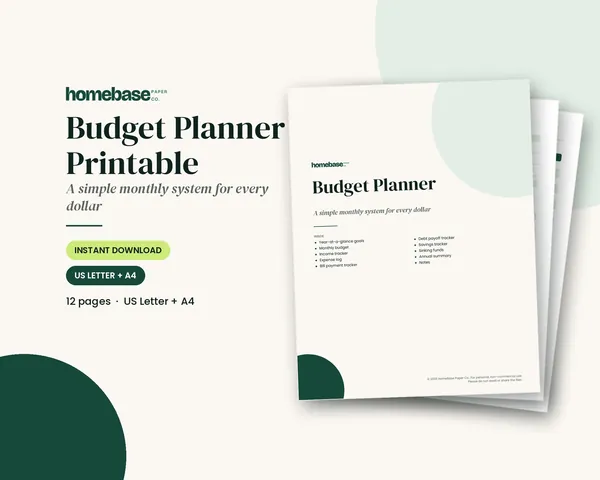
Budget Planner Printable
Twelve undated pages you can print every month: budget, bills, spending, savings and debt.

Spreadsheets
Sinking Funds Tracker
It does the math: how much to set aside each month to hit every goal on time.
Spreadsheets
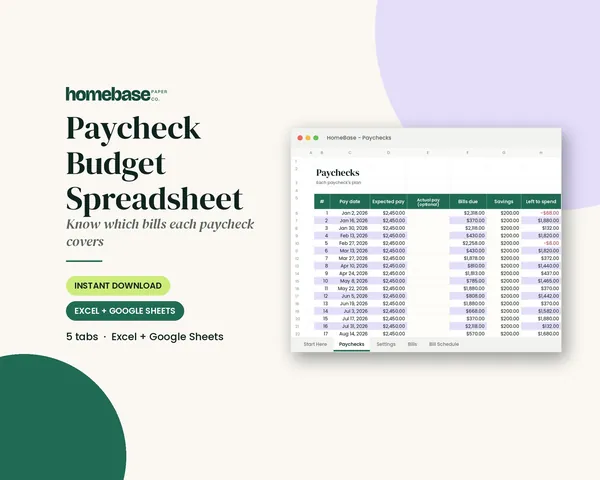
Paycheck Budget Spreadsheet
Enter your bills once. The sheet tells you which paycheck pays each one, all year.

Spreadsheets
Annual Budget Spreadsheet
See exactly where your money goes every month - without complicated software.
 Club
Monthly club
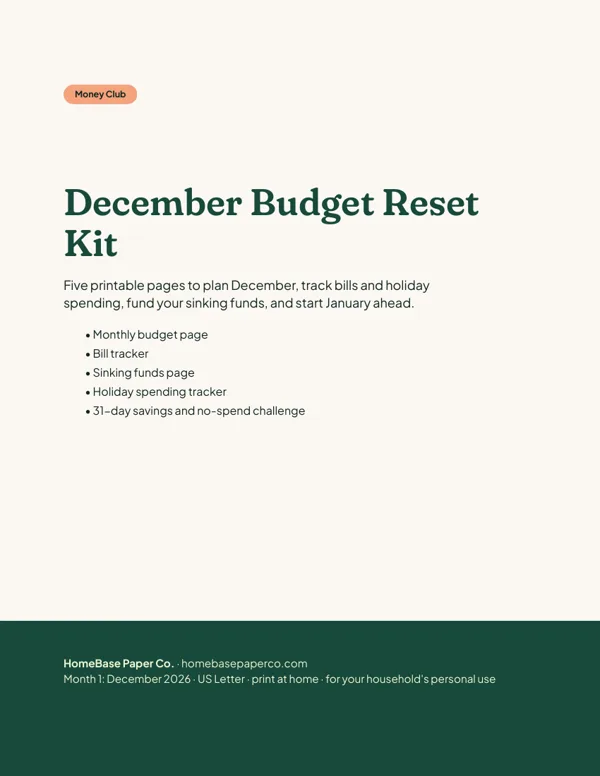
Money Club
Anyone who wants a clear plan for the month's bills, holiday spending and savings.
Free printable
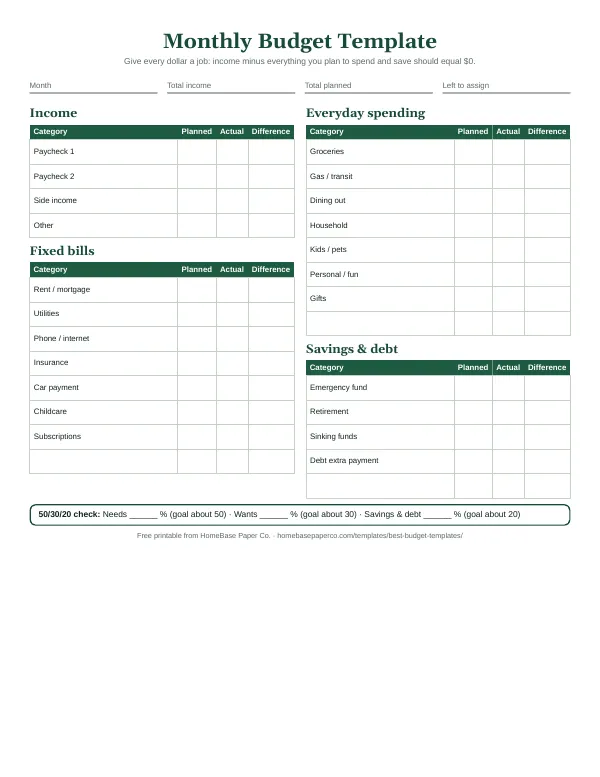
Give every dollar a job: get the free monthly budget template
A printable zero-based monthly budget: income, bills, everyday spending and savings on one page, with a planned vs. actual column. You'll also get our weekly HomeBase email with simple budgeting and bill-paying tips.
Sources
- Lifeline program fcc.gov
- Certified smart thermostat energystar.gov
- LIHEAP program acf.gov