

The short answer: to lower your heating bill, start with changes that cost nothing, then move to small weekend projects. Heating is often a household's biggest winter energy cost.
- Free tonight: lower the thermostat at night and when you're out, and close curtains at night
- Under $50: weather strip doors ($10 to $30 per door) and caulk window trim
- Replace your furnace filter ($5 to $40, about 5 minutes)
- Make it predictable with budget billing, and find help programs if you need them
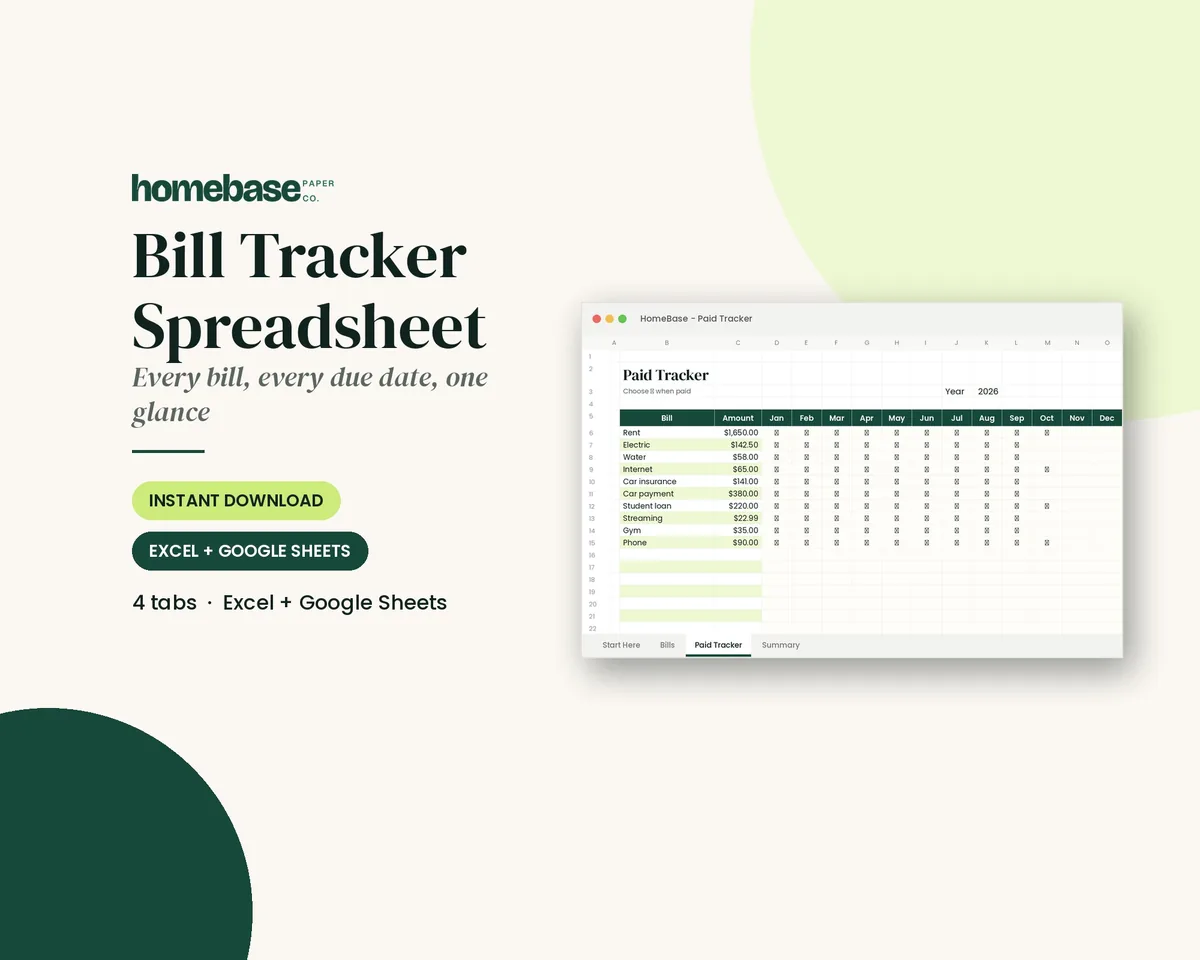
- Next step: Plan it with the Bill Tracker Spreadsheet ($4.99).
If you want to know how to lower your heating bill, start with the changes that cost nothing, then move to small weekend projects. Heating is often the biggest energy cost a household has in winter, and the federal Energy Information Administration publishes a Winter Fuels Outlook each fall because those costs move so much from year to year. Below are 15 ways to bring the bill down, sorted from free to a few weekends, plus how to track whether they worked.
Free changes you can make tonight
- Lower the thermostat at night and when you're out. The Department of Energy's winter savings tips say turning it back 7 to 10 degrees for 8 hours a day can save as much as 10% a year on heating bills.
- Bundle up first. Sweaters, socks, slippers and a throw on the couch let you stay comfortable a few degrees cooler.
- Open curtains on sunny days, close them at night. Free solar heat by day and an extra layer against cold glass at night.
- Close doors to rooms you don't use, like guest rooms and storage rooms, so you're heating fewer spaces.
- Move furniture off vents and radiators so warm air can circulate. A room planner helps you find a layout that keeps vents clear.
- Run ceiling fans clockwise on low to push warm air down from the ceiling, if your fans have a reverse switch.
Cheap fixes under $50
Drafts are the classic heating leak. ENERGY STAR's seal and insulate guide estimates that homeowners can save up to 10% on total annual energy bills by sealing and insulating, starting with weather stripping and caulk.
- Weather strip doors. Self-adhesive foam strips and a door sweep stop the gap you can feel on a windy day.
- Caulk window trim where you see gaps or feel cold air.
- Add foam gaskets behind outlet and switch covers on outside walls.
- Use draft stoppers at the bottom of doors to unheated spaces.
- Replace your furnace filter. A clogged filter makes the system work harder. Check it monthly in winter.
| Fix | Rough cost | Effort | Best for |
|---|---|---|---|
| Thermostat setback | Free | 5 minutes | Every home |
| Weather stripping and door sweep | $10 to $30 per door | 30 minutes | Drafty doors |
| Caulk | Under $10 a tube | An afternoon | Windows and trim |
| Outlet gaskets | Under $10 a pack | 30 minutes | Outside walls |
| Furnace filter | $5 to $40 | 5 minutes | Forced-air systems |
| Window insulation film | $15 to $30 a kit | An hour | Single-pane windows |
Weekend projects that pay off
- Install window insulation film on drafty or single-pane windows. It's clear and comes off in spring.
- Seal the attic hatch with weather stripping and a foam cover, since warm air rises right out of it.
- Schedule a furnace tune-up before the coldest weeks. A system that runs well uses less fuel.
- Lower the water heater temperature to around 120 degrees, which many manufacturers suggest. Water heating is a year-round cost that also climbs in winter.
If you rent, the free changes and draft stoppers still work. Ask your landlord about weather stripping, caulk and the furnace filter, since those are often their job.
Make the bill predictable
Lowering the total is one goal. Making it predictable is another. Ask your utility about budget billing, which spreads your yearly cost across 12 equal payments, so January doesn't arrive as a surprise. It doesn't reduce what you pay, but it makes a monthly budget far easier to keep.
You can also treat winter heating like any other irregular cost: add a little to a sinking fund in the summer months, when bills are low, and draw from it in January and February. Our sinking funds guide shows how to size one.
If you need help paying for heat
If the bill is already more than you can cover, call your utility before it's past due and ask about payment plans and hardship programs. The federal Low Income Home Energy Assistance Program, or LIHEAP, helps eligible households with home energy costs. Many states also have winter shutoff protections.
Track the results month by month
You won't know which changes worked unless you compare. Each month, write down the usage (therms, gallons or kilowatt-hours), not just the dollar amount, and compare with the same month last year. Weather changes, so usage is the fairer comparison.
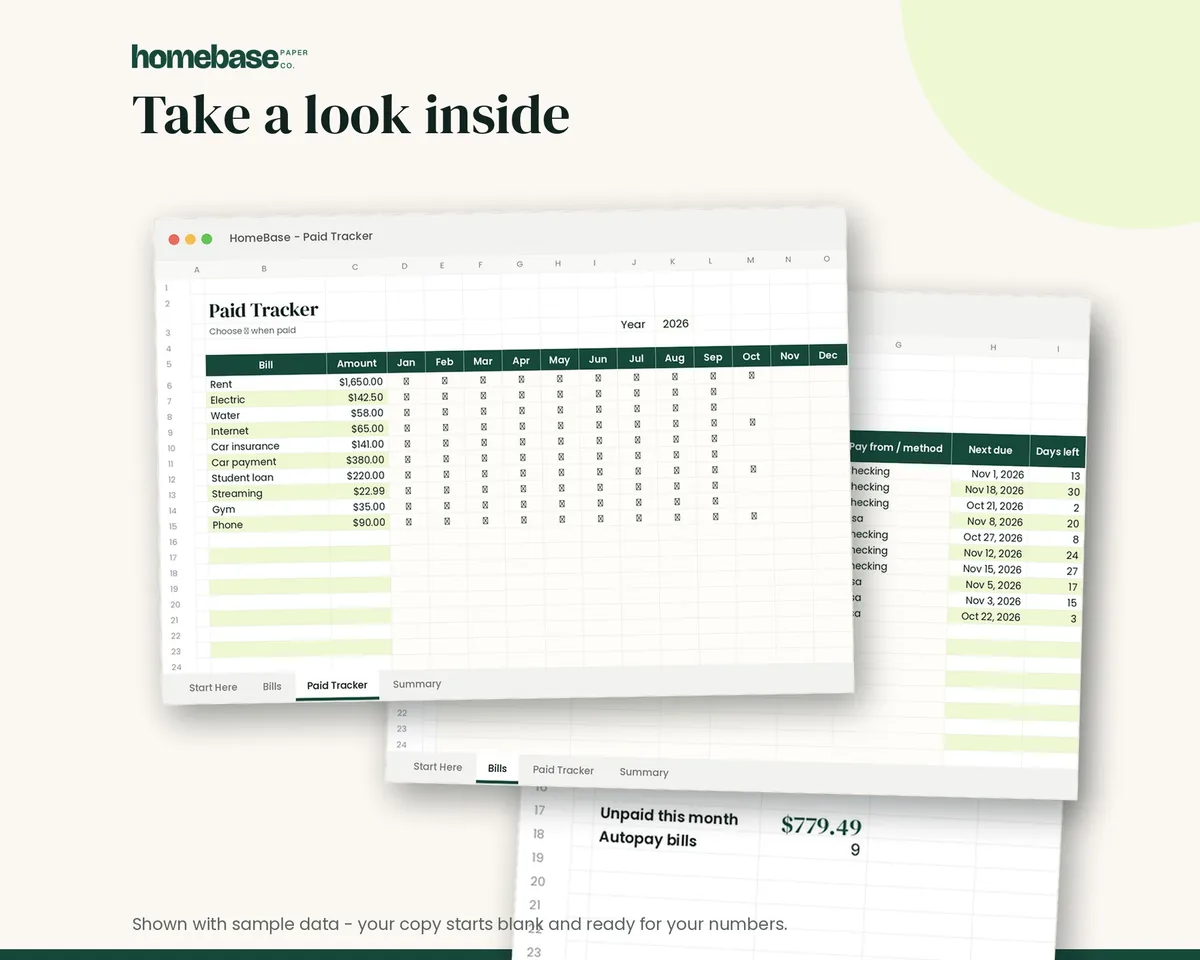
- The Bill Tracker Spreadsheet ($4.99) lists every bill with its amount and due date and flags what's due soon, so your heating bill sits next to everything else.
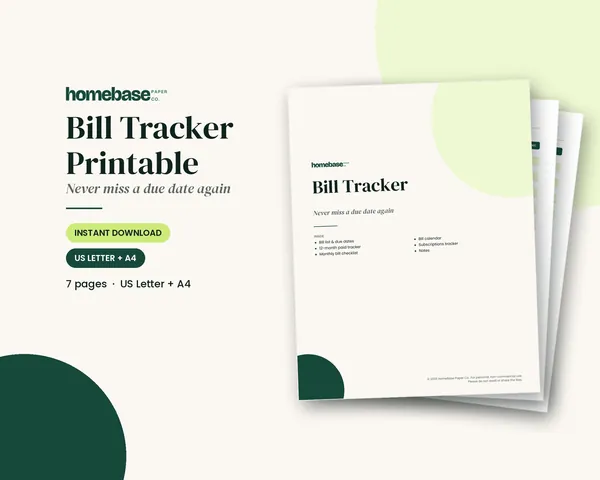
- The Printable Bill Tracker ($3.49) does the same on paper, if you'd rather check boxes on the fridge.
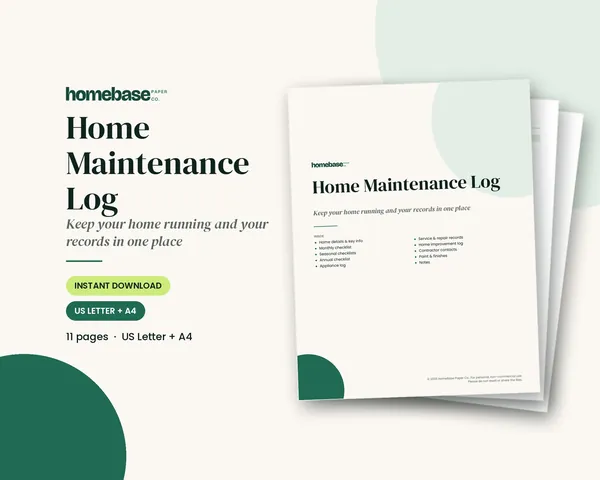
- The Home Maintenance Log ($5.99) keeps track of filter changes and furnace tune-ups, so you know when each one is due.
How much can these changes save?
It depends on your home, your climate and your fuel. A drafty older house with a thermostat set at 72 degrees all day has far more to gain than a newer, well-sealed home that's already set back at night. That's why tracking matters more than any estimate on a blog. Start with the free changes for one full billing cycle, then add one cheap fix at a time, so you can see which ones actually moved your usage.
Heating savings checklist
- Thermostat setback schedule set
- Curtains open by day, closed by night
- Unused rooms closed off
- Doors weather stripped and swept
- Window gaps caulked
- Furnace filter checked this month
- Budget billing requested
- This month's usage logged
For the rest of your monthly bills, our guide to lowering monthly bills walks through phone, internet, insurance and subscriptions, and how to organize bills helps you keep every due date in one place. Before winter, the home maintenance checklist covers the furnace and drafts, and our home organization guides have more.
Make it easier
Tools for this
Spreadsheets
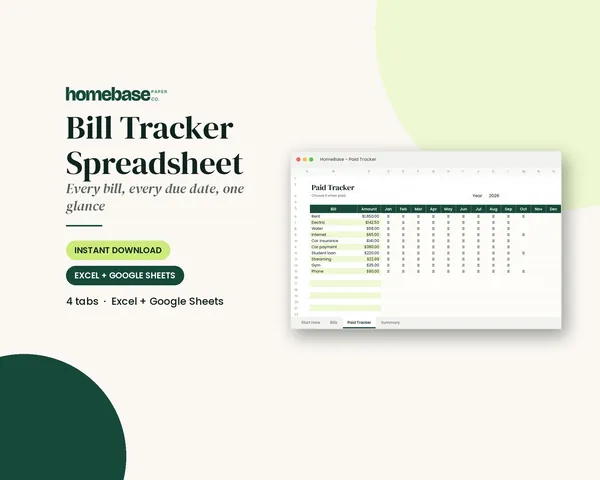
Bill Tracker Spreadsheet
Bills due in 3 days or less light up red, so nothing slips through.
 Starter pick
Printables
Home Maintenance Log
Monthly, seasonal and annual checklists plus a record of every appliance and repair.
Frequently asked questions
What is the fastest way to lower your heating bill? The fastest way to lower your heating bill is to turn the thermostat down while you sleep and while the house is empty. The U.S. Department of Energy says lowering it 7 to 10 degrees for 8 hours a day can save as much as 10% a year on heating bills.
What temperature should I set my thermostat to in winter? Many households set the thermostat around 68 degrees while they're home and awake, then lower it at night and when they're out. Go as low as is comfortable and safe for your family, especially with babies, older adults or anyone with health conditions in the house.
Does sealing drafts really lower heating bills? Sealing drafts does lower heating bills, because warm air leaking out of gaps around doors, windows and attic openings has to be replaced. ENERGY STAR estimates that sealing and insulating can save up to 10% on total annual energy bills.
Is it cheaper to keep the heat at one temperature all day? It's usually cheaper to lower the heat when you're asleep or away than to hold one temperature all day. A house loses heat more slowly when it's cooler inside, so the furnace runs less overall even after it warms the house back up.
Do space heaters save money? Space heaters can save money only if you heat one small room and turn the main heat down for the rest of the house. Running one on top of normal heating raises your bill, and they need careful use: keep them away from anything that can burn and never leave one running unattended.
What is budget billing for heating? Budget billing spreads your yearly energy cost into equal monthly payments, so a cold January doesn't double your bill. It doesn't lower the total, but it makes heating costs predictable, and most utilities offer it for free.
Can I get help paying my heating bill? You can get help paying a heating bill through the federal Low Income Home Energy Assistance Program, known as LIHEAP, if your household qualifies. Many utilities also offer payment plans, hardship programs and winter shutoff protections, so call before a bill becomes past due.
Does closing vents in unused rooms save money? Closing vents in unused rooms usually saves less than people expect and can strain some forced-air systems. Lowering the thermostat and sealing drafts are safer, more reliable ways to lower your heating bill, so check with an HVAC professional before closing many vents.
How much does a furnace filter affect heating costs? A clogged furnace filter makes your system work harder to push air through, which can raise heating costs and wear out parts sooner. Checking the filter monthly in winter and replacing it when it looks dirty is one of the cheapest ways to keep heating efficient.
How do I know if my heating changes are working? To know if heating changes are working, compare each month's energy use, not just the bill, with the same month last year. A bill tracker that logs the usage, amount and due date for each month makes the comparison quick.
More from HomeBase
You may also like

Printables
Household Binder
Family info, emergency plan, calendars, meals, groceries, cleaning, bills and sitter notes.
Printables
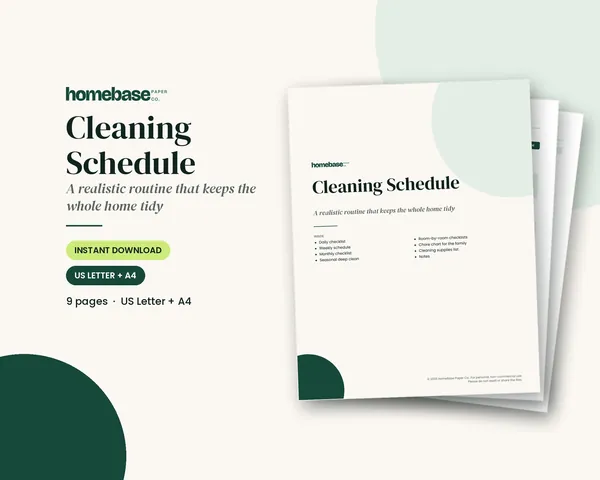
Cleaning Schedule
Daily, weekly, monthly and seasonal lists - plus a family chore chart.
Printables
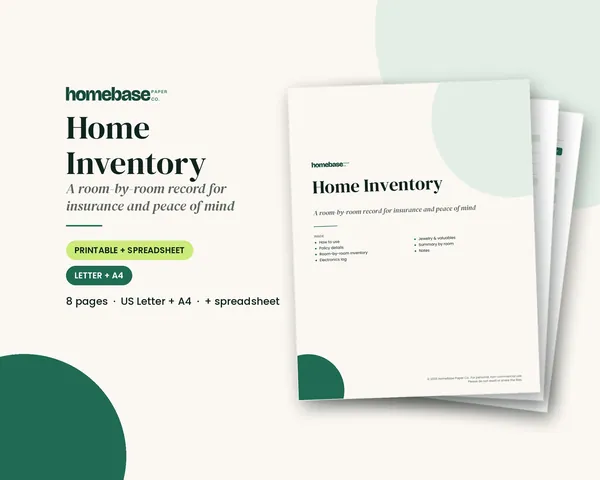
Home Inventory
Printable pages and a spreadsheet that totals the value of every room.
 Save 48%
Bundles
Home Management Bundle
Household binder, maintenance log, moving planner, cleaning schedule, home inventory and password log.
 Club
Monthly club
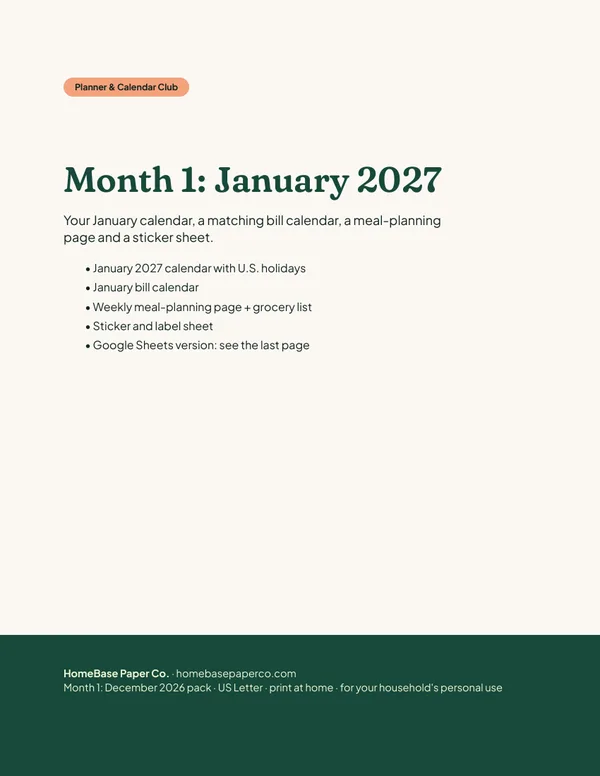
Planner & Calendar Club
Anyone who wants a monthly calendar, bill calendar and meal plan ready to print.
Free printable
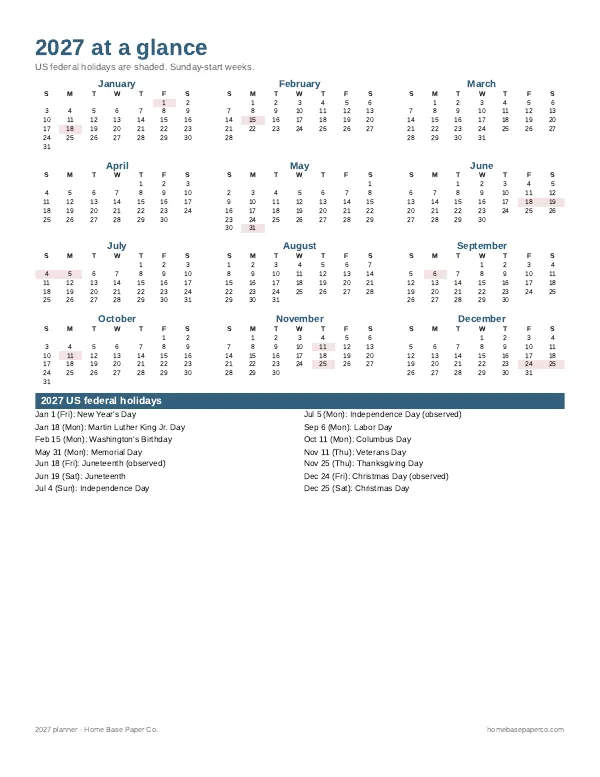
Get organized for the new year: get the free 2027 planner
A 16-page printable 2027 planner with a year-at-a-glance page and monthly calendars with US holidays marked. You'll also get our weekly HomeBase email with simple planning and home organization tips.
Sources
- Six simple steps to save energy and money this winter (U.S. Department of Energy) energy.gov
- Seal and insulate with ENERGY STAR energystar.gov
- Winter Fuels Outlook (U.S. Energy Information Administration) eia.gov
- Low Income Home Energy Assistance Program (Administration for Children and Families) acf.gov