
 The Holiday Collection

The short answer: how to stop impulse buying: add a pause between wanting and buying. Wait 48 hours on anything unplanned, shop only from a written list and give yourself a fixed amount of fun money each month.
- Remove the triggers: saved cards and sale emails
- Delete shopping apps if stress or boredom leads to late-night scrolling
- Holidays: set one total for the season and a gift limit per person
- 30-day reset below
- Next step: Plan it with the Christmas Budget & Gift Planner ($4.99).
Here's how to stop impulse buying: add a pause between wanting and buying. Wait 48 hours on anything unplanned, shop only from a written list, and give yourself a fixed amount of fun money each month. Then remove the triggers, like saved cards and sale emails. The holidays make impulse buys more likely, so these habits matter most from November to January.
Below are the habits that help most, a holiday plan, and how to track spending without making it feel like a punishment. For the bigger picture, see how to stick to a budget.
Why we impulse spend
Most impulse buys aren't about the item. They come from triggers: boredom, stress, a countdown timer, a notification, or wanting to feel generous at Christmas. Knowing your triggers is the first step.
| Trigger | What it looks like | Counter-move |
|---|---|---|
| Sale emails and texts | "48 hours only" in your inbox | Unsubscribe in November |
| Saved card details | One-tap checkout | Remove saved cards |
| Stress or boredom | Late-night scrolling | Delete shopping apps from your phone |
| Gift guilt | "Just one more thing" for someone | Set a limit per person |
| Free-shipping thresholds | Adding items to hit the minimum | Pay shipping or wait |
Seven habits that work
- Use the 48-hour rule. Add it to your cart or a list and wait two days. If you still want it, and it fits your budget, buy it.
- Shop only from a list. Write it before you open a store or app.
- Give yourself fun money. A set monthly amount for anything you like, no guilt.
- Unsubscribe from sale emails. Fewer prompts, fewer purchases.
- Remove saved cards. Typing your card number is a natural pause.
- Use cash for a category. Holiday gifts or eating out from an envelope.
- Track every purchase. Write it down the same day.
A holiday plan against impulse buys
Holiday spending is many small purchases that are each easy to justify. A plan keeps them visible.
- Set one total for the season before November.
- Give every person a gift limit and write it next to their name.
- Decide on extras in advance: wrapping, cards, stockings, food and outings.
- Keep a running total you can see at a glance.
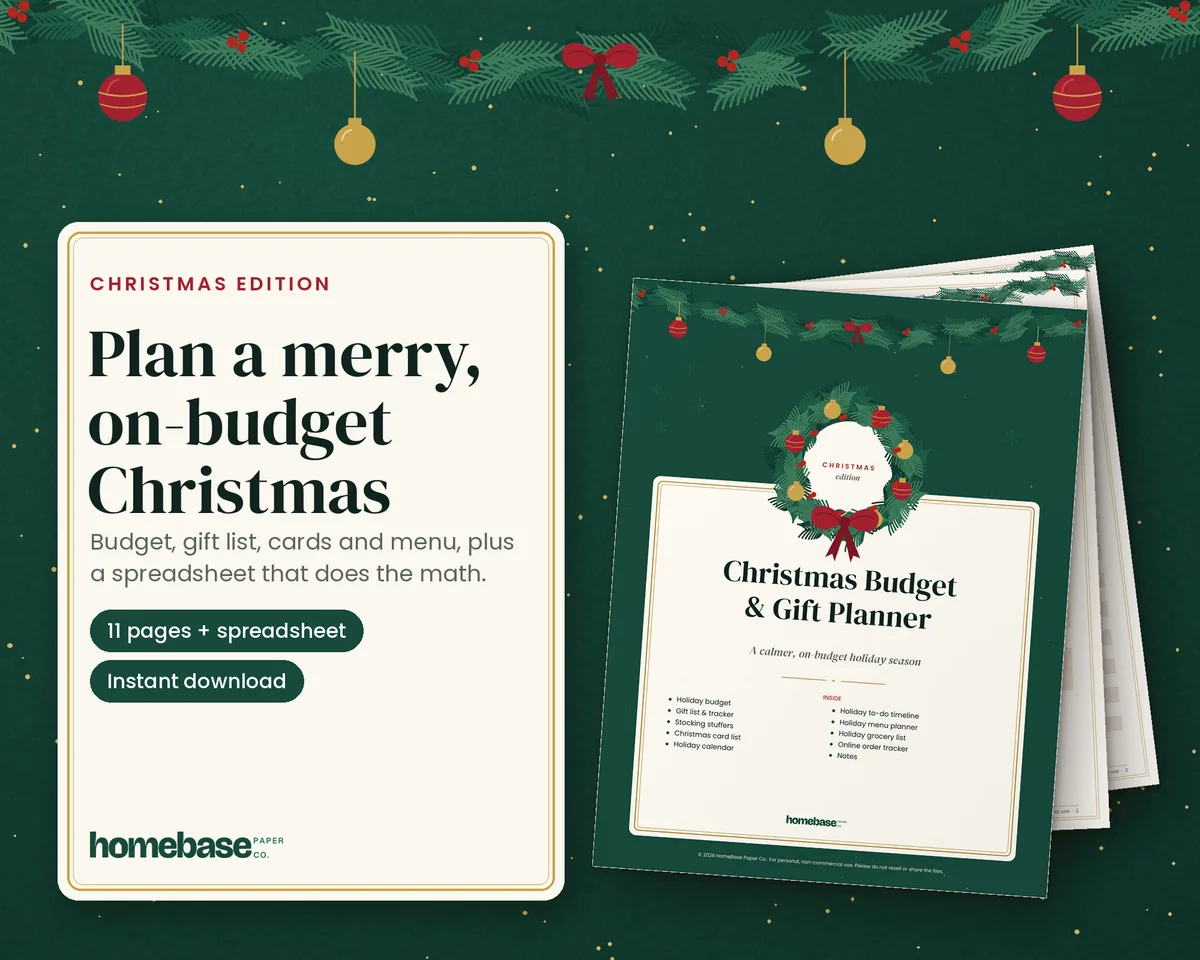
Our Christmas Budget & Gift Planner ($4.99) has a gift list with a limit for each person and a spreadsheet that shows what's spent and what's left. Seeing "left to spend" before you buy is one of the simplest impulse brakes there is.
For the season total itself, see our guide to building a Christmas budget.
Make tracking feel easy
Tracking doesn't have to be detailed. Write each purchase with the amount and category. At the end of the week, look for patterns: a time of day, a store or an app. That's where to put your next rule.
If you like paper, the Budget Planner Printable ($5.99) has an undated spending log and monthly budget pages. If you prefer a spreadsheet, the Zero-Based Budget Spreadsheet ($6.99) gives every dollar a job, including fun money.
Replace the habit
Impulse buying often fills a gap. Replace it with something that meets the same need:
- Bored? Walk, call a friend, or start a library hold list instead of a cart.
- Stressed? Make a cup of tea before opening a shopping app.
- Want a treat? Use your fun money on purpose, and enjoy it.
- Want to save? Try a visual challenge like the 100 Envelope Savings Challenge ($3.99), where you see progress fill up.
When you slip
Everyone buys something they didn't plan. Don't let one slip end the plan. Return it if you can, note what triggered it, and add one small rule for next time. Progress, not perfection.
It also helps to look back at the month as a whole. If most purchases were planned and one wasn't, that's a good month. Celebrate the money you kept, not just the one you spent.
Talk about it at home
If you share money with a partner, agree on a threshold for purchases that need a quick check-in, such as anything over $100. It isn't about permission; it's about avoiding surprises. Many couples pair this with a personal fun-money amount each, so small purchases never need discussion.
Online shopping guardrails
Most impulse spending now happens on phones. A few settings make a big difference:
- Turn off shopping app notifications. Sales alerts are designed to interrupt you.
- Log out of shopping sites. Logging back in adds a pause.
- Clear carts weekly. Items sitting in a cart feel half-bought; clearing them resets the urge.
- Avoid "buy now, pay later" for wants. Splitting a price into small payments makes it feel smaller than it is.
The FTC's online shopping guide suggests checking delivery, return and refund terms before you pay, which also gives you a natural pause before you buy.
Teach the habit to kids
Kids learn spending habits by watching. Let them see you check a list before buying or say "let's wait a couple of days." Give children a small allowance with a spend, save and share jar, so they practise waiting for something they want. The holiday season is a natural time to talk about wants versus needs.
The CFPB's Money as You Grow has age-based activities and conversation starters about money choices for kids.
A 30-day reset
If spending feels out of control, try a 30-day reset in January. Pay for needs only, use your fun money for one planned treat a week, and keep a list of everything you wanted but didn't buy. At the end of the month, look at the list. Most people find they no longer want most of it, and that the money is now in savings instead.
See also: how to tell if Black Friday deals are real, planning one budget for the whole sale weekend, no-spend January challenge, what not to buy on Black Friday and Christmas on a tight budget.
Overspending all year, not just in the moment? Our guide on how to stop spending money starts with a 30-day spending audit and a weekly spending number.

The Holiday Collection
Give every person a limit and watch what's left
The Christmas Budget & Gift Planner adds up every list for you: a budget for each person, a log of each purchase and the amount left to spend, plus printable gift, card, menu and to-do pages.
- Spreadsheet for Excel and Google Sheets
- 11 printable pages, US Letter + A4
- Instant download, 14-day fix-or-refund promise
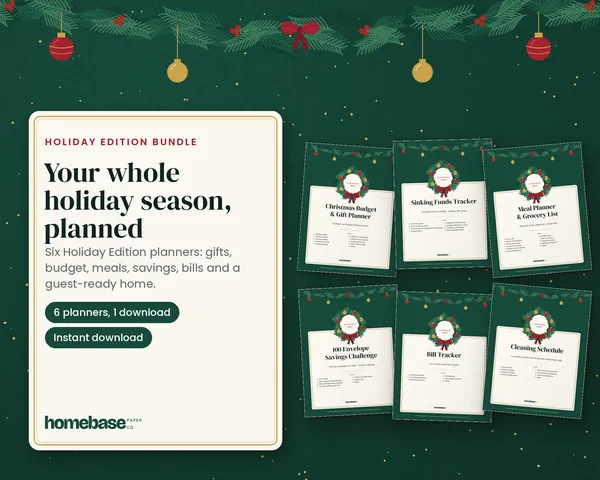
Planning the whole season? See the holiday sets from $7, with early prices through Cyber Monday
Make it easier
Tools for this
Printables
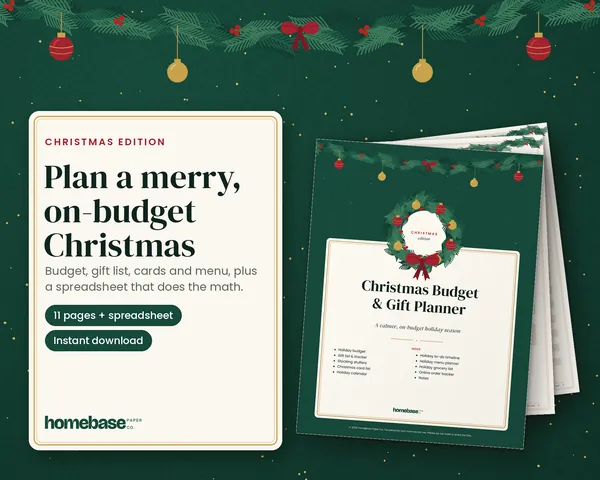
Christmas Budget & Gift Planner
Set a budget for every person, log each purchase, and watch what's left - plus printable gift, card, menu and to-do pages.
Spreadsheets
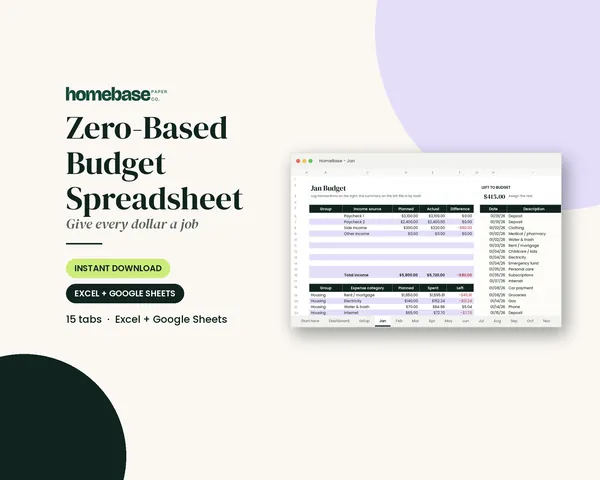
Zero-Based Budget Spreadsheet
The 'Left to budget' counter turns green when every dollar has a job.
Printables
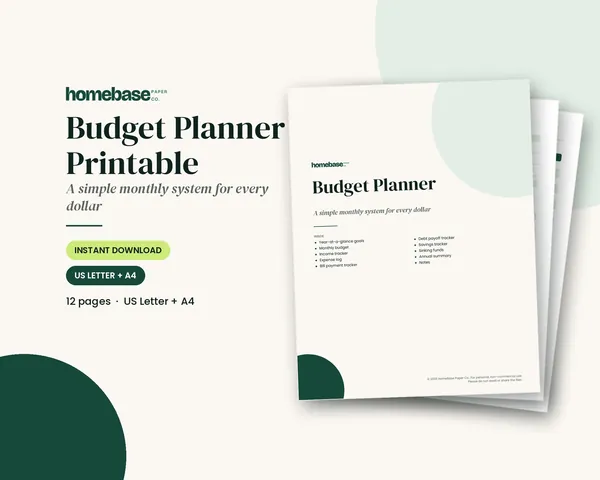
Budget Planner Printable
Twelve undated pages you can print every month: budget, bills, spending, savings and debt.
Frequently asked questions
What is the fastest way to stop impulse spending? The fastest way to stop impulse spending is a waiting rule. Put anything unplanned in your cart or on a list and wait 48 hours. Many impulse wants fade within a day or two, and you keep only the purchases you still want.
Why do I impulse spend more at Christmas? The holidays combine sales pressure, gift guilt, stress and many small purchases. Countdown timers and 'limited time' deals are designed to make quick decisions feel urgent.
Should I give myself a fun-money budget? Yes, a fun-money budget helps stop impulse spending. A set amount of guilt-free spending each month makes it easier to say no to unplanned purchases, because you know you have money set aside for treats.
Does paying with cash help reduce impulse spending? For many people it does, because handing over cash feels more real than tapping a card. A cash envelope for holiday spending is a simple way to see what's left.
More from HomeBase
You may also like
Spreadsheets
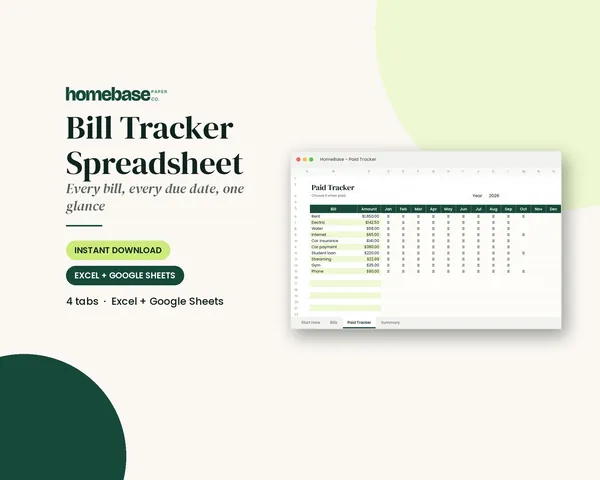
Bill Tracker Spreadsheet
Bills due in 3 days or less light up red, so nothing slips through.
Spreadsheets
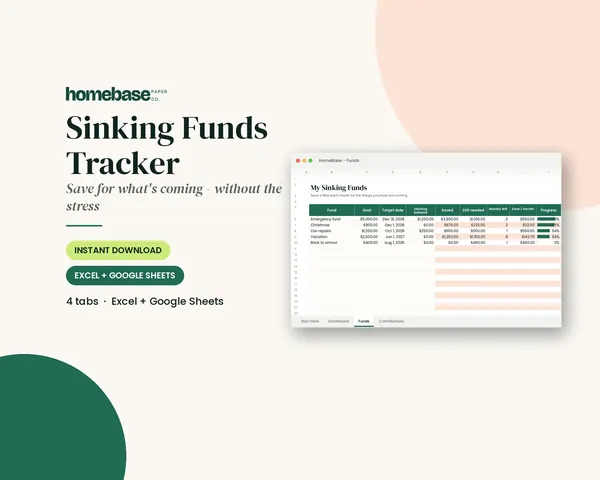
Sinking Funds Tracker
It does the math: how much to set aside each month to hit every goal on time.
Spreadsheets
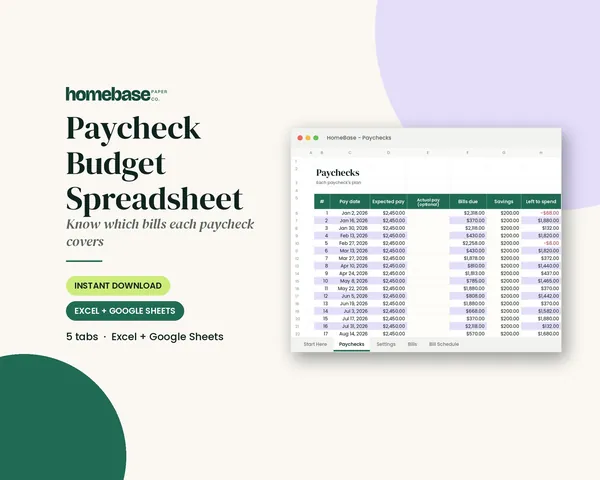
Paycheck Budget Spreadsheet
Enter your bills once. The sheet tells you which paycheck pays each one, all year.
 Save 57%
Bundles
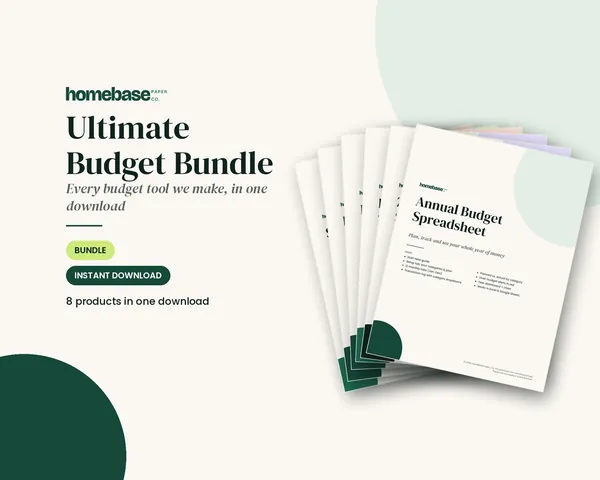
Ultimate Budget Bundle
All 6 spreadsheets + both printable planners - for less than half the price of buying them separately.
 Club
Monthly club
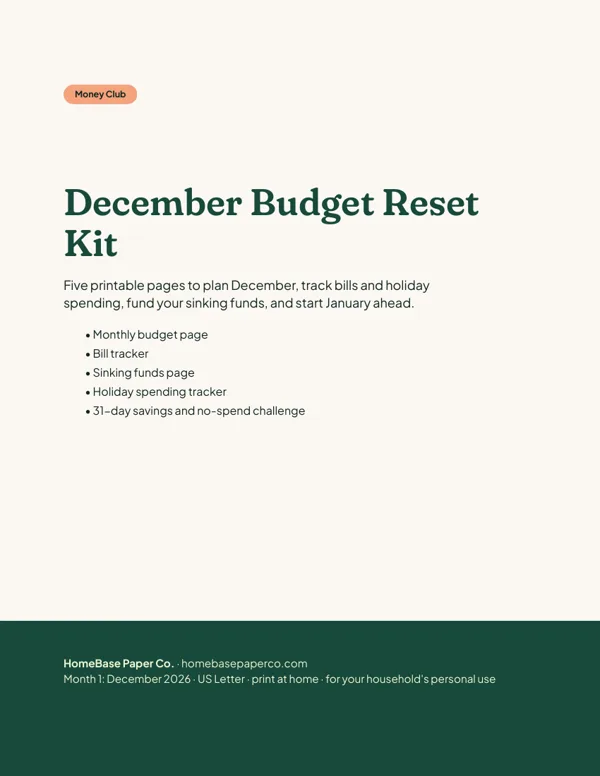
Money Club
Anyone who wants a clear plan for the month's bills, holiday spending and savings.
Free printable
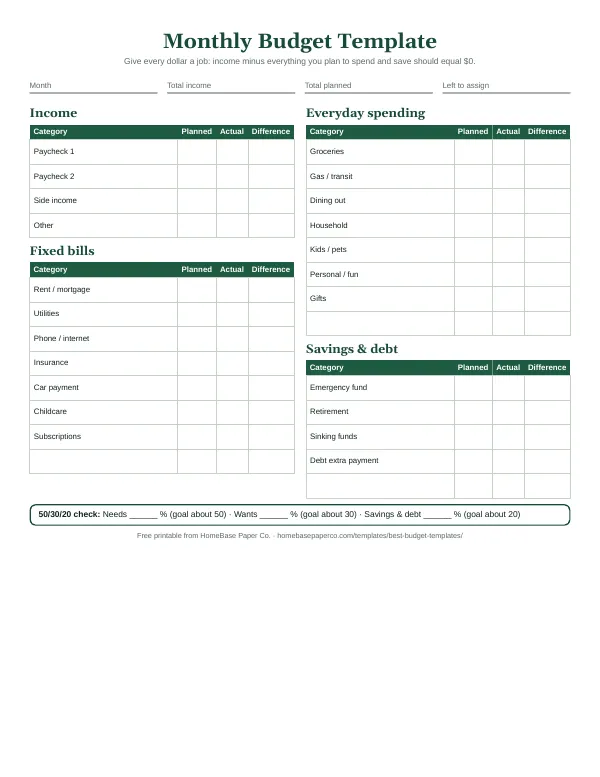
Give every dollar a job: get the free monthly budget template
A printable zero-based monthly budget: income, bills, everyday spending and savings on one page, with a planned vs. actual column. You'll also get our weekly HomeBase email with simple budgeting and bill-paying tips.
Sources
- Online shopping guide consumer.ftc.gov
- Money as You Grow consumerfinance.gov