
 The Holiday Collection

The short answer: Black Friday vs Cyber Monday matters less than it used to, since many stores run one long sale from early November. The better day is the one when the item on your list hits your target price.
- 2026 dates: Black Friday is Fri, Nov 27, and Cyber Monday is Mon, Nov 30
- Black Friday: doorbusters and big-ticket items, in store and online
- Cyber Monday: online-only offers and smaller items
- Weekend plan: write your list in early November, check normal prices mid-November and keep one budget for the whole weekend
- Free tool: set one budget for the whole weekend with the free holiday budget calculator
- Next step: Plan it with the Christmas Budget & Gift Planner ($4.99).
Black Friday vs Cyber Monday matters less than it used to: many stores now run one long sale from early November through Cyber Monday. Black Friday is still known for doorbusters and big-ticket items, while Cyber Monday is known for online deals and smaller retailers. The better day is the one when the item on your list hits your target price.
In 2026, Black Friday is Friday, November 27 and Cyber Monday is Monday, November 30. Below is how the two days usually compare, a weekend plan, and how to keep the whole weekend inside one budget.
How the two days compare
These are general patterns. Individual stores and products vary, so track prices on the items you actually want.
| Black Friday | Cyber Monday | |
|---|---|---|
| Date in 2026 | Fri, Nov 27 | Mon, Nov 30 |
| Known for | Doorbusters, big-ticket items | Online-only offers |
| Where | In store and online | Mostly online |
| Stock risk | Limited doorbuster quantities | Online sell-outs on popular items |
| Best for | Planned large purchases | Smaller items, online shops |
Which holiday sales are better: Black Friday or Cyber Monday?
Neither is better across the board. Black Friday is usually the stronger day for planned big-ticket purchases and in-store doorbusters, while Cyber Monday is usually better for smaller items and online-only shops. Compared directly, Cyber Monday is the more convenient day and Black Friday has the more limited-quantity deals. For any single item, the better day is the one when it hits the target price you set before the weekend, which is why tracking a few items beats picking a day.
What tends to be good on each day
Black Friday has traditionally been strong for large electronics, appliances and toys, because retailers use them to bring shoppers in. Doorbuster quantities are often limited.
Cyber Monday has traditionally been strong for online retailers, smaller brands and digital products. Some shops save their own best offers for Monday.
For both days, check that sale items are the same models sold the rest of the year. Our guide on how to tell if Black Friday deals are real has seven quick checks.
Which should you shop: quick picks by item type
| What you're buying | Usually start with | Why |
|---|---|---|
| TV, laptop or appliance on your list | Black Friday | Retailers use big-ticket doorbusters to bring shoppers in |
| Toys and kids' gifts | Black Friday, then check Monday | Popular items can sell out, so buy early at target price |
| Small gifts and stocking stuffers | Cyber Monday | Online shops and smaller brands often run Monday offers |
| Digital products and subscriptions | Cyber Monday | Online-only offers are common |
| Anything you can't find at target price | Either, plus the days between | Many stores run one long sale through Cyber Monday |
The rule that beats both days: buy when the price hits the target you wrote down in early November, then stop. Pairing the sale weekend with a Black Friday budget keeps one cap across all four days.
A weekend plan that works
- Early November: write your list. Each item, who it's for and a target price.
- Mid November: check normal prices. Note what each item sells for now.
- Thanksgiving week: watch early sales. Many stores start before Friday.
- Black Friday: buy big planned items if they hit your target.
- Saturday and Sunday: rest. Small Business Saturday is a good day for local gifts.
- Cyber Monday: buy the rest online at or below target.
- Tuesday: total it up. Compare spending to your cap.
Keep the list on your phone and on paper. When a tempting deal pops up that isn't on it, add it to a "maybe" column and decide on Tuesday. Most maybes don't survive the wait.
One budget for the whole weekend
The biggest risk isn't missing a deal. It's spending more than planned across four days of sales. Set one cap for the weekend before it starts, and keep a running total.
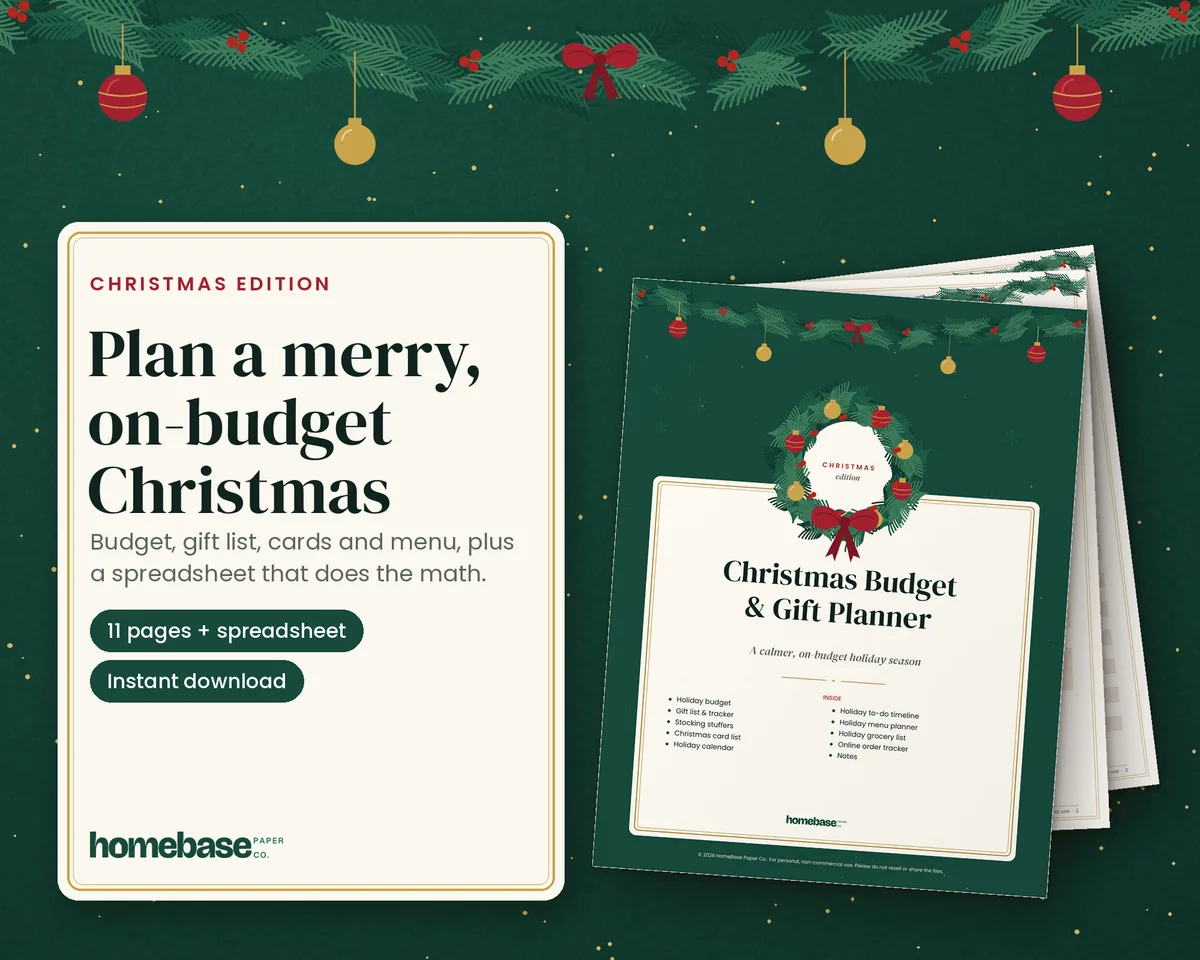
Our Christmas Budget & Gift Planner ($4.99) has a gift list with a limit per person and a spreadsheet that totals what you've spent and what's left. Log each order the day you buy it, and you'll know exactly where you stand on Tuesday morning.
Not sure what your cap should be? Start with our guide to making a Christmas budget.
Small Business Saturday and local shops
The Saturday after Thanksgiving is a good day to shop small. Local stores often have unique gifts and personal service. Prices may not beat big retailers, but you're buying something with a story, and many local shops offer free gift wrap.
Should you wait for Cyber Monday?
If something on your list is at your target price on Black Friday, buy it. Waiting risks a sell-out for a saving that may not come. Many large stores also offer a price adjustment if the price drops within a set window, so read the policy. If you're unsure, check the return terms and buy, knowing you can return it if needed.
Be wary of a "was" price you've never seen. The FTC's pricing guides say a former price is a legitimate comparison only if the item was actually offered at that price for a reasonably substantial period of time.
Our Black Friday sale
Our holiday planner sets go on sale for Black Friday. Email subscribers hear about it first, and the offers page has the details once the sale opens. Our everyday Holiday Season Bundle ($15.99) covers the Christmas budget, savings and hosting planners.
Shopping online safely over the weekend
Sales move fast, so slow down at checkout. Type store addresses yourself rather than clicking links in texts or social media ads. Pay with a credit card or a trusted payment service, which usually offers stronger protection than a debit card. Be wary of sites you've never heard of offering popular items far below every other store. Check your card statements the week after, and report anything you don't recognize straight away.
The FTC's online shopping guide recommends paying by credit card when you can, because it gives you more protection if an order goes wrong, and checking each seller's refund policy before you buy.
Returns after the sales
Holiday return windows often run into January, but not always. Write the last return date for each order on your list. Keep packaging until you're sure you're keeping an item. If something arrives damaged or isn't as described, contact the store quickly; many give you a short window to report it. For gifts, ask for a gift receipt so the recipient can exchange without you.
Gift cards and store credit
Some stores add a bonus gift card when you spend a set amount over the weekend. These can be useful if you shop there anyway, but check the dates; many bonus cards can only be used in January. Count the bonus as a coupon for later, not as money saved now.
Under federal law, a gift card generally can't be sold with an expiration date less than five years out, according to the CFPB's gift card guide. Your state may add more protections.
Plan January before December ends
Big shopping weekends can leave the January budget tight. Before the sales, decide how much will come from savings and how much from your regular budget. A Zero-Based Budget Spreadsheet ($6.99) helps you give every dollar a job, including any holiday catch-up in January.
See also: Black Friday shopping list, how much to spend on Christmas gifts, Black Friday budget and how to stop impulse buying.

The Holiday Collection
Give every person a limit and watch what's left
The Christmas Budget & Gift Planner adds up every list for you: a budget for each person, a log of each purchase and the amount left to spend, plus printable gift, card, menu and to-do pages.
- Spreadsheet for Excel and Google Sheets
- 11 printable pages, US Letter + A4
- Instant download, 14-day fix-or-refund promise
Planning the whole season? See the holiday sets from $7, with early prices through Cyber Monday
Make it easier
Tools for this
Printables
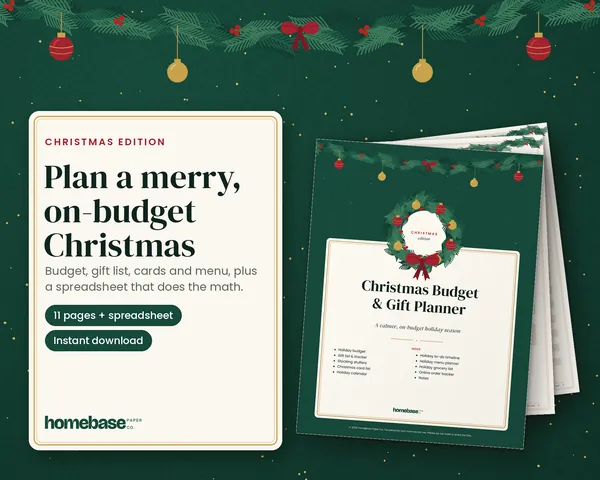
Christmas Budget & Gift Planner
Set a budget for every person, log each purchase, and watch what's left - plus printable gift, card, menu and to-do pages.
 Save 38%
Bundles
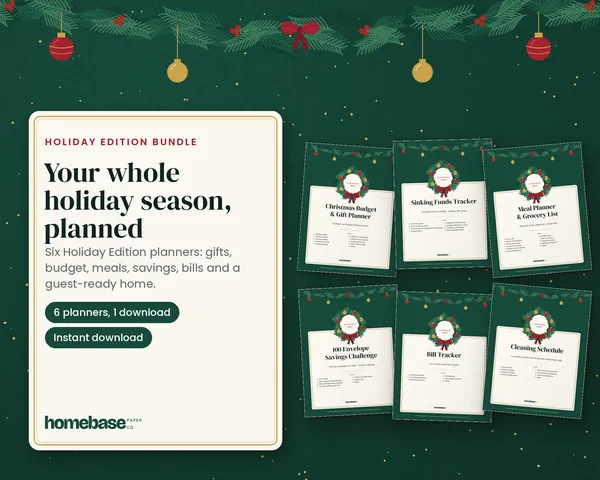
Holiday Season Bundle
Plan Christmas, save for it all year, and host without the January money hangover.
Spreadsheets
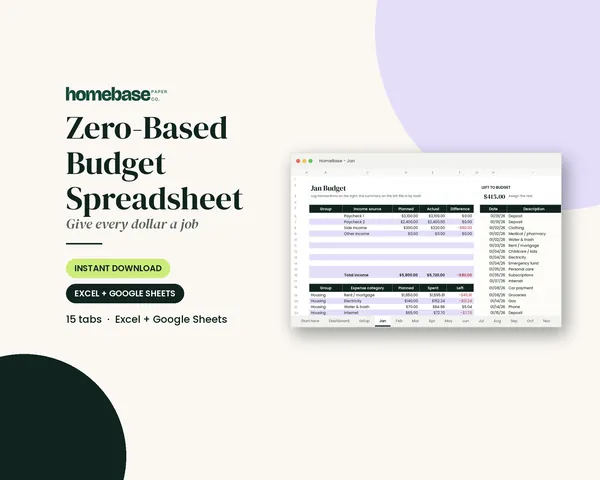
Zero-Based Budget Spreadsheet
The 'Left to budget' counter turns green when every dollar has a job.
Frequently asked questions
Is Black Friday or Cyber Monday better? Neither is better for everything: Black Friday is usually better for in-store doorbusters and big-ticket electronics, and Cyber Monday is usually better for online deals. That's how the two days have historically been known, though many stores now run the same sale across both days, so compare your list's prices on each.
Which holiday sales are better: Cyber Monday or Black Friday? Neither wins every category: Black Friday has historically been better for big-ticket items and in-store doorbusters, and Cyber Monday for online deals and smaller gifts. In 2026 they fall on Friday, November 27 and Monday, November 30, so set your target prices first and buy whichever day an item hits one.
When are Black Friday and Cyber Monday in 2026? Black Friday 2026 is Friday, November 27, the day after Thanksgiving. Cyber Monday is Monday, November 30. Many retailers start sales earlier in November.
Do prices drop more on Cyber Monday? Prices don't always drop more on Cyber Monday. Some items are cheaper on Black Friday and stay the same on Monday, while some online-only stores save their best offers for Cyber Monday. Track the items on your list across both days.
Should I wait for Cyber Monday if I see a deal on Black Friday? No, don't wait if it's on your list, at or below your target price and in stock: buy it on Black Friday. Popular items can sell out, and many stores offer price adjustments if the price drops within a set window, so you rarely lose by buying a good price early.
What is the difference between Black Friday and Cyber Monday? The difference is mostly where and what: Black Friday is the Friday after Thanksgiving and is known for in-store doorbusters and big-ticket items, while Cyber Monday is the following Monday and is known for online-only offers. Many retailers now run sales across both days, so prices matter more than the label.
More from HomeBase
You may also like
 Thanksgiving Edition
Printables
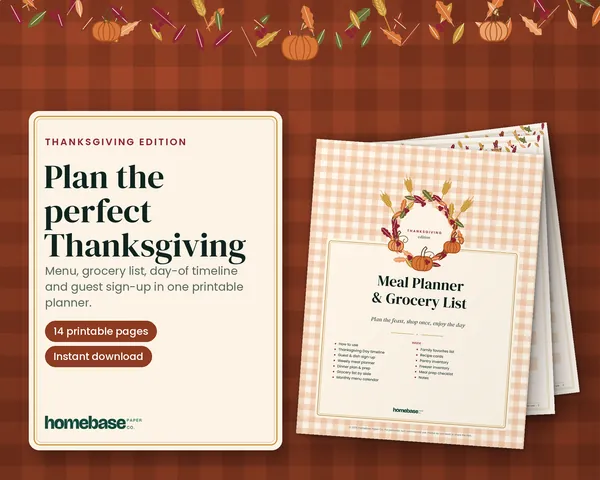
Meal Planner & Grocery List: Thanksgiving Edition
Plan the perfect Thanksgiving: our meal planner in a warm harvest design, with a Thanksgiving Day timeline, a guest & dish sign-up, an aisle-sorted grocery list and pantry and freezer trackers.
Spreadsheets
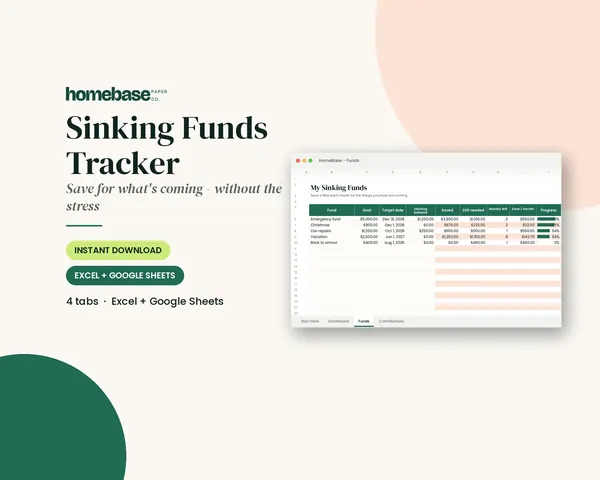
Sinking Funds Tracker
It does the math: how much to set aside each month to hit every goal on time.
 Starter pick
Printables
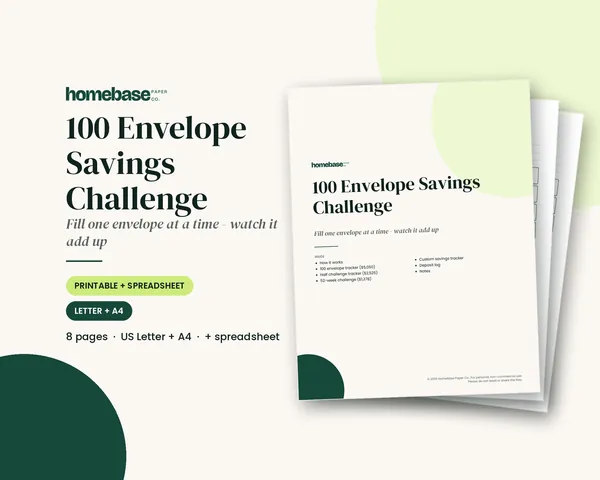
100 Envelope Savings Challenge
Classic, half and 52-week challenges to print, plus a spreadsheet that tracks every envelope and tells you how much to save each week.
Printables
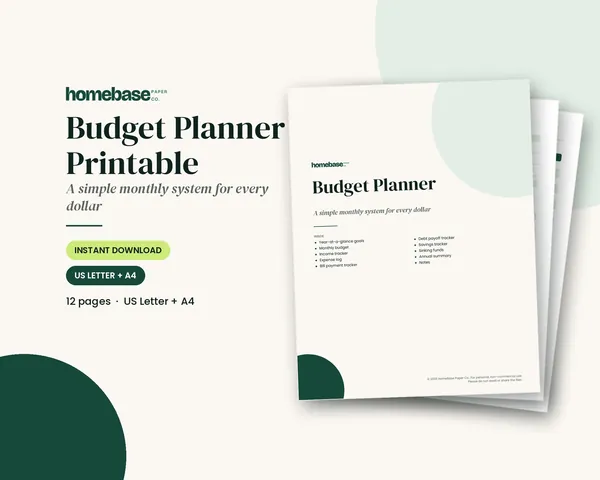
Budget Planner Printable
Twelve undated pages you can print every month: budget, bills, spending, savings and debt.
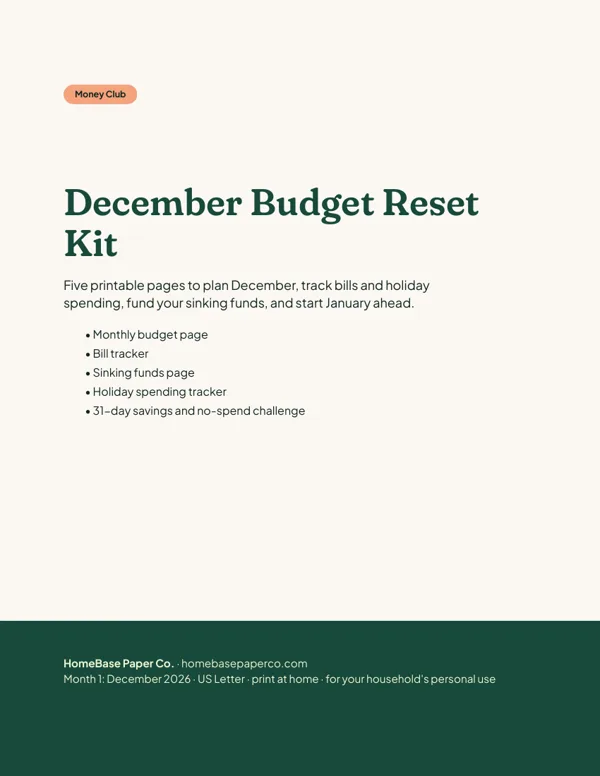 Club
Monthly club
Money Club
Anyone who wants a clear plan for the month's bills, holiday spending and savings.
Free printable
Get the free Holiday Budget Starter Kit
A one-page holiday budget, a gift list with a spending limit for every person, and a 6-week countdown so December stays calm and paid for. You'll also get our weekly HomeBase email with simple holiday planning, budgeting and hosting tips.

Sources
- Pricing guides ecfr.gov
- Online shopping guide consumer.ftc.gov
- CFPB's gift card guide consumerfinance.gov