


The short answer: most medical debt comes from an emergency, a diagnosis or an insurance surprise, and medical bills are more negotiable than almost any other debt.
- Check every bill: ask for an itemized bill and look for errors
- Ask for financial assistance
- Negotiate a lower amount or an interest-free payment plan
- Handle collections and build a payoff plan
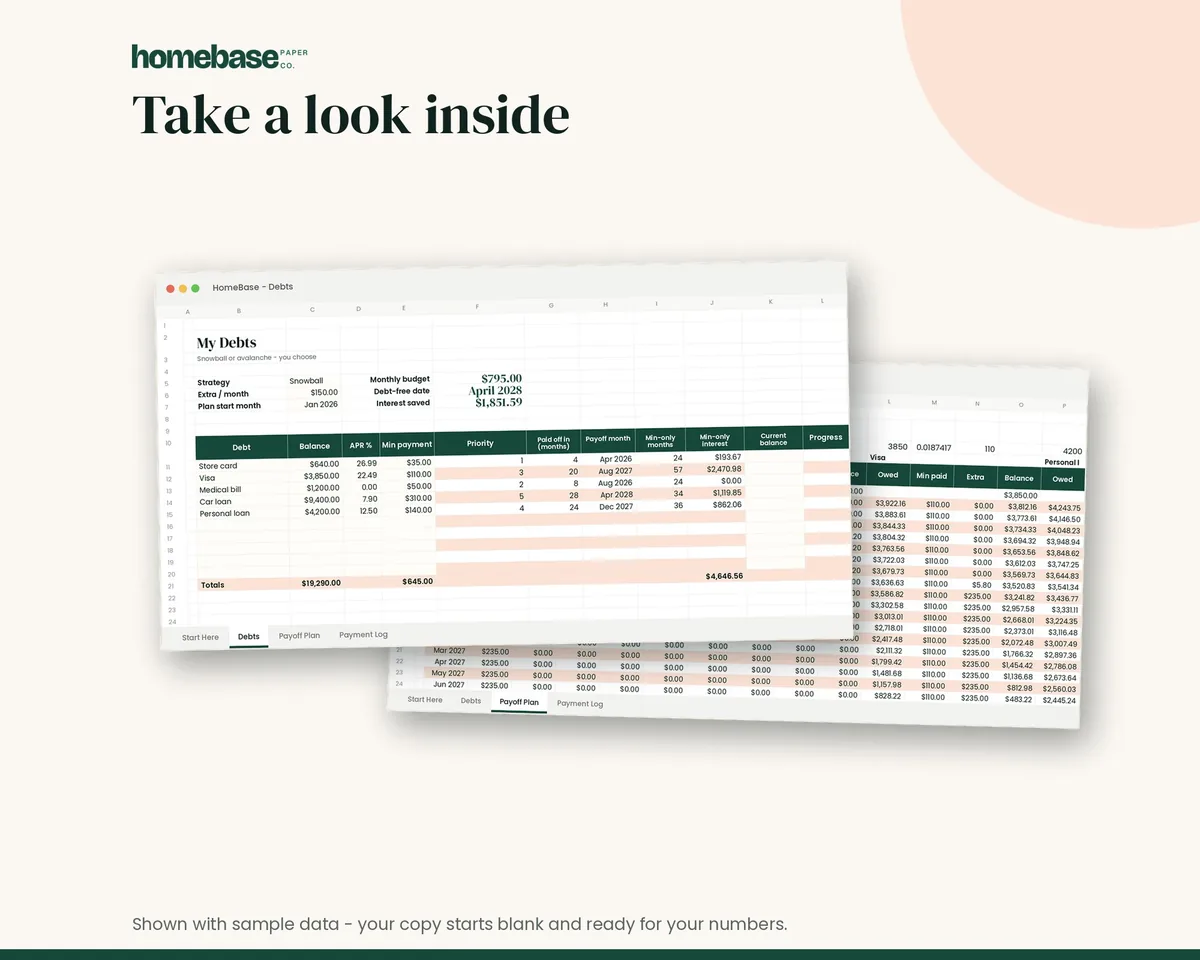
- Next step: Plan it with the Debt Payoff Planner ($6.99).
Most medical debt isn't the result of overspending. It comes from an emergency, a diagnosis or an insurance surprise, and it often arrives as a pile of confusing bills at the worst possible time. The good news is that medical bills are more negotiable than almost any other debt. This guide walks you through checking every bill, asking for financial assistance, negotiating a lower amount or a payment plan, dealing with collectors and credit reports, and fitting what's left into a realistic payoff plan.
This page is general information, not legal or financial advice. Rules vary by state, so check with your state's consumer protection office or a legal aid organization if you're being sued.
Step 1: Gather and check every medical bill
- Collect everything. Bills, insurance explanations of benefits (EOBs), receipts and letters in one folder. Our guide on how to organize medical records shows a simple filing system.
- Wait for the EOB. Don't pay a provider until your insurer has processed the claim and you know what it says you owe.
- Ask for an itemized bill. A summary bill hides details; an itemized one lists every charge and code.
- Look for errors. Duplicate charges, services you didn't get, the wrong dates, or charges insurance should have covered.
- Appeal denials. If insurance denied a claim, ask why and file an appeal. Many denials are reversed.
Step 2: Ask for financial assistance
Nonprofit hospitals in the U.S. must have a written policy for free or discounted care. The IRS explains these financial assistance policies, which have to describe who qualifies and how to apply. Income limits are often higher than people expect, and some hospitals can apply assistance to bills you already owe. Ask the billing office for a financial assistance or charity care application, fill it out completely and keep a copy. Many clinics, labs and for-profit hospitals have similar programs, so ask everywhere you owe money.
Step 3: Know your rights on surprise bills
The federal No Surprises Act protects many patients from surprise bills for most emergency care and for some out-of-network care at in-network hospitals. If you're uninsured or paying yourself, you have the right to a good faith estimate before scheduled care, and you can dispute a bill that comes in far higher than the estimate. If a bill looks like a surprise bill, call the number on the CMS site before paying.
Step 4: Negotiate the bill or a payment plan
| Option | How to ask | Good for |
|---|---|---|
| Error correction | "Please send an itemized bill and correct these charges." | Every bill |
| Financial assistance | "Can I apply for your financial assistance program?" | Lower or irregular income |
| Self-pay or prompt-pay discount | "What discount do you offer if I pay today?" | Uninsured or high deductible |
| Lump-sum settlement | "I can pay $X now to settle this in full." | Savings available, big balance |
| Interest-free payment plan | "Can I pay $X a month with no interest?" | Steady income, tight budget |
Always ask for any agreement in writing, and keep notes of every call: the date, the person's name and what they said. A provider's own interest-free payment plan is usually better than putting medical debt on a credit card or a medical credit card that may charge deferred interest.
Step 5: Handle collections and your credit report
If a bill goes to collections, you still have options. The CFPB's debt collection guide explains how to ask a collector to validate a debt, how to dispute it and what collectors can't do, like harassing you or lying about what you owe. Check that the amount matches what the provider says, and that insurance and financial assistance were applied first.
If you paid a bill late once and the account is now current, a goodwill letter to the creditor may help. Our guide has a template you can adapt.
If a medical bill is sent to collections, you can dispute it with a debt validation letter. Our guide has a sample letter and a free PDF.
Credit reporting rules for medical debt have changed too. The three national credit bureaus say they no longer report paid medical collections or medical collections under $500, and they wait a year before adding unpaid ones. Some states go further. Get your free credit reports and dispute any medical debt that is wrong or already paid.
Step 6: Build a payoff plan you can keep
- List every medical debt with the balance, monthly payment, interest rate (often 0%) and due date.
- Protect your essentials first. Housing, utilities, food and transportation come before unsecured debts.
- Pay interest-charging debt first if you used a credit card; interest-free plans can wait at their minimum.
- Use a method. Compare debt snowball vs avalanche and run the numbers in our debt payoff calculator.
- Build a small buffer. An emergency fund tracker helps you save for the next deductible.
If medical bills are one of several debts, our guide on how to get out of debt covers the bigger picture. A nonprofit credit counseling agency can also help you review your budget and debts for free or at low cost. For the full range of options, from counseling to settlement and bankruptcy, see our debt relief guide.
Prevent the next medical bill surprise
Before planned care, check that the provider and facility are in your network, ask for a cost estimate and confirm whether prior authorization is needed. Know your deductible and out-of-pocket maximum for the year. Keep a running list of bills in one place so nothing gets missed and sent to collections while you're recovering. Our guide on how to organize bills has a simple weekly routine.
Tools to track and pay off medical bills
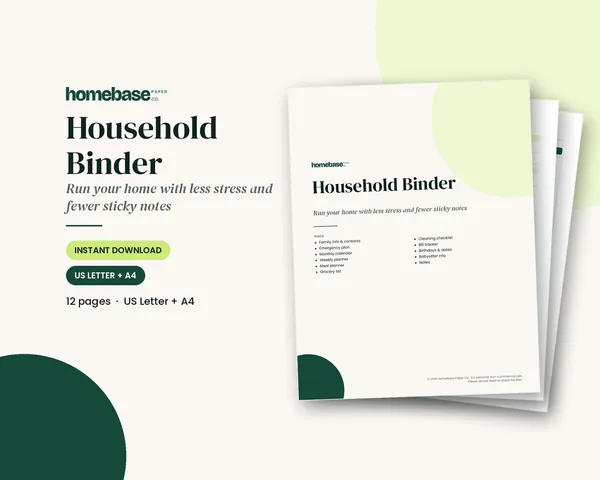
The Debt Payoff Planner ($6.99) handles up to 10 debts, switches between snowball and avalanche, and shows your debt-free date and interest saved. The Bill Tracker Spreadsheet ($4.99) lists each bill with its next due date and turns red when one is due soon, so payment plan installments never slip. Keep paper bills and EOBs in the Household Binder ($6.99).
Make it easier
Tools for this

Spreadsheets
Debt Payoff Planner
Pick snowball or avalanche, add any extra payment, and get your debt-free month instantly.

Spreadsheets
Bill Tracker Spreadsheet
Bills due in 3 days or less light up red, so nothing slips through.
Printables
Household Binder
Family info, emergency plan, calendars, meals, groceries, cleaning, bills and sitter notes.
Frequently asked questions
What is medical debt? Medical debt is money you owe for health care, such as hospital stays, emergency visits, surgery, tests, ambulance rides or doctor bills, that you have not paid in full. It can be owed to the provider, put on a payment plan, charged to a credit card or medical credit card, or sent to a debt collector if it goes unpaid.
Should I pay a medical bill right away? Not before you check it. Wait for your insurer's explanation of benefits, compare it with an itemized bill from the provider and look for errors, duplicate charges or services you did not get. Ask about financial assistance and discounts first. Then pay, negotiate or set up a payment plan, but do not ignore the bill.
How can I lower my medical debt? Ask for an itemized bill and fix any errors, appeal insurance denials, and apply for the hospital's financial assistance or charity care program. Ask for a self-pay or prompt-pay discount, or offer a lump sum for less than the balance. Many providers agree to reduce medical debt or set up an interest-free payment plan.
Do hospitals have to offer financial assistance? Yes, nonprofit hospitals do: in the United States they must have a written financial assistance policy that explains who qualifies for free or discounted care and how to apply. Many for-profit hospitals and clinics offer help too. Ask the billing office for the application, even if you think your income is too high, because eligibility limits can be generous.
Can medical debt go on my credit report? Yes, in some cases, though the rules have changed in recent years. The three national credit bureaus say they no longer report paid medical collections or medical collections under $500, and they wait a year before adding unpaid medical collections. Some states limit medical debt reporting further. Check your free credit reports and dispute any medical debt that is wrong or already paid.
Can I negotiate medical debt with a collector? Yes, you can negotiate medical debt with a collector. Ask the collector to validate the debt, check that it is yours and correct, then offer a lump sum or ask for a payment plan you can afford. Get any agreement in writing before you pay. Paying by check or bank transfer with a clear record is safer than giving ongoing access to your account.
Is medical debt forgiven when you die? No, medical debt is not automatically forgiven when someone dies. It is usually paid from the person's estate before assets go to heirs. Family members are generally not personally responsible for a relative's medical debt unless they co-signed or state law makes them liable, such as some spouse rules. Talk to a local attorney about specific cases.
What is a medical credit card and should I use one? A medical credit card lets you pay for care over time, sometimes with a promotional zero-interest period. If the balance is not paid in full when the promotion ends, deferred interest may be charged on the whole original amount. Ask about the provider's own interest-free payment plan or financial assistance before using one.
What does the No Surprises Act do? The No Surprises Act protects many people from surprise bills for most emergency care and for some out-of-network care at in-network hospitals and surgery centers. It also gives uninsured and self-pay patients the right to a good faith estimate before scheduled care, and a way to dispute a bill that is far higher than that estimate.
Where can I get free help with medical debt? Start with the hospital billing office and its financial assistance counselor. Nonprofit credit counseling agencies can help you build a budget and a plan for all your debts, and state insurance departments and consumer protection offices handle billing complaints. Legal aid organizations can help if you are being sued over medical debt.
More from HomeBase
You may also like

Printables
Budget Planner Printable
Twelve undated pages you can print every month: budget, bills, spending, savings and debt.

Spreadsheets
Sinking Funds Tracker
It does the math: how much to set aside each month to hit every goal on time.

Spreadsheets
Paycheck Budget Spreadsheet
Enter your bills once. The sheet tells you which paycheck pays each one, all year.

Spreadsheets
Zero-Based Budget Spreadsheet
The 'Left to budget' counter turns green when every dollar has a job.
 Club
Monthly club
Money Club
Anyone who wants a clear plan for the month's bills, holiday spending and savings.
Free printable
Never miss a payment: get the free bill calendar
A printable monthly bill calendar with room for due dates, amounts and paydays, so every payment has a plan before the month starts. You'll also get our weekly HomeBase email with simple budgeting and bill-paying tips.

Sources
- CFPB: Debt collection consumerfinance.gov
- IRS: Financial assistance policies (FAPs) irs.gov
- CMS: No Surprises Act cms.gov
- CFPB: What is credit counseling? consumerfinance.gov