
 The Holiday Collection

The short answer: the best holiday shopping tips come down to a plan: set one budget, write a gift list with a price next to each name, compare prices before the big sales and keep a record of every order and receipt.
- Watch prices early so you recognize a strong sale
- Compare the final price: shipping and fees are part of the cost
- Pay with a credit card, in full, for purchase protection without interest
- 15 tips for before, during and after you shop
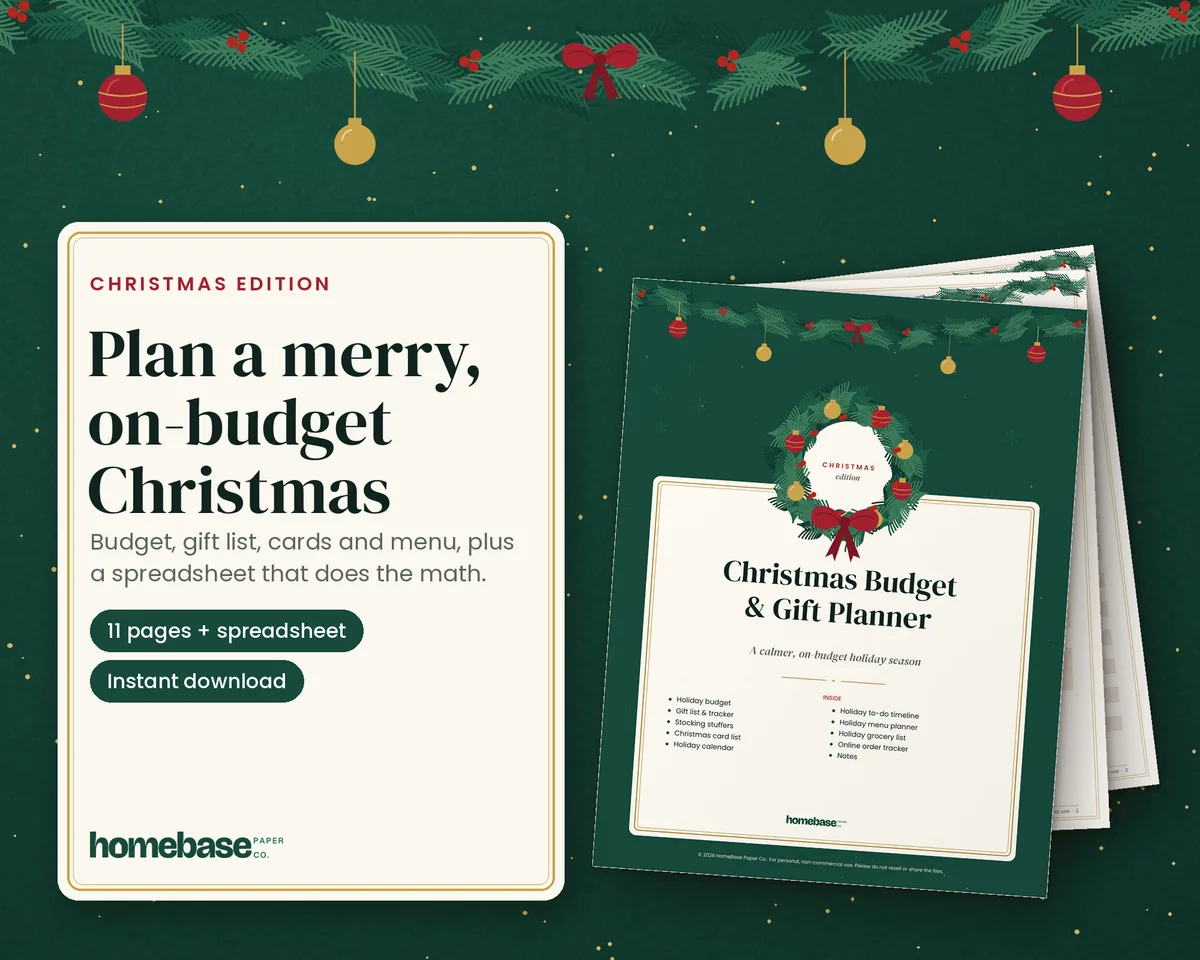
- Next step: Plan it with the Christmas Budget & Gift Planner ($4.99).
The best holiday shopping tips come down to a plan: set one budget, write a gift list with a price next to each name, compare prices before the big sales, pay with a credit card you'll pay off in full, and keep a running record of every order, delivery and receipt. Do those five things and the season costs less, takes less time and leaves you with nothing to sort out in January.
Below are 15 practical tips, grouped by the order you'll use them: before you shop, while you shop and after you buy.
Before you shop
1. Set one total budget first
Pick a single number for the whole season before you buy anything. Base it on what you can pay by January without dipping into savings or carrying a balance. Our holiday budget guide walks through it step by step, and the free holiday budget calculator does the math for you.
2. Count the extras, not just the gifts
Gifts are only part of the season. Wrapping, cards, shipping, hosting food, travel, decorations, teacher gifts and tips add up quickly. Our holiday tipping guide helps you plan the service-gift line, and a Christmas list keeps every name in one place.
3. Write a gift list with a price next to every name
A list with dollar amounts turns a vague budget into a plan you can follow in the store. Add a first-choice gift and a backup for each person, so a sold-out item doesn't send you browsing. The Christmas Budget & Gift Planner ($4.99) puts your budget, gift list and online order tracker side by side.
4. Save a little each payday
Divide the total by the weeks left until your last shopping day and set that amount aside every payday. Paying for the season as you go is what keeps it from turning into January debt. If you're already carrying a holiday balance, our guide on how to pay off holiday debt has a step-by-step plan. See how many weeks are left in the year before you set a weekly shopping budget.
5. Know the sale calendar
In 2026, Thanksgiving is Thursday, November 26, Black Friday is November 27 and Cyber Monday is November 30. Shop early for anything specific, popular or personalized, and save flexible items for the sale weekend. Our comparison of Black Friday vs. Cyber Monday shows which categories tend to fit each day. For another December shopping date to put on your calendar, see Green Monday. If local stores are on your gift list, include Small Business Saturday in your shopping plan.
Timing matters too: here is when to start Christmas shopping so the cost spreads over several paychecks.
While you shop
6. Watch prices before the big weekend
Track the price of your top few items for a couple of weeks before the sales. When the weekend arrives, you'll know a strong price on sight. Our guide on how to tell if Black Friday deals are real covers seven quick checks.
7. Compare the final price, not the percentage
Compare the same model number at two or three stores you know, then compare the total after shipping, tax and any membership or service fees. The FTC's pricing guides say a former price should be one the item was actually offered at for a reasonably substantial period of time, so the price you pay matters more than the "was" price on the tag.
8. Shop from a list, with a pause for extras
Anything not on your list gets a 24-hour pause. Most impulse buys don't survive a day. Start the weekend with a Black Friday shopping list, and skim our guide to what not to buy on Black Friday before you open the apps.
9. Buy from stores you know
Stores you already use have return policies, customer service and order histories you're familiar with, which makes the whole season easier. For a store that's new to you, read its return policy, shipping terms and contact details before checkout, and, as the FTC's online shopping advice suggests, search its name with words like "review" or "complaint."
10. Pay with a credit card for purchase protection
The FTC recommends paying by credit card when you shop online because it gives you the most protection if an order goes wrong. Under the Fair Credit Billing Act, you can dispute credit card charges for items that never arrive or aren't what you agreed to. Pay the statement in full and you get that protection without interest. Our credit card vs. debit card guide compares both side by side.
11. Buy gift cards at the register
Gift cards are easy to give and easy to mail. Buy them from the store itself or from a register you know, check that the packaging and PIN cover are intact, and have the cashier activate the card in front of you. Under federal law, gift card funds must last at least five years, and inactivity fees can start only after 12 months without use, according to the Consumer Financial Protection Bureau. Keep the receipt and a photo of the card.
After you buy
12. Track every order and delivery
Write each order down the day you place it: store, item, recipient, price, order number and expected delivery date. Check tracking through the store's or carrier's own app or website. Under the FTC's Mail, Internet or Telephone Order Merchandise Rule, sellers should ship within the time they state, or within 30 days if they don't give one, and if they can't, they have to tell you and offer you the choice to cancel for a refund. Ordering close to the wire? Check the last day to ship for Christmas for each carrier before you pay for rush delivery.
13. Keep receipts and note return windows
Keep every receipt or order confirmation until the return window closes, and ask for gift receipts. Many stores extend returns over the holidays, but the rules vary, and final-sale or personalized items may not be returnable at all. Write the last return date next to each order on your list. For more on this topic, see our holiday shopping guides.
14. Check for price adjustments
Some stores offer a price adjustment if an item you bought goes on sale within a set number of days. Policies differ, so check before you assume. Your saved receipts make it a two-minute request.
15. Review the season in January
Compare what you planned with what you spent, line by line. Note what ran over and what you didn't need, and use those numbers to set next year's budget and savings plan. Unused gift cards and duplicate presents have options too: see what to do with unwanted gifts and gift cards.
Holiday shopping tips at a glance
| Tip | Why it helps |
|---|---|
| Set one total budget | Every purchase has a limit before you start |
| Price every name on the list | You know exactly what's left as you shop |
| Watch prices early | You recognize a strong sale price on sight |
| Compare the final price | Shipping and fees are part of the cost |
| Pay with a credit card, in full | Purchase protection without interest |
| Buy gift cards at the register | Activated in front of you, receipt in hand |
| Track every order | Late or missing deliveries are easy to follow up |
| Keep receipts and return dates | Returns and price adjustments take minutes |
Give back without breaking the budget
Giving season is part of the holidays for many families. Give directly through a charity's own website, set your giving amount alongside your gift budget, and pay by check or credit card for a clear record. Our guide on how to budget for charitable giving shows how to plan it ahead. If charitable giving is part of your holiday plan, set a separate limit for Giving Tuesday before shopping.
Keep the whole season on paper
A written budget, gift list and order tracker take most of the stress out of holiday shopping. The Holiday Season Bundle ($15.99, $25.94 if bought separately) pairs the Christmas Budget & Gift Planner with the Sinking Funds Tracker, the 100 Envelope Savings Challenge, the Bill Tracker Printable and more. If you want the holidays and next year planned in one set, the Holiday Command Center brings together every holiday planner, our budget spreadsheet system and a 2027 budget planner. It's $47 for Black Friday instead of its everyday $67; subscribers get early access Nov 24-26 through the emailed link, and it opens to everyone Nov 27-30.
Want a fun way to save? Try the 100 envelope challenge tracker.
Browse everything in our holiday shop, or start with the free Holiday Budget Starter Kit: 3 US Letter pages, emailed after you join our list.

The Holiday Collection
Give every person a limit and watch what's left
The Christmas Budget & Gift Planner adds up every list for you: a budget for each person, a log of each purchase and the amount left to spend, plus printable gift, card, menu and to-do pages.
- Spreadsheet for Excel and Google Sheets
- 11 printable pages, US Letter + A4
- Instant download, 14-day fix-or-refund promise
Planning the whole season? See the holiday sets from $7, with early prices through Cyber Monday
Make it easier
Tools for this
Printables
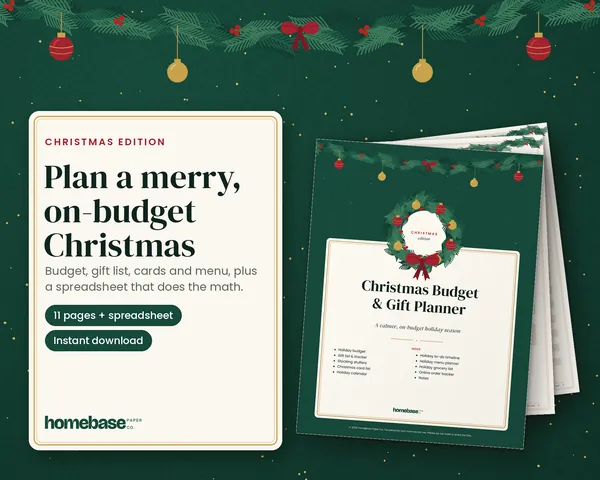
Christmas Budget & Gift Planner
Set a budget for every person, log each purchase, and watch what's left - plus printable gift, card, menu and to-do pages.
 Save 38%
Bundles
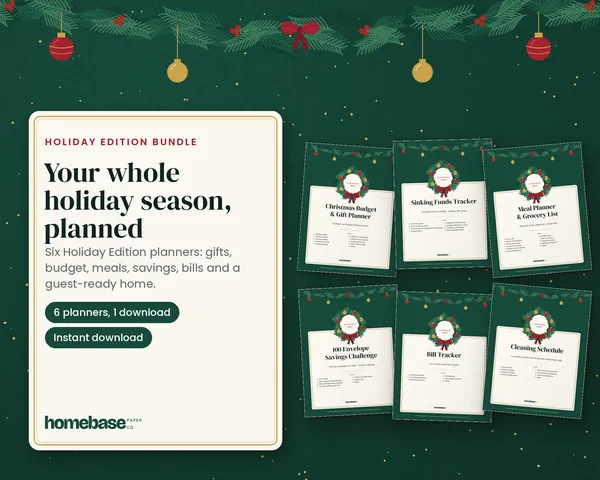
Holiday Season Bundle
Plan Christmas, save for it all year, and host without the January money hangover.
Frequently asked questions
What are the best holiday shopping tips? The best holiday shopping tips are simple: set one total budget before you buy anything, write a gift list with a dollar amount next to each name, compare prices on your top items before the big sales, and pay with a credit card you'll pay off in full. Then keep a running list of every order and receipt so returns and deliveries are easy to follow. A written plan does more for your budget than any single sale.
How much should I budget for holiday shopping? Start with what you can pay in cash by January without touching savings or carrying a balance. Add up gifts, food, travel, decorations, wrapping, shipping and tips, because the extras often cost as much as the presents. Divide the total by the number of weeks left and set that amount aside each payday. Our free holiday budget calculator and the Christmas Budget & Gift Planner ($4.99) make the math quick.
When is the best time to shop for holiday gifts? The best time is early, weeks before Black Friday (November 27, 2026), for anything specific, popular or personalized, and the big sale weekend for flexible items. In 2026, Thanksgiving is Thursday, November 26, Black Friday is November 27 and Cyber Monday is November 30. Watching prices on your list for a few weeks before those dates helps you recognize a genuinely good price when you see it.
Is it better to pay with a credit card or a debit card for holiday shopping? A credit card you pay in full is usually better for online holiday orders, because it gives you the most protection. The FTC recommends paying by credit card online, and federal law lets you dispute credit card charges for items that never arrive or aren't what you agreed to. A debit card or cash can help if a balance would follow you into January. Our credit card vs. debit card guide compares both.
How do I compare prices during holiday sales? Check the same model number at two or three stores you know, look at the price over the past few weeks, and compare the final cost after shipping, tax and any membership fees. A percentage off matters less than the price you actually pay. The FTC's pricing guides say a former price should be one the item was really offered at for a reasonably substantial period of time.
How do I keep track of holiday orders and deliveries? Write each order down the day you place it: the store, the item, who it's for, the price, the order number and the expected delivery date. Check tracking through the store's or carrier's own app or website. The Christmas Budget & Gift Planner ($4.99) includes an online order tracker next to your budget and gift list, so you can see at a glance what has arrived and what's still on its way.
What happens if a holiday order ships late? Under the FTC's Mail, Internet or Telephone Order Merchandise Rule, a seller should ship within the time it stated, or within 30 days if it didn't give a time. If it can't, it has to tell you and give you the choice to cancel for a refund. Ordering early and watching expected delivery dates leaves room to choose a backup gift if something runs late.
How long are holiday return windows? Holiday return windows are set by each store, so there is no single length. Many retailers extend return windows for holiday purchases, but the dates and rules vary, and some items, like final-sale clothing, opened electronics or personalized gifts, may have shorter windows or none. Check each store's policy at checkout, write the last return date next to the order on your list, such as the gift list in the Christmas Budget & Gift Planner, and ask for gift receipts.
Should I keep receipts for gifts? Yes, you should keep receipts for gifts. Keep the receipt or order confirmation for every gift until the return window closes, and ask for a gift receipt you can tuck in the box. Receipts also help with price adjustments, warranty claims and your January budget review. A simple folder or envelope for paper receipts and an email label for online ones keeps everything in one place.
Are gift cards a good holiday gift? Yes, gift cards are a practical holiday gift when you know where someone likes to shop. Under federal law, gift card funds must be good for at least five years, and inactivity fees can start only after 12 months without use. Buy cards from the store itself or from a register you know, check that the packaging is intact, have the cashier activate it, and keep the receipt and a photo of the card.
How can I avoid overspending on Black Friday? Shop from a list with a price limit next to each item, and decide your total before the sales start. Unsubscribe from promo emails you don't need for the weekend, compare prices on your top items ahead of time, and give yourself a 24-hour pause for anything that isn't on the list. Our Black Friday shopping list and what-not-to-buy guide help you plan the weekend.
How do I check an online store I haven't used before? Look for a clear return policy, a working phone number or address, and shipping terms you can read before checkout. Search the store's name with words like review or complaint, as the FTC suggests, and read reviews on more than one site. If you're unsure, buying the same item from a store you already know is often just as quick.
What should go on a holiday shopping list? List every person you're buying for, a gift idea or two, a dollar limit and where you plan to buy it. Then add the extras: wrapping, cards, stocking stuffers, hosting food, teacher and service gifts, tips and shipping. Seeing the whole season on one page is what keeps the total close to your budget.
More from HomeBase
You may also like
 Thanksgiving Edition
Printables
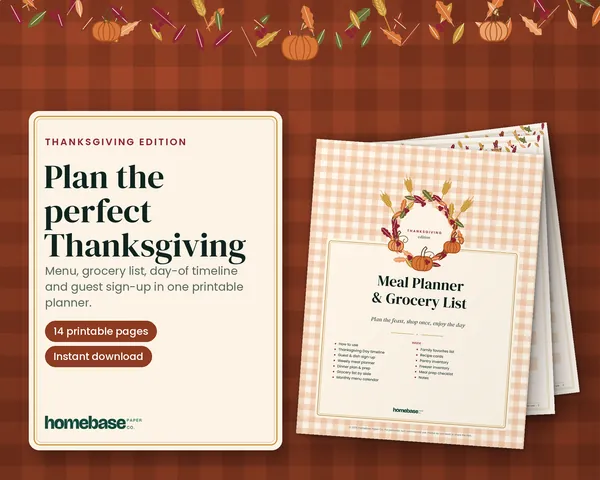
Meal Planner & Grocery List: Thanksgiving Edition
Plan the perfect Thanksgiving: our meal planner in a warm harvest design, with a Thanksgiving Day timeline, a guest & dish sign-up, an aisle-sorted grocery list and pantry and freezer trackers.
Spreadsheets
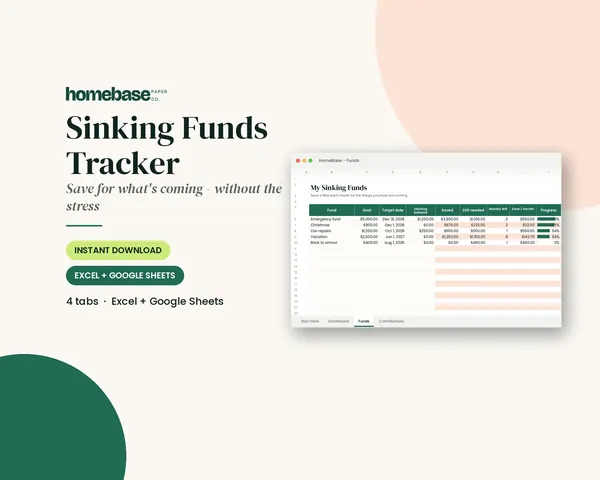
Sinking Funds Tracker
It does the math: how much to set aside each month to hit every goal on time.
 Starter pick
Printables
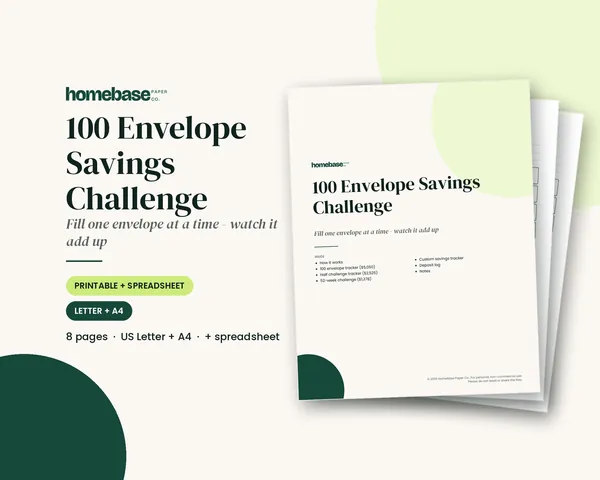
100 Envelope Savings Challenge
Classic, half and 52-week challenges to print, plus a spreadsheet that tracks every envelope and tells you how much to save each week.
Printables
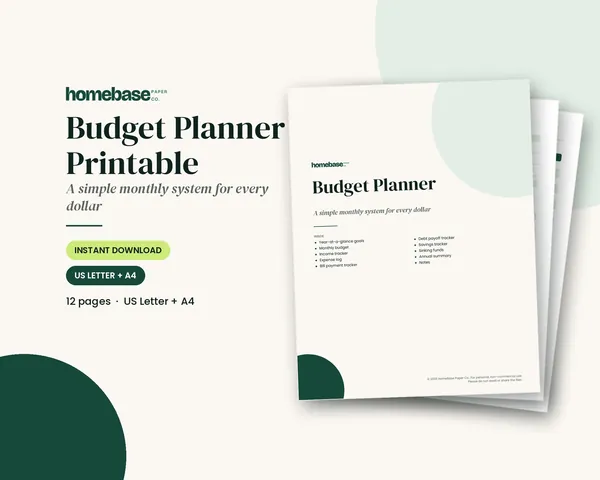
Budget Planner Printable
Twelve undated pages you can print every month: budget, bills, spending, savings and debt.
 Club
Monthly club
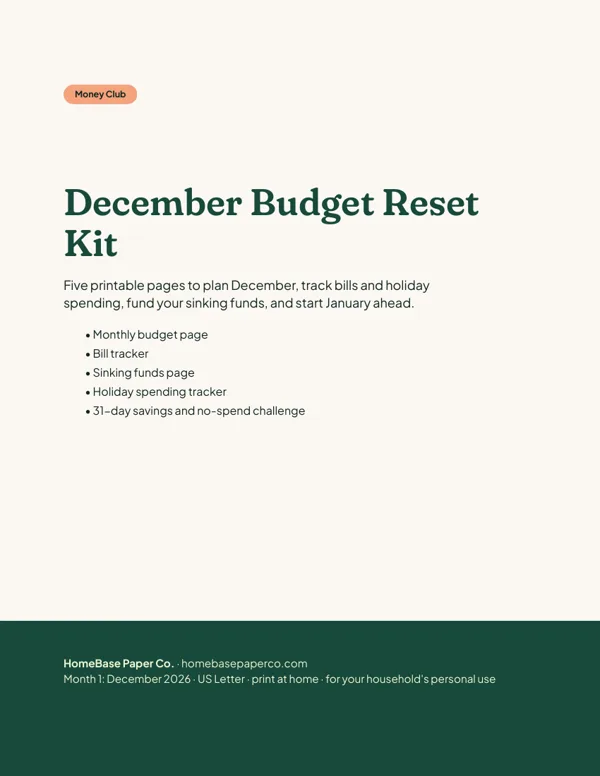
Money Club
Anyone who wants a clear plan for the month's bills, holiday spending and savings.
Free printable
Get the free Holiday Budget Starter Kit
A one-page holiday budget, a gift list with a spending limit for every person, and a 6-week countdown so December stays calm and paid for. You'll also get our weekly HomeBase email with simple holiday planning, budgeting and hosting tips.

Sources
- Pricing guides ecfr.gov
- Online shopping advice consumer.ftc.gov
- Consumer Financial Protection Bureau consumerfinance.gov
- Mail, Internet or Telephone Order Merchandise Rule ecfr.gov