
 The Holiday Collection

The short answer: what to do with unwanted gifts: say thank you, then sort them into four piles: keep and use, return or exchange, regift or donate, and sell.
- Only regift new items and avoid the same circle
- Donate to shelters, schools and toy drives
- Sell higher-value items
- Check gift card rules before you use or sell them
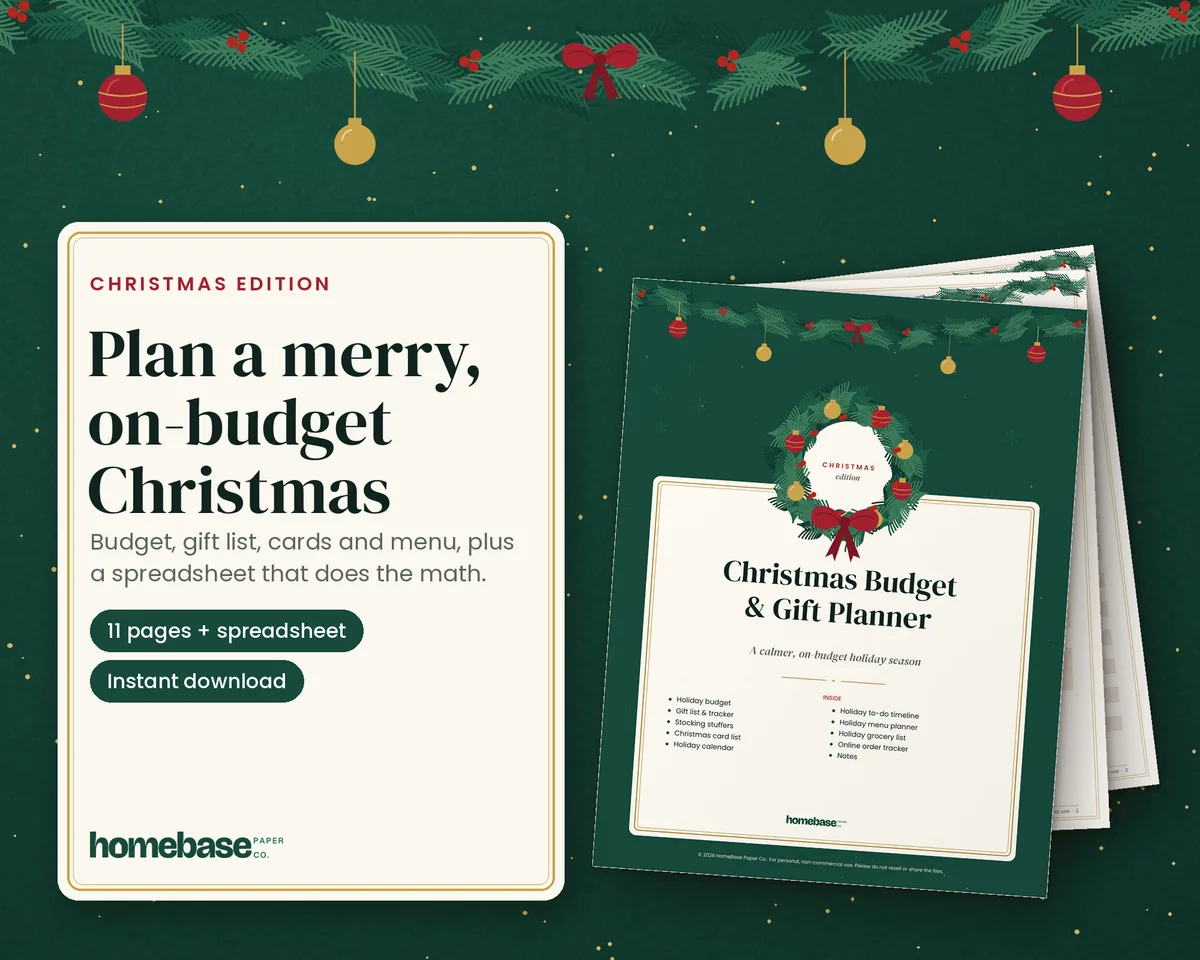
- Next step: Plan it with the Christmas Budget & Gift Planner ($4.99).
Every year, a few gifts land in the "thank you so much... now what?" pile. A sweater in the wrong size, a gadget you already own, a gift card to a store you never visit. You're grateful for the thought, and you'd still rather not let those gifts sit in a closet. Here's what to do with unwanted gifts so nothing goes to waste.
This guide covers the practical side of after-Christmas gifts: how to decide what to keep, how to handle returns and exchanges, kind ways to regift, and what federal rules say about gift cards so you don't lose their value.
First, say thank you
Whatever you decide to do with a gift, the thank-you comes first. A sincere note or message thanks the giver for their thoughtfulness, and you don't need to mention whether you're keeping it.
For kids, writing thank-you cards is a great habit to build in the days after Christmas. A short note or a drawing is plenty.
Unwanted gift decision chart: the best move by type of gift
Not sure which pile an unwanted gift belongs in? Start with what kind of gift it is.
| Unwanted gift | Best first move | Backup plan |
|---|---|---|
| Clothing in the wrong size or style | Exchange for the right size, or return with the gift receipt | Donate if the return window has closed |
| A duplicate of something you own | Return or exchange it while it's new and in the box | Sell it, or regift it to someone who needs one |
| Electronics or a small appliance you won't use | Return quickly, since electronics often have shorter return windows | Sell locally or online while it's current |
| Candles, bath sets, food and other consumables | Regift (sealed and new) or use them up | Donate sealed items to a shelter or a gift drive |
| Toys your child already has or has outgrown | Exchange for a different toy | Donate to a toy drive, school or children's charity |
| Handmade or personalized gifts | Keep, display or use it in a small way | Store it with keepsakes; don't regift or sell |
| Gift card to a store you don't shop at | Use it for household basics the store also sells | Regift it whole, or sell it (see the gift card section) |
Whichever move you choose, do it in the first week or two after the holidays, while tags, boxes and return windows are still intact.
Step 1: sort each unwanted gift into one of four piles
Set aside an hour in the week after Christmas, while return windows are still open, and sort anything you're unsure about:
- Keep and use. You love it or will genuinely use it.
- Return or exchange. Wrong size, duplicate or something you'd rather swap.
- Regift or donate. In good condition, but not right for your home.
- Sell. Valuable enough that selling makes sense.
A quick question to ask: "Would I buy this for myself at full price?" If the answer is no and you wouldn't miss it, it probably belongs in piles 2 through 4.
If you're tackling more clutter after the holidays, our January decluttering checklist picks up right where this list leaves off.
Step 2: return or exchange gifts
Check the return policy right away
Return and exchange policies vary by store, and many have time limits. Look up the store's policy on its website or the back of the receipt as soon as possible.
Gather what you need
- The gift receipt, if one was included
- Original packaging and tags, if you still have them
- The card or account used for purchase, if the giver is comfortable sharing that (often unnecessary with a gift receipt)
No gift receipt?
Many stores have a process for returns without a receipt, which may result in store credit rather than cash. Policies differ, so check before you go.
Should you tell the giver?
That's up to you and your relationship. Some families happily share gift receipts and expect exchanges. Others would rather not know. When in doubt, a simple thank-you is always enough.
Keep track of returns
During a busy season, it's easy to lose track of what you've returned and whether the refund posted. The Christmas Budget & Gift Planner includes an online order tracker, and you can use it to track returns, too. Write down the store, item, date returned and refund amount, then check that the refund shows up.
Step 3: regift thoughtfully
Regifting can be kind and practical when it's done with care. A few guidelines:
- Only regift new items in their original packaging.
- Match the gift to the person. Regift because it's right for them, not just to get rid of it.
- Avoid the same circle. Don't regift to someone who knows the original giver.
- Remove any personal notes or tags from the original giver.
- Keep a regift shelf. Store regift-able items in one spot with a note on who gave it to you, so you never return a gift to its giver.
Regifting can also help your budget for teacher gifts, hostess gifts and last-minute birthdays later in the year.
Step 4: donate what you won't use
Donating gifts you won't use lets someone else enjoy them.
- Local shelters, food pantries and community organizations may accept new items. Call first to ask what they need.
- Schools, libraries and after-school programs sometimes accept new books, art supplies and games.
- Toy drives run at other times of the year in some communities, too.
Before you donate toys, especially for young kids, check the U.S. Consumer Product Safety Commission's recalls page to make sure the item hasn't been recalled.
If you're wondering whether a donation affects your taxes, that depends on your situation. Talk with a tax professional or check official IRS guidance, rather than assuming.
Step 5: sell higher-value items
For gifts with resale value, like electronics or brand-name items, selling might make sense.
- Keep items unopened when possible.
- Take clear photos and describe the item honestly.
- Meet buyers in a safe public place if selling locally.
- Use the money with purpose: pay down holiday spending, add to an emergency fund or start next year's Christmas fund.
What to do with gift cards
Gift cards are some of the most popular holiday gifts, and some of the most likely to go unused. Here's how to make sure you get their full value.
Planning to use a gift card in the after-Christmas sales? Our guide covers what to buy, what to skip and how to set a budget.
Know the federal gift card rules
According to the Consumer Financial Protection Bureau, gift card funds must be good for at least five years under federal law, and some state laws give you more time. The CFPB also explains that, under federal law, inactivity fees can only be charged after 12 months of inactivity and if other conditions are met.
The CFPB's article on giving or receiving gift cards suggests that if you find a gift card with an expiration date, you can call the phone number on the card to check whether the funds are still available.
These rules apply to gift cards. Prepaid debit cards and other cards can have different rules, so read the card's terms.
Use them before you forget them
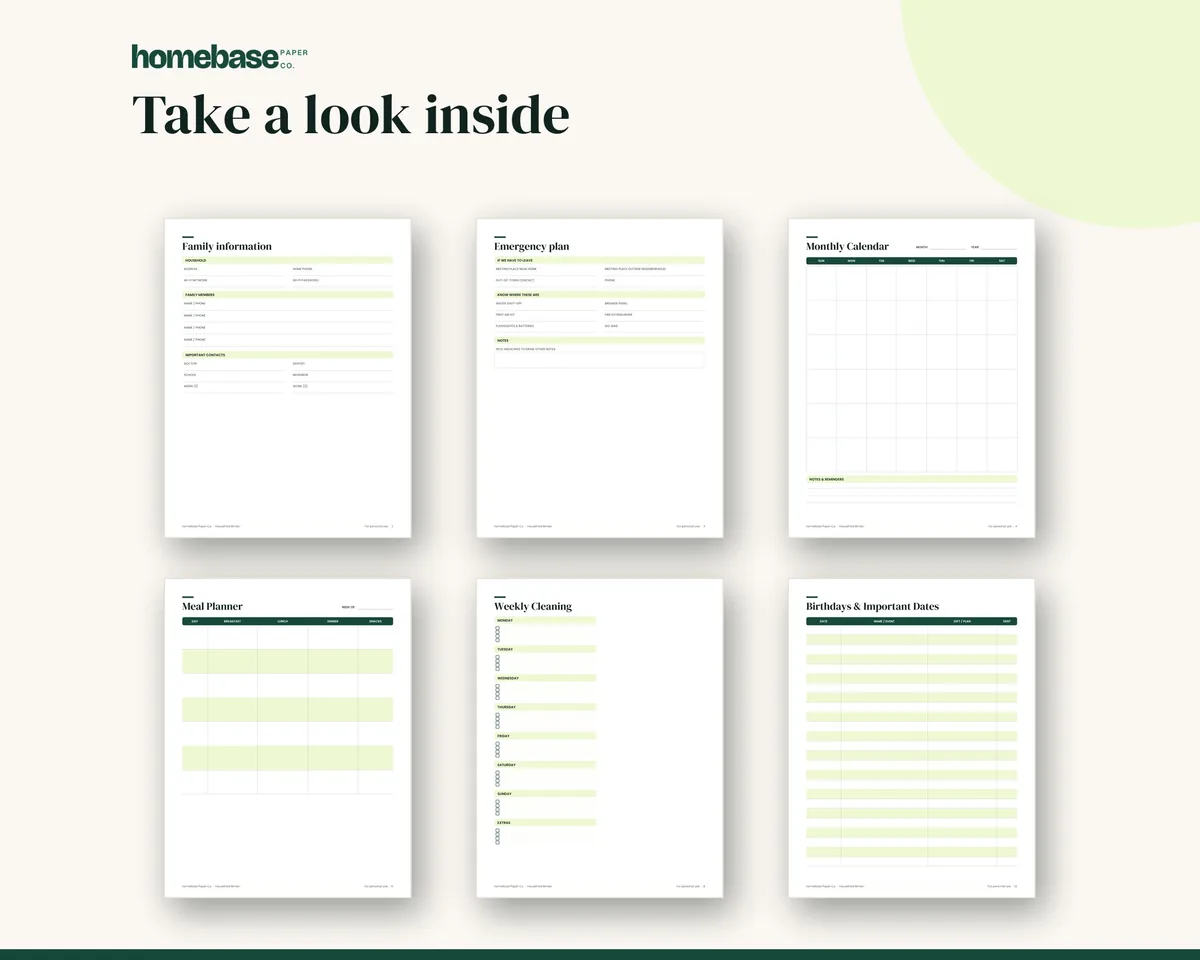
- Keep all gift cards in one place, like a labeled envelope in your Household Binder.
- Write the balance on the card with a sticky note or marker, and update it after each use.
- Plan purchases. Use gift cards for things you'd buy anyway, like groceries, gas or school supplies, which frees up cash in your budget.
- Set a reminder for a month or two after the holidays to use any cards still sitting around.
Gift cards in your budget
If you use a gift card for something you'd normally pay cash for, move the money you saved into savings or toward a holiday balance. That way the gift helps your whole budget.
Example: If you use a $25 grocery gift card on your regular grocery trip, you could move $25 from your grocery budget into your emergency fund or sinking fund.
Unwanted gift cards
If you have a gift card you won't use:
- Regift it, unused, to someone who shops there.
- Use it for gifts throughout the year.
- Check whether the store or brand has other locations or online options you'd enjoy.
Some websites and kiosks buy gift cards for cash, usually for less than the card's value. If you consider that route, read the terms carefully.
Use after-Christmas gifts to reset your budget
The days after Christmas are a natural time to check your holiday spending and plan ahead.
- Compare your spending to your plan. Use the purchase log from your holiday planner to see where you landed.
- Put return refunds to work. Apply them to any holiday credit card balance or add them to savings.
- Start next year's fund. Even a small monthly amount makes next Christmas easier. The Sinking Funds Tracker Spreadsheet helps you track it.
If you're carrying a holiday balance, our guide on how to pay off holiday debt can help. For a full reset, try the no-spend January challenge or our end-of-year financial checklist.
Make next year's gifts easier
If unwanted gifts are a pattern in your family, it may be time for a gentle change:
If a family member keeps getting things they return, cash may be the better gift; here are creative ways to give money as a gift.
- Share wish lists. Let family know what your household actually needs.
- Suggest a gift exchange. A Secret Santa means fewer gifts that land better. Our Secret Santa rules and budget guide explains how. Our minimalist Christmas guide has more ways to shorten the gift list.
- Try experience gifts or contributions toward something bigger.
- Talk about scaling back. Our guide on how to tell family no gifts offers kind scripts.
For your own gift-giving, keep a running list of ideas through the year so you give things people really want. Our Christmas list template shows how.
Your next step
This week, gather every gift card and unsure-about gift in your home into one spot. Sort them into the four piles, mark return deadlines on your calendar and write balances on your gift cards. A little effort now turns forgotten gifts into real value for your family.
See also: Christmas budget by income, holiday card etiquette and family New Year's Eve at home.

The Holiday Collection
Give every person a limit and watch what's left
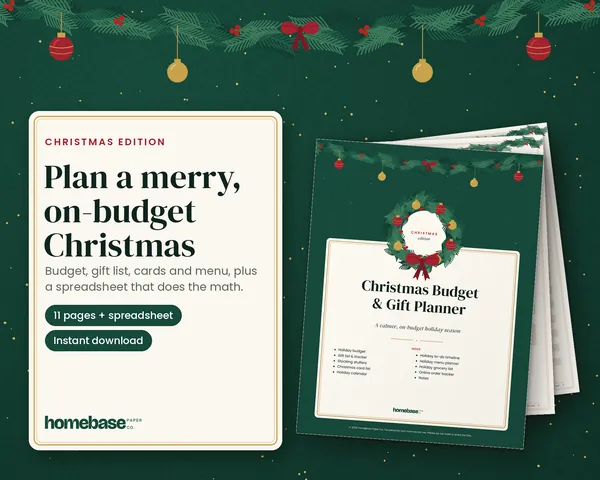
The Christmas Budget & Gift Planner adds up every list for you: a budget for each person, a log of each purchase and the amount left to spend, plus printable gift, card, menu and to-do pages.
- Spreadsheet for Excel and Google Sheets
- 11 printable pages, US Letter + A4
- Instant download, 14-day fix-or-refund promise
Planning the whole season? See the holiday sets from $7, with early prices through Cyber Monday
Make it easier
Tools for this
Printables
Christmas Budget & Gift Planner
Set a budget for every person, log each purchase, and watch what's left - plus printable gift, card, menu and to-do pages.
Printables
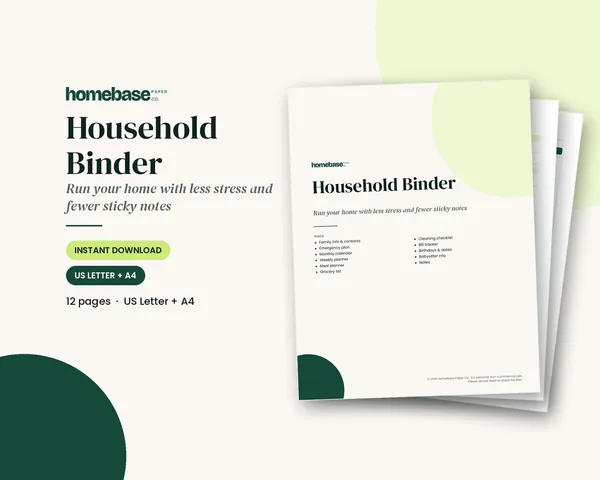
Household Binder
Family info, emergency plan, calendars, meals, groceries, cleaning, bills and sitter notes.
Spreadsheets
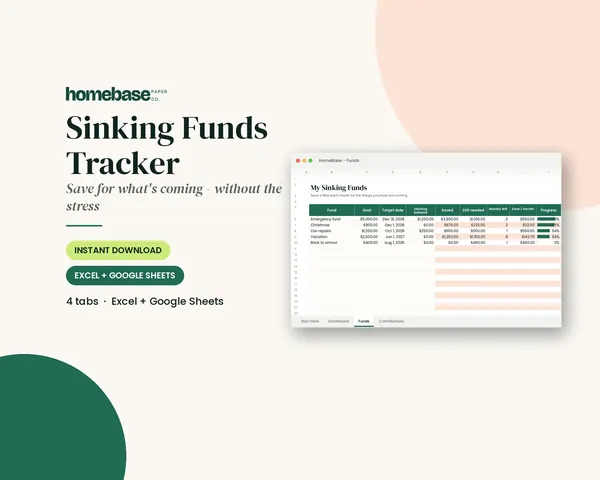
Sinking Funds Tracker
It does the math: how much to set aside each month to hit every goal on time.
Frequently asked questions
Is it rude to return a gift? It isn't necessarily rude to return a gift. Many people would rather you have something you'll use. Thank the giver sincerely either way, and decide whether to mention the exchange based on your relationship.
Do gift cards expire? Under federal law, the CFPB says gift card funds must be good for at least five years, and some states give you more time. If a card shows an expiration date, call the number on the card to check whether funds are still available.
Can stores charge fees on unused gift cards? According to the CFPB, under federal law inactivity fees can only be charged after 12 months of inactivity and if other conditions are met. Using your gift cards early helps you avoid fees.
Is regifting okay? Regifting can be thoughtful when the item is new, a good match for the recipient and not given to someone who knows the original giver. Remove any personal notes first.
What should I do with gifts I can't return? You can regift, donate or sell them. Check the CPSC recalls page before donating toys, and call donation centers ahead to ask what they accept.
Can I get cash for a gift card? Some services buy gift cards, usually for less than face value. Read the terms carefully before you sell. Using the card for something you'd buy anyway is often the simplest option.
More from HomeBase
You may also like
 Thanksgiving Edition
Printables
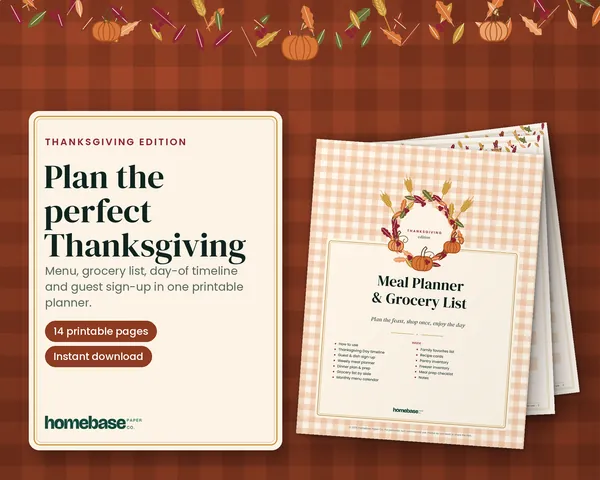
Meal Planner & Grocery List: Thanksgiving Edition
Plan the perfect Thanksgiving: our meal planner in a warm harvest design, with a Thanksgiving Day timeline, a guest & dish sign-up, an aisle-sorted grocery list and pantry and freezer trackers.
 Starter pick
Printables
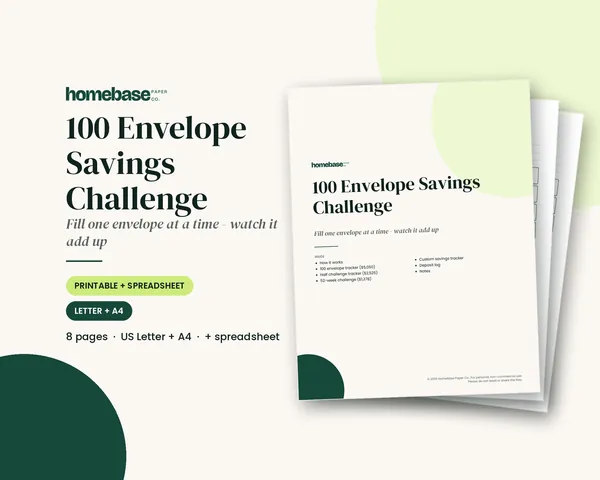
100 Envelope Savings Challenge
Classic, half and 52-week challenges to print, plus a spreadsheet that tracks every envelope and tells you how much to save each week.
 Save 38%
Bundles
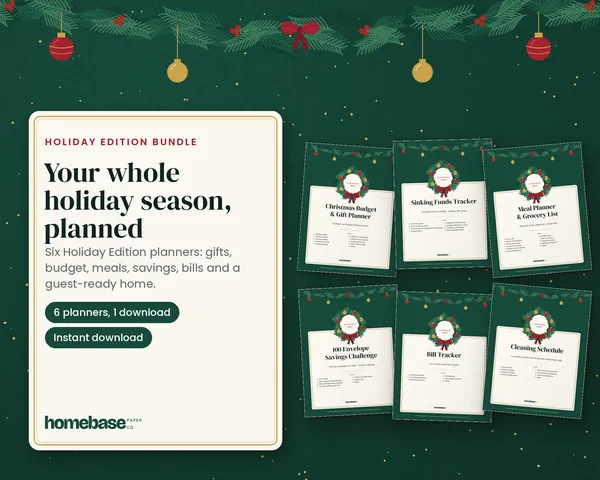
Holiday Season Bundle
Plan Christmas, save for it all year, and host without the January money hangover.
Printables
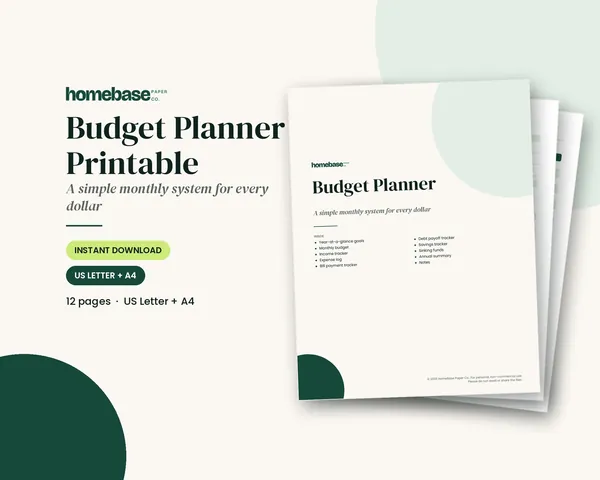
Budget Planner Printable
Twelve undated pages you can print every month: budget, bills, spending, savings and debt.
 Club
Monthly club
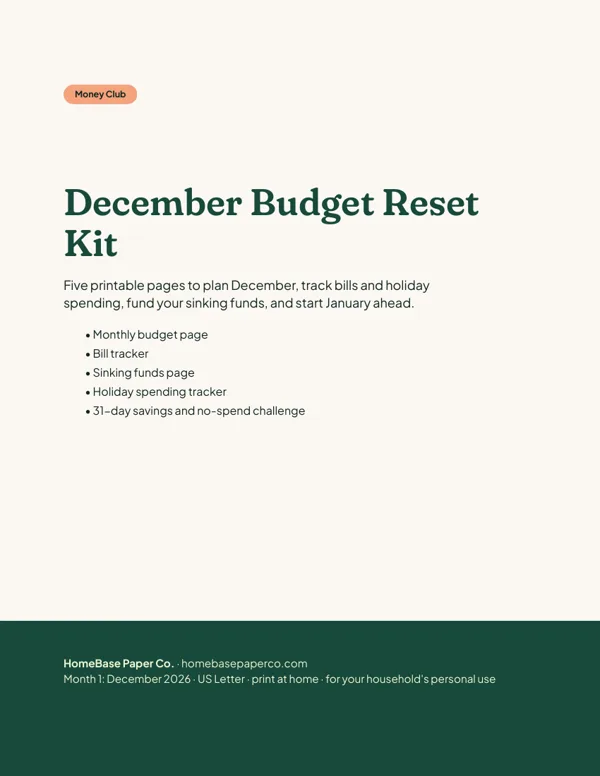
Money Club
Anyone who wants a clear plan for the month's bills, holiday spending and savings.
Free printable
Get the free Holiday Budget Starter Kit
A one-page holiday budget, a gift list with a spending limit for every person, and a 6-week countdown so December stays calm and paid for. You'll also get our weekly HomeBase email with simple holiday planning, budgeting and hosting tips.

Sources
- Recalls page cpsc.gov
- Gift card funds must be good for at least five years under federal law consumerfinance.gov
- Giving or receiving gift cards consumerfinance.gov