

The short answer: car insurance is required in nearly every state and is one of the biggest yearly bills for most families. Know what each coverage pays for, then compare quotes for the same coverage.
- Liability: bodily injury and property damage you cause, required in nearly all states
- Collision: repairs to your car after a crash, regardless of fault
- Comprehensive: theft, hail, flood, fire, falling objects and animal strikes
- Uninsured/underinsured motorist: your costs when the at-fault driver has little or no insurance, required in some states
- Next step: Plan it with the Annual Budget Spreadsheet ($6.99).
Car insurance is required in nearly every state, and for most families it is one of the biggest yearly bills after housing and food. Yet many drivers have never looked closely at what their policy covers or why it costs what it does. This guide explains the main types of car insurance coverage in plain English, how much coverage makes sense, what affects your price, and how to compare auto insurance quotes so you can get solid protection without overpaying.
This page is general education, not insurance, legal or financial advice. Coverage rules vary by state and by policy, so always read your own policy documents. Insurance is easier to manage when it is planned for. The Annual Budget Spreadsheet helps you plan for a six-month or yearly premium, and the Household Binder keeps your policy, ID cards and claim notes in one place.

The main types of car insurance coverage
A car insurance policy is really a bundle of separate coverages. The Texas Department of Insurance auto guide walks through each one, and most states use the same basic pieces:
| Coverage | What it pays for | Required? |
|---|---|---|
| Bodily injury liability | Injuries you cause to other people | Required in nearly all states |
| Property damage liability | Damage you cause to other cars or property | Required in nearly all states |
| Collision | Repairs to your car after a crash, regardless of fault | Optional, but usually required for loans and leases |
| Comprehensive | Theft, hail, flood, fire, falling objects and animal strikes | Optional, but usually required for loans and leases |
| Uninsured/underinsured motorist | Your costs when the at-fault driver has little or no insurance | Required in some states |
| Personal injury protection or medical payments | Medical bills for you and your passengers | Required in no-fault states |
Liability limits are often written as three numbers, such as 100/300/100. That means up to $100,000 per person for injuries, $300,000 per accident for injuries, and $100,000 for property damage.
How much car insurance do you need?
Your state sets a minimum amount of liability coverage, but minimums are designed to be affordable, not to fully protect you. A serious crash can easily cost more than a low limit, and you could be personally responsible for the difference. Many drivers choose liability limits well above the minimum, and people with savings or a home often look at 100/300/100 or higher, sometimes with an umbrella policy on top.
Collision and comprehensive coverage make the most sense when your car would be hard to replace out of pocket. A common rule of thumb is to reconsider them when the yearly cost of that coverage approaches about 10% of the car's value. If you have a loan or lease, the lender will require both, and gap insurance can cover the difference between what you owe and what the car is worth if it is totaled.
What affects the cost of car insurance
Investopedia and most insurers point to the same main price factors:
- Your driving record, including accidents and tickets
- Where you live and park, down to the ZIP code
- The car's make, model, age, safety features and repair costs
- How many miles you drive each year
- Your age and driving experience, which is why adding a teen driver raises premiums
- Your coverage limits and deductibles
- Your credit-based insurance score, in states that allow it
- Gaps in coverage, since a lapse can raise future prices
How to compare auto insurance quotes
- Gather your current declarations page, driver's license numbers and each car's VIN.
- Decide on the liability limits, deductibles and optional coverages you want.
- Get at least three quotes using exactly the same coverage, so you compare apples to apples.
- Include a mix of large national insurers, regional companies and an independent agent who can quote several carriers.
- Ask about every discount: safe driver, good student, multi-car, bundling with renters insurance or homeowners insurance, paperless billing, paying in full and telematics programs.
- Check each company's complaint record and claims reputation, not just the price. Consumer Reports' car insurance coverage is one place to compare company ratings.
- Start the new policy before canceling the old one, so you never have a gap. For more on this topic, see our insurance planning.
Shopping every year or two, and after any big change such as moving, adding a driver or buying a car, is one of the simplest ways to keep your rate competitive.
Ways to lower your car insurance bill
Raising your deductible from $500 to $1,000 can cut the collision and comprehensive part of your premium, as long as you keep that amount in an emergency fund. Dropping collision on an older car you could replace with cash can also save money. Ask about low-mileage discounts if you work from home, and consider a usage-based program if you are a careful driver. Paying the full six-month or yearly premium up front often avoids installment fees; a sinking fund makes that easy.
What to do after a car accident
Check for injuries and call 911 if anyone is hurt. Move to a safe spot if you can, turn on hazard lights, and exchange names, phone numbers, insurance details and license plate numbers with the other driver. Take photos of both cars, the scene and any road signs, and get contact information from witnesses. Report the accident to your insurer promptly, and keep a log of every call, claim number and receipt. Do not admit fault at the scene; let the insurers sort out who is responsible.
Car insurance and your family budget
When you budget for car insurance, include the full cost of each car: insurance, fuel, maintenance, registration and parking. Adding a teen driver is often the biggest jump many families see, so plan for it a few months ahead and ask about good student and driver training discounts. Our budgeting for beginners guide shows how to build these irregular bills into your monthly plan.
The bottom line
Car insurance combines liability, collision, comprehensive and other coverages into one policy. Buy more liability than the state minimum if you have anything to protect, match collision and comprehensive to your car's value, and compare auto insurance quotes with identical coverage at least every year or two to keep your price fair.
Make it easier
Tools for this

Spreadsheets
Annual Budget Spreadsheet
See exactly where your money goes every month - without complicated software.
Printables
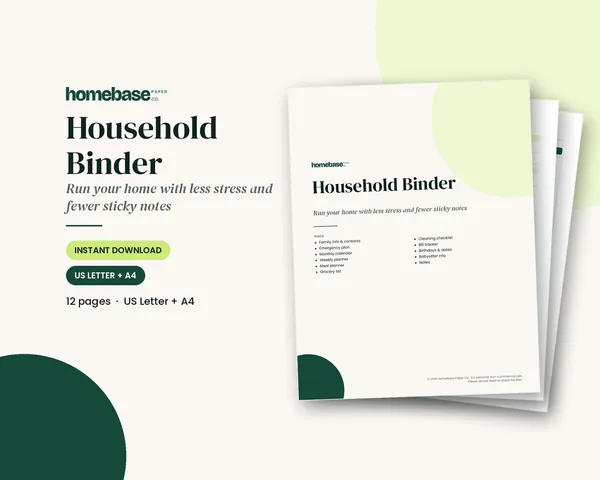
Household Binder
Family info, emergency plan, calendars, meals, groceries, cleaning, bills and sitter notes.
Frequently asked questions
What does car insurance cover? Car insurance can include several coverages. Liability pays for injuries and damage you cause to others, collision pays to repair your car after a crash, comprehensive covers theft, weather, fire and hitting an animal, and uninsured or underinsured motorist coverage protects you if the other driver has too little insurance. Some states also require personal injury protection.
How much car insurance do I need? At minimum, you need the liability coverage your state requires, but state minimums are often far too low to cover a serious crash. Many drivers choose much higher liability limits to protect their savings and income, and add collision and comprehensive coverage if their car would be expensive to replace or if they have a loan or lease.
How can I get cheaper auto insurance quotes? To get cheaper auto insurance quotes, compare at least three insurers with the same coverage limits, raise your deductible if you can afford it, ask about discounts for safe driving, good students, bundling with renters or home insurance and paying in full, and keep your driving record clean. Shopping around at each renewal is one of the most reliable ways to save.
Does car insurance follow the car or the driver? In general, car insurance follows the car, so if you lend your car to a friend with your permission, your policy is usually the primary coverage. The friend's own policy may then act as secondary coverage. Rules vary by state and policy, so check your policy before lending your car or driving someone else's.
What is a car insurance deductible? A deductible is the amount you pay out of pocket on a collision or comprehensive claim before your insurer pays the rest. If you have a $500 deductible and $3,000 in damage, you pay $500 and the insurer pays $2,500. Liability coverage usually has no deductible, because it pays other people for damage you cause.
More from HomeBase
You may also like

Printables
Budget Planner Printable
Twelve undated pages you can print every month: budget, bills, spending, savings and debt.

Spreadsheets
Bill Tracker Spreadsheet
Bills due in 3 days or less light up red, so nothing slips through.

Spreadsheets
Sinking Funds Tracker
It does the math: how much to set aside each month to hit every goal on time.

Spreadsheets
Paycheck Budget Spreadsheet
Enter your bills once. The sheet tells you which paycheck pays each one, all year.
 Club
Monthly club
Money Club
Anyone who wants a clear plan for the month's bills, holiday spending and savings.
Free printable
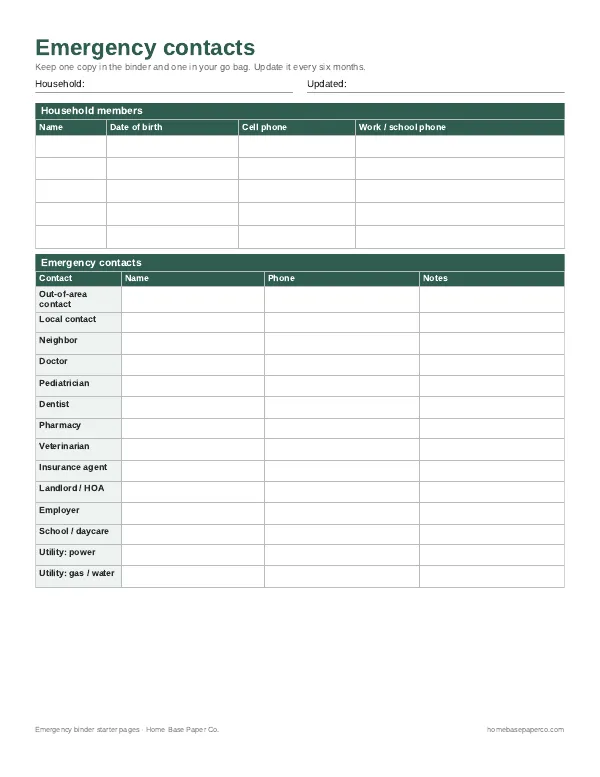
Have the important stuff in one place: get the free emergency binder pages
Printable starter pages for household members, emergency contacts, medical notes and where key documents live. You'll also get our weekly HomeBase email with simple ways to keep family records and important papers in order.
Sources
- Texas Department of Insurance: Auto insurance guide tdi.texas.gov
- Investopedia: Auto insurance investopedia.com
- Consumer Reports: Car insurance consumerreports.org