


The short answer: most New Year's superstitions share one idea: whatever you do on January 1 sets the pattern for the year. People pay bills, fill the pantry and clean before midnight, eat lucky foods and then do very little on New Year's Day.
- Classic don'ts: no laundry, no sweeping, no taking out the trash, no lending money, no crying
- Lucky foods: 12 grapes or black-eyed peas
- Practical habit: clear or schedule every bill due in early January
- Make January 1 a no-spend day
- Next step: Plan it with the Annual Budget Spreadsheet ($6.99).
The most common New Year's superstitions all share one idea: whatever you do on January 1 sets the pattern for the rest of the year. So people pay their bills, fill the pantry and clean the house before midnight, eat lucky foods like 12 grapes or black-eyed peas, and then spend New Year's Day doing very little. On the day itself, the classic don'ts are no laundry, no sweeping, no taking out the trash, no lending money and no crying.
You don't have to believe any of it to enjoy it. I love the seasons and the holidays, and the traditions that make a family feel like a family: the meals, the cards, the little rituals you repeat every year. New Year's superstitions are some of the oldest of those rituals, and most hide a good habit underneath. This guide lists the well-known ones, what each is supposed to bring and the practical step behind it, so you keep the fun and get a calmer January.
New Year's superstitions at a glance
Here are 20 popular New Year's superstitions. The last column is the part I care about most: the real-life habit each one points to.
| Superstition | Said to bring | The practical habit behind it |
|---|---|---|
| Pay off bills and debts before January 1 | A year without debt | Clear or schedule every bill due in early January |
| Keep money in your wallet at midnight | A year with money | Start January with a cash cushion, not an empty account |
| Don't lend or pay out money on New Year's Day | Money staying in the home | Make January 1 a no-spend day |
| Fill the pantry and fridge | A year with enough food | Plan the first week of meals and shop early |
| Clean the house before midnight | A fresh start | Do one reset clean on December 30 or 31 |
| Don't clean or sweep on New Year's Day | Not sweeping away good luck | Give yourself a real day off |
| Don't do laundry on New Year's Day | Not "washing away" a loved one | Finish the laundry before the holiday |
| Don't take out the trash on January 1 | Luck staying inside | Empty the bins on New Year's Eve |
| Eat 12 grapes at midnight | One lucky month per grape | A fun countdown everyone can join |
| Eat black-eyed peas and greens | Coins and paper money | A cheap, filling first meal of the year |
| Eat pork, not chicken or lobster | Moving forward, not backward | Plan a hearty main you can stretch into leftovers |
| Eat long noodles without breaking them | A long life | A simple meal with a wish attached |
| First footing: the first guest brings a gift | Luck for the household | Invite someone who makes you happy |
| Open doors or windows at midnight | Letting the old year out | A moment to say goodbye to the year |
| Make noise at midnight | Scaring off bad luck | Pots, pans and laughter |
| Kiss someone at midnight | A year of love | Tell your people you love them |
| Wear something new on New Year's Day | A new start | Put out tomorrow's outfit the night before |
| Wear red or yellow underwear | Love (red) or money (yellow) | A silly tradition that costs very little |
| Carry an empty suitcase around the block | A year of travel | Pick one trip and start a fund for it |
| Don't cry, argue or break things on January 1 | A peaceful year | Plan an easy, low-pressure day |
The thread running through almost all of them is that the first day of the year is a preview. Old American newspapers were full of this kind of advice. The Library of Congress collected a few: a 1921 Indiana paper said "It is lucky to rise early on New Year's morning." It also said "It brings good luck to place a piece of money on the window on New Year's eve." A 1945 North Carolina paper told readers to "Wear something new, if possible, on New Year's Day" (Library of Congress, Headlines & Heroes).
Money superstitions for the new year
Money shows up in more New Year's superstitions than anything else. Nobody wants to start a year broke.
- Pay your debts before midnight. Start the year owing money and you'll owe all year. The practical version: pay or schedule every bill due between December 28 and January 10.
- Keep money in your wallet and your pockets. An empty wallet at midnight is said to mean an empty year. The practical version: start January with a small cushion, even just a week of groceries.
- Don't lend money or pay out money on New Year's Day. Money that leaves on January 1 is said to keep leaving. Treat the day as a no-spend day. It's a gentle warm-up if you're thinking about a no-spend January challenge.
- Put a coin on the windowsill on New Year's Eve. This is the old newspaper version of "invite money in."
- Wear yellow underwear or polka dots. In many Latin American homes, yellow is for money. In the Philippines, round polka dots stand for coins.
Here's the honest part: none of these will change your bank balance. Knowing your numbers on January 1 will. So pair the superstition with one real money step: write down what you have, what you owe and what's coming due.
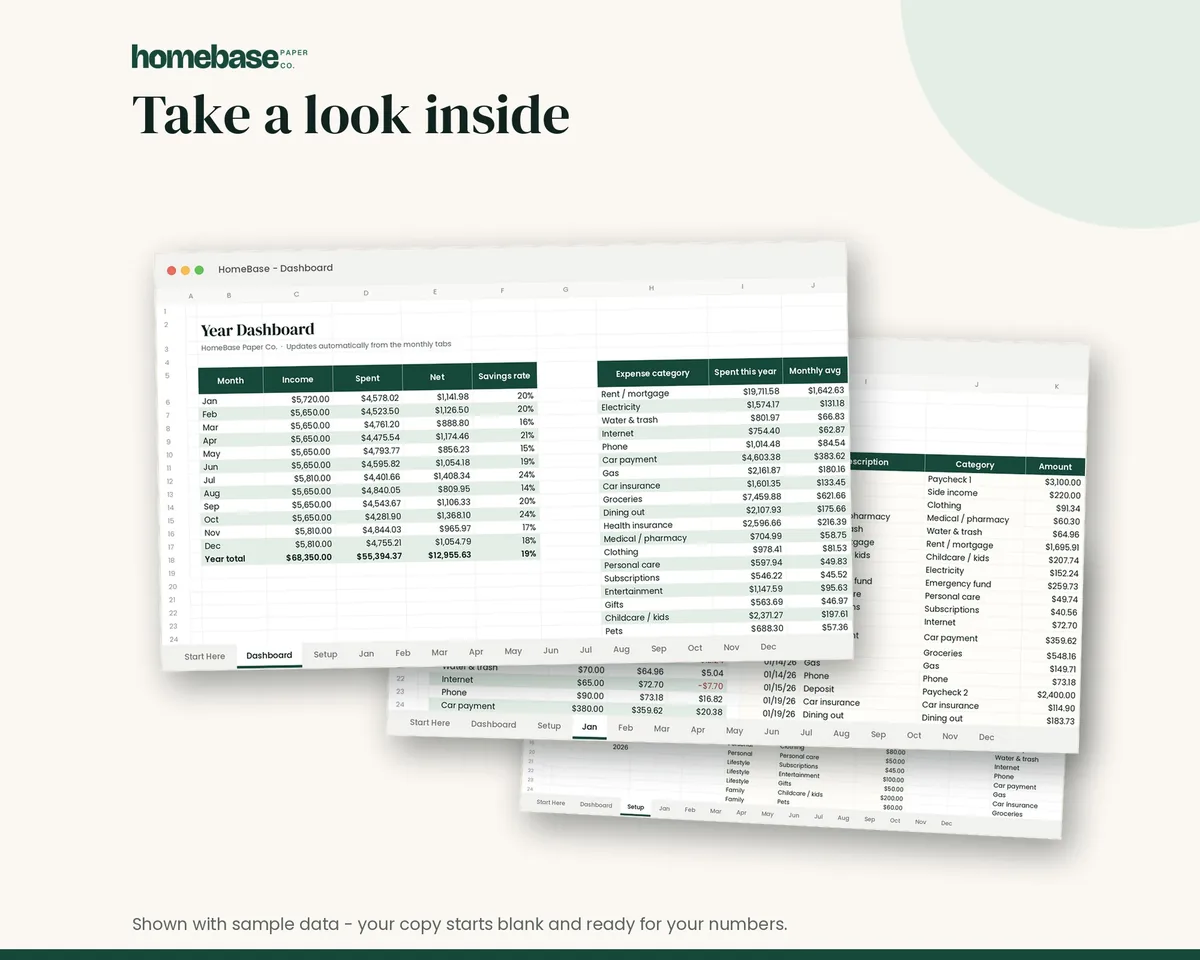
The Annual Budget Spreadsheet ($6.99) is built for exactly that first sit-down of the year. It has 12 monthly tabs, a planned-vs-actual view and a year dashboard, so the bills you paid before midnight and the plan for the next 12 months sit in one place. If you'd rather write it by hand, the Budget Planner Printable ($5.99) has 12 undated pages for your budget, bills, spending, savings and debt. You can browse all our budget spreadsheets too. For the full money task list, use our end-of-year financial checklist, then make a budget for the new year.
Can you clean, do laundry or wash dishes on New Year's Day?
By the superstition, no: you shouldn't clean, sweep, vacuum, do laundry or take out the trash on New Year's Day. In real life, of course you can. But the superstition is a great excuse to rest, so here's what each one means and how to plan around it.
| Chore | What the superstition says | How to plan around it |
|---|---|---|
| Laundry | Washing clothes on January 1 "washes away" a family member or your luck | Run the last loads on December 30 or 31 |
| Sweeping or vacuuming | You'll sweep your good luck out the door | Do a full clean on New Year's Eve morning |
| Taking out the trash | Luck leaves the house with the garbage | Empty every bin before the party starts |
| Washing dishes | Some families say it washes luck down the drain | Use a slow cooker meal and wash up on January 2 |
| Anything leaving the house | Nothing should go out until something comes in | Bring in something new first, like groceries or a gift |
Some households take the "nothing goes out" rule so seriously that they won't even shake out a rug on New Year's Day. The softer version says it's fine to take things out once something new has come in first.
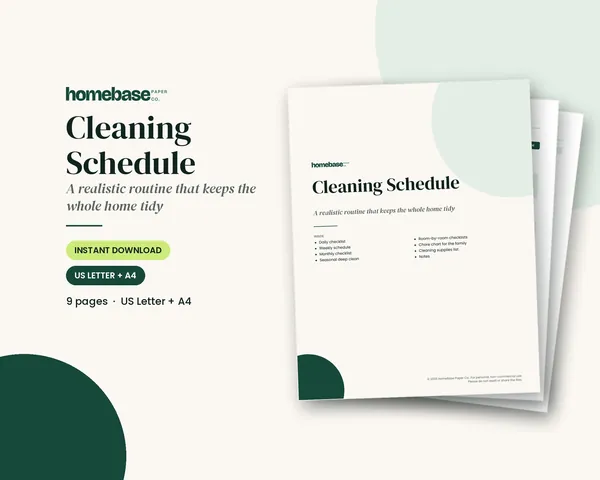
The planning lesson is simple. If you want a quiet New Year's Day, the cleaning has to happen on December 30 and 31. Our Cleaning Schedule ($4.49) has room-by-room checklists and a seasonal deep-clean list, so you can split a reset clean over those two days. Then you can truly put your feet up on January 1. If guests are coming, our guide to cleaning before holiday guests has a fast room-by-room order.
Lucky food superstitions for New Year's
Food traditions are the most loved New Year's superstitions, mostly about money, long life or moving forward. The Library of Congress food blog lists several from around the world (Library of Congress, Inside Adams):
| Food | Where it's common | What it stands for |
|---|---|---|
| Black-eyed peas (Hoppin' John) and collard greens | The American South | Peas for coins, greens for paper money |
| 12 grapes at midnight | Spain, Portugal and much of Latin America | One grape for each stroke of the clock and each month |
| Pork and sauerkraut | Pennsylvania Dutch families | A pig roots forward, so the year moves forward |
| Lentils and sausage (cotechino) | Italy | Wealth and money |
| Toshikoshi soba (buckwheat noodles) | Japan | Long life and wealth |
| Vasilopita, a bread with a coin baked inside | Greek and Eastern European families | Good luck for whoever finds the coin |
| Oliebollen (doughnuts) | The Netherlands | Eaten at midnight to celebrate |
| Pink marzipan pigs | Germany, Austria and northern Europe | Good luck |
Two food superstitions are about what not to eat. Some people skip chicken because a chicken scratches backward, and lobster because it moves backward. Pork gets the vote instead because a pig pushes forward.
If you're cooking the Southern menu, our New Year's Day meal guide has the full plan, from the peas to the collard greens and cornbread, with a make-ahead timeline.
The 12 grapes (and the "under the table" version)
To do the 12 grapes, wash and dry 12 small grapes per person and put them in a cup or on a skewer before midnight. Eat one grape at each chime or each second of the final countdown, and make a wish for each month. If you finish all 12 by the last chime, the year is said to be lucky.
A newer viral version has you eat the grapes sitting under the table, said to bring love in the new year. It has no deep history, but it makes everyone laugh.
One real safety note: whole grapes are a choking hazard for little ones. The American Academy of Pediatrics' HealthyChildren site lists whole grapes among the foods to avoid or modify and says round, firm foods like grapes "can be served if completely chopped into tiny pieces" (HealthyChildren.org). For young children, cut the grapes into small pieces or swap in 12 pieces of soft fruit, and nobody should have to swallow them in a rush.
Fill the pantry before January 1
"Don't start the year with bare cupboards" is one of the oldest New Year's superstitions, and great advice for the first week of January, when the holiday money is spent and nobody wants to think about dinner. Our Meal Planner & Grocery List ($3.99) helps you plan that first week of meals, check the pantry and build one aisle-sorted grocery list, so you shop once before New Year's Eve and then stay home.
Midnight and doorway superstitions
- First footing. In Scotland and northern England, the first person to step into your home after midnight sets the luck for the year. An old Midland Journal item quoted by the Library of Congress said the first visitor after 12 "is believed to bring that home good luck for the remainder of the year." Traditionally the first footer brings small gifts such as coal, bread, salt or shortbread.
- Open the doors and windows. Some families open the front door or a window at midnight to let the old year out and the new one in.
- Make noise. Banging pots and pans, honking horns and cheering are said to scare bad luck away.
- Kiss at midnight. Kissing your sweetheart at midnight is said to keep your love strong all year.
- Jump into the new year. In Denmark, people jump off chairs at midnight to "leap" into January, and some still save old dishes to smash at friends' doors.
What not to do on New Year's Day
The most common "don'ts" for January 1:
- Don't do laundry.
- Don't clean, sweep or vacuum.
- Don't take out the trash or let anything leave the house before something comes in.
- Don't lend money, pay back money or go shopping.
- Don't break anything, especially glass or dishes.
- Don't cry, argue or start the year angry.
- Don't eat chicken or lobster if you want the year to move forward.
- Don't let the first visitor be someone who brings bad news.
- Don't sleep in, since some old lists say rising early brings a lucky year.
- Don't start the year with an empty wallet or an empty fridge.
Most of these are really about a calm day, which only happens if the work gets done before it.
A New Year's Eve plan that covers the superstitions
This simple plan turns the superstitions into a to-do list.
| Day | Superstition it covers | What to do |
|---|---|---|
| December 28 | Pay debts before January 1 | Pay or schedule every bill due through January 10 |
| December 29 | A full pantry | Plan the first week of meals and do one grocery trip |
| December 30 | Clean before midnight, no laundry on January 1 | Reset clean, finish all laundry, change the sheets |
| December 31, morning | Nothing goes out on January 1 | Empty all trash and recycling bins |
| December 31, evening | Money in your wallet, 12 grapes, new clothes | Set out tomorrow's outfit, put a little cash in your wallet, prep the grapes |
| January 1 | No spending, no chores | Eat the lucky meal, rest and fill in your budget for the year |
For party food, games and a countdown timeline, see our New Year's Eve party ideas. Staying in? Our guide to a family New Year's Eve at home has easy ideas. And if you want to know which day the holiday falls on, check when New Year's is, which also has a free New Year's planner with a money reset checklist.
How to share New Year's superstitions with family and friends
Turn the tables above into trivia. Read a tradition and have everyone guess the country. Or put a small card by each dish that says what it stands for, such as "peas for coins."
If you love cards like I do, write each person's wish for the year on a small card at midnight and save them to read next New Year's Eve. Pair it with a quick year in review and you've got a tradition people will ask for again.
Make the luck practical
You can eat every grape and still start January stressed. The most useful New Year's superstitions are really a checklist: pay what you owe, fill the pantry, reset the house, rest on January 1 and know your numbers.
If you want one tool to carry that into the whole year, start with the Annual Budget Spreadsheet ($6.99). Want the complete set? The Ultimate Budget Bundle has 8 budget tools, including the Annual Budget Spreadsheet and the Budget Planner Printable, for $19.99 instead of $46.42 when you buy them separately. Browse every budget spreadsheet or see all our bundles.
Want something to say at midnight? Pick from 100 happy New Year wishes for family, friends and work.
Make it easier
Tools for this

Spreadsheets
Annual Budget Spreadsheet
See exactly where your money goes every month - without complicated software.

Printables
Budget Planner Printable
Twelve undated pages you can print every month: budget, bills, spending, savings and debt.
Printables
Cleaning Schedule
Daily, weekly, monthly and seasonal lists - plus a family chore chart.
Frequently asked questions
What are the most common New Year's superstitions? The most common New Year's superstitions are paying your debts before midnight, filling the pantry, cleaning before the year turns, eating lucky foods like 12 grapes or black-eyed peas, and skipping laundry, sweeping and spending on New Year's Day. They all rest on the same idea: what you do on January 1 sets the pattern for the year. Other favorites include kissing at midnight, first footing, wearing something new and opening the door to let the old year out.
What should you not do on New Year's Day? By tradition, you shouldn't do laundry, clean, sweep, take out the trash, lend or spend money, break dishes, cry or argue on New Year's Day. Some people also skip chicken and lobster because both move backward. None of these will really ruin your year, but together they make a good case for a calm day off, which means finishing the chores and errands on December 30 and 31.
Can you do laundry on New Year's Day? By the superstition, no: washing clothes on January 1 is said to "wash away" a loved one or your good luck for the year. In real life nothing happens if you run a load, but if you want to honor the tradition, finish all your laundry on December 30 or 31 and change the sheets before the party.
Can you clean on New Year's Day? The Cleaning Schedule ($4.49) makes it easy to skip cleaning on New Year's Day because its room-by-room checklists let you finish a reset clean on December 30 and 31. The superstition says sweeping or vacuuming on January 1 sweeps your good luck out the door, so many families clean the day before and rest on the holiday.
Can you wash dishes on New Year's Day? Some families say washing dishes on New Year's Day washes your luck down the drain, though it's a less common rule than the laundry one. If you want to follow it, cook a slow cooker or one-pan meal, use fewer dishes and do the washing up on January 2. If you don't mind the superstition, wash away.
Why do people pay off bills before the New Year? The Annual Budget Spreadsheet ($6.99) turns this superstition into a real habit: you list every bill due in early January, mark them paid and plan all 12 months on one dashboard. The belief is that starting the year in debt means staying in debt all year. Practically, paying or scheduling bills due between December 28 and January 10 keeps holiday chaos from causing late fees.
Why should you have money in your wallet on New Year's Eve? The Budget Planner Printable ($5.99) helps you start January with a planned cushion instead of an empty account, which is the real-life version of this superstition. An empty wallet at midnight is said to mean an empty year, so people tuck cash in their wallets and pockets, and some old American newspapers advised placing a coin on the windowsill on New Year's Eve.
What does eating 12 grapes at midnight mean? Eating 12 grapes at midnight is a Spanish tradition, also common in Portugal and Latin America, where you eat one grape at each stroke of the clock to bring luck for each of the 12 months. Many people make a wish with every grape. For young children, cut grapes into tiny pieces or use soft fruit, since whole grapes are a choking hazard.
Why do people eat 12 grapes under the table? Eating 12 grapes under the table is a newer, social media version of the grape tradition that is said to bring love or a new partner in the coming year. It doesn't have the long history of the Spanish custom, but it's harmless and fun. Prep the grapes in cups before midnight so everyone can duck under the table on time.
What does wearing red underwear on New Year's Eve mean? Wearing red underwear on New Year's Eve is a tradition in many Latin American and some European homes that is said to bring love and passion in the new year. Yellow underwear is said to bring money and luck, and some people choose a color for whatever they want most. Wearing something new on New Year's Day is an older version of the same fresh-start wish.
What is first footing? First footing is a Scottish and northern English New Year's custom where the first person to step into your home after midnight sets the household's luck for the year. Traditionally the first footer brings small gifts such as coal, bread, salt or shortbread. Many families choose their first footer ahead of time and have them step outside just before midnight.
What foods are lucky to eat on New Year's Day? The Meal Planner & Grocery List ($3.99) helps you plan a lucky New Year's Day menu and shop for it in one trip before the holiday. Common lucky foods include black-eyed peas and collard greens in the American South, 12 grapes in Spain and Latin America, pork and sauerkraut, lentils in Italy, long soba noodles in Japan and coin bread such as vasilopita.
Why shouldn't you take out the trash on New Year's Day? The Cleaning Schedule ($4.49) helps you plan the bins and the deep clean for New Year's Eve so nothing has to go out on January 1. The superstition says that anything leaving the house on New Year's Day, even garbage, carries your luck out with it. A softer version says it's fine once something new, like groceries or a gift, has come in first.
Is it bad luck to spend money on New Year's Day? The Ultimate Budget Bundle ($19.99, $46.42 if bought separately) gives you 8 budget tools to plan the year, which makes a no-spend New Year's Day easy to keep. The superstition says money that leaves on January 1 will keep leaving all year, so many people avoid shopping, lending or paying out money that day. It's also a gentle start to a no-spend January.
Do New Year's superstitions actually work? There's no evidence that New Year's superstitions change your luck, but many of them build habits that do help. Paying bills early, stocking the pantry, cleaning before the holiday and resting on January 1 all make the first weeks of the year calmer. Keep the traditions that bring your family joy and treat the rest as a fun to-do list.
More from HomeBase
You may also like

Printables
Christmas Budget & Gift Planner
Set a budget for every person, log each purchase, and watch what's left - plus printable gift, card, menu and to-do pages.
 Thanksgiving Edition
Printables
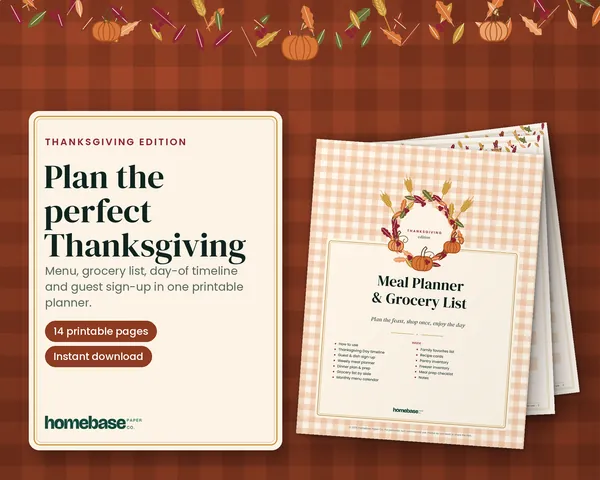
Meal Planner & Grocery List: Thanksgiving Edition
Plan the perfect Thanksgiving: our meal planner in a warm harvest design, with a Thanksgiving Day timeline, a guest & dish sign-up, an aisle-sorted grocery list and pantry and freezer trackers.
Spreadsheets
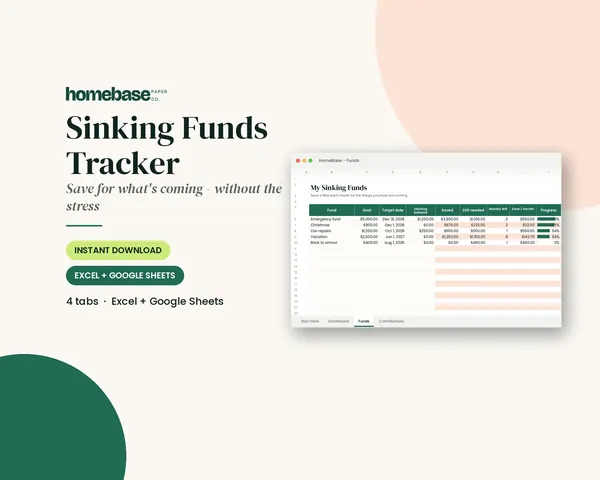
Sinking Funds Tracker
It does the math: how much to set aside each month to hit every goal on time.
 Starter pick
Printables
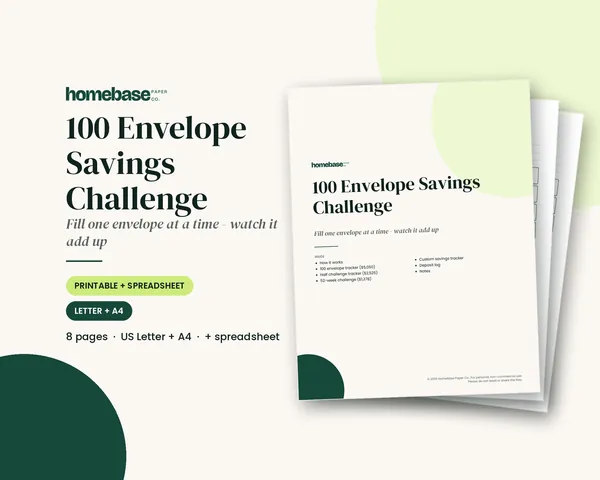
100 Envelope Savings Challenge
Classic, half and 52-week challenges to print, plus a spreadsheet that tracks every envelope and tells you how much to save each week.
 Club
Monthly club
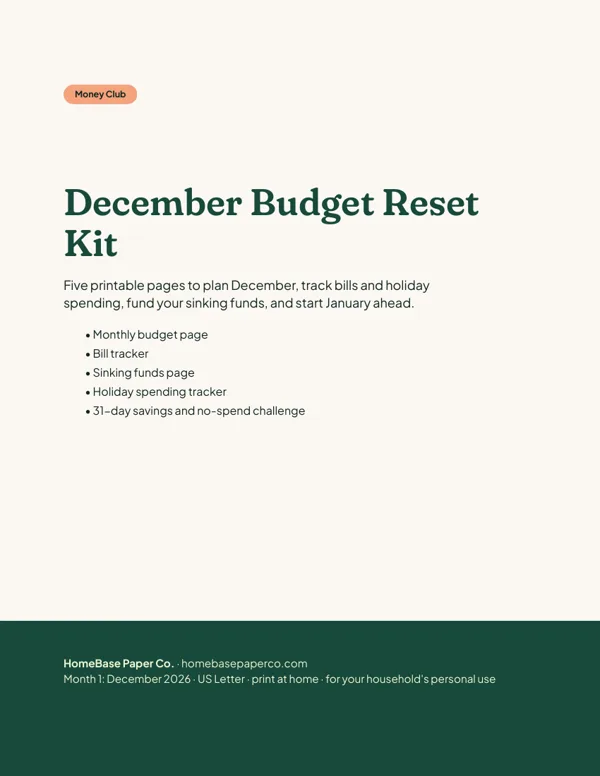
Money Club
Anyone who wants a clear plan for the month's bills, holiday spending and savings.
Free printable
Get the free Holiday Budget Starter Kit
A one-page holiday budget, a gift list with a spending limit for every person, and a 6-week countdown so December stays calm and paid for. You'll also get our weekly HomeBase email with simple holiday planning, budgeting and hosting tips.
