
 The Holiday Collection

The short answer: a traditional Southern New Year's Day meal is black-eyed peas (often as Hoppin' John), collard greens and cornbread, usually with pork. The peas stand for coins, the greens for paper money and the cornbread for gold.
- Pork is said to stand for moving forward
- Budget-friendly: buy dried peas and use the bone from your Christmas ham
- Make ahead: almost all of it can be cooked a day ahead
- Timeline: December 28 to January 1
- Next step: Plan it with the Meal Planner & Grocery List ($3.99).
A traditional New Year's Day meal in the American South is black-eyed peas (often cooked as Hoppin' John with rice and pork), collard greens and cornbread. Each dish is a wish for the year ahead: the peas stand for coins, the greens for paper money and the cornbread for gold, and pork is said to stand for moving forward. It's also one of the most budget-friendly holiday dinners you can make, and almost all of it can be cooked a day ahead.
Below: what each dish means, where the tradition comes from, a full menu with swaps, a budget shopping list, a make-ahead timeline and food-safety tips for the ham and leftovers.
What is the traditional New Year's Day meal?
The classic plate has four parts, plus rice to stretch it. Here's what each means and how to keep it affordable.
| Dish | What it stands for | Budget tip |
|---|---|---|
| Black-eyed peas or Hoppin' John | Coins and good luck | Buy dried peas instead of canned when you have time to cook |
| Collard greens (or cabbage) | Paper money | Compare whole bunches, bagged greens and cabbage by price per pound |
| Cornbread | Gold | Make it from cornmeal, flour and pantry basics instead of a boxed mix if you have them |
| Pork (ham, ham hock, bacon or hog jowl) | Moving forward (pigs root forward, so the saying goes) | Use the bone and scraps from your Christmas ham |
| Rice | Stretches the peas into a full meal | Buy a larger bag and use it all January |
According to N.C. Cooperative Extension, some families also add tomatoes for good health, and some say to leave three black-eyed peas on your plate to secure luck, wealth and romance for the year. For good-luck customs beyond the plate, see our New Year's superstitions guide.
Where the New Year's Day food tradition comes from
This meal carries a lot of history.
- African roots. N.C. Cooperative Extension explains that rice and black-eyed peas were domesticated in West Africa and brought to the United States through the transatlantic slave trade. Enslaved people's knowledge made rice a major crop in the South Carolina Lowcountry, and versions of Hoppin' John were likely eaten across the South, especially between Christmas and New Year's Day. As the Extension writer puts it, it's important to recognize this painful history while hoping for prosperity in the new year.
- Older luck customs. University of Missouri Extension dates eating black-eyed peas for luck to around A.D. 500, during Rosh Hashanah, the Jewish new year.
- "Eat poor on New Year's and eat fat the rest of the year." MU Extension connects the humble peas to this old saying, and adds that dried peas swelling as they cook is said to stand for growing wealth.
- The name. Nobody knows for sure where "Hoppin' John" comes from. One theory points to an old invitation to dinner ("hop in, John"); another to a French-Haitian name for the pigeon pea. Leftovers eaten a couple of days later are sometimes called "Skippin' Jenny."
It's a humble meal with a big wish, and a good way to start a year you want to spend wisely.
A complete New Year's Day dinner menu
Pick one item per row. It feeds a family with leftovers for a day or two.
| Course | Classic choice | Easy swap | Make-ahead? |
|---|---|---|---|
| Main | Hoppin' John (peas, rice, pork) | Black-eyed peas over rice, served separately | Yes, a day ahead |
| Meat | Sliced ham (Christmas leftovers from the freezer) | Smoked sausage, pork chops or a small pork roast | Ham: reheat; roast: cook that day |
| Greens | Collard greens with smoked meat | Cabbage, turnip or mustard greens | Yes, they taste better the next day |
| Bread | Skillet cornbread | Corn muffins | Bake fresh (30 to 40 minutes total) |
| Side | Sliced tomatoes or a tomato salad | Black-eyed pea salad ("Texas caviar") | Salad: yes, a day ahead |
| Dessert | Sweet potato pie | Anything left from Christmas | Yes |
| Condiments | Hot sauce, pepper vinegar, chopped onion | Chow-chow or relish | Yes |
Feeding a crowd? Double the peas and rice before you double the meat. Peas and rice stretch the furthest, and they carry the luck.
Vegetarian or no pork? Cook the peas and greens with onion, garlic, smoked paprika, a bay leaf and vegetable broth, then finish with a splash of vinegar. A smoked turkey wing or neck is a common swap for families who don't eat pork.
How to plan a New Year's Day meal on a budget
This dinner is naturally inexpensive because it's built on dried legumes, rice, greens and cornmeal. A little planning keeps it that way.
- Shop your kitchen first. Before you write a list, check the freezer for the Christmas ham bone, bacon ends or smoked meat, and the pantry for rice, cornmeal, flour, onions and spices. A pantry and freezer inventory makes this a five-minute job.
- Set the menu, then the list. Pick one item per row from the menu above and write the grocery list from that, grouped by store section. You'll skip the extra store run, and the extras that tend to come home with it.
- Buy dried peas if you'll cook them. Dried peas often cost less per serving than canned, and they don't need an overnight soak. Canned peas are worth it if they're what gets dinner on the table.
- Use the whole ham. The bone and scraps flavor both the peas and the greens, so you don't need to buy a separate ham hock.
- Pick the cheaper green. Compare collards and cabbage at the store. Both keep the money meaning.
- Plan the leftovers on purpose. Make enough for January 2 and 3. Leftover Hoppin' John, greens and cornbread are two easy dinners while everyone's getting back to work and school schedules. Extra cornbread also makes a good Southern cornbread dressing.
- Share the cooking. If family is coming, assign the cornbread, the dessert and the tomato salad to guests. Use the per-dish approach from our Christmas dinner on a budget guide.
Fill in this quick cost worksheet with your own store prices so you know the real cost before you shop.
| Item | Have it? | Need to buy | Est. cost |
|---|---|---|---|
| Black-eyed peas (dried or canned) | |||
| Rice | |||
| Collards or cabbage | |||
| Ham bone, hock, bacon or smoked turkey | |||
| Onions, garlic, peppers | |||
| Cornmeal, flour, eggs, milk, butter | |||
| Tomatoes or salad items | |||
| Dessert | |||
| Total |
If you're also starting a new year budget or a no-spend January, this is the meal to start with. It's festive, filling and mostly made from staples.
New Year's Day meal shopping list
Copy this list and cross off what you already have. Amounts depend on your recipes and how many you're feeding.
Produce
- Collard greens, cabbage or other greens
- Yellow onions, garlic, a green bell pepper and celery (for Hoppin' John)
- Tomatoes (optional, for health)
Pantry
- Dried black-eyed peas (or canned)
- Long-grain rice
- Cornmeal and all-purpose flour
- Baking powder, salt, sugar (optional, depending on your cornbread)
- Chicken or vegetable broth
- Bay leaves, black pepper, red pepper flakes, smoked paprika
- Apple cider vinegar or pepper vinegar
- Hot sauce
Meat and dairy
- Ham bone, ham hock, bacon, hog jowl or smoked turkey
- Eggs, milk or buttermilk, butter
Make-ahead timeline: December 28 to January 1
Most of this meal is better made a day early, which frees up New Year's Day for family.
| When | What to do |
|---|---|
| Dec. 28 | Check the freezer and pantry (the Christmas ham and bone should already be frozen; see the food-safety section), choose the menu, write the grocery list |
| Dec. 29 | Shop. Move the frozen ham bone to the refrigerator to thaw |
| Dec. 30 | Wash and chop the greens; store them in the refrigerator. Make dessert |
| Dec. 31, afternoon | Cook the greens with the smoked meat. Rinse and soak the peas, then cook them. Cool both quickly in shallow containers and refrigerate |
| Dec. 31, evening | Make the black-eyed pea salad if you're serving one. Set out the cornbread skillet and dry ingredients |
| Jan. 1, 1 to 2 hours before dinner | Make the rice. Reheat the peas and greens to 165°F. Stir the rice into the peas for Hoppin' John or serve them side by side |
| Jan. 1, 45 minutes before dinner | Bake the cornbread. Reheat the sliced ham |
| Jan. 1, after dinner | Refrigerate leftovers within 2 hours |
If you're hosting New Year's Eve too, keep that menu simple. Our New Year's Eve at home guide has easy snack-board ideas so you aren't cooking two big meals back to back. If you'd rather do a sit-down meal that night, our New Year's Eve dinner ideas keep it manageable.
How to cook the core dishes
These are flexible methods, not strict recipes. Season to taste.
Black-eyed peas and Hoppin' John
Rinse dried peas and pick out any stones. Black-eyed peas cook faster than most dried beans, and University of Missouri Extension says to rehydrate dry black-eyed peas for at least 30 minutes before cooking. Cook the onion, pepper, celery and garlic in a little fat from the ham or bacon, add the peas, the ham bone and enough broth or water to cover by a couple of inches, then simmer until tender. Salt near the end. For Hoppin' John, stir the peas into cooked rice, or serve the peas over rice so leftovers keep their texture.
Collard greens
Strip the leaves from the stems, roll them and slice into ribbons. Simmer them with smoked meat, onion, garlic and broth until tender, then finish with a splash of vinegar and red pepper flakes. Save the cooking liquid (pot likker) for dipping cornbread.
Cornbread
Heat a greased cast-iron skillet in the oven while you mix cornmeal, flour, baking powder, salt, egg, buttermilk and melted butter. Pour the batter into the hot skillet for a crisp edge and bake until golden and a toothpick comes out clean.
Food safety for the holiday ham and leftovers
New Year's Day often means reheating Christmas leftovers for a crowd. These temperatures come from FoodSafety.gov's safe minimum internal temperature chart and USDA's guidance on leftovers.
| Food | Safe temperature or rule |
|---|---|
| Raw ham, fresh pork chops or roasts | 145°F, then rest 3 minutes |
| Ground pork or sausage | 160°F |
| Precooked ham, reheated | 165°F (140°F for hams packaged in USDA-inspected plants) |
| Any leftovers, reheated | 165°F; bring soups, sauces and pot likker to a rolling boil |
| Food sitting out | Refrigerate within 2 hours (1 hour above 90°F) |
| Leftovers in the refrigerator | Use within 3 to 4 days |
| Leftovers in the freezer | Best within 3 to 4 months |
Two tips matter most for this meal:
- Cool big pots fast. USDA advises dividing large amounts of food into shallow containers so they cool quickly. Don't put a full stockpot of peas or greens in the refrigerator to cool overnight.
- Check the date on the Christmas ham. If the ham was cooked on December 24 or 25, it's past the 3 to 4 day refrigerator window by New Year's Day. Freeze the leftover ham and the bone within 3 to 4 days of Christmas, then thaw them in the refrigerator for New Year's Day. A frozen ham bone also makes a pot of ham and bean soup in January.
What to do with the leftovers
Leftovers are part of the tradition. Here's a simple plan for the first days of January:
- January 2: Skippin' Jenny (leftover Hoppin' John) with reheated greens and cornbread.
- January 3: Black-eyed pea soup. Thin the peas with broth, add greens and diced ham, and simmer.
- January 4: Freeze anything left in labeled, dated containers for a busy weeknight later in the month.
For more ways to turn holiday food into easy dinners, see our holiday freezer meal prep plan.
New Year's food traditions from other cultures
The Southern plate isn't the only lucky meal. Many families mix in other traditions built on the same wish for wealth, health or long life. In many Mexican and Mexican-American homes, a pot of pork and hominy stew from a posole recipe is part of the New Year's celebration.
| Tradition | Where it's common | What it stands for |
|---|---|---|
| Twelve grapes at midnight | Spain and much of Latin America | One for each month of the new year |
| Lentils | Italy and parts of Latin America | Coins and prosperity |
| Pork and sauerkraut | Pennsylvania Dutch and German American families | Moving forward and abundance |
| Long noodles | Many Asian cultures | Long life (don't cut them) |
| Round fruit | The Philippines and other places | Coins and a full year |
Why I plan this meal this way
I grew up in Detroit as the oldest of three, and I was the one my family leaned on to keep things coordinated. I also love to cook. A holiday meal goes better when the plan is on paper before anyone turns on the stove. This dinner is built on humble ingredients, carries a lot of meaning and gives everyone a reason to give thanks together at the start of a new year. My faith shapes how I see that, too: gratitude, generosity and taking good care of what we've been given.
Plan your New Year's Day meal on one page
Plan it like any week of dinners and it stays simple and affordable.
- Meal Planner & Grocery List ($3.99): a 12-page printable with a Dinner Plan & Prep page for your timeline, a grocery list grouped by store section, and pantry and freezer inventories so you use the ham bone and pantry staples first. Find more in our Printables.
- Family Recipe Binder ($6.99): write down your New Year's Day recipes the first time you make them, with the amounts you actually used, so next year is easier.
- Holiday Season Bundle ($15.99, $25.94 if bought separately): the Meal Planner & Grocery List plus the Christmas Budget & Gift Planner, Sinking Funds Tracker and three more tools for the season. See all Bundles.
Still planning the rest of the season? The free Holiday Budget Starter Kit is 3 US Letter pages, emailed after you join our list: a one-page holiday budget, a gift list with per-person limits and a 6-week countdown. For the week before, try our Christmas dinner menu planner and meal planning on a budget guide.
Celebrating again in February? See our guide to Lunar New Year traditions and lucky foods.

The Holiday Collection
Give every person a limit and watch what's left
The Christmas Budget & Gift Planner adds up every list for you: a budget for each person, a log of each purchase and the amount left to spend, plus printable gift, card, menu and to-do pages.
- Spreadsheet for Excel and Google Sheets
- 11 printable pages, US Letter + A4
- Instant download, 14-day fix-or-refund promise

Planning the whole season? See the holiday sets from $7, with early prices through Cyber Monday
Make it easier
Tools for this
 Starter pick
Printables
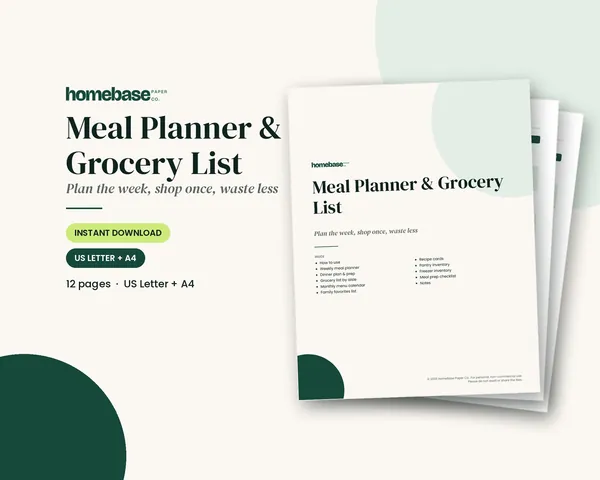
Meal Planner & Grocery List
Weekly meals, a grocery list sorted by aisle, and pantry and freezer inventories so you shop once and waste less.
Printables
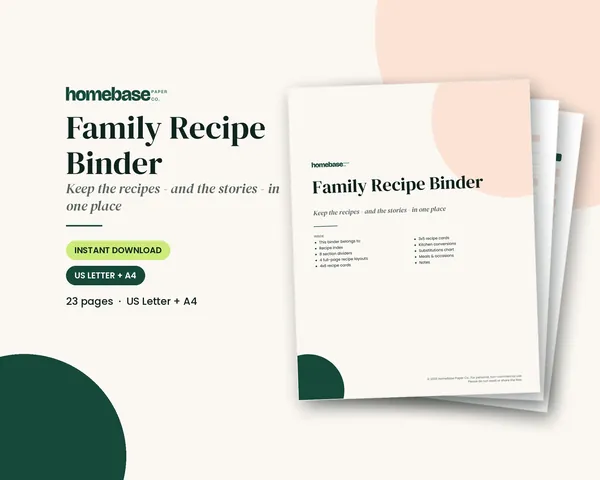
Family Recipe Binder
Section dividers, four recipe page layouts with room for the family story, 4x6 and 3x5 cards and a conversion chart - print it or type into the fillable version.
 Save 38%
Bundles
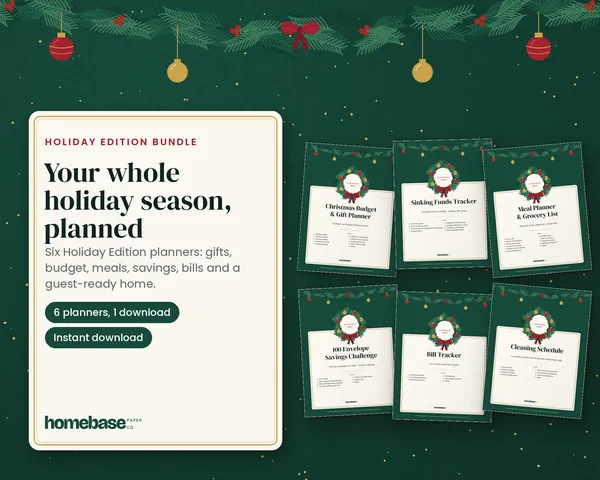
Holiday Season Bundle
Plan Christmas, save for it all year, and host without the January money hangover.
Frequently asked questions
What is the traditional New Year's Day meal? The traditional Southern New Year's Day meal is black-eyed peas (often as Hoppin' John with rice and pork), collard greens and cornbread. The peas stand for coins, the greens for paper money and the cornbread for gold, so the plate is a wish for a prosperous year.
Why do people eat black-eyed peas on New Year's Day? Black-eyed peas are eaten on New Year's Day for luck and prosperity, because the small round peas are said to look like coins. University of Missouri Extension notes the custom of eating them for luck goes back centuries, and dried peas swelling as they cook is said to stand for growing wealth.
What does each food in the New Year's Day meal mean? Black-eyed peas mean coins, collard greens mean paper money, cornbread means gold and pork is said to mean moving forward. Some families add tomatoes for health or leave three peas on the plate for luck, wealth and romance.
What is Hoppin' John? Hoppin' John is a Southern dish of black-eyed peas, rice and pork, usually ham or bacon, eaten on New Year's Day for luck. N.C. Cooperative Extension traces its ingredients to West African foodways and notes that leftovers eaten a few days later are sometimes called Skippin' Jenny.
How do I plan a New Year's Day dinner on a budget? Build the meal around dried black-eyed peas, rice, greens and cornbread, which are inexpensive staples, and use a leftover Christmas ham bone or a smoked turkey wing for flavor. The Meal Planner & Grocery List ($3.99) gives you a dinner plan page and a grocery list grouped by store section, so you buy only what the menu needs.
Can I make the New Year's Day meal ahead of time? Yes, most of it gets better made a day ahead. Cook the greens and the peas on December 31, cool them quickly in shallow containers and refrigerate them, then reheat to 165°F on New Year's Day while the cornbread bakes.
Do I have to soak black-eyed peas? No, black-eyed peas don't need an overnight soak. They cook faster than most dried beans; University of Missouri Extension says to rehydrate dry black-eyed peas for at least 30 minutes before cooking, and a short soak helps them cook evenly.
What can I serve instead of collard greens? Cabbage, turnip greens, mustard greens or kale all work in place of collards and keep the green-for-money meaning. In many families cabbage is the traditional green, so compare prices and buy whichever costs less that week.
How do I make a vegetarian New Year's Day meal? Cook the peas and greens with onion, garlic, smoked paprika and a splash of vinegar instead of pork, and use vegetable broth. You keep the peas, greens and cornbread, which carry the traditional meanings.
What temperature should I reheat leftover ham to? Reheat leftover cooked ham to 165°F. FoodSafety.gov says cooked hams packaged in USDA-inspected plants can be reheated to 140°F, but leftovers and any ham repackaged at home should reach 165°F, checked with a food thermometer.
How long are New Year's Day leftovers good for? Leftovers keep 3 to 4 days in the refrigerator or 3 to 4 months in the freezer, according to USDA's Food Safety and Inspection Service. Refrigerate them within 2 hours of cooking and reheat to 165°F.
What do other cultures eat on New Year's Day for luck? Many cultures eat foods that stand for wealth or long life at the new year. Spain and much of Latin America eat twelve grapes at midnight, one for each month, and lentils, long noodles, pork with sauerkraut and round fruit are other common good-luck foods.
Should I put a coin in the black-eyed peas? No, you shouldn't put a coin in the black-eyed peas. Some families hide a penny or dime in the pot for the person who'll have the most luck, but University of Missouri Extension advises against it because the coin can be a choking hazard.
How do I keep track of family New Year's Day recipes? Write them down the first time you make them, with the amounts you actually used. The Family Recipe Binder ($6.99) gives you printable recipe pages and dividers so the New Year's Day recipes stay together year after year.
More from HomeBase
You may also like
 Thanksgiving Edition
Printables
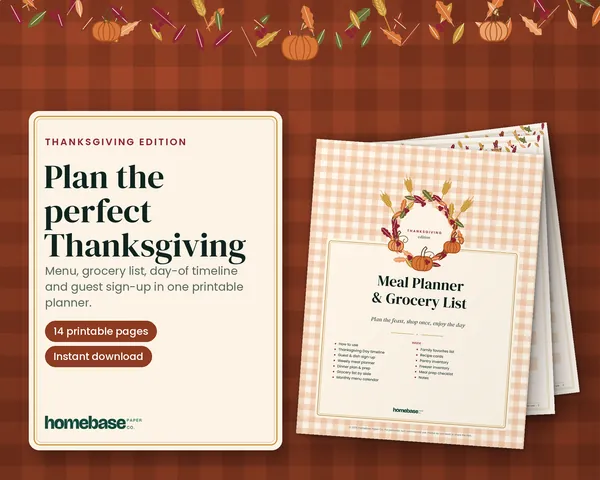
Meal Planner & Grocery List: Thanksgiving Edition
Plan the perfect Thanksgiving: our meal planner in a warm harvest design, with a Thanksgiving Day timeline, a guest & dish sign-up, an aisle-sorted grocery list and pantry and freezer trackers.
Printables
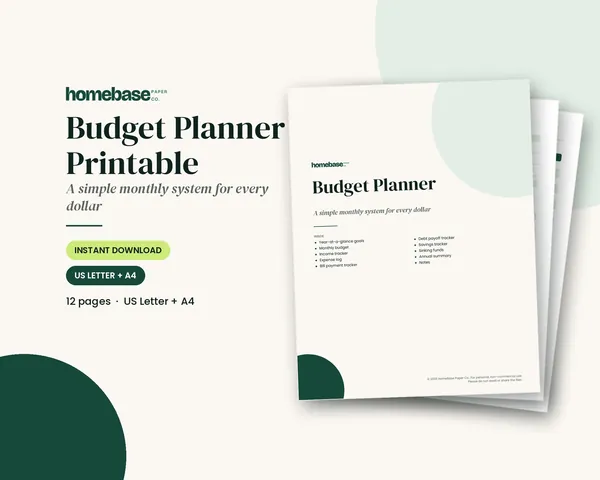
Budget Planner Printable
Twelve undated pages you can print every month: budget, bills, spending, savings and debt.
Printables
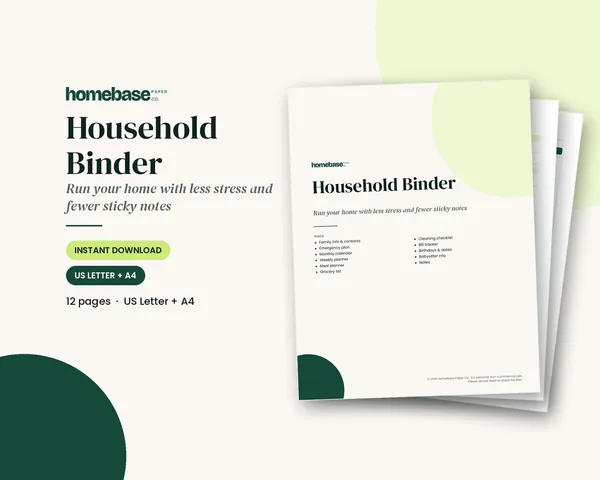
Household Binder
Family info, emergency plan, calendars, meals, groceries, cleaning, bills and sitter notes.
 Starter pick
Printables
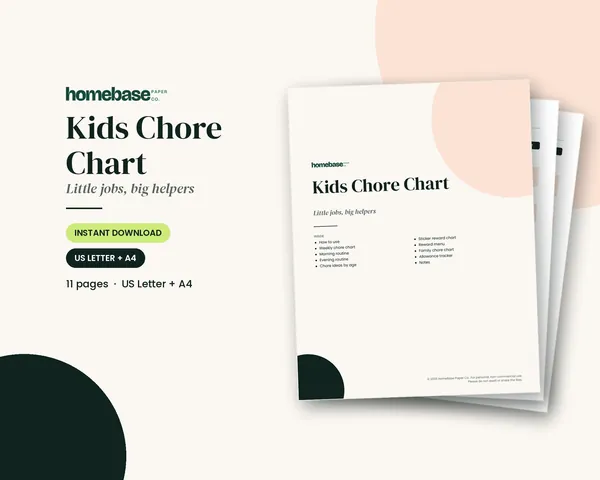
Kids Chore Chart
Weekly chore chart, morning and evening routines, chore ideas by age, a sticker reward chart and an allowance tracker.
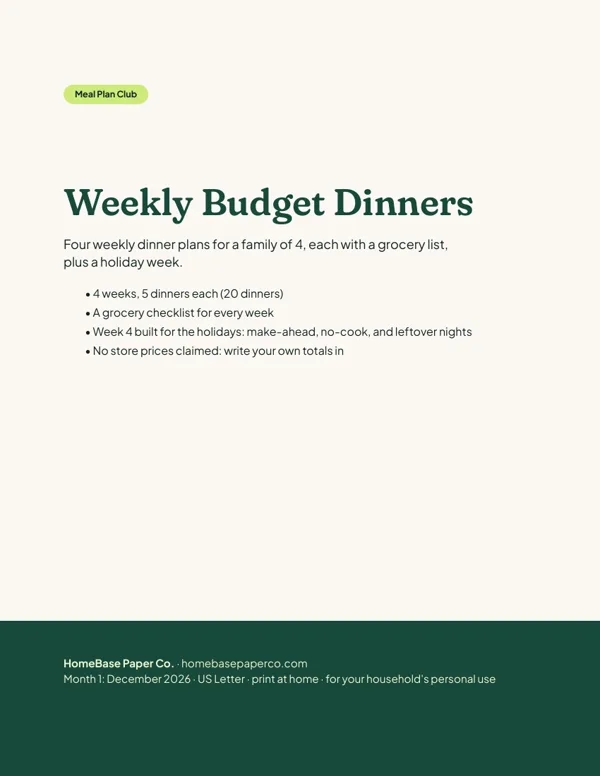 Club
Monthly club
Meal Plan Club
Families who want dinner planned and a grocery list ready every week.
Free printable
Get the free Holiday Budget Starter Kit
A one-page holiday budget, a gift list with a spending limit for every person, and a 6-week countdown so December stays calm and paid for. You'll also get our weekly HomeBase email with simple holiday planning, budgeting and hosting tips.

Sources
- N.C. Cooperative Extension lee.ces.ncsu.edu
- University of Missouri Extension extension.missouri.edu
- FoodSafety.gov's safe minimum internal temperature chart foodsafety.gov
- Guidance on leftovers fsis.usda.gov