

The short answer: for how to clean a microwave without scrubbing, use steam: heat a bowl of water with lemon, vinegar or baking soda until it boils, and dried splatter wipes right off.
- Most microwaves come clean in about 10 minutes
- Lemon is best for smells; vinegar for grease
- Wash the turntable and work from the top down
- A quick weekly wipe keeps the job easy
- Next step: Plan it with the Cleaning Schedule ($4.49).
If you are wondering how to clean a microwave without scrubbing for half an hour, the answer is steam. A bowl of water with lemon, vinegar or baking soda, heated until it boils, softens dried splatter so it wipes right off. Most microwaves come clean in about 10 minutes, and a quick weekly wipe keeps the job that easy. This guide covers each method, the turntable and grease filters, smells and what never to use.
How to clean a microwave: the quick version
- Steam it. Heat a bowl of water with lemon juice, vinegar or baking soda until it boils.
- Wait. Leave the door shut for 3 to 5 minutes so the steam loosens the mess.
- Remove the turntable and wash it in hot, soapy water.
- Wipe the inside top to bottom: ceiling, walls, door, then floor.
- Rinse and dry with a cloth dampened in plain water, then a dry one.
- Clean the outside and, on over-the-range models, the grease filters.
What you need
| Item | What it is for |
|---|---|
| Microwave-safe bowl or large measuring cup | Holding the steam mixture |
| Lemon juice, white vinegar or baking soda | Loosening grease and food and cutting odors |
| Microfiber cloths or a soft sponge | Wiping without scratching |
| Mild dish soap | The turntable, roller ring and outside |
| An old plastic card or silicone spatula | Gently lifting stubborn spots |
| Oven mitt | Lifting the hot bowl safely |
Method 1: Lemon steam (best for smells)
Mix 1/2 cup of lemon juice with 1 cup of water in a microwave-safe bowl. This is the ratio Illinois Extension gives for removing caked-on food. Heat it until it boils, usually 3 to 5 minutes on high, and then leave the door closed until it cools a bit.
Consumer Reports uses a lighter version for odors: 1/4 cup of lemon juice in a bowl of water, run on high for 1 minute, then wipe the cavity using the condensation that forms. You can also slice a fresh lemon into the water if you do not have bottled juice.
Method 2: Vinegar steam (best for grease)
Add 1 to 2 tablespoons of white vinegar to 1 cup of water and heat it until it boils and the window fogs up. Vinegar cuts greasy film well. The smell fades within an hour, and a final wipe with plain water helps it go faster.
Method 3: Baking soda (best for dried-on spots)
Illinois Extension's other option is 6 tablespoons of baking soda in 1 cup of water, boiled and left to cool with the door shut. For spots that still cling after steaming, make a paste of baking soda and a little water. Rub it on gently with a soft cloth, leave it for 5 minutes and wipe it away. Consumer Reports suggests scraping stubborn stains off with a plastic credit card rather than anything metal.
Step-by-step: wiping it down
Take out the turntable first. Lift it out with an oven mitt if it is hot, and let it cool before you put it in water. A hot glass tray can crack if it hits cold water. Wash it and the roller ring in hot water with dish soap, or in the dishwasher if your manual allows it.
Work from the top down. Wipe the ceiling first, then the walls, the inside of the door and finally the floor, so drips land where you have not cleaned yet. Rinse the cloth often.
Mind the door. Wipe the inside of the door and the seal around the edge, where splatter hides. Consumer Reports warns not to scratch the protective mesh inside the door if yours is exposed, because it keeps the microwaves in.
Rinse and dry. Go over everything with a cloth dampened in plain water, then dry it with a clean towel. Put the roller ring and turntable back.
Cleaning an over-the-range microwave
Over-the-range models have two extra jobs:
- Grease filters. These sit on the underside and catch fumes from the stove below. Consumer Reports says letting them get too gunky can make the microwave run less efficiently and pose a fire hazard. Slide them out, soak them in hot water with a degreasing dish soap, scrub gently and rinse. Some makers allow the dishwasher, so check your manual.
- The underside. Wipe the bottom panel and the light cover while the filters soak, since grease from the stovetop settles there too.
Most manufacturers say a microwave should last about 10 years, according to Consumer Reports, and regular cleaning is one of the easiest ways to get there.
How to clean the outside
Wipe the outside with a soft cloth dipped in warm, soapy water and wrung out well. Spray any cleaner onto the cloth, never straight onto the control panel, so liquid cannot seep into the electronics. For stainless steel doors, use a stainless cleaner or mild soap and wipe in the direction of the grain. Finish with the handle, which collects more fingerprints than anything else.
What Consumer Reports adds
Consumer Reports suggests a mild cleaner and a soft cloth for the outside, and wiping interior spills right away. For cooking stains, wipe the walls and floor with a hot, damp cloth, and wash the turntable in hot water with dish soap. Stubborn spots can be scraped with a plastic card, but never scrape the inside of the door window, because that might damage the microwave-blocking finish. To extend the microwave's life, use the preprogrammed settings and never run it empty.
What not to use
| Avoid | Why |
|---|---|
| Steel wool, scouring pads or abrasive powders | Illinois Extension warns against them; they scratch the cavity and door |
| Oven cleaner | Too harsh for a microwave's interior coating |
| Running it empty | With nothing to absorb the energy, the unit can overheat or burn the interior |
| Metal bowls or utensils | Metal can spark and damage the walls |
| Soaking the control panel | Liquid can get into the electronics |
| Bleach inside the cavity | Unnecessary, and the fumes linger in a small space |
How to get rid of microwave smells
For a lingering smell from burnt popcorn or fish, run the lemon steam method first and wipe everything down. Then leave an open bowl of baking soda, or a dish of fresh coffee grounds, inside overnight with the door closed. Wipe again in the morning. A second round of lemon steam usually takes care of anything left.
How often to clean a microwave
| Task | How often |
|---|---|
| Wipe up spills | Right away |
| Quick inside wipe | Every week |
| Steam clean, inside and out | Every month |
| Wash the turntable | Every week or two |
| Clean the grease filters (over-the-range) | Every month, more if you fry often |
Common microwave cleaning mistakes
Scrubbing before steaming. Dry scrubbing grinds baked-on food into the walls and can scratch the coating. Steam first and most of the mess wipes away with no pressure at all.
Opening the door too soon. The steam does its work while the door is shut. Give it at least 3 minutes, and up to 10 for a really crusty interior, before you open it.
Forgetting the ceiling. Splatter flies up as often as it falls down. The ceiling and the area around the light are often the dirtiest spots, and they drip onto the floor if you clean the floor first.
Using too much water on the cloth. A dripping cloth can push water into vents and seams. Wring it out until it is just damp.
Skipping the hot-bowl safety step. A bowl of boiling water can bubble over when you move it. Use an oven mitt, lift slowly and set it down on a heat-safe surface.
Keep it cleaner for longer
- Cover your food. A microwave cover or a paper towel over the bowl catches most splatter.
- Wipe while it is warm. Steam from cooking leaves the walls damp, which is the easiest time to wipe them.
- Use the presets. Consumer Reports notes that sensible cooking times keep food from overcooking and spattering.
- Turn on the fan. On over-the-range models, the exhaust fan keeps moisture from collecting on the electronics.
Put it on your cleaning schedule
A microwave goes from fine to crusty in a couple of weeks, and the longer splatter sits, the harder it is to lift. A written routine fixes that.
Next on the counter: our guide on how to clean a Keurig.
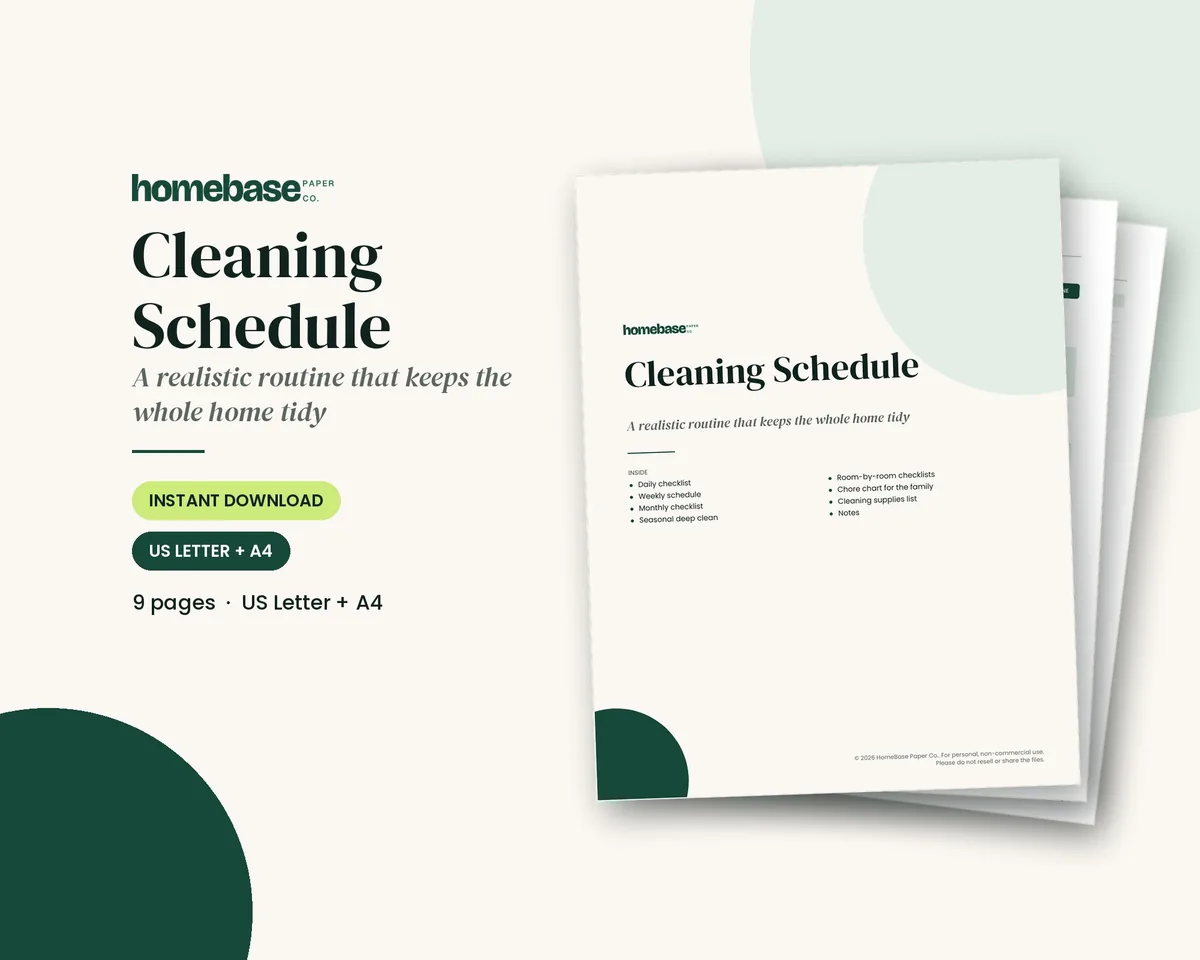
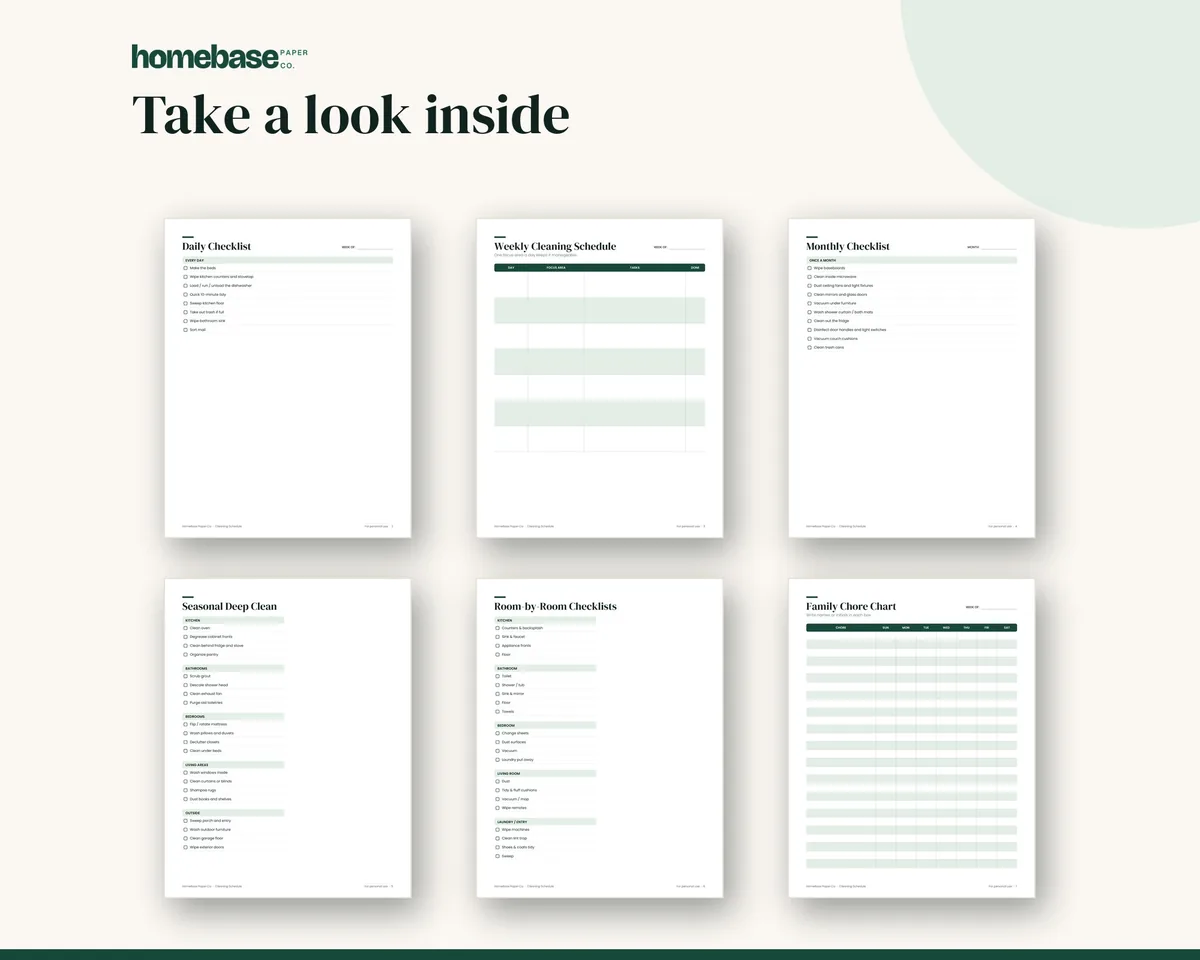
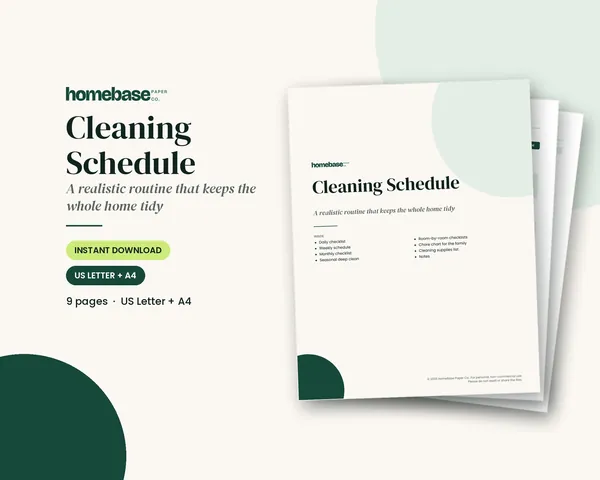
Our Cleaning Schedule ($4.49) is a 9-page printable with daily, weekly and monthly checklists, a seasonal deep clean list, room-by-room checklists, a family chore chart and a cleaning supplies list. Put "wipe microwave" on the weekly page and "steam clean microwave and wash filters" on the monthly page.
If you want to organize the whole house at once, the Home Management Bundle ($16.99) includes the Cleaning Schedule along with the Household Binder, Home Maintenance Log, Home Inventory, Moving Planner and Password & Accounts Log. Bought separately, those six come to $32.94.
Your next step
Grab a bowl, a lemon and a cloth tonight. Steam the microwave for 3 minutes, give it 5 minutes to sit and wipe it out while you wait for the kettle. Then write "microwave" on your weekly cleaning list so it never gets this bad again.
Make it easier
Tools for this
Printables
Cleaning Schedule
Daily, weekly, monthly and seasonal lists - plus a family chore chart.
 Save 48%
Bundles
Home Management Bundle
Household binder, maintenance log, moving planner, cleaning schedule, home inventory and password log.
Frequently asked questions
What is the fastest way to clean a microwave? The fastest way to clean a microwave is to steam it. Heat a microwave-safe bowl of water with lemon juice or a splash of vinegar until it boils, leave the door shut for a few minutes, then wipe the loosened splatter off with a cloth. The whole job takes about 10 minutes.
How do you clean a microwave with lemon? To clean a microwave with lemon, mix 1/2 cup of lemon juice with 1 cup of water in a microwave-safe bowl, heat it until it boils, then leave the door closed until it cools a little. Lift out the bowl carefully and wipe the walls, ceiling and floor with a cloth. Illinois Extension lists this exact mix.
How do you clean a microwave with vinegar? You can clean a microwave with vinegar by heating 1 cup of water with 1 to 2 tablespoons of white vinegar in a microwave-safe bowl for about 3 to 5 minutes, until it boils and the window steams up. Wait a few minutes, then wipe everything down and rinse with a cloth dampened in plain water.
How do you clean a microwave with baking soda? To clean a microwave with baking soda, use steam or a paste. Illinois Extension suggests boiling 6 tablespoons of baking soda in 1 cup of water, then letting it cool with the door shut. For dried-on spots, rub a paste of baking soda and a little water on with a soft cloth, then wipe clean.
How often should you clean a microwave? You should wipe the microwave inside once a week and deep clean it once a month, or sooner if something splatters. Consumer Reports says to sponge up spills as soon as they happen, because leftover food can absorb energy and create hot spots that damage the interior.
How do you get burnt smell out of a microwave? To get a burnt smell out of a microwave, clean it first with lemon steam, then leave an open bowl of baking soda or fresh coffee grounds inside overnight with the door closed. Wipe the walls again in the morning. Repeat the lemon steam once more if the smell lingers.
Can you use bleach to clean a microwave? No, skip bleach and other harsh chemicals inside a microwave. Mild dish soap, water, lemon, vinegar or baking soda will handle almost every mess. Illinois Extension also warns against oven cleaner, steel wool and abrasive cleaners in a microwave. If you sanitize afterward, rinse well and let it air out.
How do you clean a microwave turntable? Wash the microwave turntable in hot water and dishwashing liquid, the way Consumer Reports suggests, or put it in the dishwasher if your manual says it is dishwasher safe. Let it cool before washing, because a hot glass tray can crack in cold water. Wipe the roller ring and the floor underneath too.
How do you clean a microwave grease filter? You can clean a microwave grease filter by sliding out the filters on the underside of an over-the-range microwave and soaking them in hot water with a degreasing dish soap, then scrubbing gently and rinsing. Consumer Reports says some makers allow the dishwasher, but check your manual first, and replace a filter that no longer fits snugly.
Is it safe to run a microwave empty while cleaning? No, it's not safe to run a microwave empty while cleaning, even for a few seconds. There is nothing to absorb the energy, so the unit can overheat or leave burn marks inside. Always have a bowl of water or cleaning solution in it when it runs.
How do you clean the outside of a microwave? Clean the outside of a microwave with a soft cloth and warm, soapy water, then dry it. Use a stainless steel cleaner on a stainless door, wiping with the grain. Spray cleaner onto the cloth rather than onto the keypad, so liquid does not seep into the controls.
How do I remember to clean the microwave? Add a quick microwave wipe to your weekly cleaning list and a full steam clean to your monthly list. The Cleaning Schedule ($4.49) has room-by-room checklists and weekly and monthly pages, so small jobs like this get done before the splatter bakes on.
More from HomeBase
You may also like
Printables
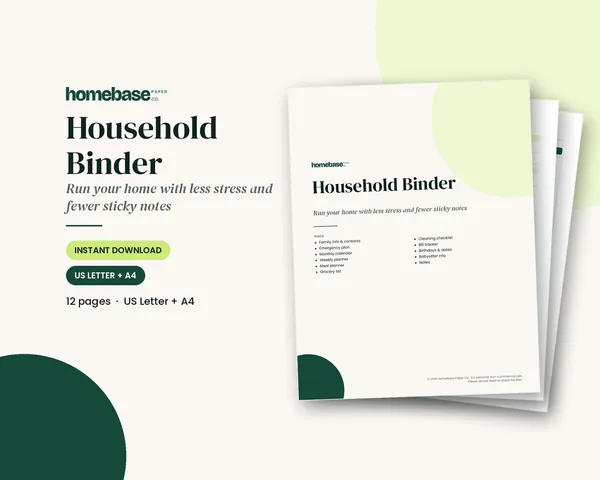
Household Binder
Family info, emergency plan, calendars, meals, groceries, cleaning, bills and sitter notes.
Printables
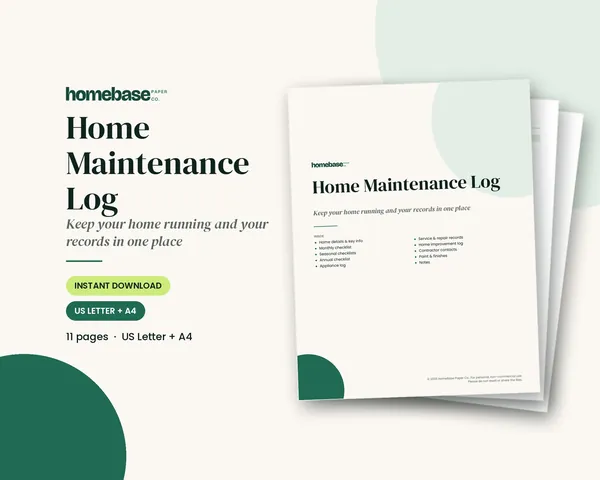
Home Maintenance Log
Monthly, seasonal and annual checklists plus a record of every appliance and repair.

Printables
Home Inventory
Printable pages and a spreadsheet that totals the value of every room.
Printables
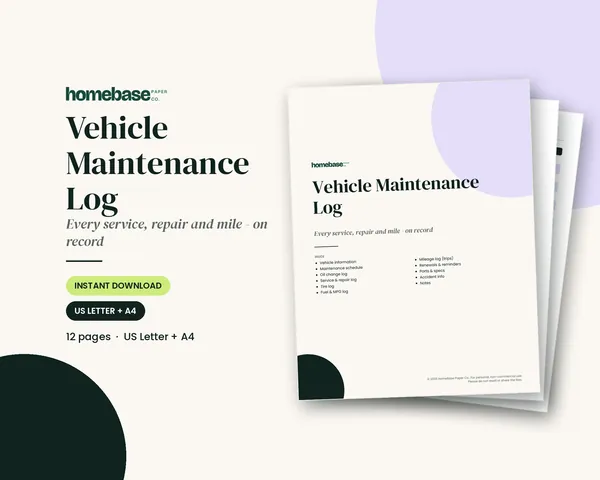
Vehicle Maintenance Log
Oil changes, repairs, tires, fuel and MPG, trip mileage and renewal dates - so resale and warranty records are easy.
 Club
Monthly club
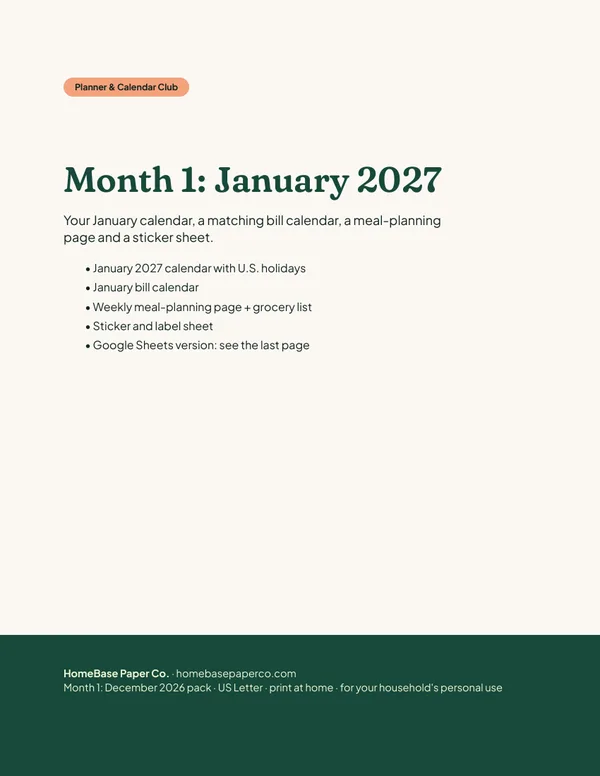
Planner & Calendar Club
Anyone who wants a monthly calendar, bill calendar and meal plan ready to print.
Free printable
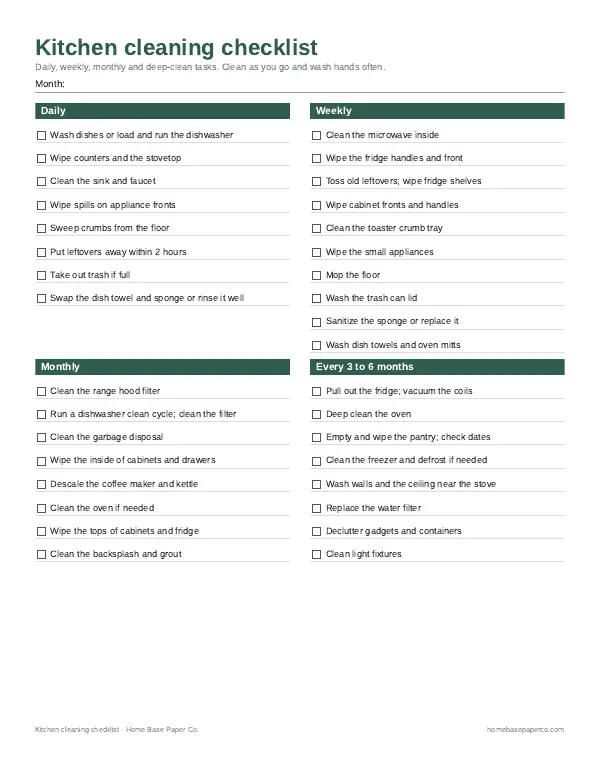
Keep the kitchen clean with a little every day
Daily, weekly, monthly and deep-clean tasks plus a who-does-what table. You'll also get our weekly HomeBase email with simple cleaning routines and chore ideas the whole family can help with.
Sources
- Consumer Reports: How to Clean Your Microwave and Make It Last consumerreports.org
- Illinois Extension: Cleaning and Sanitizing extension.illinois.edu
- Consumer Reports: How to Clean Your Small Kitchen Appliances consumerreports.org