

The short answer: an in home caregiver helps a person with everyday needs in their own home. Start by listing the tasks and hours needed, separate nonmedical help from skilled health care, then compare providers using the same written care brief and cost questions.
A caregiver can make a home routine easier to manage, but the job title alone does not tell you what someone is trained or authorized to do. Before interviewing, ask the person receiving care what help they want, what they prefer to do themselves and what would make a visit feel comfortable. Their choices belong at the center of the plan.
In home caregiver, home health aide or skilled home health?
Nonmedical help can include companionship, meal preparation, errands and assistance with daily activities, depending on the provider, worker's training and local requirements. Skilled home health involves health services ordered and provided under the applicable clinical arrangement. Do not assume a person offering companionship can provide nursing care, medication administration or a specialized transfer technique.
Medicare's home health coverage page distinguishes eligible skilled services from personal care alone. Medicare does not generally pay for around-the-clock home care or personal care when that is the only care needed. Coverage depends on eligibility and the services ordered, so check a specific situation with the plan and provider before budgeting on the assumption that it is covered.
| Need you are trying to meet | What to ask before choosing help |
|---|---|
| Someone to visit, prepare a meal or help with errands | Which tasks are included, and are there visit minimums? |
| Help with bathing, dressing or movement | What training and authorization match these needs? |
| Wound care, therapy or another skilled service | What does the treating clinician recommend and order? |
| A family caregiver needs a predictable break | Is respite available at the needed times, with suitable backup? |
| Overnight supervision or complex needs | What staffing, training and coverage are required for this exact situation? |
A family should not have to guess which category fits. Describe the actual tasks to a clinician or qualified care professional when health, mobility or safety needs are involved. A visit that is suitable for companionship may not be suitable for a person who needs hands-on assistance.
Write a one-page care brief before calling providers
List the days, approximate start and end times and the tasks that matter most. Make the brief specific enough that each provider is quoting for the same work. “Help in the morning” is less useful than “arrive before breakfast, prepare the agreed meal, assist with the routine described in the care plan and stay until the family handoff.”
Include the person's communication preferences, language needs, household pets, smoking restrictions and anything about the home that affects access. Note where the worker can park and whether stairs are involved. Share sensitive information only through an appropriate channel and only with people who need it to arrange care.
Separate essential duties from optional household chores. If a visit is three hours long, say which task takes priority when an appointment runs late. Ask the provider what it cannot do instead of allowing a vague promise to cover every possible need.
The brief is also a way to compare candidates fairly. Send the same description to each provider, record their questions and update the brief if you discover an important need you forgot. A clearer description may change the quoted visit length or the type of worker required.
Where to look for local help
The Administration for Community Living's Eldercare Locator connects older adults and families with services in their communities. Search by location or contact its staff to ask about local aging services and available support. A directory connection is a starting point for checking options, not a guarantee that a particular provider has an opening or meets every need.
Ask a treating clinician, hospital discharge team or relevant local service about appropriate referrals when care follows an illness or injury. Friends' experiences can help you form questions, but check whether the service they used still covers your location, schedule and type of need.
Keep a list of who you contacted, what they said and when they expect to follow up. If the need is urgent, make that clear at the start of the conversation rather than assuming an agency can begin immediately.
Agency care and direct hiring: compare the responsibilities
An agency may handle recruitment, scheduling, supervision and backup, but services and contracts differ. Ask exactly which responsibilities it takes on and which remain with the household. Do not assume the word agency automatically includes replacement staff, transport, every background check or every kind of insurance.
With direct hiring, you may take on more administrative responsibilities. Worker classification, payroll, insurance and other obligations depend on the arrangement and local rules. Ask a qualified adviser or the relevant government office about those obligations before treating the quoted hourly pay as the full cost.
For either arrangement, ask who supervises the work, who receives a concern and how a replacement is arranged. Put the agreed duties, schedule, payment terms and notice requirements in writing. Keep a copy accessible to the people responsible for managing the arrangement.
Questions to ask an in home caregiver or agency
- Which tasks on our care brief can you provide, and which are outside your role?
- What training and experience match this person's specific needs?
- How are references, credentials and any applicable checks verified?
- Who will normally come, and will we meet that person before starting?
- What happens if the regular caregiver is ill or cannot arrive?
- Are there minimum visit lengths, minimum weekly hours or cancellation charges?
- How are evenings, weekends, holidays, mileage and transport charged?
- Who should receive a routine concern, and what is the escalation process?
- How are care notes shared, stored and protected?
- How will you confirm that the person receiving care is comfortable with the arrangement?
Ask for specific examples of how the provider handles scheduling and communication. A clear answer about the limits of a service is more useful than a promise that nothing will ever go wrong. Write down unresolved questions so they are not forgotten after a reassuring first conversation.
Build a budget from the actual quote
Calculate scheduled hours first. Three hours per visit on four days is 12 scheduled hours a week. Multiply those hours by the written quoted rate, then add any separately quoted fees that apply. For a particular calendar month, count the scheduled visits on that month's calendar instead of assuming every month contains exactly four weeks.
| Budget line | What to record |
|---|---|
| Scheduled care | Visits × hours per visit × quoted hourly rate |
| Visit minimum | Whether a shorter visit still has a minimum charge |
| Different time periods | Quoted evening, weekend or holiday terms |
| Transport | Mileage, parking, tolls or transport charges if applicable |
| Administration | Agency fees or direct-hiring costs that apply to your arrangement |
| Backup | Cost and availability of the replacement plan |
Do not compare one provider's hourly number with another's full weekly bill. Ask both to price the same schedule and duties. Confirm what changes if you cancel a visit, need extra time or move a visit to a holiday.
Plan the first visit and the handoff
Introduce the caregiver to the person receiving care rather than talking only to other family members. Walk through the agreed routine, household boundaries and the way questions should be raised. Make sure the caregiver has the current, authorized care information needed for their role.
Choose one main contact for scheduling and one backup. Record who is allowed to change the plan and how updates will reach everyone affected. A change mentioned to one relative in a text may not reach the worker who arrives the next morning.
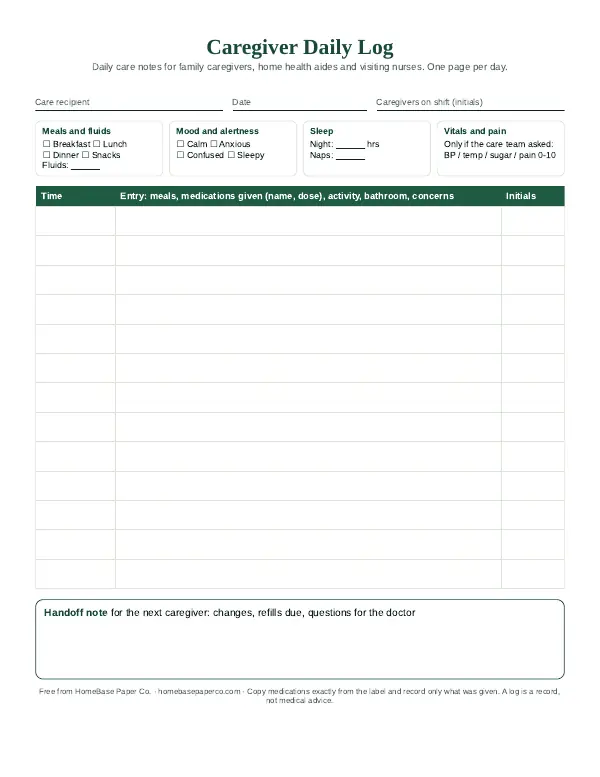
Use a consistent record for the visit time, completed tasks and factual observations relevant to the agreed care. The caregiver daily log guide explains a simple handoff format. Avoid turning a household note into a diagnosis or an instruction that conflicts with the clinical care plan.
Review the arrangement after it starts
Ask the person receiving care what feels helpful, rushed or uncomfortable. Check whether the scheduled hours match the work and whether the communication process is being used. If a duty falls outside the worker's role, revise the service arrangement rather than quietly adding it to the list.
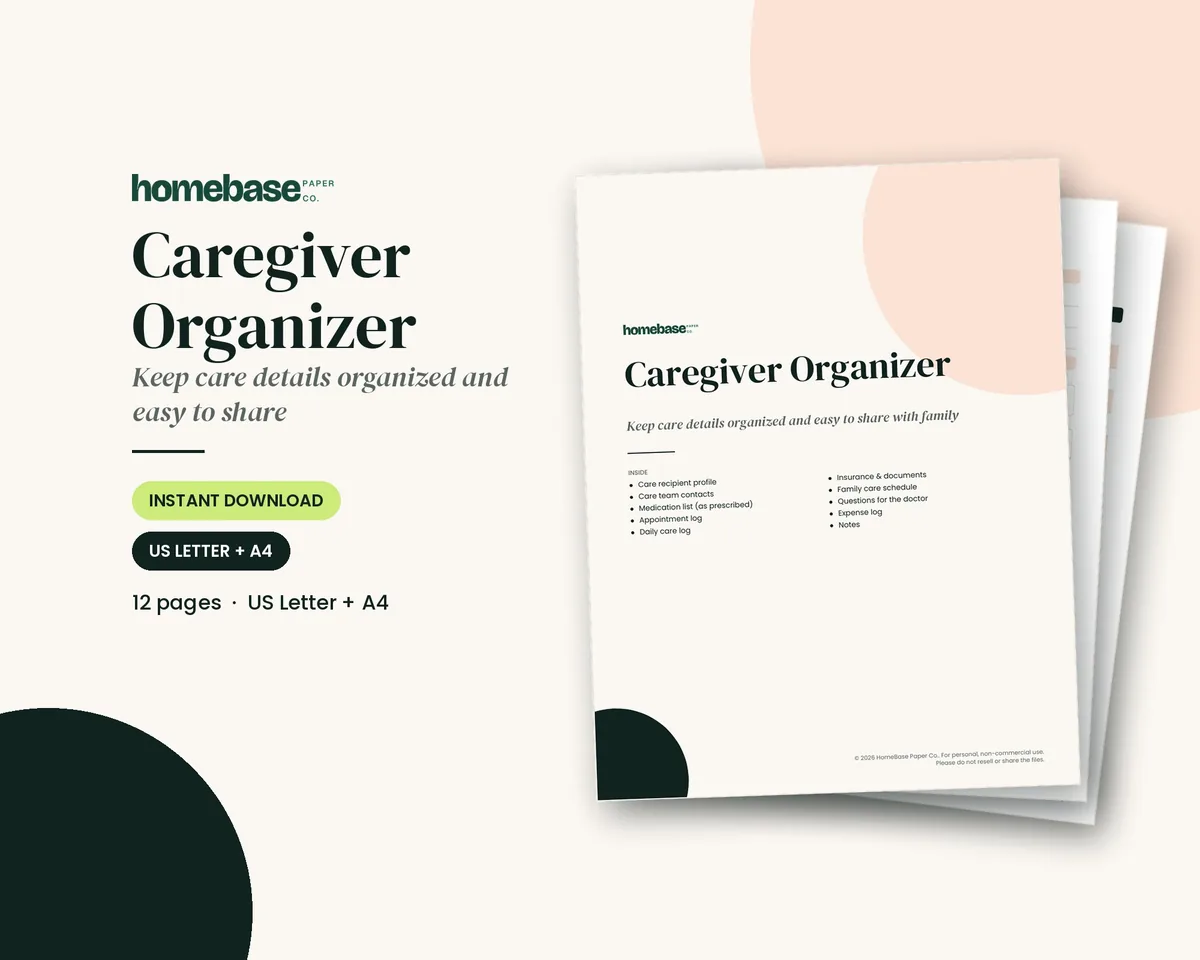
Keep contract changes, new schedules and quoted charges together. If you want a dedicated place for household care information, see the Caregiver Organizer ($6.99). The useful record is the one the people sharing the work can understand and keep current.
Make it easier
Tools for this
Printables
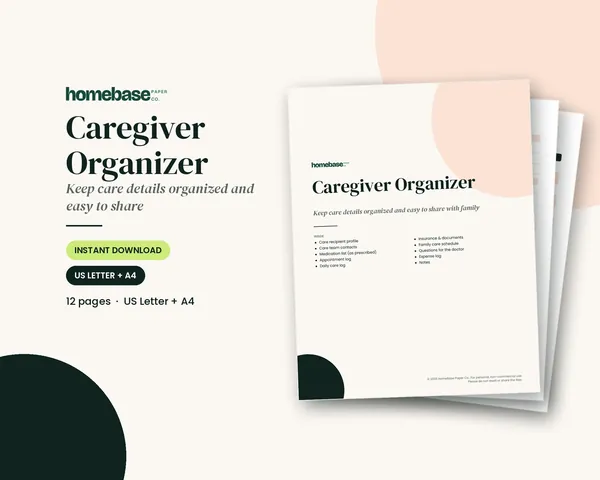
Caregiver Organizer
One place for contacts, appointments, the medication list from the doctor, and daily notes.
Frequently asked questions
What does an in home caregiver do? An in home caregiver helps with agreed everyday needs in a person’s home, such as companionship, meals or daily activities, depending on training and the service arrangement. Skilled health care requires the appropriate clinical provider and care plan; the job title alone does not establish the worker’s scope.
Does Medicare pay for an in home caregiver? Medicare home health coverage depends on eligibility and the ordered services; it does not generally cover personal care when that is the only care needed or 24-hour home care. Check the specific plan and provider rather than assuming that every caregiver visit is covered.
How do I compare caregiver costs? Compare caregiver costs by pricing the same duties, visit length and weekly schedule with each provider. Include applicable visit minimums, transport, holiday terms and administration or direct-hiring obligations, not just the advertised hourly amount.
More from HomeBase
You may also like
 Starter pick
Printables
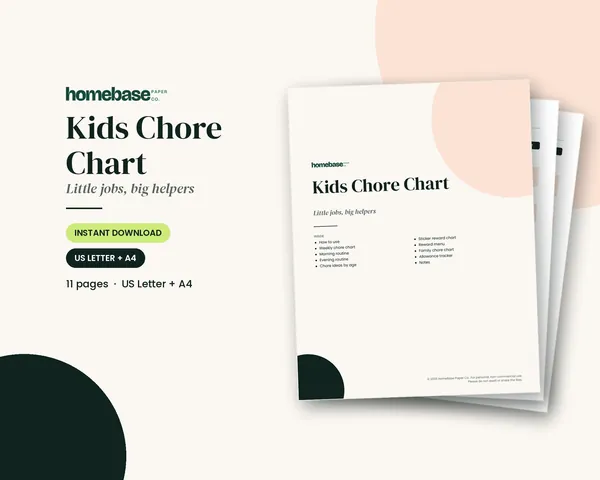
Kids Chore Chart
Weekly chore chart, morning and evening routines, chore ideas by age, a sticker reward chart and an allowance tracker.
Printables
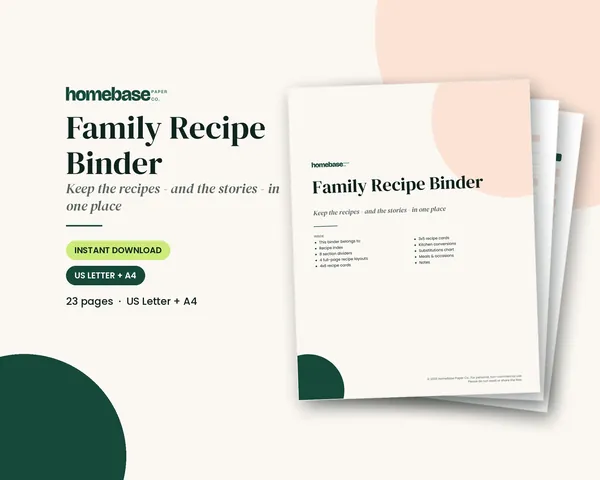
Family Recipe Binder
Section dividers, four recipe page layouts with room for the family story, 4x6 and 3x5 cards and a conversion chart - print it or type into the fillable version.
Printables
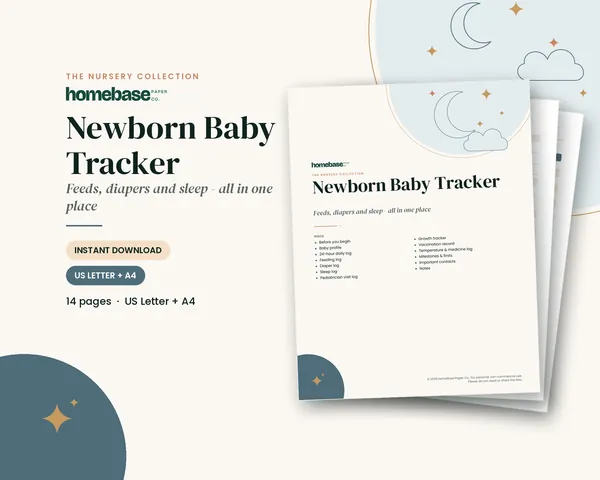
Newborn Baby Tracker
A 24-hour daily log plus feeding, diaper, sleep, growth and pediatrician-visit pages - easy to bring to checkups.
 Save 33%
Bundles
Family Life Admin Bundle
Baby logs, chore charts, pet records, meal plans and family recipes in one tidy set.
 Club
Monthly club
Meal Plan Club
Families who want dinner planned and a grocery list ready every week.
Free printable
Keep everyone on the care team on the same page
One page per day: meals, fluids, mood, sleep and a handoff note. You'll also get our weekly HomeBase email with simple ways to keep family records and important papers in order.
Sources
- Medicare: Home health services medicare.gov
- ACL: Eldercare Locator eldercare.acl.gov