

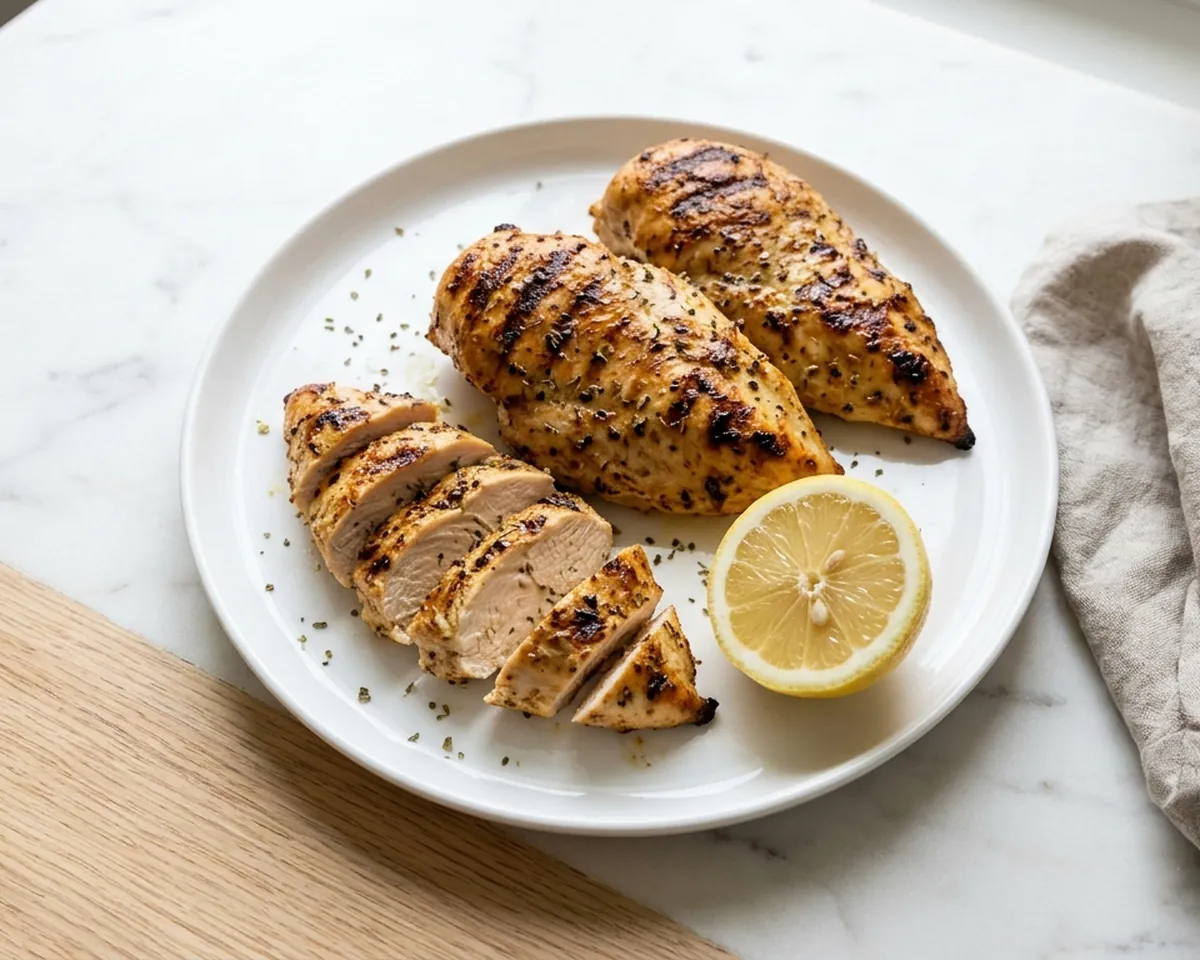
The short answer: Greek chicken marinade is a yogurt, lemon, garlic and oregano mixture used to coat raw chicken before cooking. This batch coats about 3 1/2 to 4 pounds of pieces. Marinate in the refrigerator, discard the used mixture, and cook the chicken to 165°F on a food thermometer.
Prep time: 15 minCook time: 1 hrTotal time: 1 hr 45 minServings: 8 to 10 piecesTotal includes 30 min of marinating.
The measured formula and bone-in oven example below are adapted from Beth Moncel's Greek Chicken at Budget Bytes. These are independently written explanations of that published method, not a claim that HomeBase tested a new recipe. The focus here is the Greek-style marinade and its safe handling, rather than replacing the site's other chicken dinners or promising one cooking time for every cut.
Measured marinade ingredients
| Ingredient | Amount | Notes |
|---|---|---|
| Plain yogurt | 1 cup | Regular, unsweetened yogurt is the reference choice |
| Olive oil | 2 tablespoons | Measure into the mixing bowl |
| Garlic | 4 cloves, minced | Distribute evenly through the yogurt |
| Dried oregano | 1/2 tablespoon, or 1 1/2 teaspoons | Not 1/2 teaspoon |
| Lemon | 1 medium | Use the yellow zest and 1 to 2 tablespoons of juice |
| Salt | 1/2 teaspoon | For the entire marinade batch |
| Black pepper | 1/4 teaspoon | Ground |
| Fresh parsley | About 1/4 bunch, chopped | A small handful; bunch sizes vary |
| Bone-in chicken thighs or drumsticks | 3 1/2 to 4 pounds | Roughly 8 to 10 pieces, depending on size |
Makes 8 to 10 pieces of chicken.
A lemon's size does not guarantee a fixed juice yield, so measure the one to two tablespoons instead of automatically squeezing the whole fruit into the bowl. Zest only the yellow surface; the white pith beneath is not needed. Prepare the parsley and garlic before you touch raw poultry so you are not moving between contaminated hands and the spice cupboard.
Mix, coat and refrigerate
- Stir yogurt, olive oil, garlic, oregano, salt and pepper in a bowl large enough to mix without splashing. Add the lemon zest, measured juice and chopped parsley. Stir until the seasoning is distributed through the yogurt. Prep and mixing take about 15 minutes.
- If you want a separate serving dip, take it out now with a clean spoon and refrigerate it in a separate covered container. Taking some out after the chicken has been added does not create a clean dip. Reserving a portion also leaves less marinade for coating, so plan accordingly.
- Put the raw chicken and remaining marinade into a food-grade bag or covered nonreactive container. Turn the pieces so the surfaces are coated. Seal the bag securely and place it on a tray or in a dish to catch any leak.
- Refrigerate for at least the recipe's 30-minute starting period. If preparing ahead, its author suggests 4 to 12 hours, and recommends no more than 24 hours because of texture changes. This recipe-specific quality advice is shorter than USDA's maximum refrigerator marination period.
- When ready to cook, lift out the pieces and let excess coating fall back into the bag. Discard that used mixture in this method. Do not pour it over cooked chicken, use it as salad dressing, or save it in the clean dip container.
Nutrition (per serving, estimated)
Serving size: 1 piece (1/8 of the recipe).
| Calories | 400 |
|---|---|
| Total fat | 30 g |
| Saturated fat | 8 g |
| Cholesterol | 155 mg |
| Sodium | 290 mg |
| Total carbohydrate | 4 g |
| Dietary fiber | 0 g |
| Total sugars | 2 g |
| Protein | 27 g |
This is an estimate calculated from USDA FoodData Central data for the listed ingredients and amounts. Actual values vary with brands, portions and substitutions.
USDA FSIS permits poultry to marinate for up to two days in the refrigerator and says raw-poultry marinade cannot be used as a sauce unless boiled first. That does not mean two days is the best texture choice for this lemon-yogurt mixture. Follow the shorter recipe recommendation here and discard the used marinade rather than adding another handling step.
Rate this recipe
How long to bake Greek marinated chicken
For the listed bone-in thighs or drumsticks, heat the oven to 375°F. Arrange the coated pieces in a large baking dish, with room around them rather than piling pieces on top of one another. The reference recipe uses a 9-by-13-inch dish and allows approximately 45 to 60 minutes uncovered, plus about 10 minutes for the oven to preheat. Your actual finish depends on the pieces and the oven, so begin checking before assuming the full hour is needed.
The safety endpoint is 165°F in the thickest part, not golden color, clear juices or time alone. FoodSafety.gov lists that minimum for all poultry. Place the thermometer's sensing area in meat without touching bone, and check several pieces if their sizes differ. Remove finished pieces to a clean plate while larger ones finish if necessary; do not put cooked food on the raw-chicken tray.
Boneless breast strips do not need the same roasting duration as a large bone-in drumstick. Use the existing how to cook chicken guide for a method appropriate to your cut, while keeping the thermometer endpoint. The chicken thigh recipes collection offers other dinner directions without changing this page into a general chicken recipe roundup.
Texture, yogurt and practical adjustments
Regular plain yogurt makes a looser coating than thick Greek yogurt. Plain Greek yogurt can still be used, but expect a heavier layer on the surface; it is not a reason to pour all the leftover bag contents into the roasting dish. Avoid fruit-flavored or sweetened varieties, which change the flavor and add ingredients not included in this formula.
If four garlic cloves are more than your household likes, the reference author suggests beginning with two. Record that change rather than describing the reduced-garlic version as identical. For the lemon, keep the measured juice amount consistent before changing other ingredients. Adjusting garlic, lemon, yogurt thickness and marination duration all at once makes it hard to learn which change affected the result.
Acid does not turn raw chicken into ready-to-eat food. Keep the bag refrigerated during marination, wash your hands after handling it and use separate utensils for cooked food. A flavorful marinade cannot correct chicken that has been left out too long. Do not taste the used mixture to decide whether it needs more salt.
Greek chicken leftovers and meal planning
Follow USDA leftover guidance: refrigerate cooked chicken within two hours, or one hour above 90°F, in shallow containers. Keep the refrigerator at 40°F or below and use leftovers within three to four days. Reheat to 165°F, checking the middle of the portion rather than relying on steam from its surface.
A full batch produces roughly eight to ten pieces, not a guaranteed number of adult meals; drumsticks and thighs vary in size, and appetites and side dishes differ. Plan how many pieces each person will eat before promising leftovers for the next day. Rice, a Greek salad and cooked vegetables can round out the meal without needing another sauce made from the raw marinade. For more Mediterranean-style weeknights, see our Mediterranean diet meal plan, chicken shawarma or lemon chicken. Want a sweeter, glossy chicken dinner instead? Try our teriyaki chicken recipe.
Browse more kitchen printables in the printables shop.
Freezer planning for a yogurt marinade
Freezing chicken in a yogurt marinade is an option for preparing a future dinner: Good Life Eats' Greek yogurt marinade guide describes freezing raw chicken and marinade together. That is a preparation option, not a promise that every yogurt mixture will have the same texture after thawing.
Bag only the amount you intend to cook together, press out excess air, and label the package with the chicken cut and the date. Keep any clean serving dip in a separate container; a freezer does not turn marinade that touched raw poultry into a ready-to-eat sauce.
Plan the thaw in the refrigerator with the bag inside a dish to catch leaks. Allow for thawing when choosing your dinner day, and follow the shorter recipe-specific marination guidance above rather than leaving thawed chicken in the acidic mixture for several extra days. Keep the bone-in roasting example tied to bone-in pieces, and verify doneness with a thermometer after cooking.
More sauces and marinades you'll love
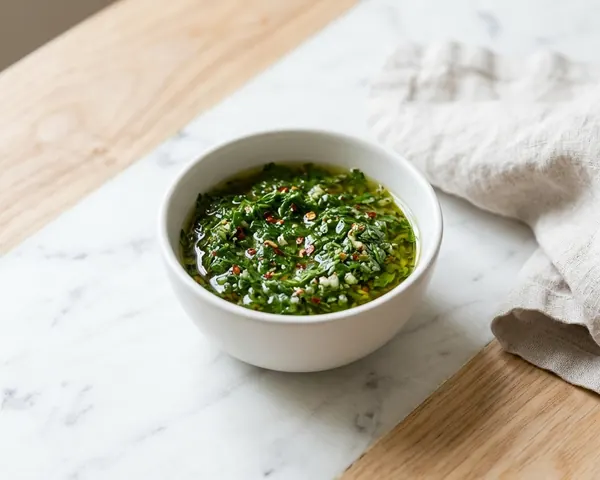
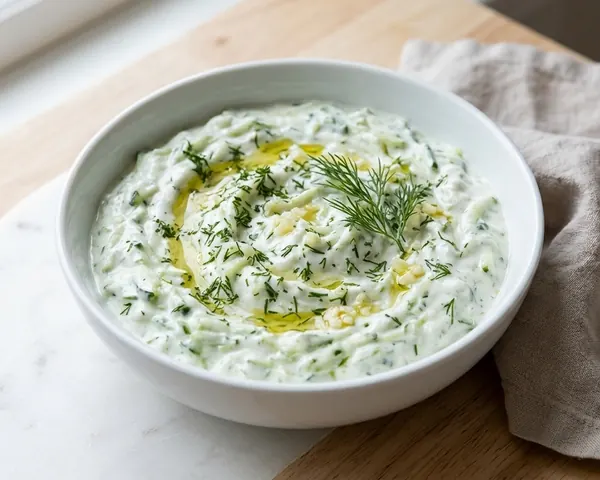
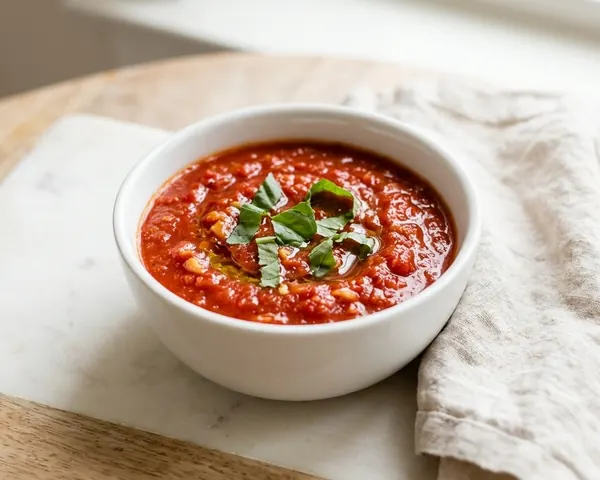
Frequently asked questions
What goes in Greek chicken marinade? Greek chicken marinade here combines plain yogurt, olive oil, garlic, lemon zest and juice, oregano, parsley, salt and pepper. One batch coats about 3 1/2 to 4 pounds of chicken pieces.
How long should chicken sit in Greek chicken marinade? Chicken in this Greek chicken marinade can start with 30 minutes in the refrigerator. The cited recipe suggests 4 to 12 hours for planning and no more than 24 hours for texture; USDA permits poultry marination up to 2 days refrigerated.
Can Greek chicken marinade use Greek yogurt? Greek chicken marinade can use plain Greek yogurt, but it is thicker than regular plain yogurt and coats more heavily. Use unsweetened yogurt; vanilla or sweetened yogurt changes the recipe.
Can you serve used Greek chicken marinade as a dip? Used Greek chicken marinade should be discarded in this method because it touched raw poultry. If you want a dip, reserve a separate clean portion before adding chicken; never return used marinade to it.
What temperature should Greek marinated chicken reach? Greek marinated chicken must reach 165°F in the thickest part, measured with a food thermometer. Check more than one piece and avoid touching bone with the probe.
Does Greek chicken marinade make raw chicken safe? Greek chicken marinade does not make raw chicken safe to eat. Lemon and yogurt add flavor but do not replace refrigeration, clean handling or cooking to 165°F.
How long does cooked Greek marinated chicken keep? Cooked Greek marinated chicken keeps 3 to 4 days refrigerated under general USDA leftover guidance. Refrigerate within 2 hours, or 1 hour above 90°F, and reheat leftovers to 165°F.
Can you use Greek chicken marinade on different cuts? Greek chicken marinade can flavor different chicken cuts, but cooking times change with size, thickness and bones. The oven example here is for bone-in thighs or drumsticks, not a universal time for breasts.
Newsletter
Get the HomeBase email
Fresh tips three times a week, Mon/Wed/Fri, with our deals and new products, from printables, spreadsheets and bundles to paperback planners and apparel, plus simple home, money and planning tips.

Sources
- Budget Bytes: Greek Chicken, Beth Moncel budgetbytes.com
- USDA FSIS: Poultry basting, brining and marinating fsis.usda.gov
- USDA FSIS: Leftovers and food safety fsis.usda.gov
- FoodSafety.gov: Safe minimum internal temperatures foodsafety.gov
- Good Life Eats' Greek yogurt marinade guide goodlifeeats.com
Made this? Tell us how it went
Your notes help the next cook: what you changed, how long it took, how it turned out.