

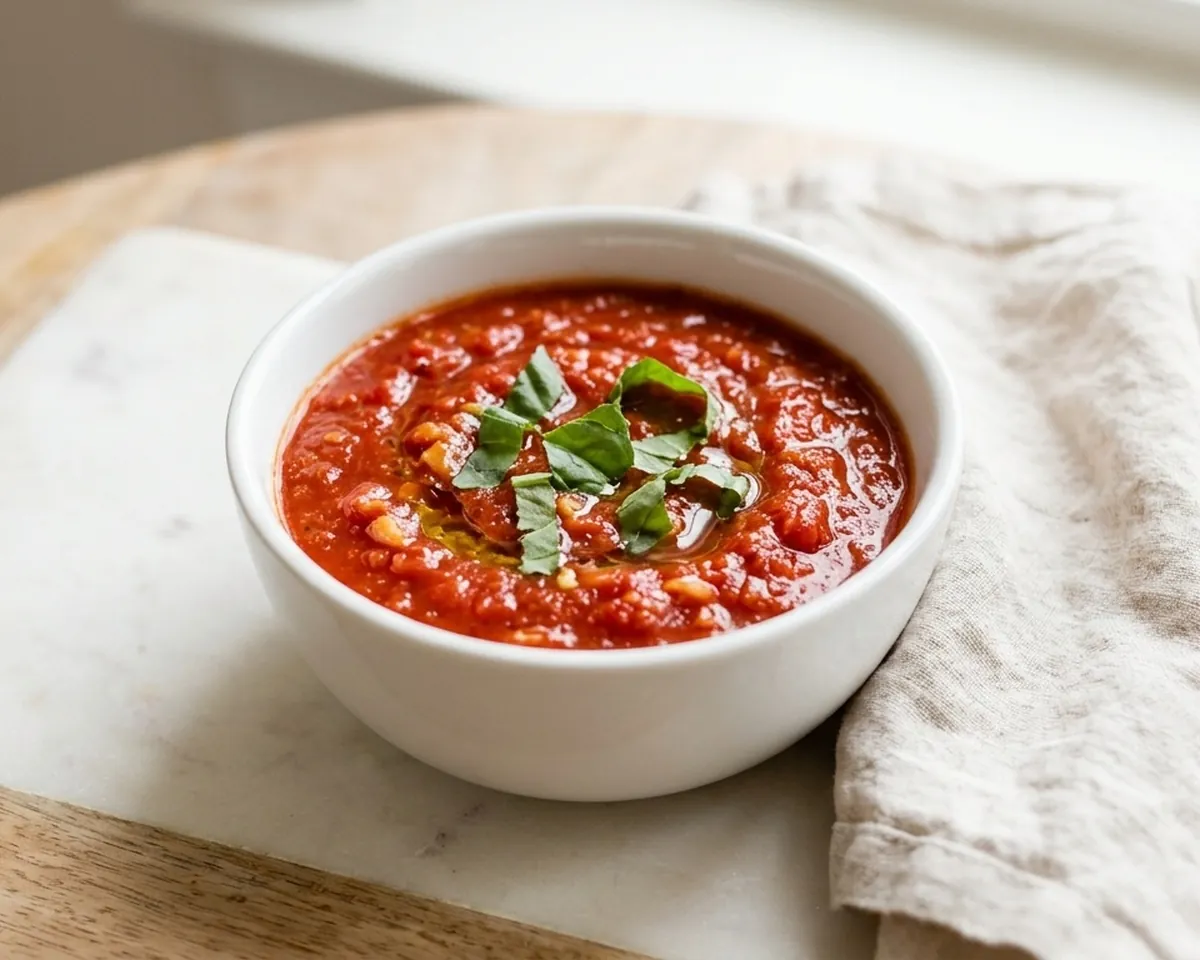
The short answer: Homemade marinara sauce takes about 30 minutes and pantry staples: one 28-ounce can of whole peeled tomatoes, ¼ cup of olive oil, 4 sliced garlic cloves, ½ teaspoon of dried oregano, a pinch of red pepper flakes, 1 teaspoon of salt and a handful of fresh basil. Sizzle the garlic in the oil, add the crushed tomatoes and simmer 20 to 25 minutes. It makes about 3½ cups, enough for 1 pound of pasta.
Prep time: 5 minCook time: 25 minTotal time: 30 minServings: 4 servings
I love cooking, and a pot of marinara is one of the most useful things you can make on a Sunday for the busy week ahead.
Marinara sauce ingredients
Serves 4 (about 3½ cups of sauce).
| Ingredient | Amount | Notes |
|---|---|---|
| Whole peeled tomatoes | 1 can (28 ounces) | Crush by hand or use crushed tomatoes |
| Olive oil | ¼ cup | Gives marinara its rich, smooth flavor |
| Garlic, thinly sliced | 4 to 5 cloves | Slice, don't mince, so it won't burn |
| Onion, finely chopped | ½ small (optional) | Adds a little sweetness |
| Dried oregano | ½ teaspoon | Or 1 teaspoon fresh |
| Red pepper flakes | a pinch | Optional |
| Salt | 1 teaspoon, to taste | |
| Fresh basil | 6 to 8 leaves | Stir in at the end |
| Sugar | ½ teaspoon (optional) | Only if the tomatoes taste sharp |
How to make marinara sauce
- Crush the tomatoes. Pour the tomatoes into a bowl and crush them with your hands or a potato masher, about 2 minutes.
- Warm the garlic. Heat the olive oil in a large skillet or saucepan over medium-low heat. Add the garlic, and the onion if using. Cook 2 to 4 minutes until fragrant and pale golden.
- Add the tomatoes. Pour in the crushed tomatoes and their juice. Rinse the can with ¼ cup of water and add it.
- Season. Stir in the oregano, red pepper flakes and salt.
- Simmer. Bring it to a gentle simmer and cook uncovered for 20 to 25 minutes, stirring now and then, until slightly thickened.
- Finish. Tear in the basil, taste, and adjust the salt, about 1 minute. Add a pinch of sugar only if needed.
- Blend if you like. Use an immersion blender for a smooth sauce, or leave it chunky. Blending takes about 1 minute.
Nutrition (per serving, estimated)
Serving size: 1 serving.
| Calories | 190 |
|---|---|
| Total fat | 14 g |
| Saturated fat | 2 g |
| Cholesterol | 0 mg |
| Total carbohydrate | 16 g |
| Dietary fiber | 4 g |
| Total sugars | 9 g |
| Protein | 3 g |
Excludes ingredients listed without an amount (to taste, for serving, for the pan). Excludes optional ingredients and garnishes. Sodium is not shown because salt or salty items are added to taste.
This is an estimate calculated from USDA FoodData Central data for the listed ingredients and amounts. Actual values vary with brands, portions and substitutions.
Rate this recipe
Marinara vs pizza sauce vs spaghetti sauce
| Sauce | What it is | Cook time | Best for |
|---|---|---|---|
| Marinara sauce | Tomatoes, garlic, olive oil and herbs | 20 to 30 minutes | Pasta, dipping, chicken parmesan |
| Pizza sauce | Thicker, often uncooked, more oregano | 0 to 15 minutes | Pizza |
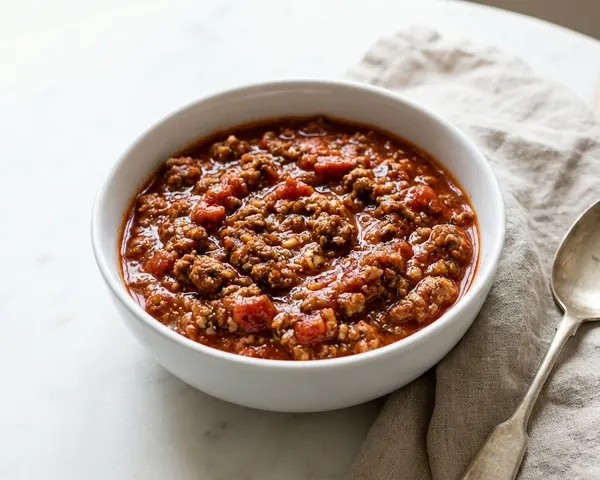
| Spaghetti sauce | Marinara plus meat or more seasoning | 30 minutes to hours | Spaghetti, baked pasta |
| Pomodoro | Fresh or canned tomatoes, butter or oil, basil | 15 to 30 minutes | Light pasta dishes |
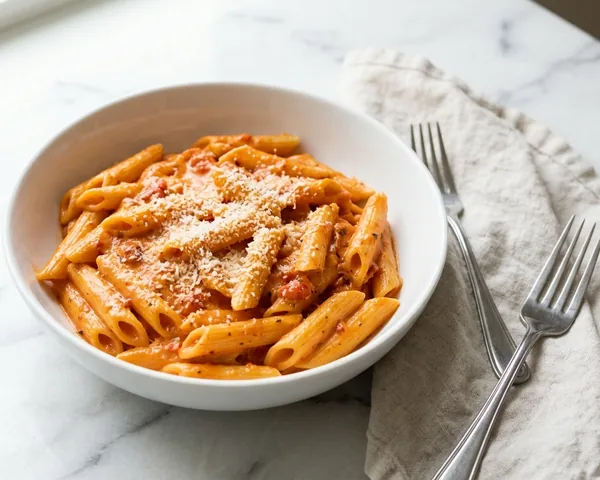
| Vodka sauce | Tomato sauce with cream and vodka | 20 to 30 minutes | Penne and rigatoni |
Homemade pasta sauce: which one to make
Homemade pasta sauce starts with this 30-minute marinara, which is the fastest from-scratch option on the table above. Want meat or a longer simmer? Use the homemade spaghetti sauce recipe. Want to know the difference between crushed tomatoes, puree and passata before you shop? See the tomato sauce guide.
10 ways to use marinara sauce
Dinners
- Spaghetti or penne with Parmesan
- Lasagna and baked ziti
- Chicken parmesan and eggplant parmesan
- Simmered meatballs for meatball subs
- Stuffed shells or stuffed peppers
- Eggs poached in marinara for a quick skillet dinner
Snacks and party food
- Dip for mozzarella sticks, garlic bread or fried ravioli
- Homemade pizza on our pizza dough recipe, or a thin NY style pizza
- Pizza bagels and English muffin pizzas
- A warm dipping bowl next to easy appetizers at a holiday party
Marinara sauce variations
Fresh tomato marinara. Use about 2½ pounds of ripe tomatoes, peeled, seeded and chopped. Simmer 30 to 40 minutes until thick.
Roasted garlic marinara. Stir in a whole head of roasted garlic before blending for a mellow, sweet flavor.
Spicy arrabbiata. Use ½ to 1 teaspoon of red pepper flakes and finish with chopped parsley.
Chunky vegetable marinara. Add diced zucchini, mushrooms and bell pepper with the onion.
Slow cooker marinara. Combine everything except the basil and cook on low for 6 to 8 hours.
Best pasta for marinara and how to finish it in the pan
Marinara is a light, smooth sauce, so it pairs most naturally with long strands such as spaghetti, linguine or angel hair. Short shapes with ridges or tubes, such as penne, rigatoni and ziti, catch the chunkier version. For a gluten-free plate, serve it over zucchini noodles or roasted spaghetti squash.
Don't just spoon sauce over a pile of hot noodles. Drain the pasta a minute early, reserve a mugful of the cooking water, and tip the pasta into the simmering marinara. Toss over low heat for about 2 minutes, adding a splash of the starchy water if the sauce tightens. The noodles absorb flavor and the sauce clings to every strand instead of pooling at the bottom of the bowl.
Marinara sauce troubleshooting
| Problem | Likely cause | Fix |
|---|---|---|
| Too sharp or sour | Underripe tomatoes or a short simmer | Simmer 5 to 10 more minutes, then add a pinch of sugar or a small pat of butter |
| Too thin or watery | Not reduced enough | Simmer uncovered a few more minutes, stirring often, until it coats a spoon |
| Bitter | Garlic browned in the oil | Start over: cook garlic only until pale gold, over medium-low heat |
| Bland | Not enough salt or too little oil | Add salt a pinch at a time and finish with a spoonful of olive oil and fresh basil |
| Too thick | Reduced too far | Stir in a splash of water or pasta water |
How to store and freeze marinara sauce
- Refrigerator: cool the sauce, cover it and use it within 3 to 4 days. USDA explains how to cool and store cooked food in its leftovers and food safety guide.
- Freezer: freeze in containers or flat freezer bags for about 4 months for best quality. Food kept at 0°F stays safe, and quality is the main limit, according to USDA's freezing and food safety guide.
- Thaw: move it to the refrigerator overnight, or warm frozen sauce gently in a covered pot.
- Canning: only can tomato sauce with a tested recipe from a trusted canning guide. Recipes with lots of oil, onion and garlic are not tested for home canning, so freeze this one instead.
Make a double batch for the week
A double batch of marinara uses the same pan time and gives you two or three dinners. Plan lasagna one night, chicken parmesan another, and freeze the rest for a busy day. Our easy dinner ideas have more ways to put it to work.
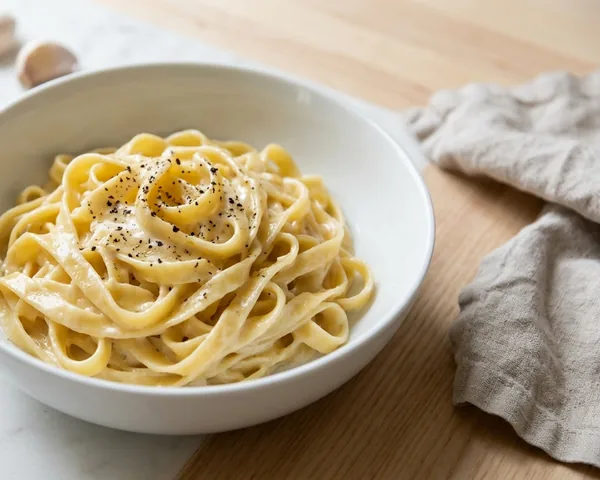
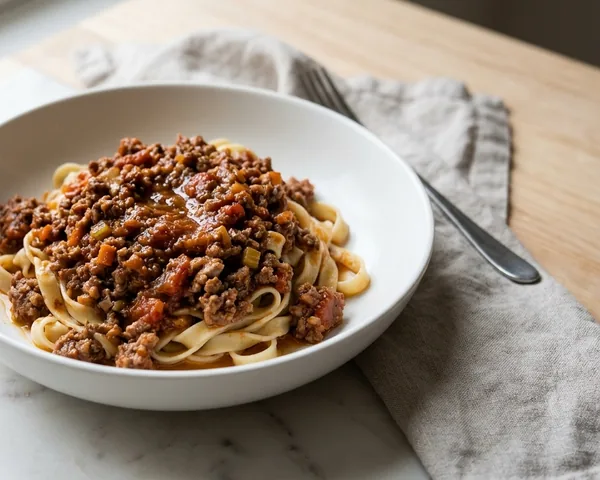
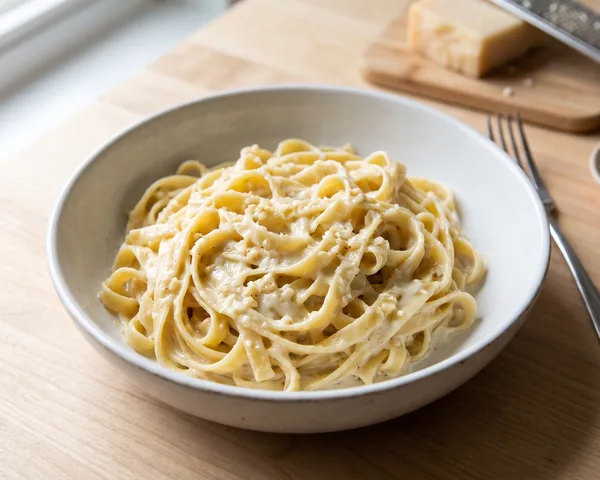
Want a longer-simmered pasta sauce or a meat sauce? See the spaghetti sauce recipe. Creamy nights stay on alfredo sauce. For the broader base covering types, cost and non-pasta uses, see our tomato sauce guide. For a spicy, creamy pasta loaded with bell peppers, try rasta pasta.
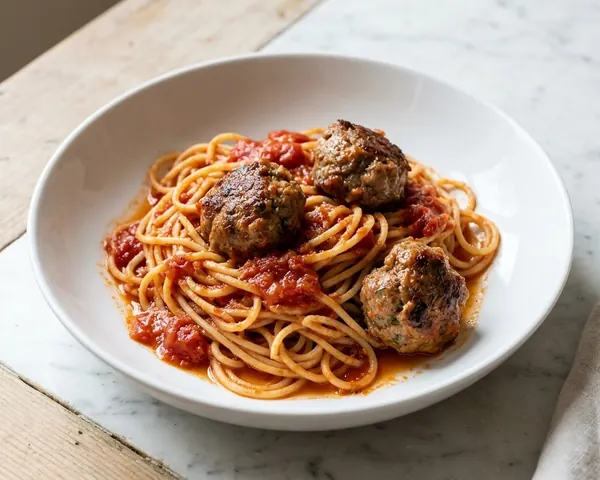
Simmer homemade meatballs in this sauce for spaghetti and meatballs.
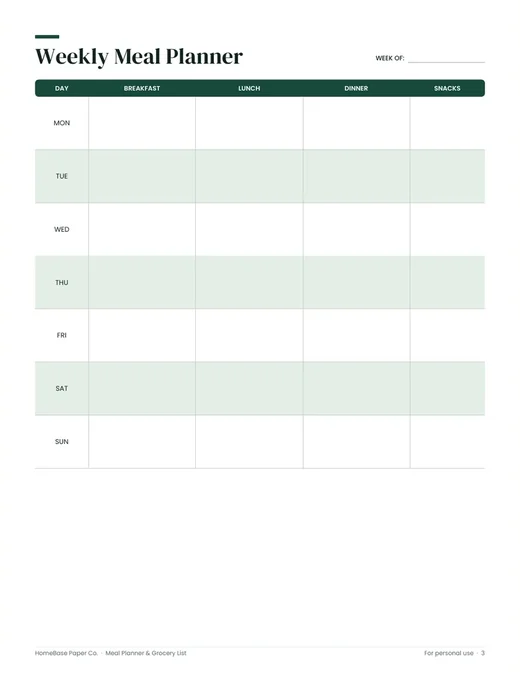
Browse all printables for more kitchen pages. For a buttery egg emulsion instead of tomato, learn how to make hollandaise sauce.
More pasta dinners you'll love
Frequently asked questions
What is marinara sauce made of? Marinara sauce is made of tomatoes, garlic, olive oil, herbs and salt. This recipe uses a 28-ounce can of whole peeled tomatoes, 4 to 5 garlic cloves, ¼ cup of olive oil, oregano and fresh basil.
What is the difference between marinara and spaghetti sauce? Marinara is a simple, quick tomato sauce, while spaghetti sauce is often richer and may include meat. Marinara simmers 20 to 30 minutes, and spaghetti sauce can cook much longer.
Is marinara sauce the same as pizza sauce? Marinara sauce is not quite the same as pizza sauce. Pizza sauce is usually thicker and often uncooked, with more oregano. You can use marinara on pizza if you simmer it a little longer to thicken it.
What are the best tomatoes for marinara sauce? Canned whole peeled tomatoes are the best everyday choice for marinara sauce. They are picked ripe and taste consistent all year. San Marzano-style tomatoes are sweeter but any good whole peeled can works.
How do I make marinara sauce less acidic? To make marinara sauce less acidic, simmer it a few minutes longer and add a pinch of sugar. A grated carrot cooked with the garlic or a small pat of butter at the end also softens the sharpness.
How long should marinara sauce simmer? Marinara sauce should simmer about 20 to 25 minutes. That is long enough to thicken it and blend the flavors while keeping a bright tomato taste. Fresh tomato marinara needs 30 to 40 minutes.
How long does homemade marinara sauce last? Homemade marinara sauce lasts 3 to 4 days in a covered container in the refrigerator. For longer storage, freeze it for about 4 months for best quality.
Can you freeze marinara sauce? Yes, marinara sauce freezes very well. Cool it, pour it into containers or flat freezer bags, leave a little room for expansion, and freeze for about 4 months. Thaw in the refrigerator overnight.
Can I make marinara sauce with fresh tomatoes? Yes, you can make marinara sauce with fresh tomatoes. Use about 2½ pounds of ripe tomatoes, peeled, seeded and chopped, and simmer 30 to 40 minutes until thick.
How much marinara sauce do I need for a pound of pasta? Plan about 3 to 3½ cups of marinara sauce for 1 pound of pasta. This recipe makes about 3½ cups, so one batch covers a pound of spaghetti for 4 to 6 people.
Should I add sugar to marinara sauce? Sugar in marinara sauce is optional. Add ½ teaspoon only if your tomatoes taste sharp or sour. Good canned tomatoes and a full simmer often need no sugar at all.
Can I can homemade marinara sauce? Only can marinara sauce if you follow a tested home canning recipe. This recipe has olive oil, garlic and optional onion, which are not tested for home canning, so freezing is the safer choice.
Newsletter
Get the HomeBase email
Fresh tips three times a week, Mon/Wed/Fri, with our deals and new products, from printables, spreadsheets and bundles to paperback planners and apparel, plus simple home, money and planning tips.
Sources
- USDA FSIS: Leftovers and food safety fsis.usda.gov
- USDA FSIS: Freezing and food safety fsis.usda.gov
Made this? Tell us how it went
Your notes help the next cook: what you changed, how long it took, how it turned out.