

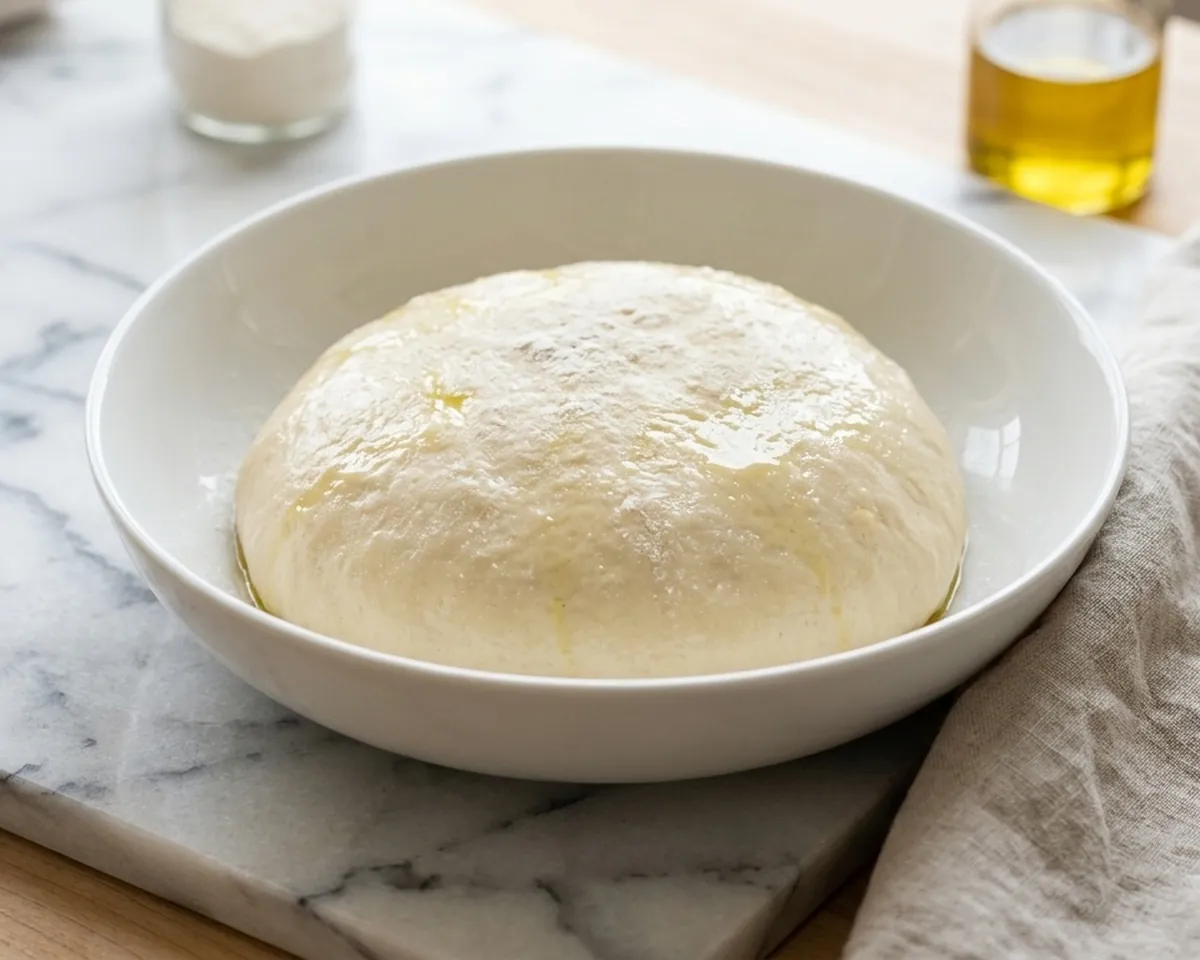
The short answer: This pizza dough recipe makes two chewy, golden 12- to 14-inch crusts from five pantry ingredients: flour, yeast, salt, warm water and olive oil.
Prep time: 20 minCook time: 25 minTotal time: 2 hr 30 minServings: 4 servingsTotal includes 105 min of resting, chilling or rising.
Mix instant yeast and a little sugar into warm water, add olive oil, flour and salt, knead until smooth, let the dough double for 1 to 2 hours, then shape and bake on a very hot pan at 475°F to 500°F. Below you'll find exact amounts, kneading by hand or mixer, a same-day and an overnight schedule, troubleshooting tips, and how to freeze dough for busy weeknights.
Friday pizza night is easy with this dough. Make a double batch on Thursday, keep half in the fridge and freeze the rest for the next week.
Pizza dough ingredients
| Ingredient | Amount | Notes |
|---|---|---|
| Warm water (105–110°F) | 1⅓ cups | Feels warm, not hot, on your wrist |
| Instant yeast | 2¼ teaspoons (1 packet) | Or active dry; see FAQ |
| Sugar | 1 teaspoon | Feeds the yeast and helps browning |
| Olive oil | 2 tablespoons | Plus more for the bowl |
| Bread flour or all-purpose flour | 3½ cups (about 440 g) | Bread flour is chewier |
| Fine salt | 1½ teaspoons | Don't skip it |
Makes about 2 pounds of dough: two 12- to 14-inch pizzas or four personal pizzas. Serves 4 (half a large pizza each).
How to make pizza dough, step by step
- Wake up the yeast. Stir the yeast and sugar into the warm water and let it sit 5 minutes.
- Add the oil. Stir in the olive oil.
- Add the flour and salt. Add 3 cups of flour and the salt and stir until a shaggy dough forms.
- Knead. Knead by hand on a floured counter for 8 to 10 minutes, or in a stand mixer with a dough hook for 5 to 6 minutes, adding flour a tablespoon at a time until the dough is smooth and slightly tacky.
- First rise. Put the dough in an oiled bowl, cover it and let it rise in a warm spot for 1 to 2 hours, until doubled.
- Divide. Punch the dough down, divide it into 2 balls and let them rest 15 minutes.
- Heat the oven. Heat the oven to 475°F to 500°F with a pizza stone, steel or upside-down sheet pan on the lowest rack for 45 minutes.
- Shape. Press each ball from the center outward with your fingertips, then stretch it over your knuckles to 12 to 14 inches.
- Top and bake. Add sauce, cheese and toppings on parchment, slide onto the hot pan and bake 10 to 14 minutes, until the crust is golden and the cheese bubbles. Bake the second pizza the same way.
Nutrition (per serving, estimated)
Serving size: 1 serving.
| Calories | 470 |
|---|---|
| Total fat | 8 g |
| Saturated fat | 1 g |
| Cholesterol | 0 mg |
| Sodium | 890 mg |
| Total carbohydrate | 85 g |
| Dietary fiber | 4 g |
| Total sugars | 1 g |
| Protein | 12 g |
This is an estimate calculated from USDA FoodData Central data for the listed ingredients and amounts. Actual values vary with brands, portions and substitutions.
Resist tasting the dough. The FDA explains that raw flour can carry E. coli until it's baked, so wash your hands and counters after shaping.
Rate this recipe
Same-day vs. overnight pizza dough
| Schedule | Rise | Flavor | Best for |
|---|---|---|---|
| Quick | 1 hour in a warm spot | Mild | Last-minute dinners |
| Same-day | 1½ to 2 hours at room temperature | Good | Weekend lunch or dinner |
| Overnight | 24 hours in the fridge | Richer, more complex | Planned pizza night |
| Cold ferment | 48 to 72 hours in the fridge | Deep, slightly tangy | Pizzeria-style crust |
For a cold rise, oil each dough ball, put it in a covered container and refrigerate. Take it out an hour before shaping.
Pizza dough variations
- Whole wheat: Swap 1 cup of the flour for whole wheat flour and add 1 to 2 tablespoons more water.
- Garlic herb: Add 1 teaspoon of garlic powder and 1 teaspoon of Italian seasoning to the flour.
- Thin and crispy: Divide the dough into 3 balls and roll each very thin.
- Pan pizza: Press the dough into an oiled 9×13 pan, let it puff 30 minutes and bake at 450°F.
- Calzones and garlic knots: Use the same dough, folded or tied, and bake at 425°F.
Pizza dough from sourdough starter
To make pizza dough from sourdough starter, use an active, bubbly starter instead of the instant yeast and sugar in the recipe above. This is a variation with starting amounts, not a fixed formula, because starters differ in strength.
- Mix: 1 cup (about 240 g) active 100% hydration starter, about 320 g flour, about ¾ cup plus 2 tablespoons (about 195 g) warm water, 2 tablespoons olive oil and 1½ teaspoons fine salt. The starter supplies about 120 g of flour and 120 g of water, so the totals match the main dough.
- Knead and rest: Mix until no dry flour remains, then knead 8 to 10 minutes, or fold the dough a few times over an hour.
- Rise: Let it rise covered at room temperature until about doubled, which can take 4 to 8 hours depending on your starter and kitchen. For more tang, shape into balls and refrigerate overnight.
- Shape and bake: Bring cold dough to room temperature for about an hour, then shape and bake as in the steps above.
Sourdough dough rises more slowly than yeast dough, so plan it for the morning of pizza night. If the dough feels sticky, add flour a spoonful at a time.
Curious whether the tangy version is better for you? See is sourdough bread good for you.
Pizza dough troubleshooting
- Dough didn't rise: The yeast may be old, or the water was too hot. Test yeast in warm water with sugar; it should foam in 10 minutes.
- Dough is too sticky: Add flour a tablespoon at a time, but stop when it's just tacky.
- Dough tears when stretching: Let it rest 15 minutes so the gluten relaxes.
- Soggy middle: Use less sauce, heat the pan longer and bake on the lowest rack.
If the dough never rises, test your yeast in warm water before you start the next batch.
Storing and freezing pizza dough
Refrigerate dough in an oiled, covered container for up to 3 days. Freeze dough balls in separate oiled freezer bags for up to 3 months and thaw them overnight in the fridge. Refrigerate leftover baked pizza within 2 hours and eat it within 3 to 4 days, as the FDA's food storage guide recommends for leftovers.
Make it a pizza and pasta night
For a thinner, foldable pie, try our New York style pizza. Serve pizza with a big pasta salad or a side of alfredo sauce for dipping crusts. For a budget-friendly week of family dinners, see our easy meal prep ideas.
Plan pizza night every week
Got extra dough? Turn it into a breakfast pizza with soft scrambled eggs, sausage and cheese.
Making pizza night a habit? Our Friday night dinner ideas have more fun, easy meals to rotate in. Top the crust with a simple homemade tomato sauce simmered from crushed tomatoes, or spread on basil pesto for a green pizza.
More breads you'll love
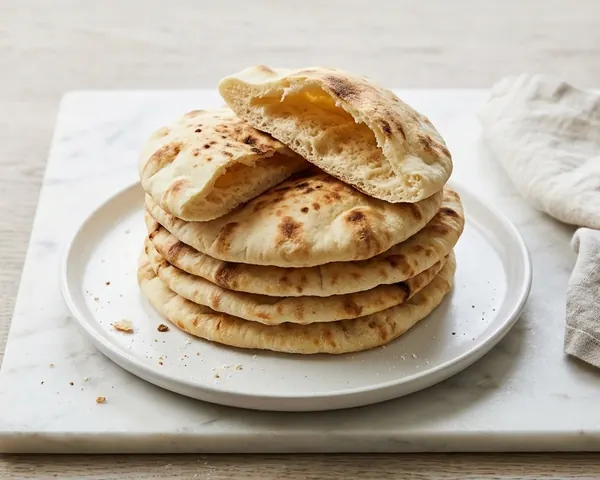
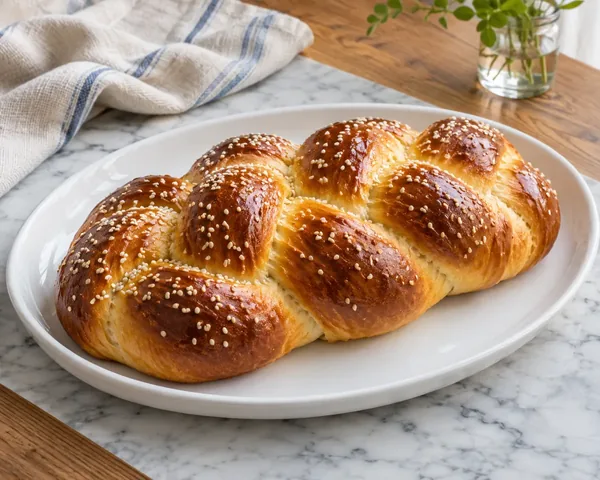
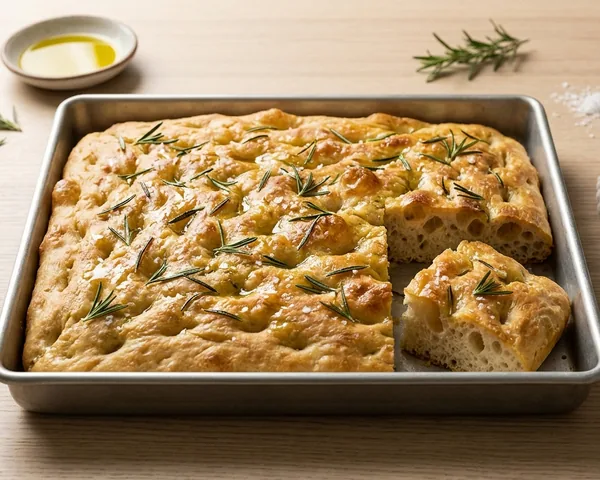
Frequently asked questions
How do you make pizza dough from scratch? To make pizza dough from scratch, stir 2¼ teaspoons of instant yeast and 1 teaspoon of sugar into 1⅓ cups of warm water, add 2 tablespoons of olive oil, then mix in 3½ cups of flour and 1½ teaspoons of salt. Knead 8 to 10 minutes until smooth, let it rise until doubled, about 1 to 2 hours, and shape it.
What flour is best for pizza dough? Bread flour makes the chewiest, crispiest pizza dough because it has more protein, which builds gluten. All-purpose flour works well too and gives a slightly softer crust. Italian 00 flour is finely milled and makes a tender, airy Neapolitan-style crust, but it's best in a very hot oven. You can mix flours as you like.
How long does pizza dough need to rise? Pizza dough needs to rise at room temperature until doubled, which usually takes 1 to 2 hours with instant yeast in a warm kitchen. For more flavor, let it rise slowly in the refrigerator for 24 to 72 hours. Take cold dough out about an hour before shaping so it relaxes and stretches easily.
Can I make pizza dough without yeast? Yes, you can make a quick no-yeast pizza dough with 2 cups of flour, 2 teaspoons of baking powder, ½ teaspoon of salt, ¾ cup of milk or water and 2 tablespoons of olive oil. Knead it briefly and roll it thin. It bakes up more like a cracker or biscuit crust than a chewy yeast crust, but it's ready in 15 minutes.
What temperature should I bake homemade pizza? Bake homemade pizza as hot as your oven goes, usually 475°F to 500°F, for 10 to 14 minutes. Heat a pizza stone or steel on the lowest rack for 45 minutes to an hour for a crisp bottom. If you don't have one, preheat an upside-down sheet pan and slide the pizza onto it on parchment.
Why is my pizza dough not stretching? Pizza dough that springs back and won't stretch has tight gluten that needs to relax. Cover it and let it rest 15 to 20 minutes, then try again. Cold dough is also hard to stretch, so let refrigerated dough sit at room temperature for an hour. Press from the center outward with your fingertips instead of rolling.
Can you freeze pizza dough? Yes, pizza dough freezes very well. After the first rise, divide it into balls, coat each lightly with olive oil and freeze in separate freezer bags for up to 3 months. Thaw the dough overnight in the refrigerator, then let it sit at room temperature for about an hour before shaping and topping.
How much pizza dough do I need for one pizza? Plan on about 10 to 12 ounces of dough for a 12-inch pizza with a medium crust, or 8 ounces for a thin 12-inch crust. This recipe makes about 2 pounds of dough, enough for two 12- to 14-inch pizzas or four personal pizzas. Weigh the dough and divide it evenly so the pizzas bake the same.
Is it safe to taste raw pizza dough? No, don't taste raw pizza dough. The FDA warns that raw flour hasn't been treated to kill germs like E. coli, so it can make you sick until it's baked. Keep kids from snacking on dough while you shape pizzas, wash your hands and surfaces after working with flour, and bake the crust fully.
Can I use active dry yeast instead of instant yeast? Yes, you can use active dry yeast instead of instant yeast. Use the same amount of active dry yeast, but dissolve it in the warm water with the sugar first and let it sit 5 to 10 minutes until foamy before adding the oil, flour and salt. Active dry yeast may need an extra 15 to 30 minutes to rise compared with instant yeast.
Newsletter
Get the HomeBase email
Fresh tips three times a week, Mon/Wed/Fri, with our deals and new products, from printables, spreadsheets and bundles to paperback planners and apparel, plus simple home, money and planning tips.
Made this? Tell us how it went
Your notes help the next cook: what you changed, how long it took, how it turned out.