

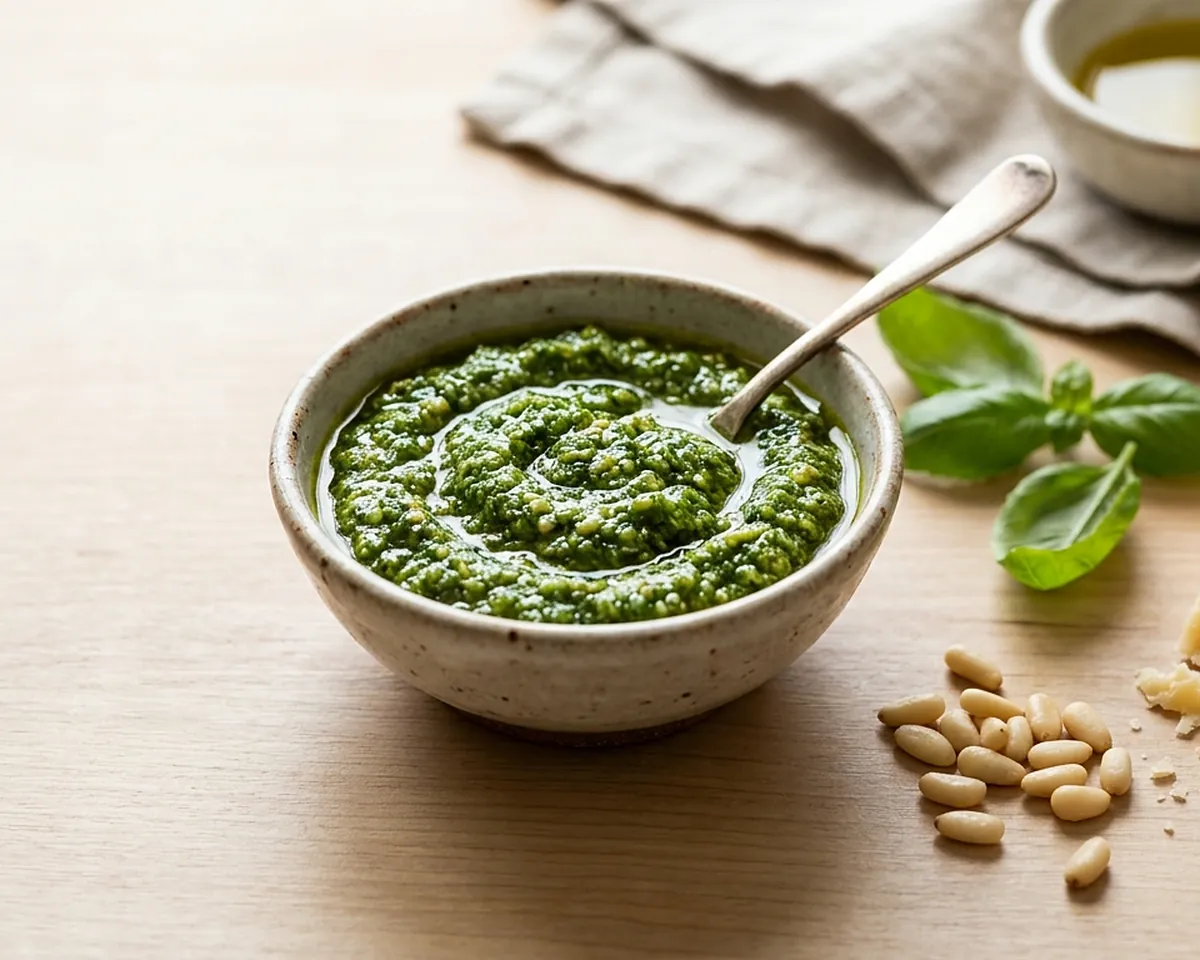
The short answer: this pesto recipe pulses 2 packed cups fresh basil, 1/3 cup toasted pine nuts and 2 cloves garlic in a food processor, streams in 1/2 cup extra-virgin olive oil, then stirs in 1/2 cup grated Parmesan. It makes about 1 cup, enough for 1 pound of pasta. Refrigerate it up to 3 days or freeze it.
- Key numbers: 60 g basil · 45 g pine nuts · 40 g Parmesan · 120 ml olive oil · 1 cup pesto.
- Safety: keep pesto cold; never store it at room temperature.
Prep time: 10 minCook time: 4 minTotal time: 19 minServings: About 1 cup (8 servings of 2 tablespoons)Total includes 5 min of cooling the toasted pine nuts.
Storage and produce-safety guidance was checked November 14, 2026, against the National Center for Home Food Preservation and the FDA. Below: the pesto ingredients, the steps, pesto pasta, swaps, fixes and safe storage.
Pesto ingredients
| Ingredient | Amount | Notes |
|---|---|---|
| Fresh basil leaves | 2 packed cups (about 2 oz, 60 g) | Stems removed |
| Pine nuts | 1/3 cup (45 g) | Or walnuts |
| Garlic | 2 medium cloves, peeled | |
| Parmesan cheese | 1/2 cup finely grated (1 1/2 oz, 40 g) | Or half Pecorino |
| Extra-virgin olive oil | 1/2 cup (120 ml) | Plus 1 tablespoon for the top |
| Salt | 1/4 teaspoon | More to taste |
| Fresh lemon juice | 1 teaspoon | Optional; helps the color |
You need a small dry skillet, a food processor (or blender), a rubber spatula and a salad spinner or clean towels.
Pesto recipe directions
- Toast the pine nuts (4 minutes). Stir them in a dry skillet over medium-low heat until light golden and fragrant.
- Cool the nuts (5 minutes). Tip them onto a plate so they stop cooking and cool to room temperature.
- Wash and dry the basil (4 minutes). Rinse the leaves under running water and spin or pat them completely dry.
- Grate the cheese (2 minutes). Finely grate the Parmesan.
- Pulse the nuts and garlic (1 minute). Pulse the cooled pine nuts and garlic about 10 times until finely chopped.
- Add the basil (1 minute). Add the basil and pulse until finely chopped, scraping down the sides once.
- Stream in the oil (1 minute). With the machine running, pour in the olive oil until the pesto is smooth but still has a little texture.
- Finish and taste (1 minute). Stir in the Parmesan, salt and lemon juice by hand. Taste and add more salt if needed.
Nutrition (per serving, estimated)
Serving size: 2 tablespoons.
| Calories | 195 |
|---|---|
| Total fat | 20 g |
| Saturated fat | 3 g |
| Cholesterol | 5 mg |
| Sodium | 160 mg |
| Total carbohydrate | 2 g |
| Dietary fiber | 0 g |
| Total sugars | 0 g |
| Protein | 2 g |
This is an estimate calculated from USDA FoodData Central data for the listed ingredients and amounts. Actual values vary with brands, portions and substitutions.
Rate this recipe
Pesto pasta directions
Cook 1 pound pasta in well-salted water until al dente and save 1/2 cup pasta water. Drain, return the pasta to the pot off the heat, and toss with 3/4 to 1 cup pesto. Add pasta water a splash at a time until the pesto coats every piece. Top with extra Parmesan. For more ideas, see our pasta recipes, one-pot pasta or pasta salad, or roll your own homemade pasta.
Pesto swaps and variations
| Swap | Use | Tip |
|---|---|---|
| Walnut pesto | 1/3 cup toasted walnuts | Cheaper than pine nuts |
| Nut-free pesto | 1/3 cup toasted sunflower or pumpkin seeds | School-lunch friendly |
| Spinach or kale pesto | Swap 1 cup basil for baby spinach or kale | Milder and greener |
| Dairy-free pesto | 2 tablespoons nutritional yeast for the cheese | Add a pinch more salt |
| Lemon pesto | Add 1/2 teaspoon lemon zest | Bright with fish or chicken |
How to fix pesto problems
| Problem | Likely cause | Fix |
|---|---|---|
| Brown or dull | Air exposure or wet leaves | Dry the basil; cover the surface with oil |
| Bitter | Over-processed oil or burnt nuts | Pulse briefly; toast nuts on medium-low |
| Watery | Wet basil | Spin the leaves fully dry |
| Too thick | Not enough oil | Add oil 1 tablespoon at a time |
| Too sharp | Large or raw-tasting garlic | Use 1 clove, or blanch it 30 seconds |
How to store pesto safely
The National Center for Home Food Preservation says pesto should be made fresh, kept in the refrigerator no more than 3 days, and frozen for longer storage in freezer jars or containers with 1/2 inch of headspace. Pesto is garlic in oil, and the center's garlic-in-oil guidance says those mixtures are at risk for botulism at room temperature, so keep them at 40°F or colder.
| Where | How long | Tip |
|---|---|---|
| Refrigerator | Up to 3 days | Cover the top with a thin layer of oil |
| Freezer | Up to several months | Freeze in cubes, then bag them |
| Room temperature | Never for storage | Refrigerate right after making |
What to do with pesto
Spread pesto on focaccia or garlic bread, swirl it onto pizza made with our pizza dough, or spoon it over bruschetta. It is also great on a chicken sandwich or stirred into pasta primavera.
More sauces and marinades you'll love
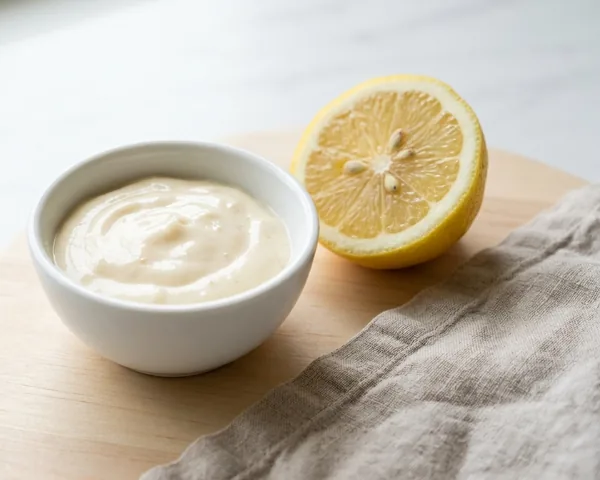
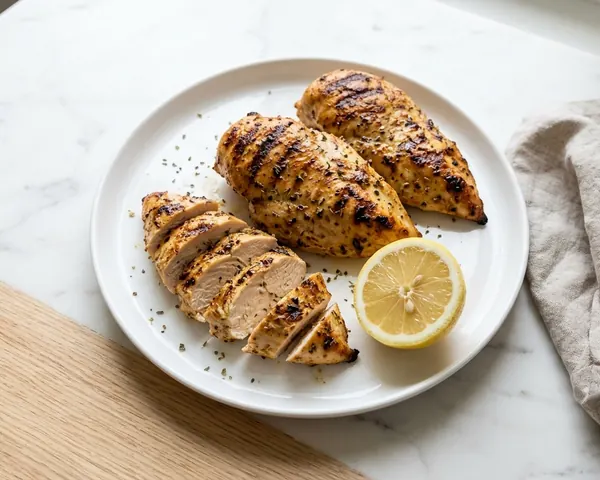
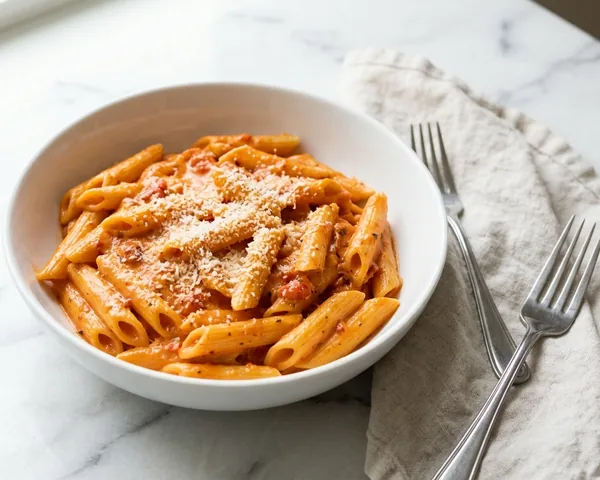
Frequently asked questions
How do you make pesto? To make pesto, toast 1/3 cup pine nuts for 4 minutes and let them cool. Pulse them in a food processor with 2 cloves garlic, add 2 packed cups basil leaves and pulse until chopped, then stream in 1/2 cup olive oil. Stir in 1/2 cup grated Parmesan, 1/4 teaspoon salt and 1 teaspoon lemon juice.
What is pesto made of? Classic basil pesto is fresh basil, pine nuts, garlic, Parmesan or Pecorino and extra-virgin olive oil, with a pinch of salt. The National Center for Home Food Preservation describes it as an uncooked seasoning mix of fresh basil, garlic, pine nuts and oil. Some cooks add a little lemon juice.
How long does homemade pesto last in the fridge? The National Center for Home Food Preservation says fresh pesto should be stored in the refrigerator for no more than 3 days. Keep it in a small covered jar with a thin layer of olive oil on top so it stays green. For longer storage, freeze it.
Can you freeze pesto? Yes. Pack pesto into glass freezer jars or plastic freezer containers with 1/2 inch of headspace, label it and freeze it. Ice cube trays work well for small portions: freeze, then pop the cubes into a freezer bag. Many cooks stir in the cheese after thawing for the freshest flavor.
Why can't you store pesto at room temperature? Pesto is fresh garlic and herbs covered in oil, and the National Center for Home Food Preservation says garlic-in-oil mixtures kept at room temperature are at risk for botulism. Always keep homemade pesto in the refrigerator at 40°F or colder, or freeze it.
How do you keep pesto from turning brown? Basil darkens when its cut surfaces meet air. To keep pesto bright green, pat the leaves completely dry, pulse only as long as needed, and press plastic wrap or a thin layer of olive oil right on the surface before you refrigerate it. A teaspoon of lemon juice also helps.
Can I make pesto without pine nuts? Yes. Use the same amount of toasted walnuts, almonds, cashews or pistachios for a nutty pesto. For a nut-free pesto, use 1/3 cup toasted sunflower or pumpkin seeds. Toast them the same way, 3 to 4 minutes in a dry skillet, and let them cool first.
Can I make pesto without a food processor? Yes. Use a blender on low, pulsing and scraping often, or make pesto the traditional way in a mortar and pestle. You can also chop the basil, nuts and garlic very finely with a sharp knife, then stir in the cheese and oil. The texture will be chunkier.
Do you have to wash basil for pesto? Yes. The FDA recommends rinsing fresh produce under running water before you eat or prepare it. Rinse the basil leaves gently, then dry them completely in a salad spinner or between towels. Wet leaves make watery pesto that browns faster.
How do you make pesto pasta? Cook 1 pound of pasta in salted water and save 1/2 cup of the pasta water. Toss the drained pasta with 3/4 to 1 cup pesto, adding pasta water a splash at a time until glossy. Serve it with extra Parmesan. Don't heat the pesto in a pan, or the basil darkens.
How much pesto do you use for 1 pound of pasta? Use about 3/4 to 1 cup of pesto for 1 pound of pasta, which is roughly one full batch of this pesto recipe. Thin it with a few tablespoons of reserved pasta water so it coats every piece instead of clumping. Add more Parmesan at the table.
Newsletter
Get the HomeBase email
Fresh tips three times a week, Mon/Wed/Fri, with our deals and new products, from printables, spreadsheets and bundles to paperback planners and apparel, plus simple home, money and planning tips.
Made this? Tell us how it went
Your notes help the next cook: what you changed, how long it took, how it turned out.