

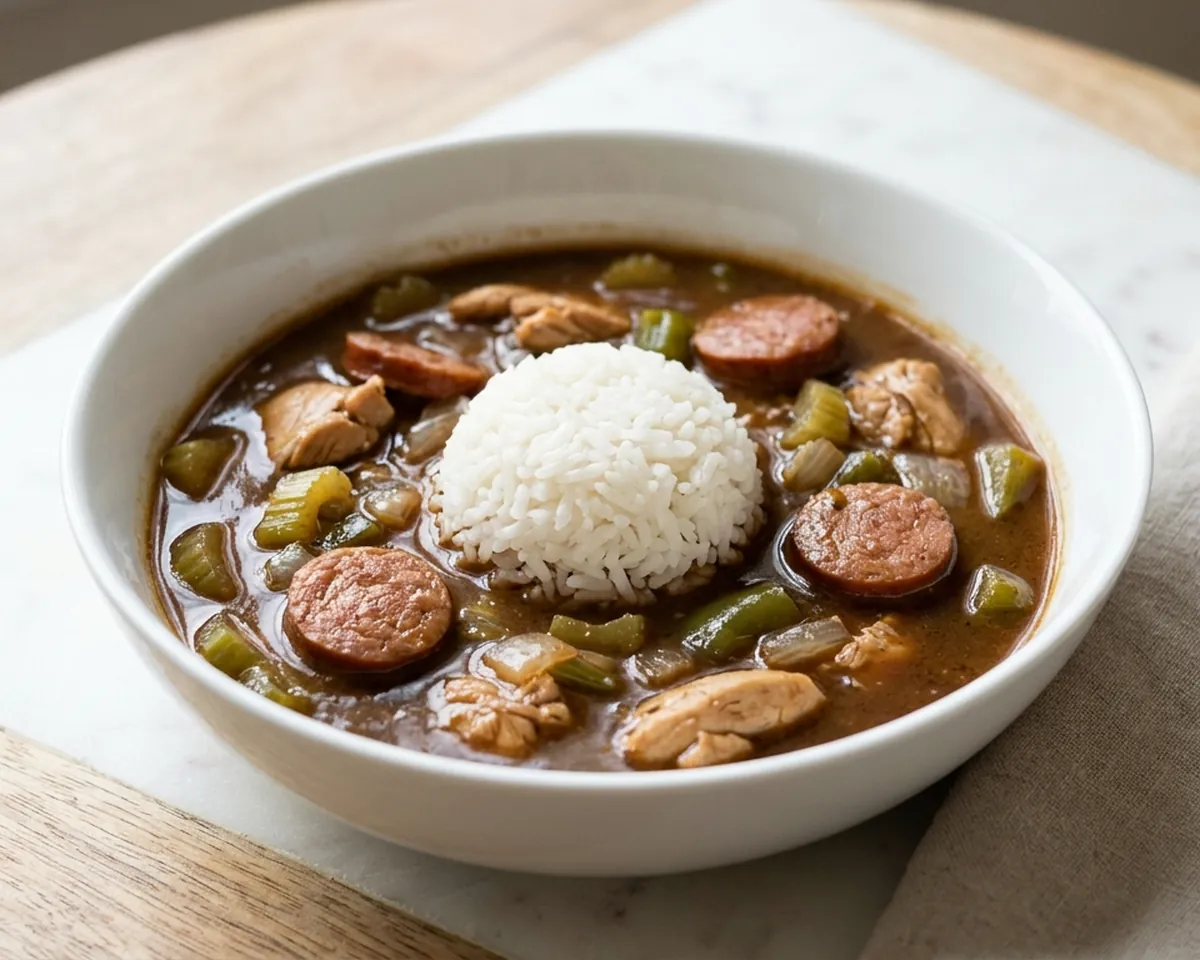
The short answer: This gumbo recipe makes a classic chicken and sausage gumbo: brown chicken thighs and andouille, cook a dark roux from ¾ cup oil and ¾ cup flour, add the onion, celery and bell pepper, then simmer with 8 cups of stock for at least an hour. Serve it over rice with green onions and hot sauce. It feeds 8 to 10 and tastes even better the next day.
Prep time: 25 minCook time: 2 hr 53 minTotal time: 3 hr 18 minServings: 8 to 10 servings
I love cooking for a crowd, and a big pot of gumbo is one of the most satisfying things to share on a cold weekend.
Chicken and sausage gumbo ingredients
| Ingredient | Amount |
|---|---|
| Boneless chicken thighs, cut in pieces | 2 pounds |
| Andouille or smoked sausage, sliced | 1 pound |
| Vegetable oil | ¾ cup |
| All-purpose flour | ¾ cup |
| Yellow onion, chopped | 2 cups (about 1 large) |
| Celery, chopped | 1 cup |
| Green bell pepper, chopped | 1 cup |
| Garlic, minced | 4 cloves |
| Chicken stock | 8 cups |
| Cajun or Creole seasoning | 1 to 2 tablespoons |
| Bay leaves | 2 |
| Dried thyme | 1 teaspoon |
| Green onions and parsley | for serving |
| Cooked white rice | for serving |
How to make gumbo
- Brown the meat. In a large heavy pot, brown the sausage, then the seasoned chicken. Set both aside.
- Start the roux. Add the oil and flour to the pot over medium-low heat. Stir constantly with a flat wooden spoon.
- Cook it dark. Keep stirring 30 to 45 minutes, until it reaches a milk chocolate color. Lower the heat if it smokes.
- Add the trinity. Stir in the onion, celery and bell pepper. Cook 5 to 8 minutes, then add the garlic.
- Whisk in the stock one cup at a time so it stays smooth.
- Season and simmer. Add the meat, seasoning, bay leaves and thyme. Simmer uncovered 1 to 2 hours, skimming the fat.
- Finish. Taste for salt and heat, remove the bay leaves, and serve over rice with green onions.
Chicken should reach 165°F, and seafood 145°F, per the FoodSafety.gov temperature chart.
Rate this recipe
Roux color guide
| Roux color | About how long | Best for |
|---|---|---|
| Blond | 5 to 10 minutes | Sauces and gravies |
| Peanut butter | 15 to 20 minutes | Seafood gumbo, étouffée |
| Milk chocolate | 30 to 40 minutes | Chicken and sausage gumbo |
| Dark chocolate | 45 to 60 minutes | Deep, smoky gumbo |
A burned roux smells acrid and shows black specks. There's no saving it, so start over. That is why the trinity sits chopped and ready before you begin.
Thickening gumbo: roux, okra and filé
Searches for an easy gumbo recipe often come down to one question: why is mine thin? Gumbo gets body from three places, and the right fix depends on which one your pot is missing.
| Thickener | What it does | Watch out for |
|---|---|---|
| Roux | Lighter roux thickens more; a darker roux adds flavor and thickens less | Going dark to chase flavor leaves the pot looser, so simmer a little longer |
| Okra | Releases a natural thickener as it simmers, usually added in the last stretch of cooking | Cooking the okra first to remove its slime also removes much of its thickening |
| Filé powder | Ground sassafras leaf, stirred in off the heat or sprinkled at the table | Never boil it, or it turns stringy; use a small amount |
If the pot is thin after the long simmer, take the lid off and let it reduce rather than adding flour. Many cooks use okra or filé, not both, though it is a habit rather than a rule.
6 gumbo variations
| Gumbo | What changes |
|---|---|
| Seafood gumbo | Shrimp, crab and oysters in the last 5 to 10 minutes; seafood stock |
| Shrimp and okra gumbo | Sliced okra simmers 20 minutes; shrimp at the end |
| Turkey gumbo | Leftover holiday turkey and a stock from the carcass |
| Gumbo z'herbes | Lots of greens like collards, mustard and spinach |
| Slow cooker gumbo | Make the roux on the stove, then cook 6 to 8 hours on low |
| Instant Pot gumbo | Roux on sauté, then 15 minutes at high pressure |
Common gumbo mistakes
- Walking away from the roux. It can burn in seconds. Stay and stir.
- Adding cold stock too fast. Whisk it in slowly to avoid lumps.
- Overcooking the seafood. Shrimp needs only a few minutes at the end.
- Cooking rice in the pot. Keep rice separate so it doesn't turn mushy.
- Boiling filé. Add filé off the heat or it turns stringy.
- Skipping the skim. Spoon off the fat that rises for a cleaner bowl.
Make-ahead, storing and freezing gumbo
- Make ahead: cook gumbo a day early. The flavors deepen overnight.
- Refrigerate: cool it within 2 hours and use it within 3 to 4 days, as the USDA leftovers guide advises.
- Freeze: freeze portions without rice for about 3 months.
- Reheat: bring it back to a boil, then add fresh shrimp if you're using them.
Serving gumbo to a crowd
Gumbo is a natural fit for holiday weekends, game days and the days after Thanksgiving, when leftover turkey makes a rich turkey gumbo. Set out rice, hot sauce, green onions and cornbread or French bread. For more cold-weather pots, see our soup recipe ideas and our freezer meals. Another Louisiana pot to keep in the rotation is red beans and rice, the traditional Monday supper in New Orleans.
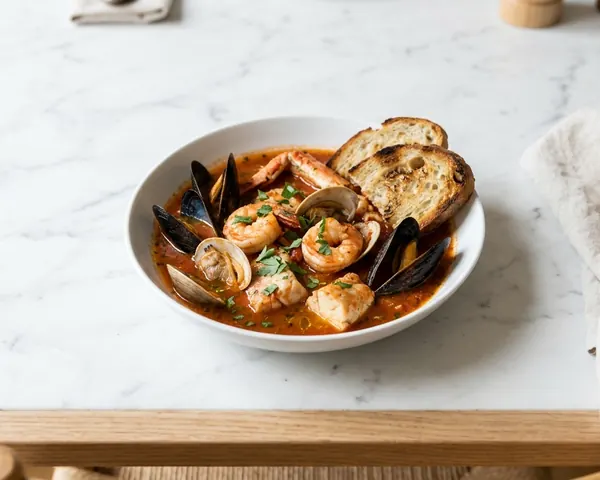
Love the seafood version? Our shrimp recipes include Cajun shrimp, shrimp and grits and a shrimp boil. For a tomato-broth seafood stew from the West Coast, try cioppino. If you would rather cook the rice right in the pot, make our jambalaya recipe instead.
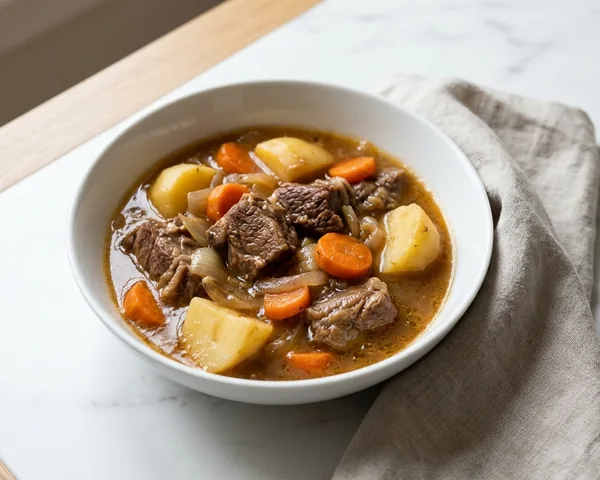
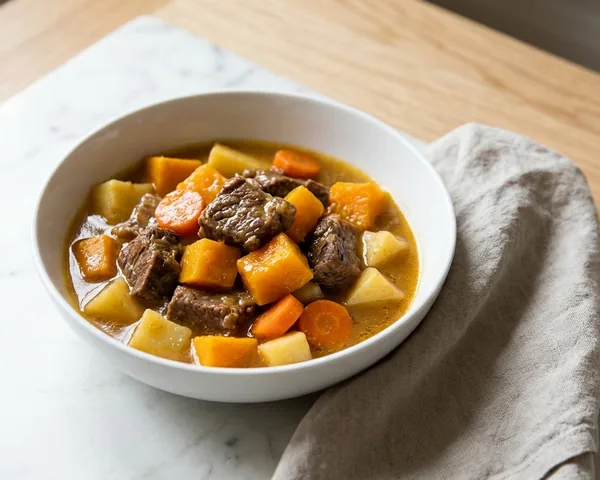
More stews you'll love
Frequently asked questions
What are the basic steps of a gumbo recipe? Every gumbo recipe follows the same path: brown the meat, cook a roux of equal parts fat and flour, add onion, celery and bell pepper, then stir in stock and simmer. Seafood goes in at the end so it doesn't overcook.
How dark should the roux be for gumbo? Most chicken and sausage gumbo uses a roux the color of milk chocolate or darker, which takes about 30 to 45 minutes over medium-low heat. Seafood gumbo often stops at a peanut butter color for a lighter flavor.
What is the holy trinity in gumbo? The holy trinity is chopped onion, celery and green bell pepper, usually in about a 2-to-1-to-1 ratio. It goes into the hot roux, which stops the roux from darkening and builds the flavor base.
What is the difference between gumbo and jambalaya? Gumbo is a thick stew served over rice, while jambalaya cooks the rice right in the pot with the meat and seasonings. Gumbo is built on a roux, and jambalaya usually is not.
Do you put okra or filé in gumbo? Both okra and filé powder thicken gumbo, and many cooks use one or the other. Okra simmers in the pot, while filé (ground sassafras leaves) is stirred in off the heat or at the table.
How long should gumbo simmer? Simmer gumbo for at least 1 hour after adding the stock, and up to 2 to 3 hours for deeper flavor. Skim the fat from the top as it cooks.
Can I make gumbo ahead of time? You can make gumbo ahead of time, and it tastes even better the next day. Cool it quickly, refrigerate it for up to 3 to 4 days, and add any seafood when you reheat it so it stays tender.
Can you freeze gumbo? Yes, gumbo freezes well for about 3 months without the rice. Freeze it in portions, thaw it in the refrigerator overnight and reheat it until it boils.
What do you serve with gumbo? Serve gumbo over white rice with crusty French bread, cornbread or potato salad on the side. Hot sauce and sliced green onions go on the table.
Can I make gumbo without a dark roux? Yes, you can make an oven roux or a quicker blond roux. Bake equal parts flour and oil at 350°F for about 1½ hours, stirring every 20 minutes, for a hands-off dark roux.
How many people does a pot of gumbo feed? This gumbo recipe makes about 10 to 12 cups, which feeds 8 to 10 people over rice. Double it in a large stockpot for a holiday crowd or game day.
How can I plan a gumbo night on a budget? Gumbo stretches a little meat into a big pot, so it is a budget-friendly crowd meal.
Newsletter
Get the HomeBase email
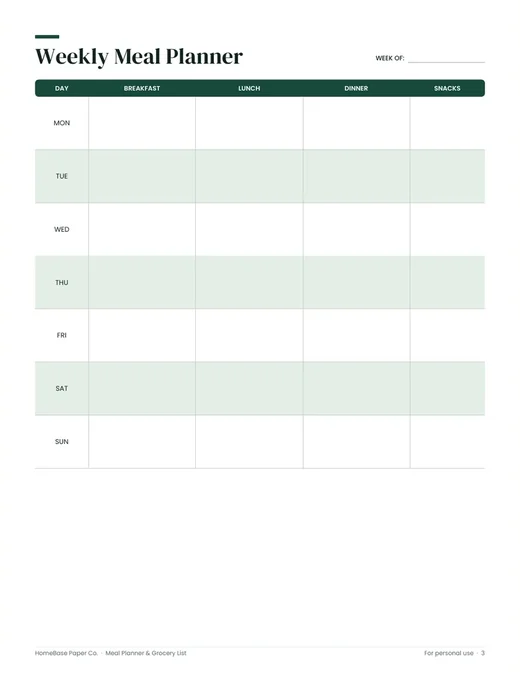
Fresh tips three times a week, Mon/Wed/Fri, with our deals and new products, from printables, spreadsheets and bundles to paperback planners and apparel, plus simple home, money and planning tips.
Sources
- FoodSafety.gov: Safe minimum internal temperatures foodsafety.gov
- USDA FSIS: Leftovers and food safety fsis.usda.gov
Made this? Tell us how it went
Your notes help the next cook: what you changed, how long it took, how it turned out.