The short answer: to rent an apartment, set a rent budget, find a listing you can verify, apply with ID and proof of income, get through the landlord's screening, read the lease before you sign, and document the unit's condition when you move in. Start before your current lease or housing ends so you are not rushed into a bad listing.
- 7 stages: budget, search, application, screening, lease, payments, move-in
- Never pay by wire transfer, gift card or crypto: the FTC says it is the same as sending cash
- Credit often matters: the CFPB says a credit report is often part of the tenant screening report
- Budget help: how much rent can I afford covers the math
Facts checked November 14, 2026 against the Consumer Financial Protection Bureau (CFPB) and the Federal Trade Commission (FTC). Below: the 7 stages in order, the documents to gather, how screening reports work, what to look for in a lease and a move-in routine. This is general education, not legal advice; landlord-tenant rules vary by state and city.
Renting an apartment: the 7 stages at a glance
| Stage | What you do | Watch for |
|---|---|---|
| 1. Budget | Set the most monthly rent you can pay | Rent is not the only monthly cost |
| 2. Search | Find and tour listings | Fake listings and pressure to pay first |
| 3. Application | Submit ID, income proof and references | Application fees; ask what they cover |
| 4. Screening | Landlord reviews credit and rental history | Errors on reports you can dispute |
| 5. Lease | Read and sign the rental agreement | Fees, rules, how to end it early |
| 6. Payments | Pay the deposit and first month | Pay traceably and get receipts |
| 7. Move-in | Inspect and photograph the unit | Record damage on day one |
Stage 1: set your rent budget before you search
Decide your ceiling first so every listing you tour already fits. Use your take-home pay, not your gross pay, and include the costs that come on top of rent: utilities, internet, renters insurance, parking and moving costs. Our how much rent can I afford guide does the math with a salary table, and our budgeting tips list the bills to count. If your income is tight, see how to budget on a low income.
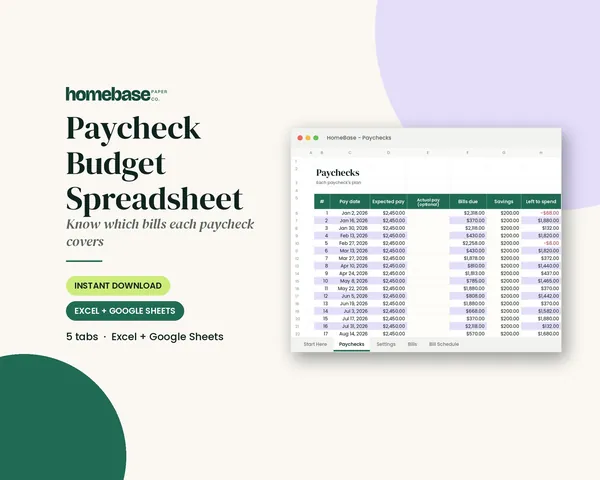
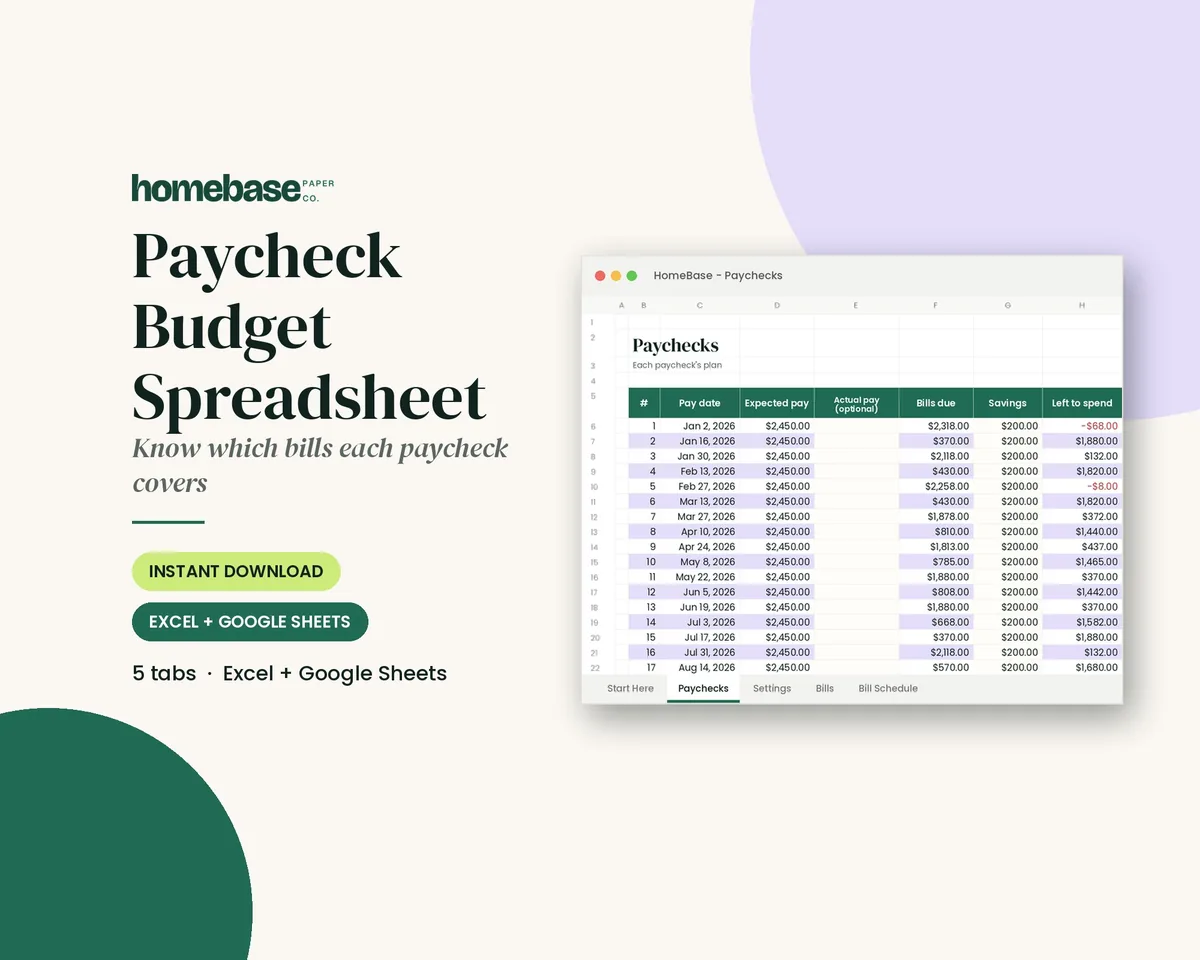
Put the numbers in a sheet before you commit. The Paycheck Budget Spreadsheet ($5.99) shows what is left after rent and the bills that follow it.
Stage 2: find listings and avoid rental scams
Search the property managers' own sites, large rental listing sites and local postings. Tour in person or by live video when you can. The FTC warns about fake rental listings and gives these signs:
- Payment demands: anyone who insists you can only pay by wire transfer, gift card or cryptocurrency is a scam sign. The FTC says these are the same as sending cash and money you probably cannot get back.
- Listing not on the company's site: the FTC advises checking the rental company's own website to see if the property is listed there too. If not, the ad may be a scam.
- No viewing: look at the property before you sign or pay if you can. The FTC adds that a visit is still not a guarantee that a property is real or available.
- No contract: get a copy of the contract before you send any deposit.
Keep a short list while you search: address, rent, what is included, the application fee and the contact name. When you are choosing between places, our first apartment checklist covers what to look for and what to buy once you are in.
Stage 3: the application and documents to gather
Landlords set their own requirements, so ask for the application checklist and fee before you apply. These are the documents applicants are commonly asked for. Confirm each with the landlord rather than assuming:
- A government-issued photo ID
- Proof of income, such as recent pay stubs, an offer letter or tax documents if you are self-employed
- Contact details for past landlords or employers who can act as references
- Your current and previous addresses
- Bank information or an account for payment
- Details on any pets, vehicles and other people who will live with you
Fill in every field and answer honestly. Leave nothing blank, and keep copies of what you submit. If you will apply at several places, ask whether the application fee is refundable, and avoid paying for several applications at once until you have toured the units.
Stage 4: credit and the tenant screening report
Many landlords order a tenant screening report. The CFPB says your credit report is often part of it. Check your own credit reports for errors before you apply, and know where you stand with our guides to checking your credit report, what a good credit score is and how to build credit. Landlords may also compare rent to income; see how to calculate debt-to-income ratio.
If you are denied or charged more: the CFPB says an adverse action includes a denial, requiring a co-signer, or requiring a larger deposit or higher rent than other applicants. In that case:
- The landlord must tell you, in writing, orally or electronically, and name the company that provided the report.
- You can request a free copy of the report within 60 days of the adverse action.
- You can dispute inaccurate or outdated information. The company generally has 30 days to investigate, though in some cases 45, and some states set shorter deadlines.
- Ask the landlord which item in the report was the problem, and offer an explanation or a co-signer if that fits.
Stage 5: read the lease before you sign
A lease is a contract. Our residential lease agreement guide shows the usual sections. Read all of it, ask questions and get any promise in writing. Look for:
- Rent amount and due date, the grace period if there is one, and the late fee
- Lease length and what happens when it ends (renewal, month-to-month or rent change)
- Deposits and fees: how much, what they are for and the conditions for getting a deposit back. Limits and return deadlines are set by state law, so look up yours.
- Utilities and services: which ones you pay, and which are included
- Rules: pets, guests, parking, noise, smoking and subletting
- Repairs: how to request them and who is responsible for what
- Ending early: notice required and any penalty for breaking the lease
- Move-out requirements: notice period and cleaning expectations
Consider renters insurance to cover your belongings; some landlords require it. See our renters insurance guide.
Stage 6: pay the deposit and first month traceably
Pay by a method that leaves a record, such as a check, a credit card or the landlord's payment portal, and get a written receipt for every payment. Do not pay by wire, gift card or cryptocurrency, and do not pay anything for a unit you have not seen or a contract you have not read. Add the move-in date, the deposit and the first month's rent to your budget so the cash is ready before the lease starts.
Stage 7: move in and document the unit
- Get the keys and any access codes in writing, and confirm the date and time.
- Walk through every room before you bring boxes. Test the lights, faucets, appliances, smoke alarms, windows and locks.
- Photograph or video every room, plus any damage, stains or wear, with dates.
- Send the landlord or manager a written list of problems and keep a copy.
- Set up utilities and internet to start on move-in day, and change your address.
- Take out renters insurance if you have not.
Once the move-in date is set, use our moving checklist to line up boxes, utilities and address changes, and keep the move-out cleaning checklist handy for the place you are leaving.
Plan and track it with HomeBase
- Paycheck Budget Spreadsheet, $5.99: rent, bills and what is left each paycheck.
- Ultimate Budget Bundle, $19.99 (
$46.42): all 6 budget spreadsheets plus both printable planners.
Browse more on the Printables page.
Frequently asked questions
How do you rent an apartment for the first time? To rent an apartment for the first time, set a monthly rent budget, search listings, tour the unit, submit an application with proof of identity and income, pass the landlord's screening, read and sign the lease, and pay the deposit and first month's rent. Plan to ask each landlord exactly which documents and fees they require, because requirements vary.
What documents do you need to rent an apartment? Landlords commonly ask for a government photo ID, proof of income such as recent pay stubs or an offer letter, and references from past landlords or employers. Requirements vary by landlord and state, so ask for the application checklist before you pay any application fee.
How much income do you need to rent an apartment? Many landlords set a minimum income as a multiple of the monthly rent, but the multiple varies by landlord, so ask before you apply. Work out your own limit from take-home pay first; our how much rent can I afford guide walks through it.
Do landlords check credit? Many landlords run a tenant screening report that can include credit information, rental history and public records. The CFPB says your credit report is often part of that report, so check yours for errors before you apply.
What happens if my rental application is denied because of a screening report? If a landlord denies your application, or requires a co-signer or a larger deposit, because of a tenant screening report, the CFPB says the landlord must give you an adverse action notice that names the screening company. You can request a free copy of the report within 60 days and dispute errors, which the company generally has 30 days to investigate, though in some cases 45.
How can I avoid rental scams? To avoid rental scams, confirm the listing appears on the property manager's own website, look at the unit before you pay if you can, and never pay with a wire transfer, gift card or cryptocurrency. The FTC says those payment methods are the same as sending cash and are hard to recover.
What should I do before signing a lease? Before signing a lease, read the whole document, confirm the rent, due date, lease length, fees, who pays which utilities, the pet and guest rules and how to end the lease early. Get every promise from the landlord in writing and keep a copy.
What should I do on move-in day? On move-in day, walk through the unit with a checklist, photograph every room and any damage, and send the landlord a dated list of problems. Having your own record helps if the condition of the unit is disputed when you move out.
Newsletter
Get the HomeBase email
Fresh tips three times a week, Mon/Wed/Fri, with our deals and new products, from printables, spreadsheets and bundles to paperback planners and apparel, plus simple home, money and planning tips.
Sources
- What is a tenant screening report? (CFPB) consumerfinance.gov
- What should I do if my rental application is denied because of a tenant screening report? (CFPB) consumerfinance.gov
- Rental Listing Scams (FTC Consumer Advice) consumer.ftc.gov