

The short answer: to build credit, open one account that reports to the three nationwide credit bureaus, like a secured credit card or a credit-builder loan, use it for a small bill you already pay and pay on time every month.
- Keep balances low compared with your limit
- Apply only for credit you need
- Check your free credit reports for mistakes
- Doesn't build credit: debit cards, prepaid cards and payday loans, even paid on time
- Next step: Plan it with the Bill Tracker Spreadsheet ($4.99).
To build credit, open one account that reports to the three nationwide credit bureaus, like a secured credit card or a credit-builder loan, use it for a small bill you already pay, and pay on time every single month. Keep the balance low compared with your limit, apply only for credit you need, and check your free credit reports for mistakes. That's the whole recipe. The rest of this guide shows how to do each step safely, whether you're starting from zero at 18 or rebuilding after a rough stretch.
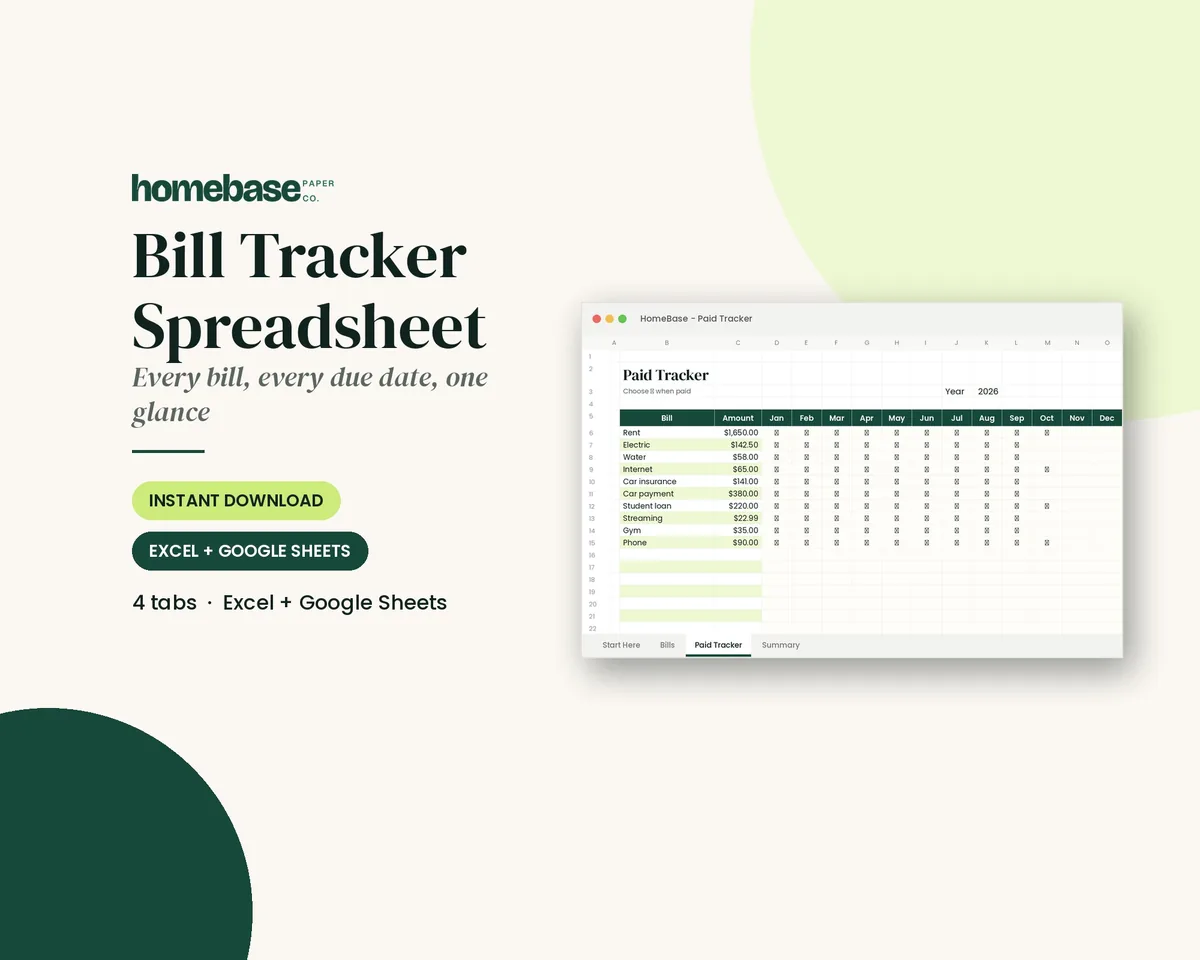
On-time payments are the core of this plan, and our Bill Tracker Spreadsheet lists every bill with its next due date and turns bills due in 3 days or less red.
Credit isn't only for borrowing. The Federal Reserve's consumer guide to credit reports and scores notes that lenders, insurers, landlords, phone and utility companies, and some employers (with your permission) may look at your credit report. A thin or damaged file can mean bigger deposits and higher rates. Every dollar amount below is an example to show the math, so swap in your own numbers.
What builds credit (and what doesn't)
Only payments that get reported to Equifax, Experian and TransUnion add to your credit history. The Consumer Financial Protection Bureau lists which products help you start or rebuild credit and which typically don't:
| Builds credit when reported and paid on time | Typically does NOT build credit |
|---|---|
| Secured credit card (you put down cash, like $500, as your limit) | Debit card or cash |
| Credit-builder loan from a bank or credit union | Prepaid card |
| Retail or store card with a low limit | Payday loan, even when paid on time |
| Regular credit cards and loans you already have | "Buy here, pay here" car loan (dealers often report only late payments) |
Before you open anything, ask the lender one question: "Do you report my payments to all three nationwide credit bureaus?" If the answer is no, that account won't help you build credit.
What goes into a credit score
Your score is a number calculated from your credit report. According to the Federal Reserve guide, the information used can include:
Income isn't part of a credit score, but lenders check it separately. Learn how to calculate debt to income ratio before you apply for a loan.
| Factor | What it means | What to do |
|---|---|---|
| Payment history | Whether you pay bills on time | Never miss a due date; set up autopay |
| Credit in use | How much of your available credit you're using | Keep balances low compared with your limit |
| Debt owed | The total amount you owe | Pay down balances, starting with your plan's top debt |
| Account types | Cards, auto loans, mortgages, etc. | Add a second type only when you need it |
| Collections | Any accounts sent to collections | Deal with them before applying for new credit |
| Account age | How long your accounts have been open | Keep your oldest no-fee account open |
If you're new, a short history is normal. You can't fast-forward time, but you can control the two factors that matter right away: paying on time and keeping balances low.
How to build credit from scratch in 7 steps
Step 1: See if you already have a credit file
Start with your free reports. The FTC explains that you can check your credit report from each bureau once a week for free at AnnualCreditReport.com, which is the only website authorized to fill orders for the free reports you're entitled to by law. Pull all three, because each bureau may get its information from different sources.
You might find a student loan, a phone plan or an old store card you forgot about. Or you might find nothing at all. Either way, you now know your starting line. If you see accounts you don't recognize, deal with those first (see Step 7).
Step 2: Choose one starter account
You only need one account to begin. Pick the one that fits your situation:
| Starter option | How it works | Best for | Watch out for |
|---|---|---|---|
| Secured credit card | Your cash deposit becomes your limit | Most people with no history | Annual fees; confirm it reports to all three bureaus |
| Credit-builder loan | Small payments over 6 to 24 months, money held as savings until the end | People who don't want a card | Interest and fees; only borrow what fits your budget |
| Authorized user | Someone adds you to their card | Young adults with a trusted parent or partner | Their late payments or high balance can hurt you too |
| Store card | Low limit at one retailer | People who shop there anyway | Often high interest; easy to overspend on sales |
The CFPB suggests asking your bank, credit union or a local nonprofit credit counseling agency about secured cards and credit-builder loans. Credit unions are often a good first stop if you already bank there.
Step 3: Put one small, planned bill on it
Give the card one job, like your phone bill or a streaming subscription, that's already in your budget. Then put the card away. You're not using credit to buy more. You're using it to prove you pay on time.
For example, a $30 phone bill on a $300 secured card uses 10% of your limit, and you pay $30 a month no matter what. Your budget doesn't change at all.
Step 4: Automate the full payment, and track the due date anyway
Payment history is the factor you can control most. Set autopay for the full statement balance, not the minimum. You don't need to carry a balance or pay interest to build credit. Paying in full is the cheapest way to do it.
If you use autopay, keep enough in checking to cover it so you don't trigger an overdraft fee. That's why it helps to see every due date and payday in one place. Our Bill Tracker Spreadsheet ($4.99) lists every bill with its next due date and days left, and turns bills red when they're due in three days or less.
Step 5: Keep your balance low compared with your limit
The Federal Reserve lists how much of your available credit you're currently using among the information that goes into your score. Getting close to your limit looks like stretched finances, even if you pay in full later. That share is called credit utilization, and our guide shows how to figure it per card and overall.
| Your limit | Balance | Share of limit used |
|---|---|---|
| $300 | $30 | 10% |
| $300 | $150 | 50% |
| $300 | $290 | 97% (close to maxed out) |
| $1,000 | $30 | 3% |
If one small bill pushes you near the limit, choose a smaller bill or pay mid-month, before the statement closes.
Step 6: Apply only for credit you need
Every application adds an inquiry to your report, and the Federal Reserve guide lists inquiries as part of every credit report. A cluster of new applications can make lenders wonder whether you're in a financial bind. Checking your own report isn't an application. Open one account, use it well for several months and add another type only when it fits a real need, like a car loan you were going to take anyway.
Step 7: Check your reports, fix errors and grow
Keep pulling your free reports. Make sure the new account shows up, the limit is right and every payment is marked on time. The Federal Reserve guide explains how to dispute errors: contact the credit bureau or the company that supplied the information, explain what's wrong and include documents. The dispute usually must be investigated within 30 days.
After several months of on-time payments, ask your secured card issuer whether you can move to a regular card and get your deposit back. Each issuer sets its own rules, so ask instead of assuming.
A first-year credit-building plan
Here's what the first 12 months can look like. Scoring models differ, so how quickly a score appears varies. The habits don't change.
| When | What to do |
|---|---|
| Month 1 | Pull all three reports, open one reporting account and set autopay for the full balance |
| Months 1–3 | Use it for one small bill, check that it appears on your reports and log every payment |
| Months 4–6 | Keep the balance low, skip new applications and check your reports again |
| Months 7–9 | Ask about moving from secured to regular and getting your deposit back |
| Months 10–12 | Review all three reports; add a second account type only if you need it |
| Every month | Pay the full statement balance on or before the due date |
How to build credit at 18 or in your 20s
Young adults face a few extra rules and choices:
- Under 21? Card issuers must consider whether you can pay on your own, so expect to show your own income. Many issuers don't accept cosigners.
- Student loans count. Federal student loan payments reported on time help your history. Late ones hurt it. Put the first due date in your bill tracker the day you graduate.
- Becoming an authorized user on a parent's card can help if they pay on time and keep the balance low. Agree up front on whether you'll use the card at all.
- Rent and utilities don't always show up on credit reports. Ask your landlord whether they report rent payments. Some rent-reporting services charge a fee, so read the terms.
If you're also building your first budget, our budgeting for beginners guide sets up the plan that keeps those payments covered.
How to rebuild credit after missed payments or debt
Rebuilding uses the same habits, but you start by stopping the damage.
If one late payment sits on an otherwise clean record, a goodwill letter asking the lender to remove it is worth trying. Our guide has a sample letter and tips.
- Get current, then stay current. Bring every past-due account up to date if you can. Call creditors before a due date you'll miss and ask about hardship options.
- Know the timeline. The Federal Reserve says negative information, like late payments, generally stays on your report for seven years, and a personal bankruptcy stays for ten. Its impact fades as you add newer, positive history.
- Pay down balances. Paying down a credit card balance can help your score, according to the Federal Reserve. Pick one debt to attack first and roll each paid-off payment into the next. Our guide to the debt snowball method and the avalanche explains the two orders.
- Add one positive account. If your cards are closed or maxed out, a secured card or credit-builder loan gives you new on-time payments to report.
- Dispute only real errors. Accurate negative information can't be removed just because you ask. Be wary of any company that promises to erase accurate late payments for a fee. Disputing a real error yourself is free.
- Build a small cushion. A starter emergency fund keeps one surprise bill from turning into a new late payment.
If holiday spending is what put you behind, our guide to paying off holiday debt gives you a January plan. For more on this topic, see our credit hub.
How to improve your credit score
If you already have a credit file, the question shifts from building to improving. How to improve your credit score comes down to the same factors the Federal Reserve guide lists above, worked in order of impact:
- Check all three reports for errors. Get your free reports at AnnualCreditReport.com, as the FTC recommends, and dispute anything that isn't yours or is reported wrong. Fixing a real error is free.
- Get every account current. Payment history matters most, so bring any past-due account up to date first and set up autopay for at least the minimum.
- Pay down card balances. The Federal Reserve notes that paying down a credit card balance can help your score, because you are using less of your available credit.
- Keep old no-fee cards open. Closing your oldest card can shorten your history and raise the share of credit you use.
- Limit new applications. Apply only for credit you need, and space applications out.
- Give it time. Newer on-time payments gradually outweigh older problems, and late payments fade in impact as they age.
| If your report shows | Do this first | What to track each month |
|---|---|---|
| An error or an account that isn't yours | Dispute it with the bureau and the company that reported it | Dispute date and response |
| A past-due account | Bring it current, then set up autopay | Due date and paid date |
| High card balances | Pay down the card closest to its limit first | Balance and limit on each card |
| A thin or short history | Keep one small recurring bill on a card, paid in full | On-time streak |
| Several recent applications | Pause new credit for now | Months since last application |
Our Debt Payoff Planner shows the month each card will be paid off, which makes the "pay down balances" step easier to stick with.
How long it takes to improve your credit score
There's no fixed timeline, because a score is recalculated from whatever your reports show at the moment it's pulled. What you can control is the order of the work:
| Change you make | When it can show up | Why |
|---|---|---|
| A wrong item is corrected after a dispute | After the bureau updates your report | The score is figured from the corrected report |
| A card balance is paid down | After the card company reports the new balance, usually once a month | You're using less of your available credit |
| A past-due account is brought current | Gradually, as on-time months stack up | Recent payment history counts more than old history |
| A late payment ages | Its impact fades over the years it stays on the report | Older problems weigh less than newer on-time payments |
If you're asking how to improve your credit score before a big application, like a mortgage or a car loan, start two or three months ahead: pull your reports, dispute errors, and pay card balances down before the statement dates so the lower balances are what get reported. For the numbers behind the application, see how much mortgage you can afford and how much car you can afford. You can pull your annual credit report from all three bureaus for free.
Credit-building mistakes to avoid
- Carrying a balance "to build credit." It only adds interest. Pay the statement in full.
- Paying for "free" reports. The FTC notes that AnnualCreditReport.com is the only official site for free reports, so type the address carefully and skip sites that push paid monitoring.
- Opening several cards at once. It can lower your score and makes due dates harder to track.
- Closing your oldest card without a reason, like a high annual fee. It can shorten your history and raise the share of credit you use.
- Assuming a product reports. Debit, prepaid and payday products typically don't help.
- Ignoring mail and email from lenders. Address changes, rate changes and missed autopays show up there first.
Your monthly credit check-in
Give it ten minutes on the same day each month. Copy this table into a notebook or spreadsheet:
| Check | This month |
|---|---|
| Statement balance paid in full? | |
| Paid on or before the due date? | |
| Balance ÷ limit (%) | |
| New applications this month | |
| Report checked (which bureau)? | |
| Anything to dispute? | |
| Next due date |
Why I plan this way
I'm Malaysia. I grew up in Detroit as the oldest of three, in a working family that rebuilt after 2008. I was the one my family leaned on to keep things coordinated, and I learned early that a fresh start is built one on-time payment at a time. Credit works the same way: it's not about being perfect with money. It's about a simple system you can repeat every month.
Never miss a due date with the Bill Tracker Spreadsheet
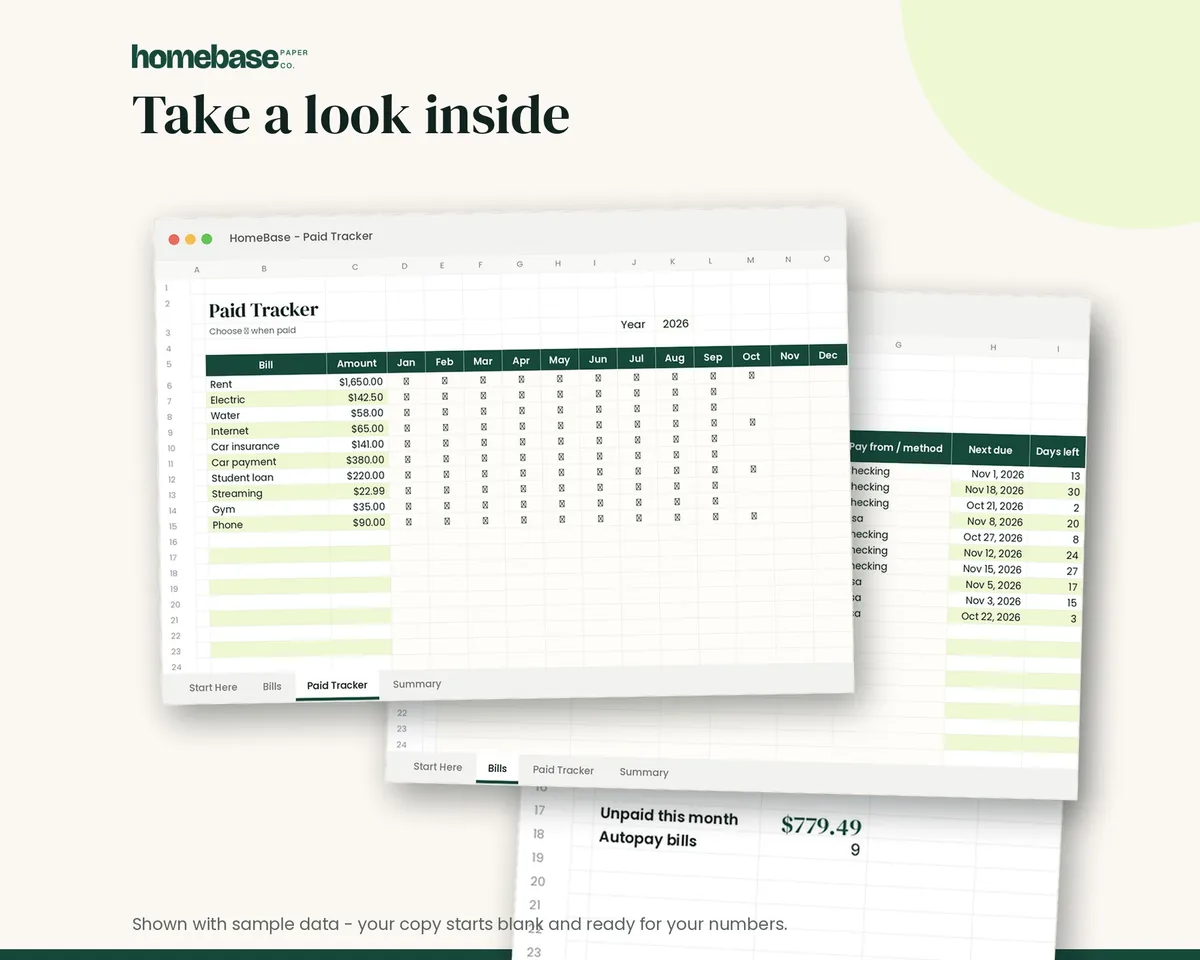
Payment history is the factor you control most, and the Bill Tracker Spreadsheet ($4.99) is built to protect it. It works in Excel and Google Sheets and includes:
- a bill list with categories and an autopay column
- next due date and days left, calculated for you
- due-soon alerts that turn red three days out
- a 12-month paid tracker with checkmarks and monthly paid and unpaid totals
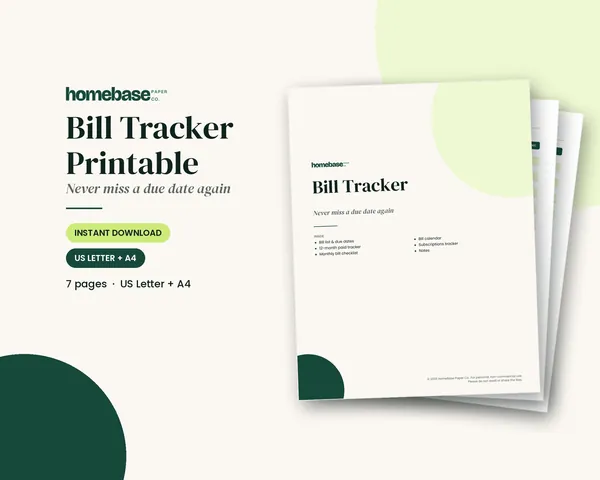
Prefer paper? The Bill Tracker Printable ($3.49) gives you a bill list, a 12-month paid tracker and a bill calendar you check off by hand. Rebuilding with balances to pay down? The Debt Payoff Planner ($6.99) handles up to 10 debts, switches between snowball and avalanche, and shows your debt-free date.
Want the whole system? The Ultimate Budget Bundle ($19.99, $46.42 if bought separately) includes the bill trackers, the Debt Payoff Planner and five more budget tools. Browse every template in Spreadsheets or the paper versions in Printables. For a free start before the holidays, our Holiday Budget Starter Kit is 3 US Letter pages, emailed after you join our list.
Curious where you stand? Learn what a good credit score is and how the score ranges work.
Make it easier
Tools for this

Spreadsheets
Bill Tracker Spreadsheet
Bills due in 3 days or less light up red, so nothing slips through.

Spreadsheets
Debt Payoff Planner
Pick snowball or avalanche, add any extra payment, and get your debt-free month instantly.
 Starter pick
Frequently asked questions
How do you build credit? You build credit by opening one account that reports to Equifax, Experian and TransUnion and paying it on time every month. Use it for a small bill you already budget for, keep the balance low compared with your limit, pay the full statement balance and check your free reports at AnnualCreditReport.com for mistakes.
How do I build credit from scratch with no credit history? Start with a secured credit card or a credit-builder loan from a bank or credit union that reports to all three bureaus. The CFPB lists both as ways to start building credit. Put one small bill on the account, set autopay for the full balance and give it several months of on-time payments before you apply for anything else.
How can I build credit at 18? At 18, the simplest options are a secured card, a student card, a credit-builder loan or becoming an authorized user on a parent's card. If you're under 21, card issuers must consider whether you can pay on your own, so expect to show your own income. Use one account for one small bill and pay it in full every month.
What's the best way to never miss a credit card payment? The Bill Tracker Spreadsheet ($4.99) is a simple way to protect your payment history: it shows every bill's next due date and days left and turns bills red three days before they're due. Pair it with autopay for the full statement balance, and keep enough in checking to cover the payment.
Does using a debit card build credit? No, using a debit card doesn't build credit. The CFPB explains that debit cards, cash and prepaid cards typically aren't reported to the nationwide credit bureaus, because you aren't borrowing money and paying it back. They're great for budgeting, but they won't create a credit history.
Is a secured credit card or a credit-builder loan better? For most beginners, a secured credit card is better, because it's flexible and easy to keep cheap by paying in full. A credit-builder loan suits people who don't want a card: you make small payments, usually over 6 to 24 months, and get the money at the end. Both only help if the lender reports to all three bureaus.
Do I need to carry a balance to build credit? No, you don't need to carry a credit card balance or pay interest to build credit. Pay the full statement balance by the due date every month; your on-time payments still get reported, and you keep the interest.
How long does it take to build credit? It takes several months of reported on-time payments to build a basic history, and longer to build a strong one. Scoring models differ, so the exact timing varies. Focus on the habits: one reporting account, full payments on time and a low balance compared with your limit.
How do I rebuild credit after missed payments? Rebuild credit by getting every account current, staying current, paying down card balances and adding one positive account, like a secured card. The Debt Payoff Planner ($6.99) helps with the paying-down part: it lists up to 10 debts, switches between snowball and avalanche and shows your debt-free date.
How long do late payments stay on a credit report? Late payments generally stay on a credit report for seven years. The Federal Reserve says negative information like late payments generally stays on your credit report for seven years, and a personal bankruptcy stays for ten. New on-time payments still count, so start rebuilding right away.
How often should I check my credit report? Check it at least a few times a year, and before any big application like an apartment or car loan. The FTC says you can get a free report from each of the three bureaus once a week at AnnualCreditReport.com, the only authorized site for free reports.
How do I fix an error on my credit report? You can fix an error on your credit report by disputing it with the credit bureau or the company that supplied the information. Explain what's wrong and include copies of documents. The Federal Reserve says the dispute usually must be investigated within 30 days, and you can get a free copy of your report if the dispute results in a change.
Should I close my old credit cards? Usually not, unless the card has a high annual fee or another real problem. Closing an old card can shorten your credit history and raise the share of your available credit you're using. If you keep it, put one small bill on it so it stays active.
Can I build credit without a credit card? Yes, you can build credit without a credit card. A credit-builder loan from a bank or credit union builds payment history without a card, and installment loans you already have, like federal student loans, count when they're paid on time. The Bill Tracker Printable ($3.49) gives you a paper bill list and 12-month paid tracker to keep those payments on schedule.
How can I improve my credit score fast? The fastest legitimate ways to improve your credit score are disputing real errors on your reports, bringing any past-due accounts current and paying down credit card balances so you use less of your limits. There is no instant fix, but those usually bring the quickest improvements. Then keep paying on time every month, because payment history matters most over the long run; the Bill Tracker Spreadsheet helps you see every due date.
What is the difference between building credit and improving a credit score? Building credit means creating a history when you have little or none, usually with a first card or credit-builder loan. Improving a score means working on an existing file: fixing errors, catching up on late accounts, lowering balances and letting time pass. The habits are the same, but the starting point and first steps differ.
How do I improve my credit score? To improve your credit score, check all three credit reports for errors and dispute anything wrong, bring any past-due account current, pay every bill on time, pay down credit card balances so you use less of your available credit, keep old no-fee cards open and limit new applications. Track each step monthly so you can see what changed.
Does checking my own credit report hurt my score? No, checking your own credit report doesn't hurt your score. Checking your own credit report or score is a soft inquiry and doesn't lower your score, so you can review your reports as often as the free weekly access allows. Hard inquiries come from applying for new credit, which is why it helps to space out applications while you improve your score.
How long does it take to improve a credit score? Often one or two months for a paid-down card balance or a corrected error, and longer for late payments. A paid-down card balance or a corrected error can show up after the next update to your report, often within a month or two. Recovering from late payments takes longer, because the score improves gradually as on-time months add up and older problems age, so how long it takes depends on what's holding the score down.
More from HomeBase
You may also like

Printables
Budget Planner Printable
Twelve undated pages you can print every month: budget, bills, spending, savings and debt.

Spreadsheets
Sinking Funds Tracker
It does the math: how much to set aside each month to hit every goal on time.

Spreadsheets
Paycheck Budget Spreadsheet
Enter your bills once. The sheet tells you which paycheck pays each one, all year.

Spreadsheets
Zero-Based Budget Spreadsheet
The 'Left to budget' counter turns green when every dollar has a job.
 Club
Monthly club
Money Club
Anyone who wants a clear plan for the month's bills, holiday spending and savings.
Free printable
Never miss a payment: get the free bill calendar
A printable monthly bill calendar with room for due dates, amounts and paydays, so every payment has a plan before the month starts. You'll also get our weekly HomeBase email with simple budgeting and bill-paying tips.

Sources
- What are some ways to start or rebuild a good credit history? (Consumer Financial Protection Bureau) consumerfinance.gov
- Free Credit Reports (FTC) consumer.ftc.gov
- Credit Reports and Credit Scores, Consumer's Guide (Federal Reserve Board) federalreserve.gov