

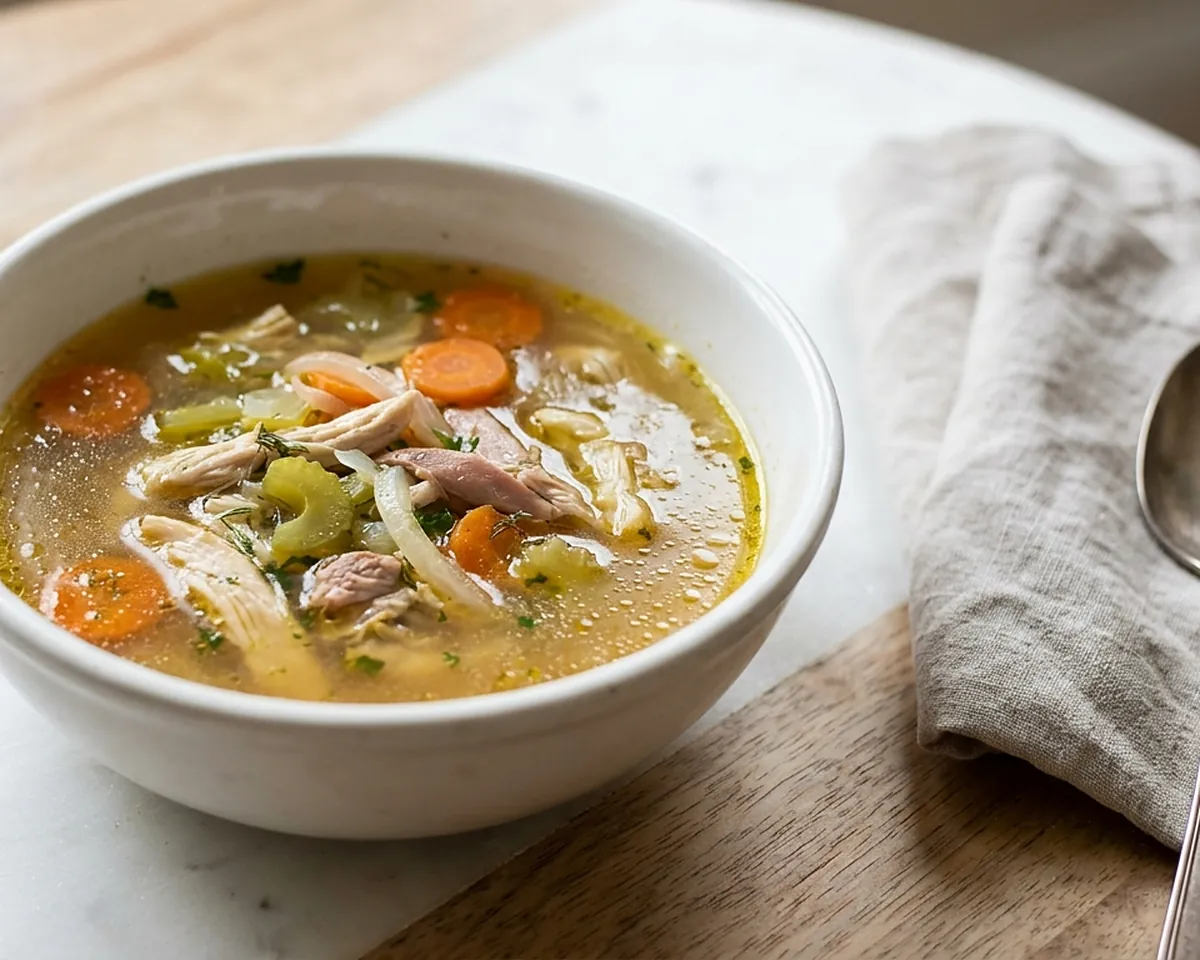
The short answer: how to make chicken soup at home starts with onion, carrots and celery, simmered with chicken and broth until the meat hits 165°F, then finished with seasoning and your choice of noodles, rice or extra vegetables.
- Key numbers: 1½ pounds boneless chicken or one 3–4 pound whole bird · 8 to 12 cups liquid · 165°F · about 45 minutes (boneless) or 1 to 1½ hours (whole) · 3 to 4 days in the fridge
- Top moves: soft-start the aromatics, simmer gently (do not hard-boil), shred only after 165°F, season at the end, freeze without noodles
Prep time: 20 minCook time: 33 minTotal time: 53 minServings: about 8 to 10 cups
Methods and food-safety notes on this page were checked November 5, 2026. Below: three ways to make chicken soup, a basic ingredient table, seasoning tips, finishes and storage.
Pick a method before you shop
| Method | Chicken | Liquid | Hands-on feel | Time |
|---|---|---|---|---|
| Weeknight boneless | 1½ pounds thighs or breasts | 8 cups broth | One pot, shred in the pot | About 45 minutes |
| Whole-chicken broth | 3–4 pound whole chicken | About 12 cups water or light broth | Strain, then finish with fresh veg | 1 to 1½ hours |
| Rotisserie shortcut | 3 cups shredded cooked chicken | 8 cups broth | Vegetables first, meat last | About 30 minutes |
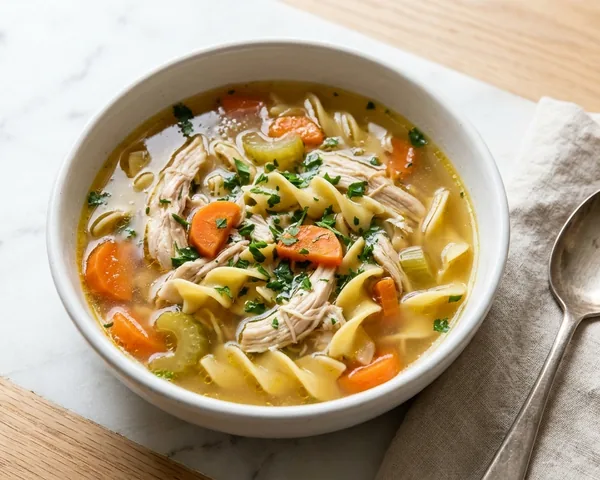
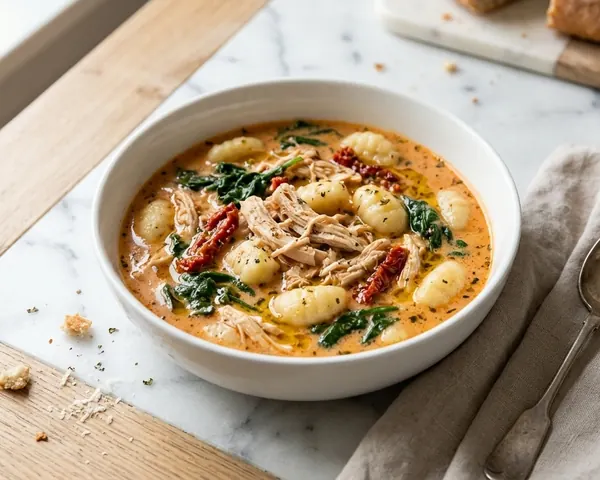
If you specifically want egg noodles in every bowl, our chicken noodle soup page has the exact noodle timing. This page focuses on how to make chicken soup as a base you can finish several ways. For a creamy finish with gnocchi, spinach and sun-dried tomatoes, see our marry me chicken soup.
Chicken soup ingredients (weeknight boneless base)
| Ingredient | Amount | Notes |
|---|---|---|
| Butter or olive oil | 2 tablespoons | Softens the vegetables |
| Yellow onion | 1 medium, diced | |
| Carrots | 3, sliced | About 1½ cups |
| Celery | 3 ribs, sliced | About 1 cup |
| Garlic | 3 cloves, minced | |
| Chicken broth | 8 cups | Low-sodium preferred |
| Boneless chicken thighs or breasts | 1½ pounds | Thighs stay juicier |
| Dried thyme | 1 teaspoon | Plus 1 bay leaf |
| Salt and black pepper | To taste | Season at the end |
| Fresh parsley or dill | A handful | Bright finish |
| Lemon | ½, juiced | Optional, wakes up the broth |
Makes about 8 to 10 cups, or 5 to 6 bowls.
How to make chicken soup on the stove
- Soften the aromatics. Warm the butter or oil in a large pot over medium heat. Cook the onion, carrots and celery for 6 to 8 minutes, until the onion turns translucent.
- Add garlic. Stir for about 30 seconds until fragrant.
- Add liquid and chicken. Pour in the broth. Nestle in the chicken pieces with the thyme and bay leaf. Bring just to a boil, then lower to a gentle simmer.
- Cook to a safe temperature. Simmer 20 to 25 minutes, until the thickest part of the chicken reaches 165°F on FoodSafety.gov's chart. Do not hard-boil the pot the whole time; a rolling boil can make the meat tough and the broth cloudy.
- Shred and return. Lift out the chicken, discard the bay leaf, shred the meat with two forks, and return it to the pot.
- Finish. Taste, then add salt, pepper, herbs and a squeeze of lemon. Add noodles, rice or extra vegetables as in the finishes section below.
Wash your hands and any tools that touched raw chicken before you taste or serve.
Rate this recipe
How to make chicken soup with a whole chicken
For the deepest homemade broth:
- Load the pot. Place a 3- to 4-pound whole chicken in a stockpot with a quartered onion, 2 carrots, 2 celery ribs, a bay leaf and a few peppercorns. Cover with about 12 cups of cold water.
- Simmer gently. Bring just to a boil, skim foam, then keep at a soft simmer until the chicken reaches 165°F and pulls from the bone, usually 1 to 1½ hours.
- Strain and shred. Remove the chicken. Strain the broth and discard the spent vegetables. Shred the meat; discard skin and bones.
- Build the soup. Return the broth to the pot with fresh diced onion, carrots and celery. Simmer until tender, add the shredded chicken, then season and finish.
Whole chicken for soup: size, simmer time and how much meat to use
- Pick a bird of 3 pounds or more. A very small chicken has little bone and fat to flavor 12 cups of water, so the broth tastes thin. If yours is small, add a few extra bone-in thighs or drumsticks to the pot, or finish with a splash of better broth.
- Simmer, do not boil. A hard boil turns the broth cloudy and the breast stringy. Keep the surface barely moving. If the chicken is still clinging to the bone at 1 hour, give it another 20 to 30 minutes; the 165°F mark is the safety check, and tenderness is the finish line.
- You will not need all the meat. Stir about half of the shredded meat into the soup and save the rest for chicken salad, tacos or fried rice. That also keeps the pot from becoming more meat than broth.
- Skim by chilling. For the clearest, leanest soup, refrigerate the strained broth overnight, then lift off the layer of fat that sets on top before you reheat.
- Keep noodles out of the pot. If you are making noodle soup, cook the noodles separately and add them to each bowl. Noodles left in the pot soak up broth and go soft by the next day.
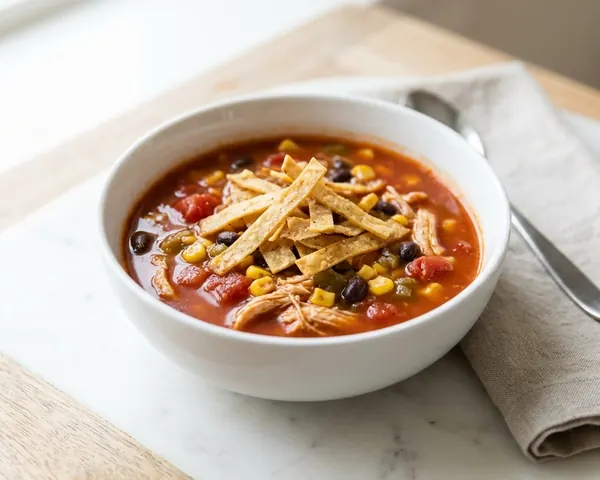
Extra meat becomes chicken salad, tacos or a second soup. For a creamy vegetable cousin another night, try broccoli cheddar soup or chicken tortilla soup. For an Italian-style bowl that many families make on sick days, try Italian penicillin soup.
Rotisserie and slow-cooker shortcuts
Rotisserie: Soften onion, carrots and celery, add 8 cups of broth, simmer until the vegetables are tender, cook any noodles or rice, then stir in about 3 cups of shredded rotisserie chicken for the last 2 minutes just to heat through. Confirm leftovers you reheat still reach 165°F.
Slow cooker: Combine aromatics, broth and raw chicken. Cook on low 6 to 7 hours or high 3 to 4 hours, until 165°F. Shred, then add pasta on high for the last 20 to 30 minutes, or cook starches separately.
Finishes: noodles, rice, vegetables or plain broth
| Finish | What to do |
|---|---|
| Classic noodle | Add 6 ounces wide egg noodles for the last 6 to 8 minutes, or see chicken noodle soup |
| Chicken and rice | Add ¾ cup uncooked long-grain rice with the broth, or stir in cooked rice at the end |
| Chicken vegetable | Skip starch; add potatoes, green beans, corn, peas or diced tomatoes |
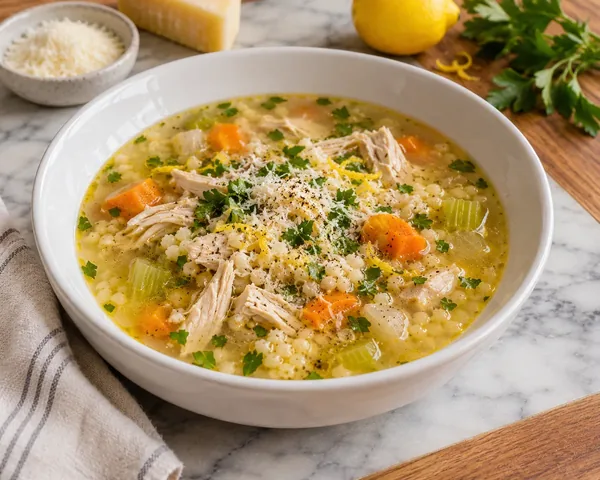
| Lemon herb | Finish with lemon juice and dill; orzo works well here |
| Dumpling night | Serve the broth beside chicken and dumplings another evening instead of loading this pot |
Swap tip: cook noodles or rice in a separate pot when you want leftovers. Starches left in broth keep soaking liquid and turn soft overnight.
Seasoning and clarity tips
- Salt late. Broths vary. Taste after the chicken cooks and the liquid reduces.
- Skim early. Foam and excess fat can be skimmed in the first 10 minutes for a cleaner bowl.
- Acid helps. Lemon juice or a splash of vinegar brightens long-simmered broth.
- Herbs at the end. Parsley and dill stay fresh if you add them off the heat.
- Low-sodium broth. Gives you room to season without oversalting.
Browse more bowls in our soup recipes roundup, including cabbage soup, egg drop soup and french onion soup. After big holiday meals, the same method works with turkey in our turkey soup. Use a pot of chicken broth for matzo ball soup when you want dumplings instead of noodles.
Storing, freezing and reheating chicken soup safely
- Fridge: cool and refrigerate within 2 hours; eat within 3 to 4 days. USDA's leftovers and food safety page recommends shallow containers so large pots chill quickly.
- Freezer: freeze without noodles for best quality. FoodSafety.gov's cold food storage charts list soups and stews at about 2 to 3 months for quality.
- Reheat: bring to a full simmer until steaming hot and 165°F, then add fresh noodles or rice.
Batch a second pot into your freezer meals plan, and put soup night on the calendar with meal planning on a budget or a protein stretch from cheap meals.
Affiliate links: we may earn a small commission. As an Amazon Associate we earn from qualifying purchases. Details.
Airtight glass containers with lids keep leftovers fresh and can go from the fridge to the microwave.
Save the recipe
Pair soup with a simple side from easy side dishes or fold it into a week of easy chicken dinners.
More soups you'll love
Frequently asked questions
How do you make chicken soup from scratch? Soft-start aromatics (onion, carrots and celery) in a little oil or butter, add garlic, then cover with chicken broth or water and add chicken. Simmer until the chicken reaches 165°F, shred the meat, return it to the pot with fresh vegetables if needed, and season at the end. You can finish with noodles, rice or keep it brothy.
What is the safest temperature for chicken in soup? Chicken in soup is safe when the thickest part reaches 165°F, the FoodSafety.gov minimum for poultry. Check a breast or thigh with an instant-read thermometer before you shred. Once leftovers cool, reheat the soup until it is steaming hot and reaches 165°F again.
Should I use a whole chicken or boneless pieces? A whole chicken makes the richest broth and plenty of meat, but it takes about 1 to 1½ hours of gentle simmering. Boneless thighs or breasts finish in about 45 minutes and are easier on a weeknight. A rotisserie chicken is the fastest shortcut: simmer vegetables in broth, then stir in shredded meat at the end.
How long does it take to make chicken soup? A boneless stovetop chicken soup takes about 45 minutes. A whole-chicken pot usually needs 1 to 1½ hours for the bird to cook through and the broth to deepen, plus a short second simmer with fresh vegetables. A rotisserie shortcut can be ready in about 30 minutes.
Do I have to use noodles in chicken soup? No, you do not have to use noodles in chicken soup. Chicken soup is the broader dish; chicken noodle soup is the version with egg noodles. You can leave it brothy, add rice, potatoes, orzo or extra vegetables. If you want the classic noodle bowl, see our dedicated chicken noodle soup page for amounts and mushy-noodle fixes.
How do I keep chicken soup from tasting bland? Season in layers: salt the pot lightly early, then taste again after the chicken cooks and the broth reduces. Finish with fresh herbs, black pepper and a squeeze of lemon. Low-sodium broth gives you more control. A bay leaf and a Parmesan rind during the simmer also deepen flavor.
Can I make chicken soup in a slow cooker? Yes, you can make chicken soup in a slow cooker. Put onion, carrots, celery, broth and raw chicken in the slow cooker. Cook on low for 6 to 7 hours or high for 3 to 4, until the chicken reaches 165°F. Shred the meat, then add noodles or rice for the last 20 to 30 minutes on high, or cook starches separately.
How long does homemade chicken soup last in the fridge? Homemade chicken soup keeps 3 to 4 days in the refrigerator when cooled and stored within 2 hours of cooking. Divide big batches into shallow containers so they chill quickly, as USDA leftovers guidance recommends, and reheat until steaming hot.
Can you freeze homemade chicken soup? Yes, you can freeze homemade chicken soup. Freeze chicken soup without noodles or pasta for the best texture. Cool it quickly, pack it in freezer-safe containers with a little headspace, and use it within about 2 to 3 months for best quality. Add fresh noodles or rice when you reheat.
How much soup does a whole chicken make? A 3- to 4-pound whole chicken with about 12 cups of water usually yields 8 to 10 cups of finished soup after straining and reducing, depending on how long you simmer and how many vegetables you add. You will often have extra meat for salad or a second meal.
Where can I save my homemade chicken soup recipe? The Family Recipe Binder ($6.99) from HomeBase Paper Co. has fillable recipe pages for broth times, seasoning notes and noodle-or-rice finishes, so a soup your family makes by memory is written down. It prints on US Letter paper at home.
Newsletter
Get the HomeBase email
Fresh tips three times a week, Mon/Wed/Fri, with our deals and new products, from printables, spreadsheets and bundles to paperback planners and apparel, plus simple home, money and planning tips.
Sources
- FoodSafety.gov: Safe minimum internal temperatures foodsafety.gov
- USDA FSIS: Leftovers and food safety fsis.usda.gov
- FoodSafety.gov: Cold food storage charts foodsafety.gov
Made this? Tell us how it went
Your notes help the next cook: what you changed, how long it took, how it turned out.