

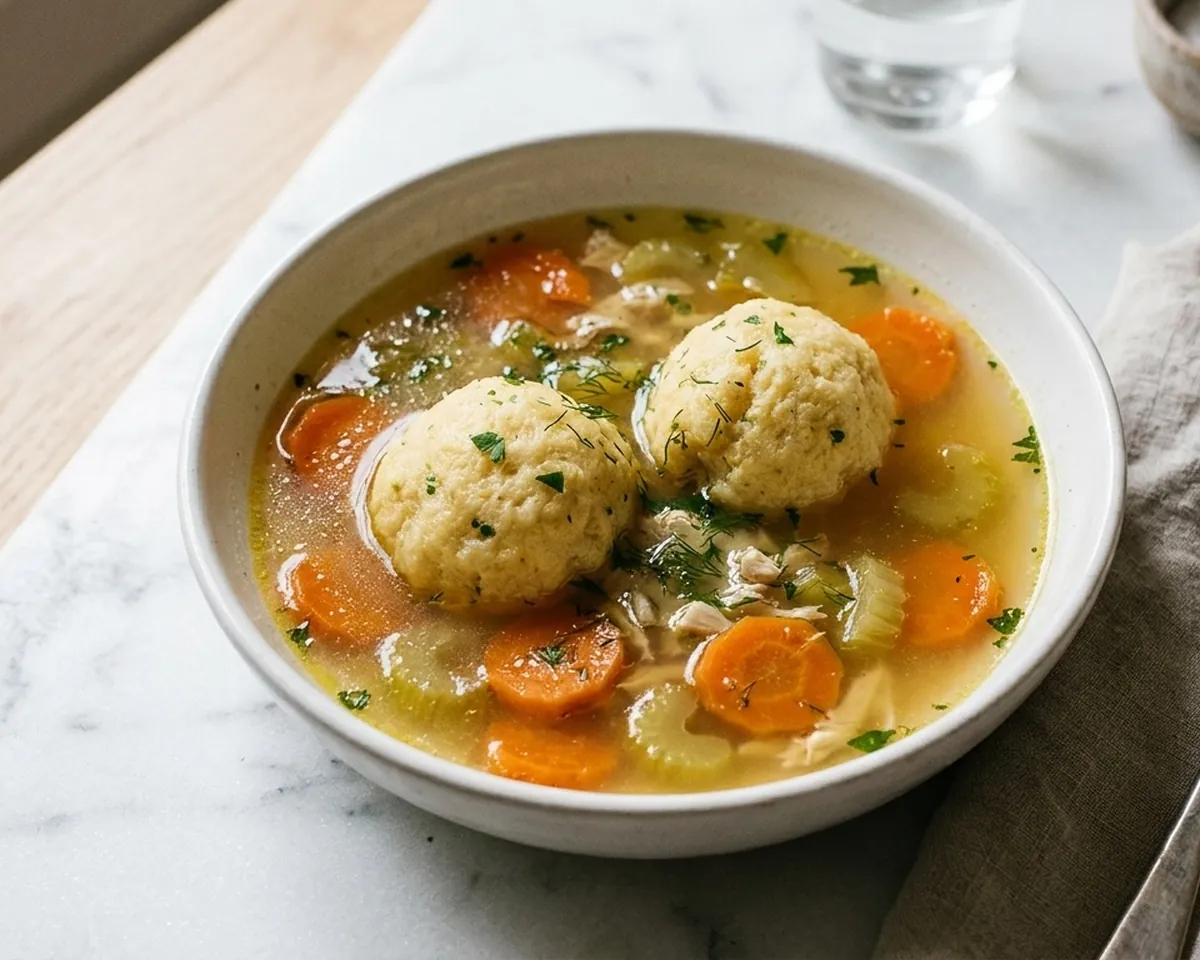
The short answer: this matzo ball soup pairs fluffy matzo-meal dumplings with clear chicken broth. Chill the batter, simmer gently, and plan 2 to 3 balls per bowl.
- Key numbers: 1 cup matzo meal · 4 eggs · ¼ cup oil · ~10–12 balls · feeds 4–6
- Top moves: whip eggs, chill batter, gentle simmer, clear broth, dill finish
Prep time: 10 minCook time: 1 hr 10 minTotal time: 1 hr 50 minServings: 4 to 6 servingsTotal includes 30 min of resting, chilling or rising.
Amounts and methods for this matzo ball soup recipe were checked November 6, 2026. The sections below cover dumplings, broth, assembly, storage and planning.
Matzo ball ingredients
| Ingredient | Amount | Notes |
|---|---|---|
| Matzo meal | 1 cup | Not matzo cake meal |
| Eggs | 4 large | Room temperature helps |
| Neutral oil or schmaltz | ¼ cup | |
| Water or seltzer | ¼ cup | Seltzer for lighter balls |
| Salt | 1 teaspoon | |
| Black pepper | ¼ teaspoon | |
| Baking powder | 1 teaspoon | Skip for strict Passover rules if needed |
Broth ingredients (quick weeknight)
| Ingredient | Amount | Notes |
|---|---|---|
| Chicken broth | 8 cups | Low-sodium |
| Carrots | 2, sliced | |
| Celery | 2 stalks, sliced | |
| Onion | ½, peeled | Optional whole half to fish out |
| Dill | Fresh sprigs | Finish |
| Cooked shredded chicken | 2 cups optional | From a roast or leftover |
If you simmer raw chicken pieces for broth, cook poultry to 165°F before shredding.
How to make fluffy matzo balls
- Mix. Whisk eggs, oil and water or seltzer. Stir in matzo meal, salt, pepper and baking powder until just combined. Do not beat into a paste.
- Chill. Cover and refrigerate at least 30 minutes (up to overnight) so the meal hydrates.
- Shape. With wet hands, roll into golf-ball-size spheres (about 1½ inches). You should get 10 to 12.
- Simmer. Bring a large pot of salted water (or extra broth) to a gentle boil. Add balls, cover, and simmer 30 to 40 minutes until cooked through and light. Do not hard-boil them uncovered the whole time or they can toughen.
- Broth. Meanwhile, simmer broth with carrot, celery and onion 20 to 30 minutes. Season. Add dill at the end.
Follow FoodSafety.gov 4 steps to food safety when you handle raw eggs and chicken: clean hands and boards, separate raw from ready-to-eat, cook thoroughly, and chill leftovers promptly.
Money-saving tip: a box of matzo meal lasts many batches; stretch the soup with extra carrots and a leftover roast chicken.
Rate this recipe
Assemble bowls
Ladle hot broth into bowls, add 2 to 3 matzo balls, optional shredded chicken, carrots and dill. Serve with crackers or bread if you like.
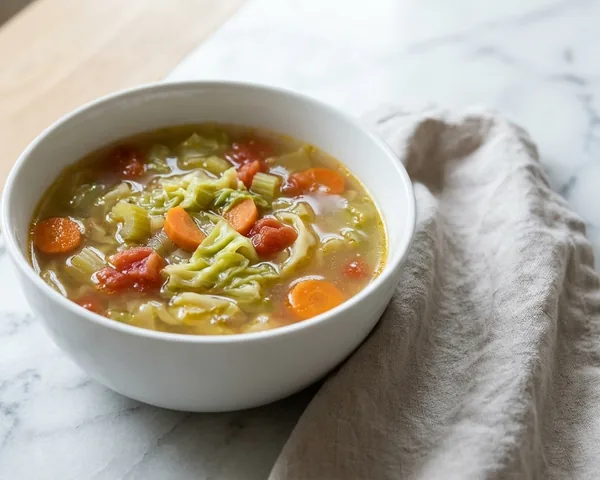
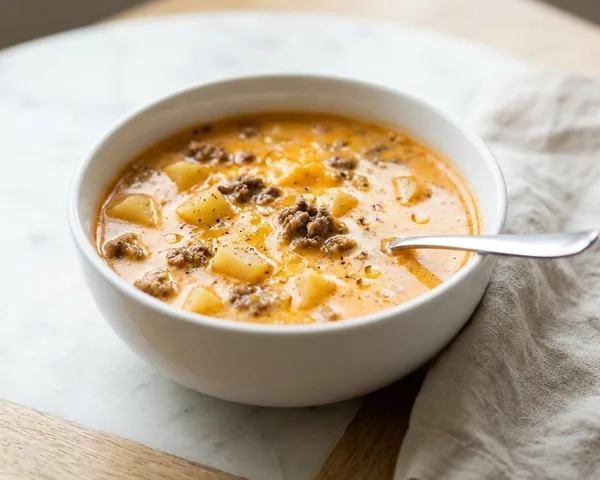
For other cozy bowls, see chicken noodle soup, hamburger soup and soup recipes.
Storing, reheating and freezing
Store balls and broth separately when you can so the dumplings do not soak up all the liquid. USDA guidance says cooked leftovers keep about 3 to 4 days. Reheat until steaming hot. See cold food storage charts.
Affiliate links: we may earn a small commission. As an Amazon Associate we earn from qualifying purchases. Details.
Airtight glass containers with lids keep leftovers fresh and can go from the fridge to the microwave.
What to make next
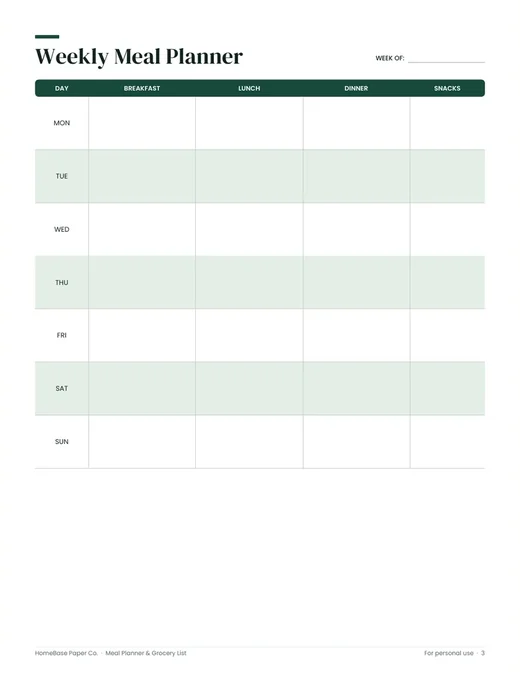
Pair this with easy dinner ideas or meal planning on a budget.
More soups you'll love

Frequently asked questions
What is matzo ball soup? Matzo ball soup is chicken broth served with dumplings made from matzo meal, eggs, fat and seasoning. It is a classic Jewish comfort soup, often served for Passover and cold-weather dinners.
How do you make matzo balls light and fluffy? Whip the eggs well, do not overmix the matzo meal, chill the batter at least 30 minutes, and simmer the balls gently in salted water or broth with the lid on. Dense balls usually mean too much meal or heavy mixing.
Can I use boxed matzo ball mix? Yes, you can use boxed matzo ball mix for matzo ball soup. Boxed mix is a solid shortcut. Still chill the batter and simmer gently. Homemade mix (matzo meal + eggs + oil or schmaltz) lets you control salt and fluff.
Do matzo balls cook in the soup or separately? Many cooks simmer matzo balls in a separate pot of salted water so the broth stays clear, then add them to bowls of hot soup. Cooking them in the soup works too; the broth will be cloudier and thicker.
What broth is best for matzo ball soup? Homemade chicken broth with onion, carrot and celery is traditional. Low-sodium store broth is fine on a weeknight; simmer it with a few aromatics for 20 minutes to freshen the flavor.
Are matzo balls safe to make ahead? Yes, matzo balls are safe to make ahead. Chill shaped raw balls on a tray, or cook them fully and refrigerate in broth. USDA guidance says cooked leftovers keep about 3 to 4 days. Reheat until steaming hot.
Can I freeze matzo ball soup? Yes, you can freeze matzo ball soup, and the broth freezes well. Matzo balls can get denser after freezing; freeze them separately on a tray, then bag, for better texture. Thaw in the fridge and reheat gently.
What is schmaltz and do I need it? Schmaltz is rendered chicken fat. It adds classic flavor to matzo balls. Neutral oil or melted butter works if you do not keep schmaltz on hand.
How many matzo balls per person? Plan 2 to 3 medium balls per bowl for a main soup, or 1 to 2 as a starter. This recipe makes about 10 to 12 medium balls.
Is matzo ball soup only for Passover? No, matzo ball soup is not only for Passover. It is traditional at Passover and also a year-round comfort soup whenever you want chicken broth and dumplings.
Where can I save my family's matzo ball soup recipe? The Family Recipe Binder ($6.99) from HomeBase Paper Co. has fillable recipe pages and dividers, so your matzo-ball ratio and broth notes stay with your other family recipes. It prints at home on US Letter paper.
Newsletter
Get the HomeBase email
Fresh tips three times a week, Mon/Wed/Fri, with our deals and new products, from printables, spreadsheets and bundles to paperback planners and apparel, plus simple home, money and planning tips.
Sources
- FoodSafety.gov: Safe minimum internal temperatures foodsafety.gov
- USDA FSIS: Leftovers and food safety fsis.usda.gov
- FoodSafety.gov: Cold food storage charts foodsafety.gov
- FoodSafety.gov: 4 steps to food safety foodsafety.gov
Made this? Tell us how it went
Your notes help the next cook: what you changed, how long it took, how it turned out.