


The short answer: this cheeseburger soup combines browned ground beef, tender potatoes and vegetables in a creamy cheddar broth. Make the flour-thickened base first, then remove the pot from the heat before melting the cheese. The existing recipe makes about 8 cups, with 25 minutes prep, 23 minutes cooking and 48 minutes total.
Prep time: 25 minCook time: 23 minTotal time: 48 minServings: 8 cups
Below are the original ingredient amounts and stovetop method, followed by preparation cues, slow cooker instructions, troubleshooting, toppings and storage.
What makes this cheeseburger soup different?
This is a potato-and-cheddar soup with ground beef throughout, not a clear beef broth with a little cheese sprinkled on top. Onion, carrots and celery build the base; mustard is optional for a burger-like tang. You can choose your own toppings without changing the soup for everyone at the table.
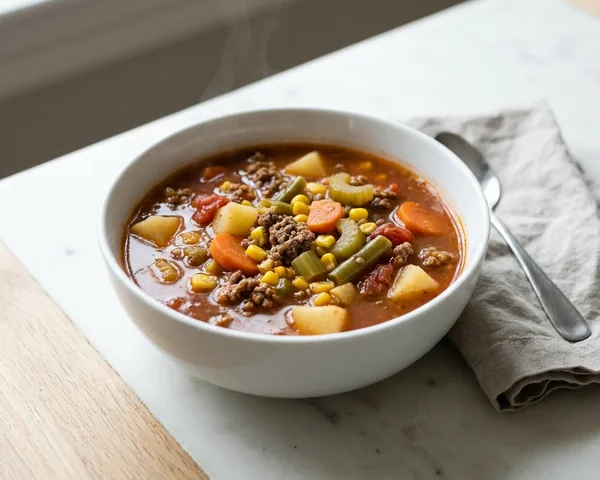
If you prefer tomatoes and a broth-based bowl, our hamburger soup is the better starting point. For a meatless creamy potato base, see potato soup. Keeping those recipes separate lets this one stay focused on cheddar, beef and potatoes.
| Recipe detail | What to expect |
|---|---|
| Main method | One pot on the stove, with a bowl for the browned beef |
| Cheese | Freshly shredded sharp cheddar |
| Thickening | Butter and flour, plus the potatoes and cheese |
| Yield | About 8 cups; bowl size determines portions |
| Preparation and cooking | 25 minutes prep; 23 minutes cooking; 48 minutes total |
| Optional finish | Mustard, sour cream and individual burger toppings |
The times are the page's existing recipe estimates. Potato size, stove output and how long your pot takes to reach a simmer affect elapsed time. Use the doneness cues in the method rather than serving a hard potato because the timer has finished.
Cheeseburger soup ingredients
| Ingredient | Amount | Notes |
|---|---|---|
| Ground beef | 1 pound | 85% lean is the original recipe's choice; drain rendered fat |
| Butter | 4 tablespoons | For the vegetables and flour base |
| Yellow onion | 1, diced | Cut small enough to fit comfortably on a spoon |
| Carrots | 2, diced | Cut evenly so they soften with the celery |
| Celery | 2 ribs, diced | Include in the vegetable base |
| Garlic | 2 cloves, minced | Add after the other vegetables soften |
| All-purpose flour | ¼ cup | Stir into the butter before adding broth |
| Chicken or beef broth | 4 cups | Low-sodium broth lets you adjust seasoning at the end |
| Yukon Gold potatoes | 1½ pounds (about 4 cups), ½-inch dice | Peel if desired; cut evenly |
| Whole milk | 1½ cups | Add after the potatoes are tender |
| Sharp cheddar | 2 cups (8 ounces), freshly shredded | Shred from a block before starting |
| Yellow mustard | 1 teaspoon | Optional |
| Dried parsley or basil | 1 teaspoon | Add with the broth |
| Salt and pepper | To taste | Taste again after cheese and toppings |
| Sour cream | ½ cup | Optional; stir in off the heat |
How to make cheeseburger soup
- Brown the beef. Cook the ground beef in a large pot over medium-high heat, breaking it up, until no pink remains. Check with a food thermometer: ground beef needs 160°F; color alone is not a safety test. Move it to a bowl and drain the fat.
- Soften the vegetables. Melt the butter in the same pot over medium heat. Cook the onion, carrots and celery for 6 to 8 minutes, then add the garlic for 30 seconds.
- Make the roux. Sprinkle in the flour and stir for 1 minute.
- Add broth and potatoes. Slowly whisk in the broth, add the potatoes, parsley and a pinch of salt and pepper, and bring to a boil. Lower the heat and simmer 12 to 15 minutes, until the potatoes are tender.
- Add beef and milk. Stir in the beef, milk and mustard and heat until steaming. Don't let it boil.
- Melt the cheese. Take the pot off the heat. Stir in the cheddar a handful at a time, then the sour cream if using. Taste for salt.
- Top and serve. Ladle into bowls and add your favorite toppings.
The ingredient amounts, method order and stated cooking intervals above preserve the existing HomeBase recipe. The tips below explain what to look for during those steps. Wash the thermometer, utensils and surfaces that touched raw beef before using them for finished soup or toppings.
Rate this recipe
Before you start: prepare for a smooth finish
Dice the potatoes to the size listed above and keep the pieces consistent. A mixture of large chunks and tiny fragments makes it harder to reach a tender texture without some pieces falling apart. Smaller pieces also fit the spoon better alongside the beef.
Shred the cheddar before heating the pot, and measure the milk and flour. The last part of the recipe needs gentle stirring rather than a pause while you search the refrigerator. Keep the sour cream separate if using; it belongs at the end, not in the simmering potato base.
Choose a pot with room above the soup for whisking and stirring. A heavy-bottomed pot can help spread heat, but you do not need a particular brand to make this recipe. Keep a slotted spoon, whisk, ladle and heat-safe bowl nearby. A food thermometer is useful for the beef and later for leftovers.
What the stages should look like
| Stage | Useful cue | What to do if it is not ready |
|---|---|---|
| Browning beef | Crumbles with browning rather than a compact slab | Break it up and check its safe temperature |
| Vegetables | Onion softened; carrots and celery losing their raw firmness | Continue gently; lower heat if browning too fast |
| Flour stirred in | Flour coats the vegetables without dry pockets | Stir through the bottom and corners of the pot |
| Broth added | An evenly combined liquid without flour lumps | Add gradually and whisk as you pour |
| Potatoes simmered | A fork slides into the center of a piece | Continue the simmer before adding milk |
| Cheese finish | Cheese melts into the liquid as you stir | Keep the pot off high heat and add gradually |
Cheddar or processed cheese: which should you use?
The main recipe uses sharp cheddar. It gives a distinct cheese flavor without requiring processed cheese, but the finishing method matters. Add it off the heat a little at a time, stirring until it melts before adding more. Do not dump cold shreds into a rapidly boiling pot.
| Cheese choice | Flavor and texture | How it affects this recipe |
|---|---|---|
| Freshly shredded sharp cheddar | A pronounced cheddar flavor | The original choice and amount in the recipe |
| Processed melting cheese | A milder, generally smoother cheese base | An optional variation; check the product's salt and flavor |
| A mix of cheddar and processed cheese | Cheddar flavor with a different melt | A variation to record separately from the original |
| Pepper jack | A spicier finish | Changes flavor; choose toppings accordingly |
Processed cheese blocks and slices are not interchangeable measures. If adapting, measure by weight and record what you used; do not assume a large block equals the cheddar amount in this recipe. Add salt only after tasting the finished soup.
Pre-shredded cheddar can be used if that is what you have, though the melt may differ from cheese grated from a block. A grainy soup can also come from excess heat, so changing cheese alone will not fix a pot kept at a hard boil. Removing the pot from the burner is especially useful on an electric stove that retains heat.
7 cheeseburger soup mistakes and how to avoid them
- Leaving all the rendered beef fat in the pot. Drain it after browning so the flour base and dairy are not floating under an oily layer. The butter in the recipe supplies the fat for the roux.
- Pouring broth over loose flour. Stir the flour into the butter and vegetables first, then add broth slowly while whisking. Scrape the bottom and corners so dry flour does not hide there.
- Adding dairy while potatoes are still firm. Check a potato from the center of the pot before moving on. It is easier to finish cooking potatoes in the base than to keep heating cheese while waiting for them.
- Boiling the fresh cheese finish. Remove the pot from heat before adding cheddar and sour cream. Stir in portions instead of leaving a mound of cheese on the bottom.
- Trying to thicken finished soup with dry flour. Flour added at the table can form lumps and taste raw. For a thicker texture, mash some tender potatoes into the base; do that before adding the cheese when possible.
- Salting before considering broth, cheese and bacon. Those ingredients already contribute salt. Make the final adjustment after the cheese melts, and let diners add salty toppings individually.
- Putting every topping into the whole pot. Pickles, fresh tomatoes and bun croutons lose their separate textures in storage. Keep toppings beside the bowls and add them as you serve.
Troubleshooting the pot you already have
| Problem | Likely cause | Practical next move |
|---|---|---|
| Too thick | Potatoes, roux and cheese have thickened as the soup stands | Stir in a little broth or milk, then reassess |
| Too thin before cheese | Base has not reduced or thickened enough | Finish the potato simmer before adding dairy |
| Too thin after cheese | More liquid than desired for your texture | Mash some potato gently; avoid prolonged boiling |
| Grainy or separated | Cheese finish became too hot or melted unevenly | Remove from heat and stir gently; the original texture may not fully return |
| Greasy surface | Too much rendered fat remained | Skim accessible surface fat; drain the beef thoroughly next time |
| Bland | Low seasoning or insufficient burger-style contrast | Taste for salt, pepper and the optional mustard; add pickles to the bowl |
| Scorched bottom | Heat too high or insufficient stirring | Transfer the unburned soup without scraping the scorched layer into it |
Slow cooker cheeseburger soup
The existing slow cooker variation uses 4 ounces cream cheese instead of the flour roux. It is a separate method, not the stovetop recipe left unattended. Keep the remaining original ingredient amounts, and omit the stovetop butter-and-flour roux for this variation.
| Stage | What to do | Existing recipe timing |
|---|---|---|
| Brown | Brown and drain the beef on the stove, checking 160°F | About 8 to 10 minutes |
| Load | Add beef, onion, carrots, celery, garlic, potatoes, dried herbs and broth | About 5 minutes |
| Cook | Cover and cook until the potatoes are tender | Low 6 to 7 hours or high 3 to 4 hours |
| Finish | Stir in cubed cream cheese, milk and cheddar; add optional mustard | Last 30 minutes, until melted and hot |
Taste before adding salt. Add optional sour cream after turning off the heat, and serve toppings separately. Slow cookers vary, so potato tenderness matters more than the end of the listed window. This variation has a different total time from the stovetop recipe shown near the top.
The page's Recipe schema describes the main stovetop method. For more recipes designed around this appliance, see our slow cooker recipes. Use the stove or microwave for reheating leftovers rather than relying on the slow cooker to bring cold soup up to temperature.
Toppings that make it taste like a cheeseburger
Set out a small topping selection so each bowl can be different. Add crisp and fresh toppings just before eating.
| Topping | What it adds | Keep separate for leftovers? |
|---|---|---|
| Crumbled cooked bacon | Smoky flavor and crunch | Yes |
| Diced dill pickles | Tang and a burger-style contrast | Yes |
| Chopped tomato | Freshness | Yes |
| Sliced green onion or diced raw onion | Fresh onion flavor | Yes |
| Extra shredded cheddar | More cheese flavor | Yes |
| Toasted burger-bun croutons | Bread texture | Yes, so they stay crisp |
| Ketchup or mustard | A familiar condiment finish | Add to individual bowls |
For bun croutons, cut a spare bun into pieces and toast until dry and crisp. Let the pieces cool before storing; place them on the soup at the table. This uses bread you already have without adding it to the simmering pot.
Variations and what they change
These retain the original page's optional additions. Make one change at a time so you can tell what affects flavor, thickness and yield. Optional toppings and variations are not part of the main ingredient quantities unless explicitly listed there.
- Bacon cheeseburger soup: cook 6 slices of bacon first and use some of the rendered fat in place of butter. Do not add all the bacon fat on top of the full butter amount. Keep the crisp bacon for serving.
- Ground turkey version: replace the beef with ground turkey and season to taste. Ground poultry must reach 165°F, according to the same FoodSafety.gov temperature chart linked in the method.
- A less rich finish: the existing variation uses lean beef or turkey and 2% milk. The body and flavor will differ from whole milk; this is not a calculated nutrition claim.
- Extra vegetables: the existing loaded version adds 1 cup frozen corn or peas with the milk. Heat through before adding cheese, and allow for a different final yield.
- Spicy soup: soften a diced jalapeño with the vegetables and use pepper jack. Let people add hot sauce at the table if only some diners want heat.
- A larger potato base: the existing stretch variation adds 1 cup potatoes and 1 cup broth. Check tenderness rather than assuming the original simmer will suit every potato size. This makes a different batch size from the original.
For dietary restrictions, read the broth, cheese and condiment labels. The main recipe contains milk and wheat; changing only the flour does not make the recipe dairy-free. A flour-free version needs a different thickening approach and will not behave exactly like the original roux. Do not assume almond flour thickens like all-purpose flour.
What to serve with cheeseburger soup
A green salad or a simple cooked vegetable gives a lighter side beside the rich soup. Warm rolls, a toasted hamburger bun or crusty bread can provide something to dip. For a burger-night theme, serve pickles and oven fries separately rather than letting them soften in the pot.
If you are planning several soup dinners, alternate this creamy version with a broth-based recipe instead of buying duplicate toppings and dairy for every night. Our soup recipes include different styles, while ground beef dinner ideas offer other uses for an opened package of beef.
Storing, freezing and reheating safely
Follow USDA's leftovers guidance: divide soup into shallow containers and refrigerate within 2 hours, or 1 hour when the surrounding temperature exceeds 90°F. Keep the refrigerator at 40°F or below and use refrigerated leftovers within 3 to 4 days. Do not wait for a large pot to become completely cold on the counter.
For a batch intended for freezing, reserve the portion after the potatoes are cooked and before adding milk, cheddar or sour cream. The existing page uses up to 3 months as its freezer-quality target. Even without dairy, frozen potatoes can soften or become mealy. Freeze individual portions, label what still needs adding, and thaw in the refrigerator. More make-ahead ideas are in our freezer meals guide.
Reheat only the portion you need, stirring so it heats evenly. USDA says leftovers must reach 165°F and soups should be brought to a rolling boil. The smooth-cheese advice for the fresh recipe does not replace safe leftover reheating: fully finished soup may lose some texture when reheated safely. For a frozen base, heat the base thoroughly before completing the dairy finish and serve promptly.
Pantry check and equipment
Before shopping, check the pantry for flour, broth and dried herbs, then the refrigerator for milk, cheddar and optional toppings. Put fresh produce and beef on the list separately so you can see what is missing. The recipe yields cups rather than a guaranteed number of family meals; portion it according to the bowls you actually use.
Affiliate links: we may earn a small commission. As an Amazon Associate we earn from qualifying purchases. Details.
Use equipment you already own. If you need these items, an Alpha Grillers instant-read food thermometer can check meat and leftover temperatures, and Rubbermaid Brilliance food containers can hold refrigerated portions. Follow the container manufacturer's instructions and keep the shallow-container cooling guidance above in mind.
More soups you'll love


Frequently asked questions
What is cheeseburger soup? Cheeseburger soup is a creamy ground-beef soup with cheese and vegetables. This HomeBase version includes potatoes, milk and sharp cheddar, with optional mustard and sour cream. Pickles, bacon and tomato are served as toppings so the soup can be finished differently in each bowl.
How do you keep cheese from getting grainy in soup? For the fresh cheeseburger soup, remove the pot from the heat before gradually stirring in freshly shredded cheddar. Let each addition melt before adding more. High heat can separate the cheese mixture; this fresh-cooking technique does not replace the safe reheating requirements for leftovers.
What cheese is best for cheeseburger soup? Freshly shredded sharp cheddar is the cheese used in this recipe. Processed melting cheese gives a different, milder result and can be an optional adaptation. If you change cheese, record the weight and taste before salting; a package of processed cheese is not automatically equivalent to the listed cheddar amount.
Can I make cheeseburger soup in a crockpot? Cheeseburger soup can be made using the separate slow cooker variation above. Brown and drain the beef first, cook the vegetables and potatoes in broth, then finish with the dairy. The variation uses cream cheese instead of the stovetop roux and has its own cooking schedule.
What potatoes are best for cheeseburger soup? Yukon Gold potatoes are the original choice for this cheeseburger soup because they suit a chunky bowl. Russets can break down more and thicken the base. Whichever you use, dice consistently and check a piece for tenderness before adding milk and cheese.
How do you thicken cheeseburger soup? The original cheeseburger soup thickens with a butter-and-flour roux, potatoes and cheese. If you want more body, gently mash some cooked potatoes into the base. Do not sprinkle dry flour into a finished bowl, and avoid boiling the cheese mixture for a long reduction.
What do you serve with cheeseburger soup? Cheeseburger soup pairs with a green salad, cooked vegetables, warm rolls or a toasted hamburger bun. Pickles, fresh tomatoes and crisp bacon can go on the table separately. Choose sides based on the bowl size rather than assuming the recipe needs another rich main dish.
Can I use ground turkey in cheeseburger soup? Ground turkey can replace ground beef in the existing recipe variation, but ground poultry must reach 165°F according to FoodSafety.gov. Adjust seasoning after it is cooked. The main recipe remains the beef version, so save your substitution notes separately if you prefer turkey.
How long does cheeseburger soup last in the fridge? Properly handled cheeseburger soup keeps for 3 to 4 days at 40°F or below under USDA leftovers guidance. Refrigerate promptly in shallow containers and reheat safely. A soup that was left out too long is not made safe simply by adding it to the refrigerator later.
Can you freeze cheeseburger soup? Cheeseburger soup is best prepared for freezing before the milk, cheddar and sour cream are added. The dairy can separate and potatoes may change texture after thawing. Label the reserved base with the ingredients still needed, thaw it in the refrigerator and finish it after thorough reheating.
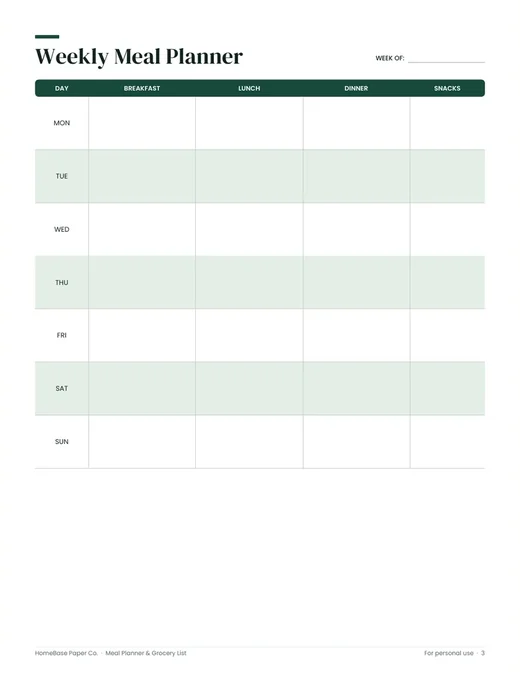
How do I fit cheeseburger soup into a weekly meal plan? Plan cheeseburger soup by checking which ingredients you already have, choosing sides and reserving leftover portions promptly. The HomeBase Meal Planner & Grocery List has menu, grocery and inventory pages for those notes. The recipe makes about 8 cups; the number of meals depends on your actual portions.
Where can I save my cheeseburger soup recipe? The HomeBase Family Recipe Binder has printable recipe layouts and a fillable version for recording cheeseburger soup. Note the potatoes, cheese and toppings you used, plus any adaptations. The free recipe book starter pages linked above are another starting point and are delivered by email after signup.
Can I make cheeseburger soup without processed cheese? This cheeseburger soup already uses sharp cheddar rather than processed cheese in its main ingredient list. The important finishing step is to melt the cheddar gradually off the heat. Processed cheese is discussed as an optional variation, not a required ingredient hidden elsewhere in the method.
Why is my cheeseburger soup greasy? Cheeseburger soup can become greasy when too much rendered beef or bacon fat remains in the pot. Drain the browned beef before making the base. If using bacon fat in the existing variation, replace some butter with it rather than automatically adding it on top of all the butter.
Can I make cheeseburger soup ahead? You can prepare ingredients ahead or cook the beef-and-potato base and chill it safely before finishing later. Keep raw meat separate from ready-to-use vegetables and toppings. Reheat a stored base thoroughly, then add the dairy finish; do not leave a warm pot waiting on the counter.
Is cheeseburger soup gluten-free? The original cheeseburger soup is not gluten-free because it contains all-purpose flour. Any adapted version also needs appropriate broth, seasonings and toppings. A different thickener changes the method, and bun croutons remain a wheat-containing topping unless you specifically replace them.
How much cheeseburger soup does this recipe make? The existing HomeBase recipe makes about 8 cups of cheeseburger soup. That is a volume yield rather than a guarantee of eight full dinner bowls. Optional extra potatoes, broth or vegetables change the batch, so measure the finished amount if you are planning precise portions.
Can I reheat cheeseburger soup without boiling it? USDA says soups should be reheated to a rolling boil and leftovers must reach 165°F. That safe reheating guidance takes priority over preserving the smoothest cheese texture. Stir to distribute heat and use a thermometer; reserving the dairy-free base before storage can make the later finish more manageable.
Newsletter
Get the HomeBase email
Fresh tips three times a week, Mon/Wed/Fri, with our deals and new products, from printables, spreadsheets and bundles to paperback planners and apparel, plus simple home, money and planning tips.
Sources
- FoodSafety.gov: Safe minimum internal temperatures foodsafety.gov
- USDA FSIS: Leftovers and food safety fsis.usda.gov
Made this? Tell us how it went
Your notes help the next cook: what you changed, how long it took, how it turned out.