

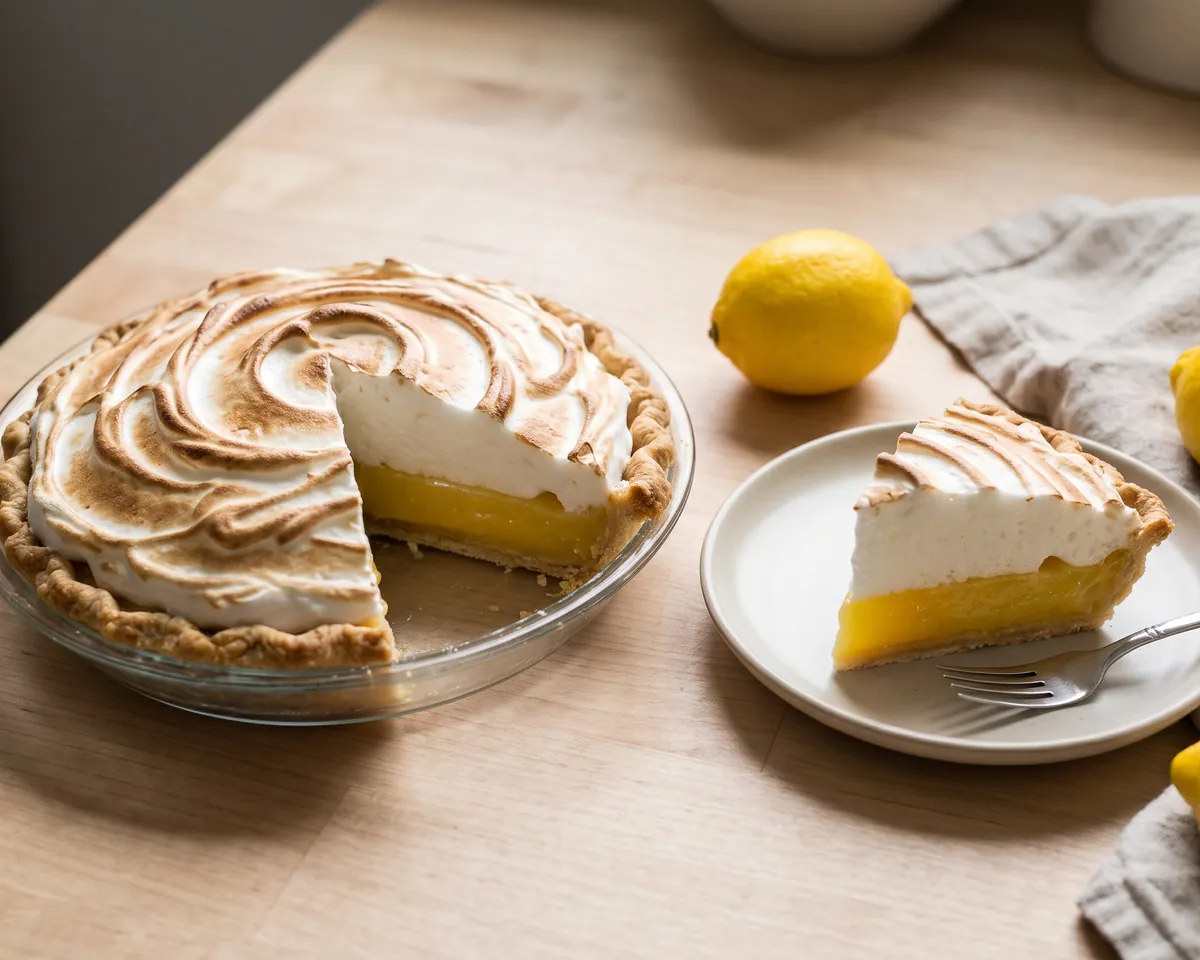
The short answer: for lemon meringue pie, blind bake a 9-inch crust. Cook a fresh lemon filling thickened with cornstarch and egg yolks. Spread a 4-egg-white meringue on the hot filling, then bake at 325°F until the meringue reaches 160°F (often about 25 minutes for this 4-white topping). It takes 30 minutes hands-on, 6 hours total with chilling, and serves 8.
- Key amounts: 1 cup sugar and 1/4 cup cornstarch for the filling · 1/2 cup fresh lemon juice (about 3 lemons) · 4 eggs, separated · 1/2 cup sugar for the meringue.
- No-weep rules: hot filling under the meringue, sugar fully dissolved, meringue sealed to the crust edge.
Prep time: 30 minCook time: 1 hrTotal time: 6 hrServings: 8 servingsTotal time includes 30 minutes chilling the dough, 1 hour cooling on the counter and 3 hours in the refrigerator before slicing.
Below: ingredients, directions, a make-day timeline, fixes for weeping and runny filling, variations and storage. If you love tart citrus pies, also try our key lime pie.
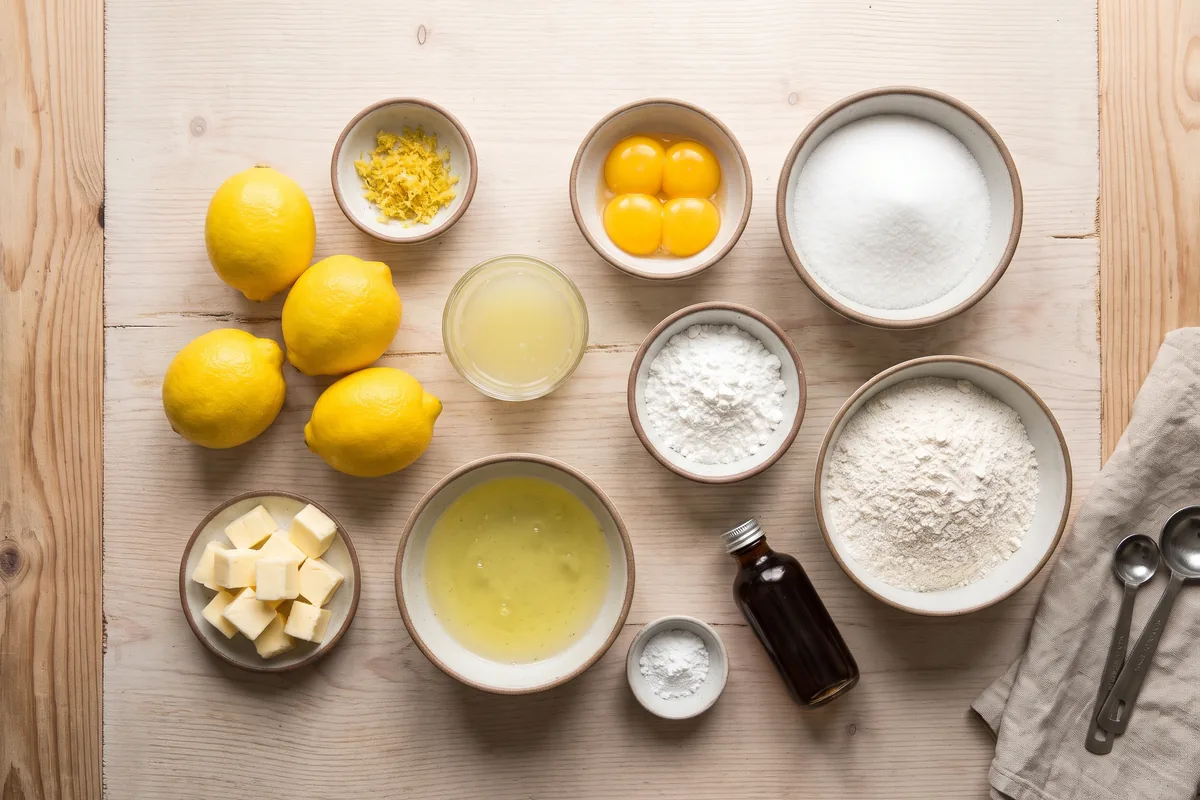
Lemon meringue pie ingredients
This makes one 9-inch pie, 8 servings.
| Ingredient | Amount |
|---|---|
| All-purpose flour (crust) | 1 1/4 cups (156 g) |
| Cold unsalted butter, cubed (crust) | 1/2 cup (113 g) |
| Salt (crust) | 1/4 tsp |
| Ice water (crust) | 3 Tbsp |
| Granulated sugar (filling) | 1 cup (200 g) |
| Cornstarch (filling) | 1/4 cup |
| Salt (filling) | 1/8 tsp |
| Water (filling) | 1 1/2 cups |
| Large egg yolks (filling) | 4 |
| Fresh lemon juice (filling) | 1/2 cup |
| Lemon zest (filling) | 1 Tbsp |
| Unsalted butter (filling) | 2 Tbsp |
| Large egg whites, room temperature (meringue) | 4 |
| Cream of tartar (meringue) | 1/2 tsp |
| Granulated sugar (meringue) | 1/2 cup (100 g) |
| Vanilla extract (meringue) | 1/2 tsp |
Lemon meringue pie directions
- Make the crust. Pulse the flour, salt and cold butter in a food processor until pea-size, add the ice water and pulse until the dough clumps. Press into a disk, wrap and chill 30 minutes.
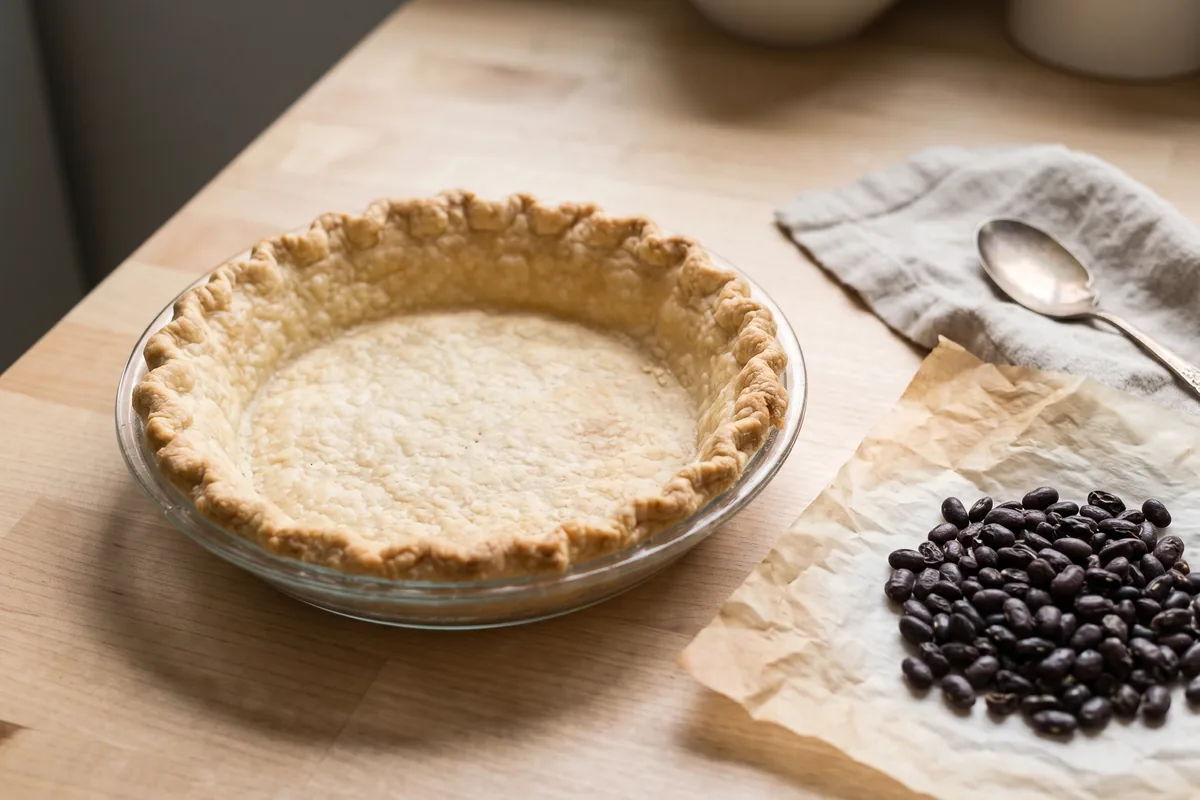
- Blind bake. Heat the oven to 425°F. Roll the dough to a 12-inch circle, fit it into a 9-inch pie plate and crimp the edge. Line with parchment and fill with pie weights or dried beans. Bake 15 minutes, remove the weights and bake 10 minutes more, until golden. Lower the oven to 325°F.
- Start the meringue. Beat the egg whites and cream of tartar on medium until foamy. On high, add the 1/2 cup sugar 1 tablespoon at a time, then the vanilla, and beat to stiff, glossy peaks, about 5 minutes. Rub a little between your fingers; it should feel smooth, not gritty.
- Cook the filling. Whisk the 1 cup sugar, cornstarch and salt in a saucepan, whisk in the water and bring to a boil over medium heat, stirring. Boil 1 minute until thick and clear.
- Temper the yolks. Whisk the yolks in a bowl, slowly whisk in about 1 cup of the hot mixture, then pour it all back into the pan. Boil 1 minute more, stirring.
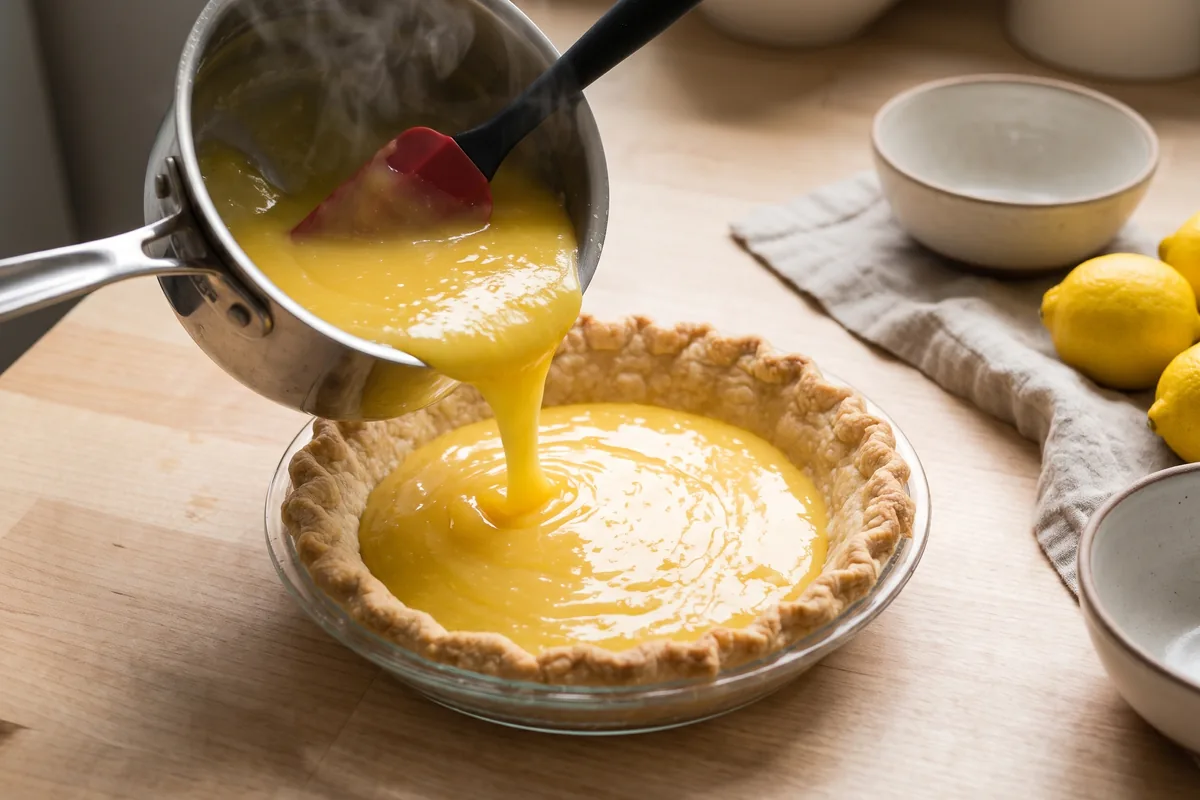
- Add the lemon. Off the heat, stir in the lemon juice, zest and 2 Tbsp butter. Pour the hot filling into the baked crust.
- Top and seal. Spread the meringue over the hot filling right away, starting at the edges so it touches the crust all the way around. Swirl peaks with the back of a spoon.
- Bake the meringue. Bake at 325°F until the peaks are golden and a thermometer in the thickest part reads 160°F. For this 4-white meringue, start checking around 20 minutes; it often takes about 25 minutes.
- Cool and chill. Cool on a rack 1 hour, then refrigerate 3 hours before slicing.
Nutrition (per serving, estimated)
Serving size: 1 slice (1/8 of the pie).
| Calories | 400 |
|---|---|
| Total fat | 17 g |
| Saturated fat | 10 g |
| Cholesterol | 130 mg |
| Sodium | 150 mg |
| Total carbohydrate | 58 g |
| Dietary fiber | 1 g |
| Total sugars | 38 g |
| Protein | 5 g |
This is an estimate calculated from USDA FoodData Central data for the listed ingredients and amounts. Actual values vary with brands, portions and substitutions.
Why the thermometer? Extension food-safety guidance from UW-Madison says meringue-topped pies should be safe if baked at 350°F for about 15 minutes, and FoodSafety.gov lists 160°F for egg dishes. A taller 4-white meringue browns too fast at 350°F, so this recipe bakes it at 325°F and checks for 160°F rather than treating a set time as a guarantee.
Rate this recipe
Make-day timeline
| Stage | Time | Cue |
|---|---|---|
| Mix and chill the dough | 10 min + 30 min chill | Dough holds together when squeezed |
| Blind bake at 425°F | 25 min | Golden edges and bottom |
| Beat the meringue | 10 min | Stiff, glossy, smooth peaks |
| Cook the filling | 10 min | Thick, glossy, boiled 1 minute twice |
| Bake the meringue at 325°F | Until 160°F (often about 25 min) | Golden peaks, 160°F inside |
| Cool, then chill | 1 hr + 3 hr | Filling sets and slices cleanly |
Newsletter
3 easy dinners a week
Get three emails a week, Mon/Wed/Fri, with easy dinner ideas from HomeBase.
Fixing meringue and filling problems
| Problem | Likely cause | Fix |
|---|---|---|
| Beads of syrup on top (weeping) | Sugar not dissolved or meringue overbaked | Add sugar slowly, beat until smooth, pull at 160°F |
| Watery layer under the meringue | Meringue spread on cool filling | Always spread it on hot filling |
| Meringue shrinks from the edge | Not sealed to the crust | Spread it so it touches the crust all around |
| Runny filling | Cornstarch not boiled long enough | Boil 1 full minute before and after adding yolks |
| Soggy bottom crust | Crust underbaked | Bake until golden before filling |
| Tough, rubbery meringue | Oven too hot or baked too long | Use 325°F and check temperature at 20 minutes |
Variations
- Graham cracker crust: mix 1 1/2 cups graham crumbs, 1/4 cup sugar and 6 Tbsp melted butter, press into the plate and bake at 350°F for 10 minutes.
- Lime or orange: swap the lemon juice and zest for lime, or use half orange juice for a softer, sweeter filling.
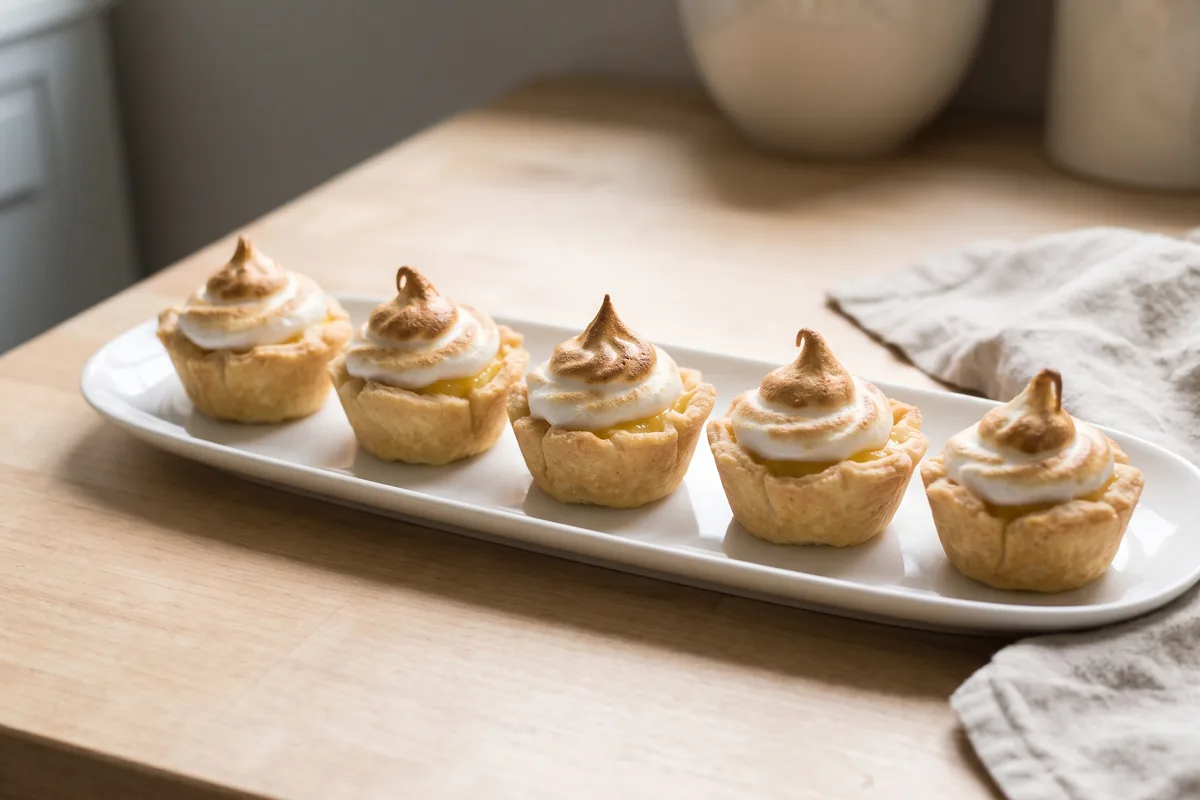
- Mini pies: divide crust, filling and meringue among 12 muffin cups and bake the meringue about 12 minutes.
- Swiss meringue: whisk the whites and sugar over simmering water to 160°F, then beat to stiff peaks and brown the top with a kitchen torch or a quick bake.
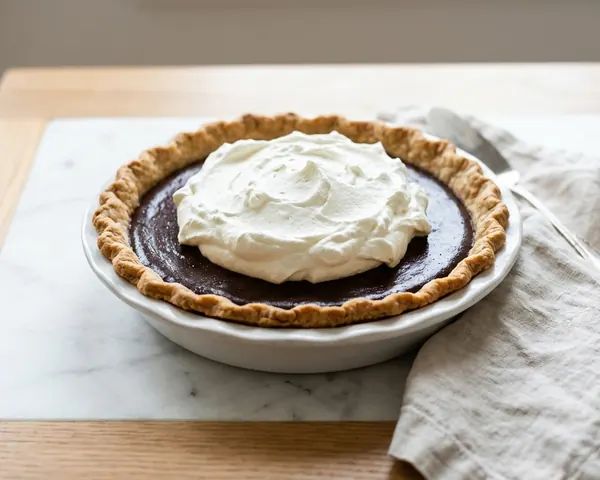
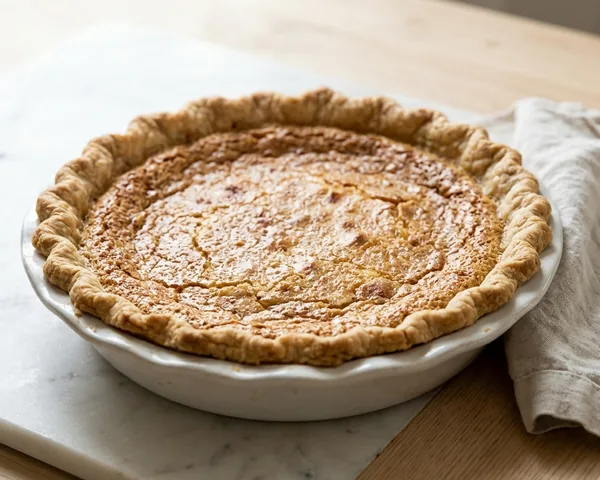
For another make-ahead holiday pie, see our chess pie, or try whipped cream as a meringue-free topping.
Serving and storage
Slice the pie cold with a hot, dry knife. Keep leftovers in the refrigerator, loosely covered so the meringue doesn't stick, and eat within 2 days. Don't freeze the finished pie; the meringue turns rubbery as it thaws.
Nutrition is estimated from USDA FoodData Central values for the listed ingredients, per slice. Water is not counted.
Save the recipe
More pies and cobblers you'll love
Frequently asked questions
Why does my lemon meringue pie weep? Weeping (beads of syrup on top) usually comes from sugar that didn't dissolve or from slightly overcooked meringue. Beading liquid under the meringue comes from spreading it on a cool filling. Add the sugar slowly, beat until it feels smooth between your fingers, and always spread the meringue on hot filling.
Do you put meringue on hot or cold filling? Hot. Spreading meringue over hot filling starts cooking it from below, which helps it bond to the filling and prevents a watery layer between the two. Make the meringue before you cook the filling so it's ready the moment the filling is done.
Is lemon meringue pie safe to eat? Yes, when the meringue is fully baked. Extension food-safety guidance says meringue-topped pies should be safe when baked at 350°F for about 15 minutes, and FoodSafety.gov lists 160°F for egg dishes. This recipe uses 4 whites, so it bakes at 325°F until the meringue reads 160°F (often about 25 minutes).
Does lemon meringue pie need to be refrigerated? Yes. It contains eggs and a cooked custard-style filling, so cool it about 1 hour on the counter, then refrigerate. Keep leftovers covered loosely in the refrigerator and eat them within 2 days, when the meringue is at its best.
Can I make lemon meringue pie ahead of time? Bake the crust up to 2 days ahead and keep it covered at room temperature. The filling and meringue are best made the day you serve the pie. A finished pie holds well for about 8 hours in the refrigerator before the meringue starts to soften.
Why is my lemon filling runny? The cornstarch wasn't cooked long enough. Once the sugar mixture boils, keep it bubbling for a full minute, then again for a minute after adding the yolks. Cornstarch only thickens fully at a boil, and undercooked filling stays loose after chilling.
Can I use bottled lemon juice? Fresh is best because bottled juice tastes flatter and you still need fresh zest. You'll need about 3 large lemons for 1/2 cup juice and 1 tablespoon zest. Zest the lemons before juicing them.
Can I use a store-bought crust? Yes. Use a 9-inch refrigerated crust, blind bake it according to the package until golden, and continue with the filling. The total time drops by about 45 minutes.
How do I cut lemon meringue pie neatly? Chill it at least 3 hours, then use a sharp knife dipped in hot water and wiped dry between cuts. A little oil or cooking spray on the blade keeps the meringue from sticking.
What is cream of tartar for in meringue? Cream of tartar is an acid that stabilizes beaten egg whites, so they whip faster and hold their shape. If you don't have it, use 1 teaspoon of lemon juice for 4 whites.
What is the difference between lemon meringue pie and lemon pie? Lemon meringue pie is topped with baked egg-white meringue. Other lemon pies use whipped cream or no topping, and some use a condensed-milk filling similar to key lime pie.
Can I freeze lemon meringue pie? It's not recommended. The meringue turns rubbery and weeps as it thaws. If you need to work ahead, freeze the baked crust instead and make the filling and meringue fresh.
Sources
- UW-Madison Extension La Crosse County: Egg Safety Basics lacrosse.extension.wisc.edu
- FoodSafety.gov: Safe Minimum Internal Temperatures foodsafety.gov
Made this? Tell us how it went
Your notes help the next cook: what you changed, how long it took, how it turned out.