

The short answer: challah bread is a soft, braided Jewish egg bread made with flour, eggs, oil, honey, yeast and salt. This recipe makes 1 large loaf: knead, rise about 1 1/2 hours, braid, rise 45 minutes, brush with egg wash and bake at 350°F for 30 to 35 minutes, until deep golden and about 190°F inside.
- Key numbers: about 4 cups flour · 2 eggs plus 1 yolk · 1/3 cup oil · 1/4 cup honey · 1 packet yeast · makes 1 large loaf
- Top moves: keep the dough soft, let it fully double, braid snugly, egg wash twice for a deep shine
- Free and paid next step: get the free recipe book starter pages (we email it to you), or keep your family's braid notes in the Family Recipe Binder ($6.99).
Our picks for challah bread
 Starter pick
Printables
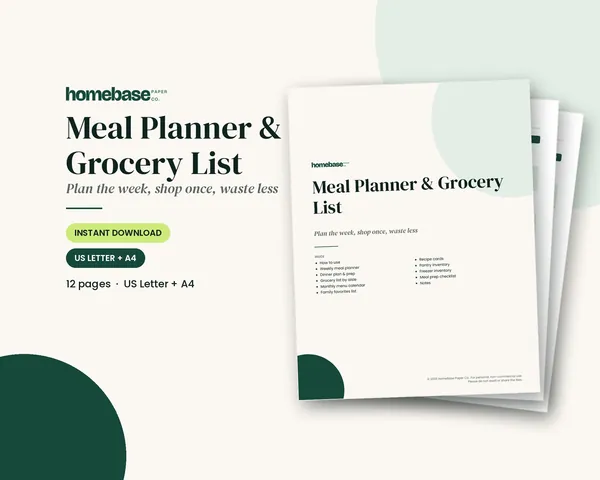
Meal Planner & Grocery List
Weekly meals, a grocery list sorted by aisle, and pantry and freezer inventories so you shop once and waste less.
Printables
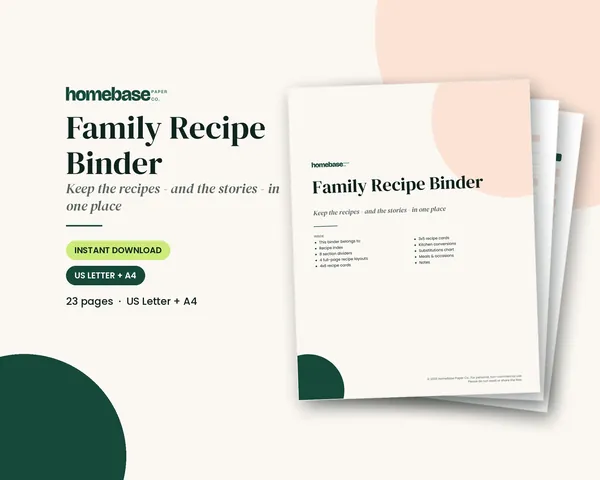
Family Recipe Binder
Section dividers, four recipe page layouts with room for the family story, 4x6 and 3x5 cards and a conversion chart - print it or type into the fillable version.
Prep time: 25 minCook time: 35 minTotal time: 3 hr 50 minServings: 1 large loafTotal includes 2 hr 50 min of resting, chilling or rising.
Challah is the bread blessed and shared at the Shabbat table on Friday night and on most Jewish holidays. It is traditionally dairy-free (pareve), using oil instead of butter, so it can be served with a meat meal. The result is tender, slightly sweet and rich from the eggs, with a glossy mahogany crust.
Challah bread ingredients
| Ingredient | Amount | Notes |
|---|---|---|
| Warm water | 3/4 cup | About 105°F to 110°F, warm to the touch |
| Instant or active dry yeast | 2 1/4 teaspoons (1 packet) | |
| Honey or granulated sugar | 1/4 cup | Honey gives a deeper flavor |
| Large eggs | 2 whole plus 1 yolk | Save the white for the egg wash |
| Neutral oil | 1/3 cup | Vegetable, canola or light olive oil |
| Fine salt | 1 1/2 teaspoons | |
| Bread flour or all-purpose flour | 4 to 4 1/2 cups | Bread flour gives more chew |
| Egg wash | 1 egg plus the saved white | Beaten with 1 tablespoon water |
| Topping (optional) | 1 to 2 tablespoons | Sesame seeds or poppy seeds |
Makes 1 large braided loaf (about 12 slices) or 2 smaller loaves. For the traditional pair of loaves on the Shabbat table, divide the dough in half before braiding and shorten the bake by about 5 minutes.
How to make challah bread
- Activate the yeast. In a large bowl, stir the warm water, yeast and 1 teaspoon of the honey. Let it sit 5 to 10 minutes, until foamy. (Instant yeast can skip the wait.)
- Mix the dough. Whisk in the rest of the honey, the 2 eggs, the yolk, the oil and the salt. Add 3 1/2 cups of flour and stir until a shaggy dough forms.
- Knead. Knead by hand on a lightly floured counter for 8 to 10 minutes, or in a stand mixer with the dough hook on medium-low for 6 to 7 minutes. Add the remaining flour 1 tablespoon at a time only until the dough stops sticking to your hands. It should be smooth, soft and elastic.
- First rise. Place the dough in a lightly oiled bowl, turn it to coat, and cover. Let it rise in a warm spot for 1 1/2 to 2 hours, until doubled.
- Shape the strands. Punch the dough down and divide it into 3 equal pieces (or 4 or 6 for the braids below). Roll each piece into a rope about 16 inches long, thicker in the middle and tapered at the ends.
- Braid. Pinch the strands together at the top and braid snugly (see the braiding section). Pinch the ends together and tuck them under the loaf. Place it on a parchment-lined baking sheet.
- Second rise and egg wash. Beat the egg wash and brush the loaf. Cover loosely and let it rise 45 minutes to 1 hour, until puffy. Heat the oven to 350°F during the rise.
- Bake. Brush the loaf a second time with egg wash and sprinkle with seeds, if using. Bake 30 to 35 minutes, until deep golden brown, the bottom sounds hollow when tapped, and the center reads about 190°F. Tent loosely with foil after 20 minutes if it browns too quickly.
- Cool. Cool on a wire rack for at least 30 minutes before slicing so the crumb sets.
Total time is about 3 1/2 hours, most of it hands-off rising.
How to braid challah
The braid changes the look, not the taste. Start with three strands until the dough feels familiar.
| Braid | How it works | Best for |
|---|---|---|
| 3-strand | Like braiding hair: outer right strand over the middle, then outer left over the middle; repeat | First loaves, sandwich slices |
| 4-strand | Line up strands 1 to 4. Move strand 4 over 3, under 2 and over 1 to the far left; repeat from the right | A taller, woven-looking loaf |
| 6-strand | Pinch at the top and number the strands 1 to 6 from left to right, renumbering after every move. Start with 6 over 1, then repeat 2 over 6, 1 over 3, 5 over 1, 6 over 4 | Holidays and a showpiece loaf |
| Round (Rosh Hashanah) | Roll one long, thick rope and coil it from the center outward like a snail; tuck the end under | Rosh Hashanah, often with raisins |
Tips for a neat braid:
- Flour the strands lightly if they stick to the counter, but do not oil them; oily strands slide apart.
- Braid snugly, not tightly. Leave a little room so the dough can expand on the second rise without tearing.
- Taper the ends. Thicker middles and thinner ends give the classic shape with a high center.
- Let tough dough rest. If a rope keeps shrinking back, cover it and wait 5 to 10 minutes, then roll again.
Handling raw dough and eggs
Challah dough contains raw flour and raw eggs, so skip tasting it. The FDA flour safety page says flour is a raw food, to never eat or taste raw flour, dough or batter, and that cooking is the only way to be sure foods made with flour and raw eggs are safe. Wash your hands, bowls and counters with warm, soapy water after handling the dough.
Keep the eggs refrigerated until you use them. The FDA egg safety guidance says to store eggs promptly in a clean refrigerator at 40°F or below. Refrigerate leftover egg wash, covered, or discard it; do not leave it on the counter.
Variations
- Raisin challah: knead 3/4 cup raisins into the dough after the first rise. Traditional for a round Rosh Hashanah loaf.
- Honey challah: increase the honey to 1/3 cup and reduce the water by 1 tablespoon.
- Whole wheat challah: replace up to half the flour with whole wheat flour and add 1 to 2 tablespoons extra water. The loaf will be denser.
- Water challah (fewer eggs): use 1 egg in the dough and add 2 to 3 tablespoons more water. The crumb is lighter in color and less rich.
- Sweet stuffed challah: roll each strand flat, spread a thin line of cinnamon sugar or chocolate chips down the center, and pinch it closed before braiding.
- Savory topping: brush with egg wash and top with everything bagel seasoning, za'atar or flaky salt.
- Dinner rolls: divide the dough into 12 pieces and tie each into a knot. Bake 15 to 18 minutes. For a softer, buttery roll, see our dinner rolls recipe.
Allergen notes
Challah contains wheat and eggs, and seeded loaves add sesame. All three are on the FDA list of nine major food allergens. Traditional challah has no milk, but recipes that use butter or a milk wash do, so check before serving a guest with a dairy allergy. Poppy seeds are a good topping swap when sesame is a concern.
Troubleshooting challah bread
Dense or heavy loaf. Too much flour, too little kneading, or a short rise. Keep the dough soft and slightly tacky, and let it truly double.
The braid split or tore open. The braid was too tight, or the second rise was too short so the loaf burst in the oven. Braid with a little slack and let it get noticeably puffy before baking.
Pale crust. Use a whole egg plus the saved white for the wash, brush twice (before and after the second rise), and bake until deep golden, not light tan.
Dark outside, raw middle. The oven runs hot or the loaf is very thick. Tent with foil after 20 minutes and check that the center reaches about 190°F.
The dough will not rise. The yeast was expired or the water was too hot. Check the date, and keep the water warm to the touch, not hot.
Flat loaf that spread out. The dough was too wet or over-proofed. Add flour until it stops sticking, and bake when it is puffy, not when it starts to sag.
Make-ahead, storage and freezing
Make the dough ahead: after kneading, cover the dough and refrigerate it for up to 24 hours. It rises slowly in the cold. Let it sit at room temperature about an hour, braid it, then give it the second rise.
Store a baked loaf: cool it completely, then keep it in a sealed bag or bread box at room temperature for 2 to 3 days. Refrigerating bread makes it stale faster.
Freeze: wrap the cooled loaf (whole or sliced) tightly in plastic wrap and foil or a freezer bag, and freeze for up to about 3 months for best quality. Thaw at room temperature in the wrapping, then refresh it in a 350°F oven for 5 to 10 minutes.
What to make with leftover challah
Day-old challah is prized for custard-soaked dishes because the egg-rich crumb absorbs liquid without falling apart.
- French toast: thick slices of challah make classic custardy French toast.
- Bread pudding: cubes of stale challah are one of the best choices for bread pudding.
- Sandwiches and toast: it toasts well for egg sandwiches, grilled cheese and a weekend breakfast.
- Croutons and stuffing: dry the cubes in a low oven and use them in stuffing or a strata.
For a quick flatbread to bake on a weeknight instead, try homemade pita bread.
Baking bread on a budget
Challah is made from pantry staples: flour, eggs, oil, honey or sugar, yeast and salt. One loaf feeds a family dinner, and the leftovers turn into breakfast the next day as French toast or a bread pudding dessert, so very little goes to waste. Buying yeast in a jar instead of packets and flour in a larger bag lowers the cost of every future loaf if you bake often. Planning the Friday dinner and the weekend breakfast together means one shopping list covers both. For more ways to stretch a grocery budget across the week, see meal planning on a budget.
Plan the shopping and save the recipe
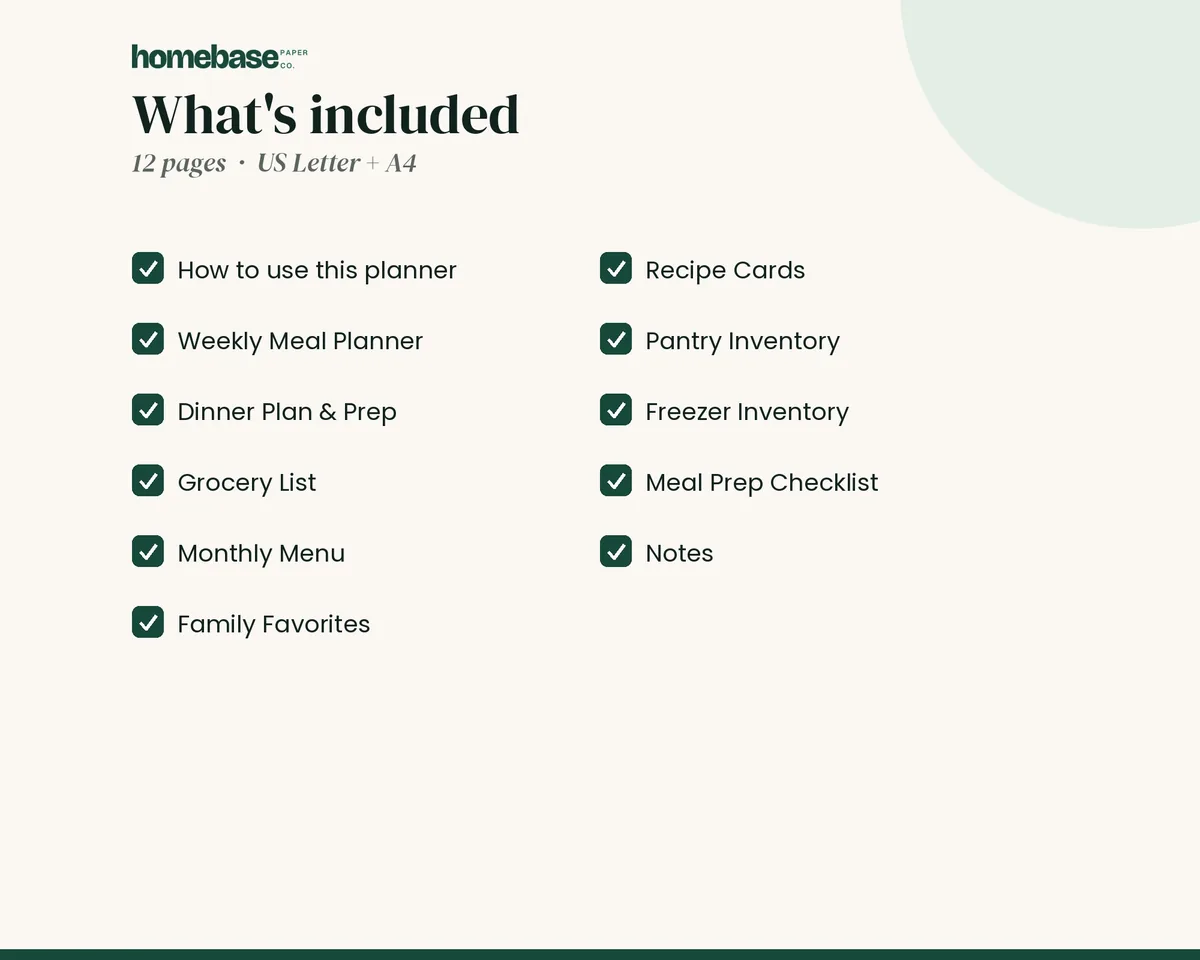
Write challah on Friday's menu and the leftover French toast on Saturday's, so eggs and flour are on the same list.
- Meal Planner & Grocery List, $3.99. A weekly menu, aisle-sorted grocery list and pantry inventory.
- Family Recipe Binder, $6.99. Keep your family's challah, braid style and holiday variations together.
Browse more kitchen printables in the printables shop.
Want free starter pages before you buy a binder? Get the free recipe book pages (we email it to you).
Frequently asked questions
What is challah bread? Challah bread is a soft, slightly sweet Jewish egg bread, usually braided, that is served on Shabbat and Jewish holidays. It is made with flour, eggs, oil, sugar or honey, yeast and salt, and is traditionally dairy-free.
How do you make challah bread? To make challah bread, knead a dough of flour, yeast, eggs, oil, honey, water and salt, let it rise until doubled, divide it into strands and braid it. After a second rise, brush it with egg wash and bake at 350°F for about 30 to 35 minutes until deep golden.
Is challah bread dairy-free? Traditional challah bread is dairy-free because it uses oil instead of butter and water instead of milk. That makes it pareve, so it can be served with meat meals under kosher rules. Check any recipe that adds butter or milk.
What is the difference between challah and brioche? Challah bread is enriched with eggs and oil and is usually dairy-free, while brioche is enriched with eggs and a large amount of butter. Brioche is richer and more buttery; challah is lighter, slightly chewier and often braided.
How do you know when challah bread is done? Challah bread is done when the crust is deep golden brown, the bottom sounds hollow when tapped, and an instant-read thermometer in the center reads about 190°F. Tent it with foil if it browns before the center is done.
Why is my challah bread dense? Challah bread turns out dense when the dough has too much flour, is under-kneaded, or does not rise long enough. Add flour only until the dough stops sticking, knead until smooth and elastic, and let it double in the first rise.
Can you make challah dough ahead? Challah dough can be made ahead and refrigerated after kneading for up to 24 hours. Let it come toward room temperature for about an hour, braid it, then give it the second rise before baking.
How long does challah bread last? Challah bread stays fresh about 2 to 3 days at room temperature in a sealed bag. Freeze it, well wrapped, for up to about 3 months for best quality.
Why is challah round for Rosh Hashanah? Challah bread is shaped into a round spiral for Rosh Hashanah, often with raisins and extra honey, to represent the cycle of the year and the hope for a sweet new year.
What can I make with leftover challah bread? Leftover challah bread is one of the best breads for French toast, bread pudding and strata because it soaks up custard without falling apart. Day-old or slightly stale challah works best.