

The short answer: a good homemade rye bread for sandwiches blends 1 1/2 cups rye flour with 2 cups bread flour, plus instant yeast, salt, molasses and caraway. It rises twice (about 2 1/2 hours total) and bakes at 375°F for 35 to 40 minutes. Makes 1 loaf, about 16 slices.
- Key numbers: 1 1/2 cups rye flour · 2 cups bread flour · 2 1/4 tsp instant yeast · 1 tbsp caraway · 375°F · cool 2 hours
- Top moves: expect a sticky dough, use wet hands instead of extra flour, and let the loaf cool fully before slicing
- Free and paid next step: get the free recipe book starter pages (we email it to you), or keep your baking notes in the Family Recipe Binder ($6.99).
Our picks for rye bread
 Starter pick
Printables
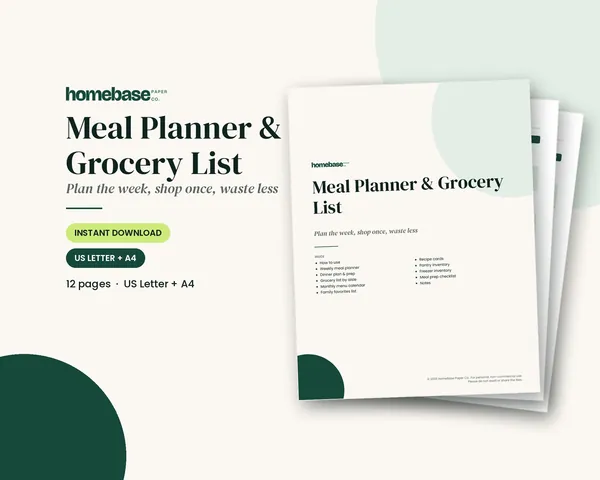
Meal Planner & Grocery List
Weekly meals, a grocery list sorted by aisle, and pantry and freezer inventories so you shop once and waste less.
Printables
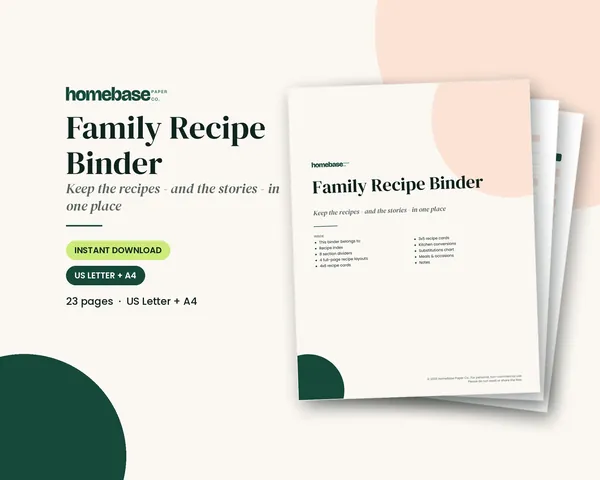
Family Recipe Binder
Section dividers, four recipe page layouts with room for the family story, 4x6 and 3x5 cards and a conversion chart - print it or type into the fillable version.
Prep time: 25 minCook time: 40 minTotal time: 4 hr 50 minServings: 1 loafTotal includes 3 hr 45 min of resting, chilling or rising.
Rye flour behaves differently from wheat flour. It forms much weaker gluten and absorbs more water, so rye dough feels tacky and never turns as smooth and stretchy as white bread dough. That is normal. The bread flour in this recipe supplies the structure, and the rye supplies the flavor.
Rye bread ingredients
Makes 1 loaf (about 16 slices).
| Ingredient | Amount | Notes |
|---|---|---|
| Rye flour | 1 1/2 cups (about 150 g) | Light or medium rye; dark rye makes a denser loaf |
| Bread flour | 2 cups (about 240 g) | All-purpose works; the loaf is slightly softer |
| Instant yeast | 2 1/4 teaspoons (1 packet) | Active dry works; see the note below |
| Fine salt | 1 1/2 teaspoons | |
| Caraway seeds | 1 tablespoon | Optional; add 1 teaspoon more for the crust |
| Warm water | 1 1/4 cups | About 105°F to 110°F, warm to the touch |
| Molasses | 2 tablespoons | Or honey for a milder, lighter loaf |
| Neutral oil or melted butter | 1 tablespoon | |
| Cornmeal | 1 tablespoon | Optional, for the pan |
| Egg white and water | 1 white + 1 tablespoon water | Optional wash for a shiny crust |
Using active dry yeast: stir it into the warm water with the molasses and wait 5 to 10 minutes until foamy, then continue with step 1.
How to make rye bread
- Mix the dough. In a large bowl, whisk the rye flour, bread flour, yeast, salt and caraway. Add the warm water, molasses and oil. Stir with a spoon until no dry flour remains. The dough will be shaggy and sticky.
- Knead. Knead 8 to 10 minutes by hand on a lightly floured counter, or 6 minutes with a dough hook on medium-low. Wet or oiled hands work better than adding lots of flour; extra flour makes a dry, heavy loaf. The dough is ready when it holds together in a soft ball and springs back slowly when pressed. It will still feel tacky.
- First rise. Place the dough in an oiled bowl, cover and let it rise in a warm spot for 1 to 1 1/2 hours, until about 1 1/2 times its size. Rye dough does not double as dramatically as white bread dough.
- Shape. Turn the dough out, press it into a rough rectangle and roll it up tightly into an oval about 9 inches long. Pinch the seam closed. Set it seam-side down on a baking sheet dusted with cornmeal, or in a greased 9 by 5-inch loaf pan.
- Second rise. Cover loosely and let rise 45 minutes to 1 hour, until puffy. Heat the oven to 375°F during the last 20 minutes.
- Score and bake. Brush with the egg-white wash and sprinkle with extra caraway if you like. Cut 3 shallow slashes across the top with a sharp knife. Bake 35 to 40 minutes, until deep brown, hollow-sounding when tapped underneath, and about 200°F in the center on an instant-read thermometer.
- Cool completely. Move the loaf to a rack and let it cool at least 2 hours before slicing. Rye crumb keeps setting as it cools; cut early, it is gummy.
Raw rye dough is not for tasting. The FDA says flour is a raw food and advises never to eat or taste raw flour, dough or batter; baking is what makes it safe. Wash your hands and the counter after kneading.
Types of rye bread
"Rye bread" covers a wide family of loaves. The main differences are how much rye is in the dough, how much bran stays in the flour, and whether the bread is leavened with yeast or a sourdough starter.
| Type | What it is | Texture and flavor |
|---|---|---|
| Light rye | Rye flour with most bran removed, usually blended with wheat flour | Mild, soft, sandwich-friendly; this recipe |
| Deli or Jewish rye | Light or medium rye with caraway seeds, often with a sour starter | Chewy crust, tangy, the classic corned beef and Reuben bread |
| Medium rye | Flour with some bran left in | Earthier, a bit denser |
| Dark rye | Whole-grain or high-bran rye flour, sometimes darkened with molasses | Robust, slightly bitter, dense |
| Marble rye | Light and dark rye doughs rolled together into a swirl | Looks striking, tastes like both |
| American pumpernickel | Rye and wheat dough colored dark with molasses, cocoa or coffee | Soft, dark, mildly sweet |
| German pumpernickel | Coarse whole rye, baked slowly at low heat for many hours | Very dense, moist, deeply sweet from the long bake |
| Sourdough rye | Rye leavened with a sourdough starter | Tangy; the acid helps rye crumb set properly |
| Scandinavian crispbread | Thin, dry rye crackers | Crunchy, keeps for weeks |
The percentage of rye matters most. A loaf that is 30 to 40 percent rye, like this one, rises well with commercial yeast. Breads that are mostly or entirely rye are usually made with a sourdough starter, because rye's weak gluten benefits from the acidity, and they are baked in pans because the dough will not hold a free-standing shape.
Variations on the basic loaf
- Marble rye: split the dough in half after mixing. Knead 1 tablespoon cocoa powder and 1 extra teaspoon molasses into one half. After the first rise, roll each half into a rectangle, stack them, and roll them up together before the second rise.
- Darker, heartier rye: use dark or whole-grain rye flour and add 1 to 2 tablespoons more water, since whole-grain rye absorbs more. Expect a denser loaf.
- Seedless rye: leave out the caraway for plain rye toast and sandwiches.
- Onion rye: knead in 2 tablespoons dried minced onion with the dry ingredients.
- Dill rye: replace the caraway with 1 tablespoon dill seed.
- Rye rolls: divide the dough into 10 pieces after the first rise, shape into balls, and bake 18 to 22 minutes.
Troubleshooting rye bread
| Problem | Likely cause | Fix next time |
|---|---|---|
| Very dense, heavy loaf | Too much flour added during kneading, or under-risen | Use wet hands instead of flour; let it reach 1 1/2 times its size |
| Gummy center | Sliced while warm, or underbaked | Bake to about 200°F inside and cool 2 hours |
| Loaf spread flat | Dough too wet, or over-risen on the second rise | Bake in a loaf pan, or shorten the second rise |
| Crust split along the side | Not scored, or scored too shallow | Make 3 decisive slashes about 1/4 inch deep |
| Dough would not rise | Water too hot, or old yeast | Keep water near 110°F; check the yeast date |
| Pale crust | Oven not fully heated, or no wash | Preheat 20 minutes; use the egg-white wash |
What to eat with rye bread
Rye is the traditional bread for corned beef and Reuben sandwiches; leftover corned beef also goes into corned beef hash with a slice of rye toast on the side. Rye is good for patty melts, tuna melts and egg salad. A thick slice with salted butter goes well with split pea soup or a bowl of French onion soup, where toasted rye can stand in for the usual baguette.
If you want a different bread for the same table, the oven-baked flatbread on our pita bread page is faster, garlic bread suits pasta night, and cornbread needs no yeast at all.
How to store and freeze rye bread
- Room temperature: once completely cool, wrap the loaf in a bag or beeswax wrap, or keep it cut-side down on a board. Rye tends to stay moist longer than white bread.
- Skip the refrigerator: NDSU Extension notes that refrigerated bread goes stale six times faster than bread kept at room temperature, while freezing delays staling.
- Freeze: slice the loaf first, then freeze the slices in a freezer bag. The same NDSU guidance says bread keeps its quality for about three months in the freezer. Toast slices straight from frozen.
- Mold: if you see mold, throw the bread away; NDSU advises against keeping moldy bread.
- Stale rye: toast it, cube it for croutons, or use it in stuffing or bread pudding.
Homemade rye bread on a budget
A bag of rye flour makes several loaves, and the other ingredients (bread flour, yeast, salt, molasses) are pantry staples. Baking one loaf on a weekend and slicing and freezing it gives you sandwich bread for the week without a bakery-loaf price. Buy yeast in a jar rather than packets if you bake often, and keep it in the refrigerator or freezer once opened.
Planning sandwiches and soups around one weekend bake fits well with meal planning on a budget.
Plan the baking and save the recipe
Put the bake on the weekend plan and the sandwiches and soup on the weeknights that follow.
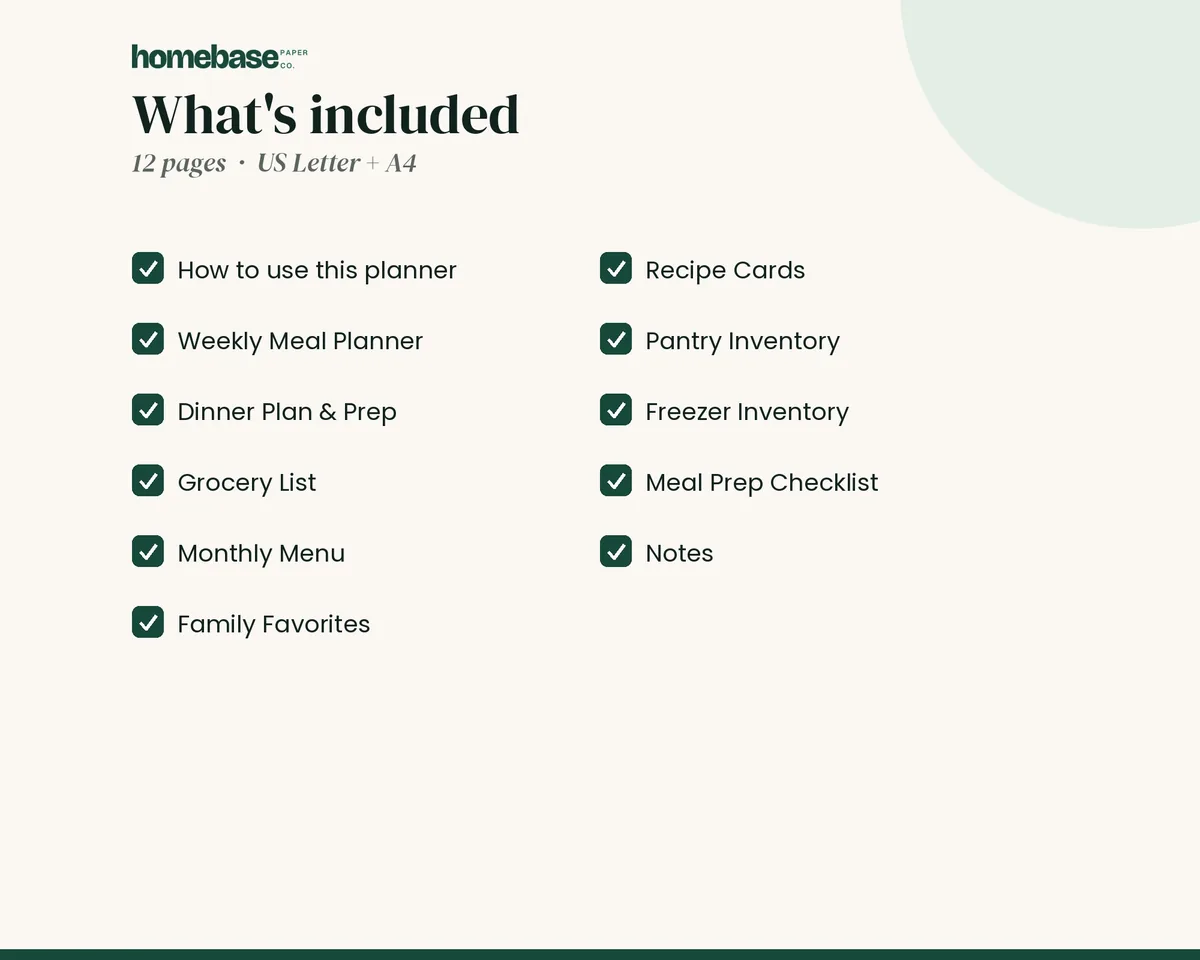
- Meal Planner & Grocery List, $3.99. A weekly menu and an aisle-sorted grocery list, so rye flour and caraway make the list before baking day.
- Family Recipe Binder, $6.99. Record your flour blend, rise times and oven notes so the next loaf comes out the same.
Browse more kitchen printables in the printables shop.
Want the starter pages by email? Get the free recipe book pages (we email them to you).
Frequently asked questions
What is rye bread made of? Rye bread is made from rye flour, usually mixed with wheat flour, plus water, salt and yeast or a sourdough starter. Deli-style rye adds caraway seeds, and many recipes add molasses for color and a mild sweetness.
Why is rye bread dense? Rye bread is dense because rye flour forms much weaker gluten than wheat flour, so the dough traps less gas as it rises. Blending rye with bread flour, as this recipe does, gives a lighter, sandwich-friendly crumb.
What is the difference between light and dark rye bread? Light rye bread uses rye flour with most of the bran sifted out, while dark rye bread uses flour with more of the bran or adds molasses, cocoa or coffee for a deeper color. Both can be made with the same method.
Is pumpernickel the same as rye bread? Pumpernickel is a type of rye bread. Traditional German pumpernickel uses coarse whole-grain rye baked slowly for many hours, while American pumpernickel is usually a rye and wheat loaf darkened with molasses or cocoa.
Does rye bread have gluten? Rye bread contains gluten, because rye itself contains gluten-forming proteins and most loaves also include wheat flour. It is not safe for people who must avoid gluten.
Why do caraway seeds go in rye bread? Caraway seeds go in rye bread for their warm, slightly anise-like flavor, which is the taste most people know as deli rye. They are optional; leave them out for plain rye or swap in fennel or dill seed.
How do you know when rye bread is done? Rye bread is done when the crust is deep brown, the bottom sounds hollow when tapped, and an instant-read thermometer in the center reads about 200°F. This loaf takes 35 to 40 minutes at 375°F.
Why should rye bread cool before slicing? Rye bread should cool for at least 2 hours before slicing because the crumb keeps setting as it cools. Cut warm, it is often gummy and sticky in the center.
How do you store homemade rye bread? Homemade rye bread keeps best wrapped at room temperature for a few days or sliced and frozen for about 3 months. Avoid the refrigerator, which makes bread go stale faster.
Can you eat raw rye bread dough? Raw rye bread dough should not be eaten or tasted, because flour is a raw ingredient that can carry harmful bacteria. Baking is what makes it safe.