

The short answer: An ADHD cleaning planner is a cleaning schedule built for the way many ADHD brains actually work: small timed tasks, visual checklists you can see, a two-task "minimum day" for hard days and a restart rule so falling behind never means starting over. The aim isn't a spotless house. It's a house that works, even in a hard week.
Our picks for adhd cleaning planner
Printables
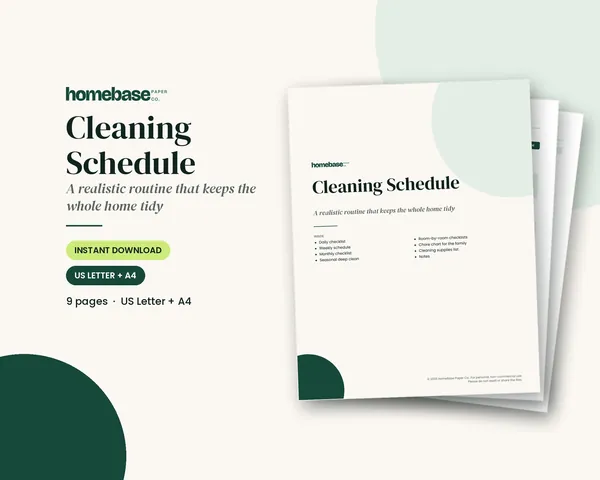
Cleaning Schedule
Daily, weekly, monthly and seasonal lists - plus a family chore chart.
 Save 48%
Bundles
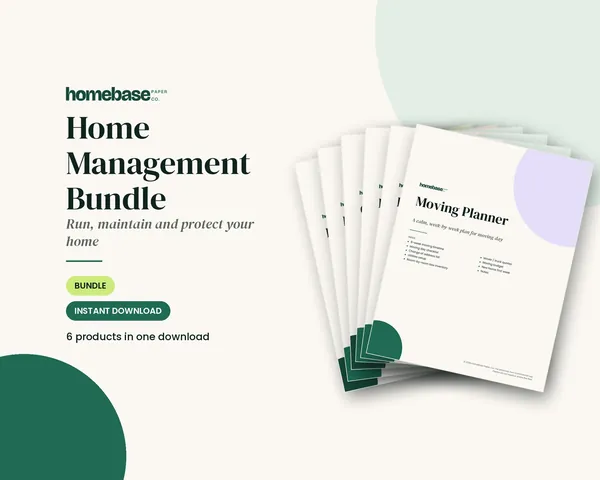
Home Management Bundle
Household binder, maintenance log, moving planner, cleaning schedule, home inventory and password log.
Printables
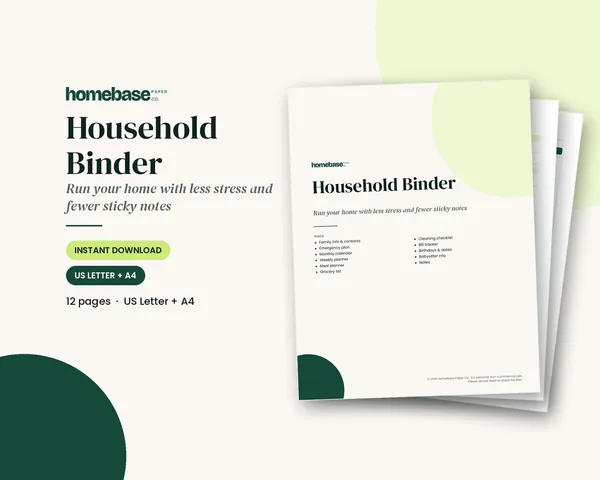
Household Binder
Family info, emergency plan, calendars, meals, groceries, cleaning, bills and sitter notes.
 Starter pick
Printables
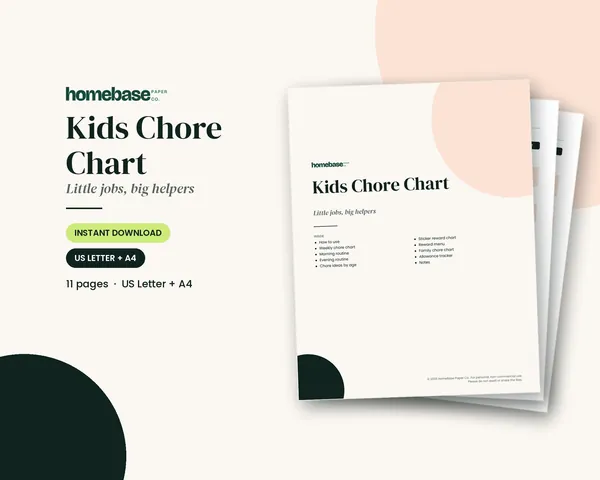
Kids Chore Chart
Weekly chore chart, morning and evening routines, chore ideas by age, a sticker reward chart and an allowance tracker.
Our Cleaning Schedule printable has daily, weekly, monthly and seasonal lists plus room-by-room checklists you can print again whenever you restart.
Here's how to set one up, a sample week, the tricks that make starting easier, and the printable we make for it.
Why ordinary cleaning schedules don't stick
Most cleaning schedules assume the same time and energy every day. Miss Tuesday's bathroom and Wednesday has two jobs; miss a few days and the list looks impossible, so it gets abandoned. Common pain points:
- Tasks too big to start, like "clean the kitchen."
- The plan lives in your head instead of somewhere you can see it.
- No room for low-energy days.
- Falling behind feels like failing, so there's no restart.
An ADHD cleaning planner fixes each one: tasks are tiny, the plan is on paper in view, there's a minimum day, and you restart from today.
The four parts of an ADHD cleaning planner
| Part | What it is | Example |
|---|---|---|
| Minimum day | Two tasks that keep the house running | Dishes in the dishwasher, trash out |
| 10-minute zones | One small area per day with a timer | Monday: bathroom sink and mirror |
| Visual checklist | A page on the wall you tick off | Daily checklist in a sheet protector |
| Restart rule | No catch-up, just start again today | Missed three days? Do today's zone only |
A sample week
| Day | Minimum (always) | 10-minute zone |
|---|---|---|
| Monday | Dishes, trash | Bathroom sink, mirror, toilet wipe |
| Tuesday | Dishes, trash | Kitchen counters and stovetop |
| Wednesday | Dishes, trash | One load of laundry, start to finish |
| Thursday | Dishes, trash | Floors in the busiest room |
| Friday | Dishes, trash | Fridge: toss old food |
| Saturday | Dishes, trash | 15-minute family reset |
| Sunday | Dishes, trash | Rest, or pick one "bonus" zone |
On a good day, you can do two zones. On a hard day, the minimum is enough.
Tricks that make starting easier
Time blindness makes days feel endless; blocking chores into an hourly planner shows how long each one really takes.
- Shrink the first step. "Pick up five things" is easier to start than "tidy the living room."
- Use a timer. Ten minutes, then you're allowed to stop. You'll often keep going.
- Pair it with something you like: a podcast, a playlist or a phone call.
- Body doubling. Clean while a friend is on a video call, or while a partner does their own task in the same room.
- Keep supplies where you use them. A spray and cloth under each bathroom sink removes a step.
- Make "done" visible. Tick the box. It's a small reward that adds up.
- Use a launch spot. A basket by the stairs for things that go upstairs saves extra trips.
The printable we make for it
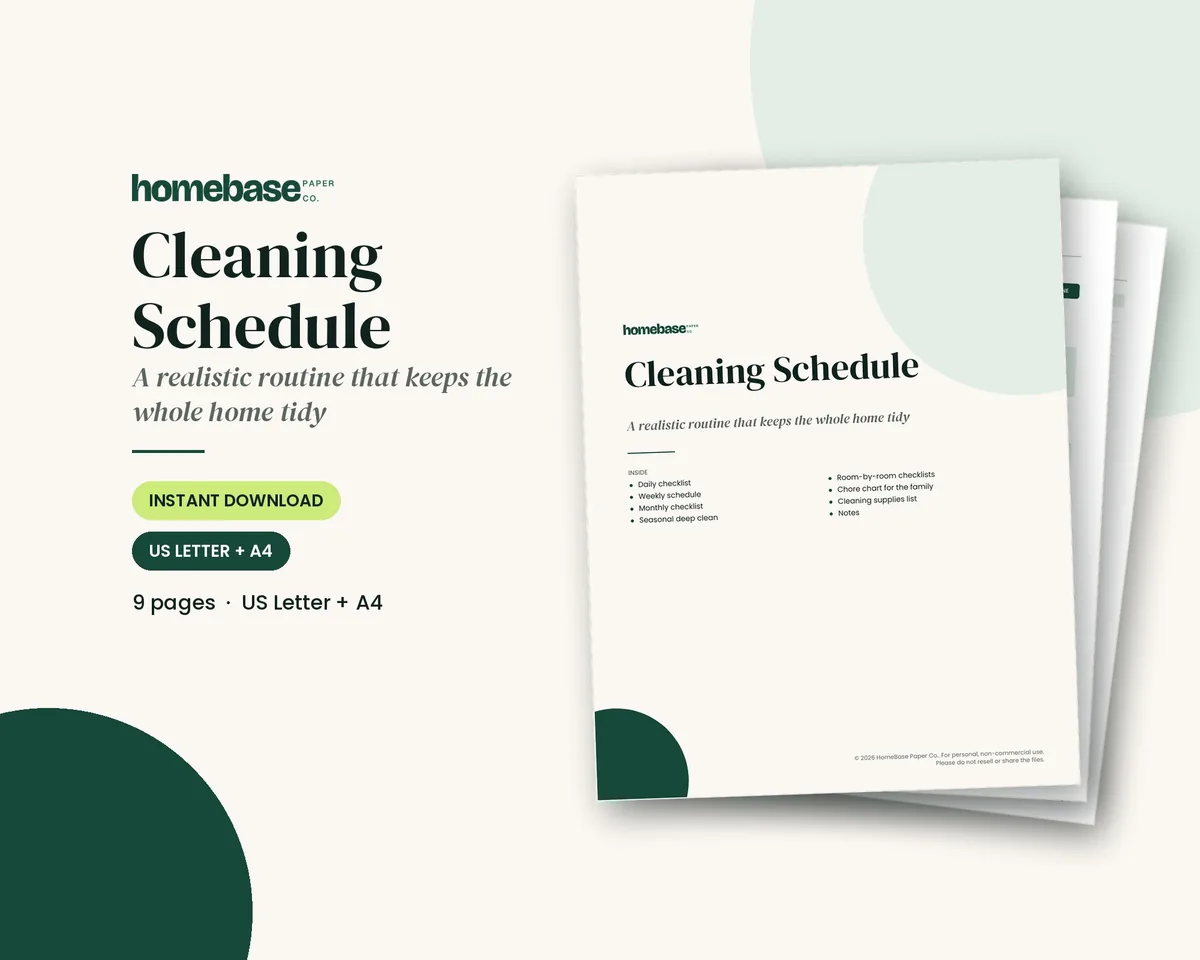
Our Cleaning Schedule ($4.49) works as an ADHD cleaning planner because it's already split into small, visible layers: a daily checklist (your minimum day), a weekly cleaning schedule (one zone per day), a monthly checklist, a seasonal deep clean, room-by-room checklists, a family chore chart, a cleaning supplies list and notes. It's a 9-page PDF in US Letter and A4. Slip the daily and weekly pages into sheet protectors and use a dry-erase marker, so every week starts clean.
Want the whole house in one system? The Home Management Bundle ($16.99, $32.94 if bought separately) includes the Cleaning Schedule plus the Household Binder, a home maintenance log, home inventory, password log and moving planner. Kids helping? The Kids Chore Chart ($3.49) has morning and evening routines, chore ideas by age and a sticker reward chart.
How to set up your planner in 20 minutes
- Write your minimum day. Two tasks, no more.
- List the rooms or zones you care about most and give each one a weekday.
- Time three tasks this week so your plan uses real minutes, not guesses.
- Put the pages where you'll see them: the fridge, the inside of a cabinet door or by the coffee maker.
- Decide your restart rule in advance and write it at the top: "Missed days don't count. Start from today."
- Review on Sunday. Move zones that never get done to a better day, or make them smaller.
When ADHD makes daily life hard
A planner is an organizing tool, not treatment. Cleveland Clinic lists trouble staying organized or finishing tasks and forgetting appointments or errands among common signs of adult ADHD. If attention, focus or follow-through are making daily life hard, the National Institute of Mental Health explains ADHD symptoms and treatment options, and a doctor can help you find support that fits.
More cleaning help
If one room feels hardest, start small with our bathroom cleaning checklist or kitchen cleaning checklist. Each has a printable week tracker.
For a plan that starts small and builds up, read how to start a cleaning routine, with a sample daily routine and a beginner weekly schedule.
If laundry piles up, a printed laundry schedule helps: one load a day, with check boxes for wash, dry, fold and put away.
- Our standard weekly cleaning schedule with daily, monthly and seasonal lists.
- A room-by-room cleaning checklist for when you want to know exactly what "clean" means in each room.
- The spring cleaning checklist for a once-a-year reset, split across weekends.
A cleaning schedule you can actually keep
Daily, weekly, monthly and seasonal lists - plus a family chore chart.
$4.49 · Instant download. Print at home or fill it in on screen. Or browse the full Home & Organizing collection.
Frequently asked questions
What is an ADHD cleaning planner? An ADHD cleaning planner is a cleaning schedule designed around how ADHD brains tend to work: short tasks, visual checklists, a 'minimum day' for low-energy days and no penalty for missing a day. Instead of one long list, it splits housework into small, timed pieces you can see and tick off.
How is an ADHD cleaning planner different from a normal cleaning schedule? An ADHD cleaning planner differs from a normal cleaning schedule because a normal schedule usually assumes the same energy every day. An ADHD cleaning planner plans for good days and hard days, uses timers instead of 'clean the kitchen,' and keeps the next step visible. It also has a restart rule, so falling behind doesn't mean starting over.
How do I start cleaning when I have ADHD? Make the first step tiny and specific: 'put five things in the dishwasher' rather than 'do the dishes.' Set a 10-minute timer, put on music or a podcast and stop when the timer ends if you want to. Starting is usually the hardest part, so the plan should make starting easy.
What is a minimum day? A minimum day is the shortest list that still keeps the house functional, usually two tasks such as 'dishes in the dishwasher' and 'trash out.' On low-energy days you do the minimum and count it as a win. It stops one bad day from turning into a bad week.
How long should each cleaning task take? Each cleaning task on an ADHD cleaning planner should take 5 to 15 minutes. Timing a few tasks once helps a lot: a bathroom wipe-down often takes 10 minutes, not the hour it feels like it will.
Should I clean by room or by task? Clean by room if you need a visible finish line, and by task if you like sweeping one job across the house; many people with ADHD find one room at a time easier. Others prefer one task across the house, like 'all the trash cans.' Try both for a week and keep whichever one you actually finish.
How do visual checklists help? A visual checklist on the wall or fridge keeps the plan out of your head and in view, so you don't have to remember what's next. Checking a box gives a small reward, and a sheet protector with a dry-erase marker lets you reuse the same page every week.
What do I do when I fall behind? When you fall behind on an ADHD cleaning planner, skip the catch-up. Don't try to do the missed days. Pick today's minimum, do one 10-minute zone and start the schedule again from today. A planner with undated pages makes restarting painless.
Can a body double help with cleaning? Yes, a body double can help with cleaning. Body doubling means having someone else around while you work, in person or on a video call. Many people with ADHD find it much easier to start and keep going with another person present, even if they're doing something else.
How do I get the family to help? Give each person their own short list with a picture or a color, and use a family chore chart so tasks aren't argued about. Kids do best with two or three specific jobs and a clear 'done' check.
Is the HomeBase Cleaning Schedule good for ADHD? Yes, the HomeBase Cleaning Schedule works well as an ADHD cleaning planner because it splits cleaning into daily, weekly, monthly and seasonal layers, with room-by-room checklists and a family chore chart you can keep in view. Use the daily checklist as your minimum day and pick one weekly zone at a time.
Is an ADHD cleaning planner a medical treatment? No, an ADHD cleaning planner is not a medical treatment. A cleaning planner is an organizing tool, not treatment. If ADHD is making daily life hard, talk to a doctor or a mental health professional about support that fits you.
Free printable
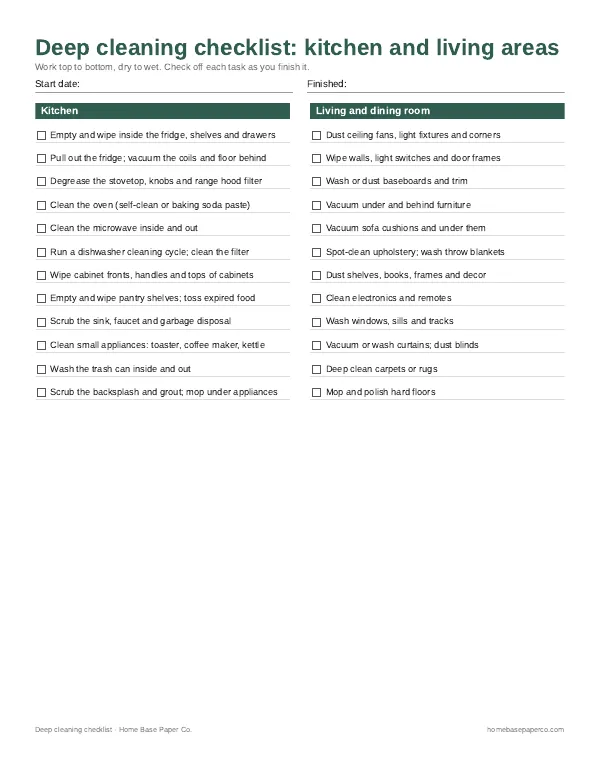
Clean the whole house in order: get the free deep cleaning checklist
A printable room-by-room deep cleaning checklist that tells you what to do first, so nothing gets cleaned twice. You'll also get our weekly HomeBase email with simple cleaning routines and chore ideas the whole family can help with.
Sources
- National Institute of Mental Health: Attention-Deficit/Hyperactivity Disorder nimh.nih.gov
- Cleveland Clinic: ADHD in Adults my.clevelandclinic.org