

The short answer: cacio e pepe is Roman pasta tossed with Pecorino Romano, cracked black pepper and starchy pasta water into a creamy sauce with no cream, ready in about 20 minutes.
- Key numbers: 12 ounces pasta · 1½ cups finely grated Pecorino · 1-1½ tsp cracked pepper · ~20 minutes · feeds 3-4
- Top moves: toast pepper, save pasta water, grate cheese fine, toss off heat
- Free and paid next step: get the free recipe book starter pages (we email it to you), or save your final version in the Family Recipe Binder ($6.99).
Our picks for cacio e pepe
 Starter pick
Printables
Meal Planner & Grocery List
Weekly meals, a grocery list sorted by aisle, and pantry and freezer inventories so you shop once and waste less.

Printables
Family Recipe Binder
Section dividers, four recipe page layouts with room for the family story, 4x6 and 3x5 cards and a conversion chart - print it or type into the fillable version.
Amounts and methods for this cacio e pepe recipe were checked November 6, 2026. The sections below cover ingredients, the emulsion method, troubleshooting, sides, storage and planning.
Cacio e pepe ingredients
| Ingredient | Amount | Notes |
|---|---|---|
| Spaghetti, tonnarelli or bucatini | 12 ounces | Classic long shapes |
| Pecorino Romano | About 1½ cups finely grated (3½-4 oz) | Freshly grated melts best |
| Black peppercorns | 1 to 1½ teaspoons, coarsely cracked | Toast before using |
| Kosher salt | For the pasta water | Season the water well |
| Pasta cooking water | About 1 cup reserved | The sauce base |
Serves 3 to 4.
How to make cacio e pepe
- Prep the cheese and pepper. Finely grate the Pecorino into a bowl. Coarsely crack the peppercorns.
- Toast the pepper. Warm a large skillet over medium heat. Add the cracked pepper and toast 30 to 60 seconds until fragrant. Turn off the heat.
- Boil the pasta. Cook pasta in generously salted water until just shy of al dente. Scoop out at least 1 cup of starchy pasta water before draining.
- Start the emulsion. Add about ½ cup hot pasta water to the pepper skillet and swirl. Add the drained pasta and toss.
- Add the cheese off heat. Sprinkle in Pecorino a handful at a time, tossing constantly and adding pasta water splash by splash until the sauce looks creamy and coats the noodles. Never blast high heat once the cheese is in or it will clump.
- Serve immediately. Taste for salt (Pecorino is salty) and finish with more cracked pepper.
If you add a protein side (chicken or shrimp), cook it separately to the safe minimum internal temperatures on FoodSafety.gov before plating beside the pasta.
Money-saving tip: buy a wedge of Pecorino and grate it yourself; pre-grated cheese often has anti-caking starch that resists a smooth emulsion.
Emulsion tips that keep cacio e pepe creamy
| Problem | Likely cause | Fix |
|---|---|---|
| Cheese clumps into paste | Pan too hot or cheese too coarse | Off heat; finer grate; more water |
| Sauce watery | Too much pasta water at once | Add water gradually while tossing |
| Sauce sticky/dry | Not enough pasta water | Loosen with hot water off heat |
| Bland pepper | Pre-ground pepper only | Crack whole peppercorns and toast |
| Overly salty | Heavy water salt + Pecorino | Salt water lightly; taste before adding salt |
Pair this Roman classic with other pasta nights like carbonara or chicken alfredo when you want a creamier bowl.
What to serve with cacio e pepe
Keep sides light:
- Simple green salad or salad recipes with lemon
- Roasted broccoli or garlic green beans
- Garlic bread only if you want something to swipe the bowl
For a fuller pasta rotation, browse pasta recipes and easy dinner ideas.
Storing, reheating and freezing
Refrigerate leftovers within 2 hours. USDA guidance says cooked leftovers keep 3 to 4 days in the refrigerator. Reheat gently in a skillet with a splash of water, tossing until hot. The emulsion will not be as silky as fresh.
Freezing cooked cacio e pepe is not ideal (cheese sauce texture suffers). If you must stash extras, FoodSafety.gov's cold food storage charts are a useful quality guide for cooked leftovers. Fresh pasta nights usually beat freezer reheats here. To go from scratch, make the noodles with our fresh egg pasta dough and finish them in this sauce.
Plan the shopping and save the recipe
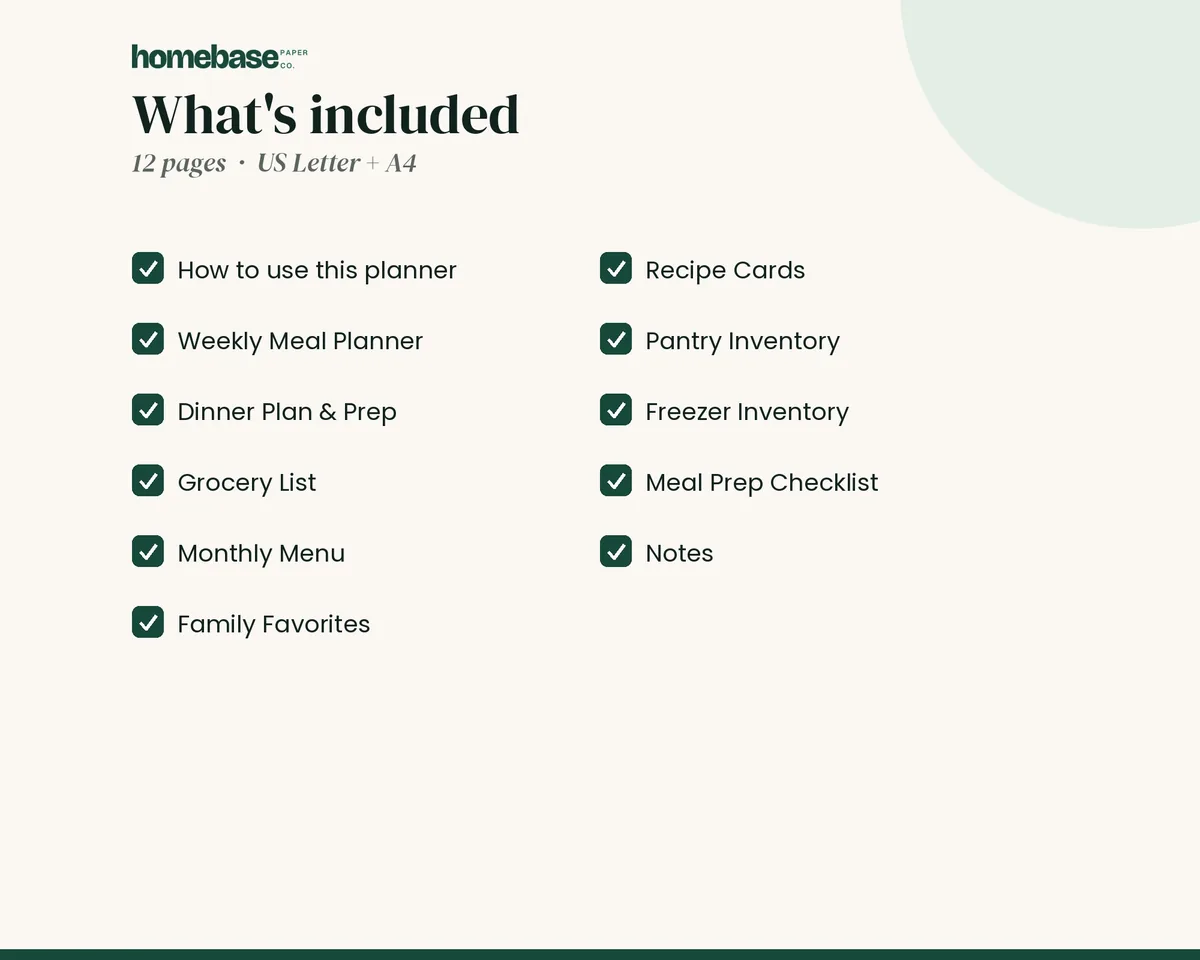
Cacio e pepe is a three-ingredient dinner once pasta, Pecorino and peppercorns are in the pantry. Put it on the plan for nights when takeout is tempting.
- Meal Planner & Grocery List, $3.99. A weekly menu, aisle-sorted grocery list and pantry inventory so pasta night is already stocked.
- Family Recipe Binder, $6.99. Keep your preferred pepper amount and pasta shape with your other family dinners.
Browse more kitchen printables in the printables shop. Pair a pasta night with meal planning on a budget when you want the shopping list locked before payday.
Want free starter pages before you buy a binder? Get the free recipe book pages (we email it to you).
Frequently asked questions
What is cacio e pepe? Cacio e pepe is a Roman pasta dish whose name means cheese and pepper. It combines spaghetti or tonnarelli with Pecorino Romano, lots of freshly cracked black pepper and starchy pasta water to make a creamy emulsion without cream or eggs.
How do you make cacio e pepe? Toast cracked black pepper in a skillet, boil pasta in well-salted water, then toss hot pasta with Pecorino and pasta water off the heat until a glossy sauce coats every strand. Work quickly so the cheese melts into an emulsion instead of clumping.
What cheese is best for cacio e pepe? Pecorino Romano is the classic choice: salty, sharp sheep's-milk cheese that melts into the sauce. Finely grate it so it dissolves. Parmesan can stand in, but the flavor will be milder and less traditional.
Why does my cacio e pepe clump? Cheese clumps when the pan is too hot, the cheese is coarsely grated or there is not enough pasta water. Pull the pan off heat, use finely grated cheese and add water a splash at a time while tossing vigorously.
Do you need cream or butter in cacio e pepe? Traditional cacio e pepe does not use cream, butter or eggs. The creaminess comes from Pecorino plus starchy pasta water. Extra fat can mute the pepper and cheese.
How much black pepper should I use? Be generous: about 1 to 1½ teaspoons coarsely cracked pepper for 12 ounces of pasta is a solid start. Toast it briefly so it smells fragrant, then taste and add more at the table.
Can I make cacio e pepe ahead of time? It is best eaten right away. The emulsion tightens as it cools. You can grate cheese and crack pepper ahead, then cook pasta and sauce when you are ready to eat.
What pasta shape works best? Spaghetti, tonnarelli or bucatini are classic. Short shapes work in a pinch if you keep plenty of pasta water for tossing.
How long do leftovers last? Refrigerate leftovers within 2 hours. USDA guidance says cooked leftovers keep about 3 to 4 days in the refrigerator. Reheat gently with a splash of water; the sauce will not be as silky as day one.
Is cacio e pepe vegetarian? Yes, if your Pecorino is made without animal rennet (check the label) and you skip any meat sides. The base dish is cheese, pepper and pasta only.
How do I plan cacio e pepe into a week of dinners? The Meal Planner & Grocery List ($3.99) from HomeBase Paper Co. has a weekly menu and an aisle-sorted shopping list, so pasta, Pecorino and peppercorn are already home on a busy night. Pencil it when you want dinner in about 20 minutes.
Where can I save my family's cacio e pepe recipe? The Family Recipe Binder ($6.99) from HomeBase Paper Co. has fillable recipe pages and dividers, so your pepper amount and pasta shape notes stay with your other family dinners. It prints at home on US Letter paper.
Free printable
Get organized for the new year: get the free 2027 planner
A 16-page printable 2027 planner with a year-at-a-glance page and monthly calendars with US holidays marked. You'll also get our weekly HomeBase email with simple planning and home organization tips.

Sources
- USDA FSIS: Leftovers and food safety fsis.usda.gov
- FoodSafety.gov: Cold food storage charts foodsafety.gov
- FoodSafety.gov: Safe minimum internal temperatures foodsafety.gov