
 The Holiday Collection

The short answer: Homemade eggnog is a stovetop custard you chill and pour. Whisk 6 eggs with 3/4 cup sugar. Slowly add 2 cups of hot milk, then cook it over low heat to 160°F, until it coats a spoon.
Our picks for homemade eggnog
 Save 38%
Bundles
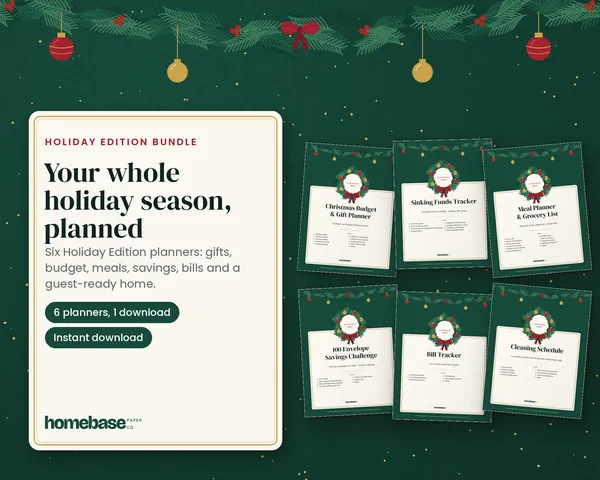
Holiday Season Bundle
Plan Christmas, save for it all year, and host without the January money hangover.
Printables
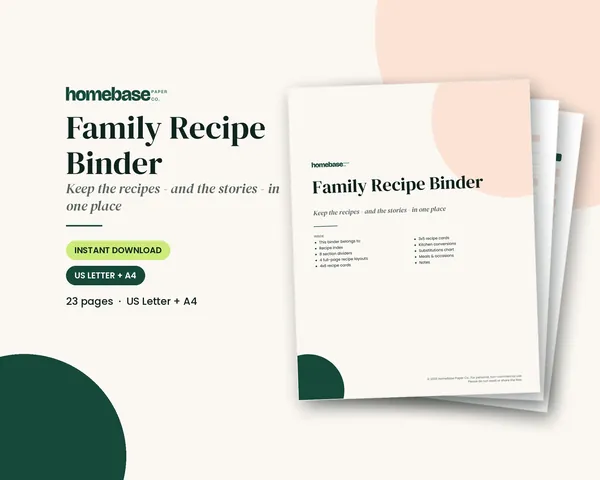
Family Recipe Binder
Section dividers, four recipe page layouts with room for the family story, 4x6 and 3x5 cards and a conversion chart - print it or type into the fillable version.
Strain it and stir in 1 cup cream, vanilla and nutmeg. Chill it at least 4 hours. It makes about 5 cups, enough for 8 small glasses.
I love the little details of each season, and the drinks are one of my favorites. I'm a hot chocolate person at heart, but a pitcher of eggnog on the counter tells everyone the holidays are here. Cooking the base makes it creamy and keeps it safe for the whole family.
Homemade eggnog ingredients
This batch makes about 5 cups. Double it for a crowd.
| Ingredient | Amount | Job in the recipe |
|---|---|---|
| Large eggs | 6 | The custard base |
| Granulated sugar | 3/4 cup | Sweetness |
| Whole milk | 2 cups | Body |
| Heavy cream | 1 cup | Richness |
| Vanilla extract | 1 1/2 tsp | Warm flavor |
| Nutmeg, freshly grated | 1/2 tsp, plus more for topping | The classic eggnog spice |
| Cinnamon | Pinch, optional | Extra warmth |
| Salt | Pinch | Rounds out the sweetness |
How to make homemade eggnog step by step
- Whisk the eggs. Beat the eggs, sugar and salt in a bowl until pale and smooth.
- Heat the milk. Warm the milk and nutmeg in a saucepan until steaming. Don't let it boil.
- Temper the eggs. Pour the hot milk into the eggs in a thin stream, whisking the whole time.
- Cook the custard. Return everything to the pan. Stir constantly over low heat until it reaches 160°F and coats a spoon.
- Strain. Pour it through a fine sieve into a pitcher or bowl.
- Add the cream. Stir in the cold cream and vanilla. This also helps it cool.
- Chill. Cover and refrigerate at least 4 hours, or overnight.
- Serve. Whisk, pour, and top each glass with grated nutmeg.
The temperature step matters most. The FDA's egg safety page recommends cooked eggnog or pasteurized eggs. FoodSafety.gov's safe internal temperature chart sets egg dishes at 160°F. An instant-read thermometer takes the guessing out of it.
Eggnog variations
The cooked base takes flavors well. Add mix-ins after it chills.
| Version | What to add | Good to know |
|---|---|---|
| Classic alcohol-free | Nothing extra | Kid-friendly and party-safe |
| Spiked (adults only) | 1/2 to 1 cup bourbon, rum or brandy | Or add 1 oz per glass |
| Rum-flavored, no alcohol | 1/2 tsp rum extract | Same taste, zero alcohol |
| Dairy-free | Oat or coconut milk for milk and cream | Cook to 160°F the same way |
| Extra thick | Fold in 1/2 cup whipped cream | Fold just before serving |
| Chocolate eggnog | Whisk in 2 tbsp cocoa with the sugar | A treat for chocolate lovers |
Fixes for common eggnog problems
- Lumpy or scrambled bits: The heat was too high. Strain it and blend briefly.
- Too thin: Cook a little longer next time, and chill it overnight.
- Too sweet: Add a splash more milk or cream.
- Flat flavor: Use fresh nutmeg and a pinch more salt.
- Skin on top: Press plastic wrap onto the surface while it chills.
Eggnog party timeline and storage
| When | To-do |
|---|---|
| 2 days before | Buy eggs, milk, cream and whole nutmeg |
| 1 day before | Cook, strain and chill the eggnog |
| Party day | Whisk, pour into a chilled pitcher, and set out spirits separately |
| During the party | Return it to the fridge within 2 hours |
| Leftovers | Finish within a few days |
FoodSafety.gov's cold storage chart gives store-bought eggnog 3 to 5 days in the refrigerator. Use that as the outer limit for your homemade batch.
Budget for the holiday drinks
Eggs, cream and spirits add up fast during party season. These printables keep the extras on budget. For a lighter warm pour beside the eggnog bowl, learn how to make mulled wine.
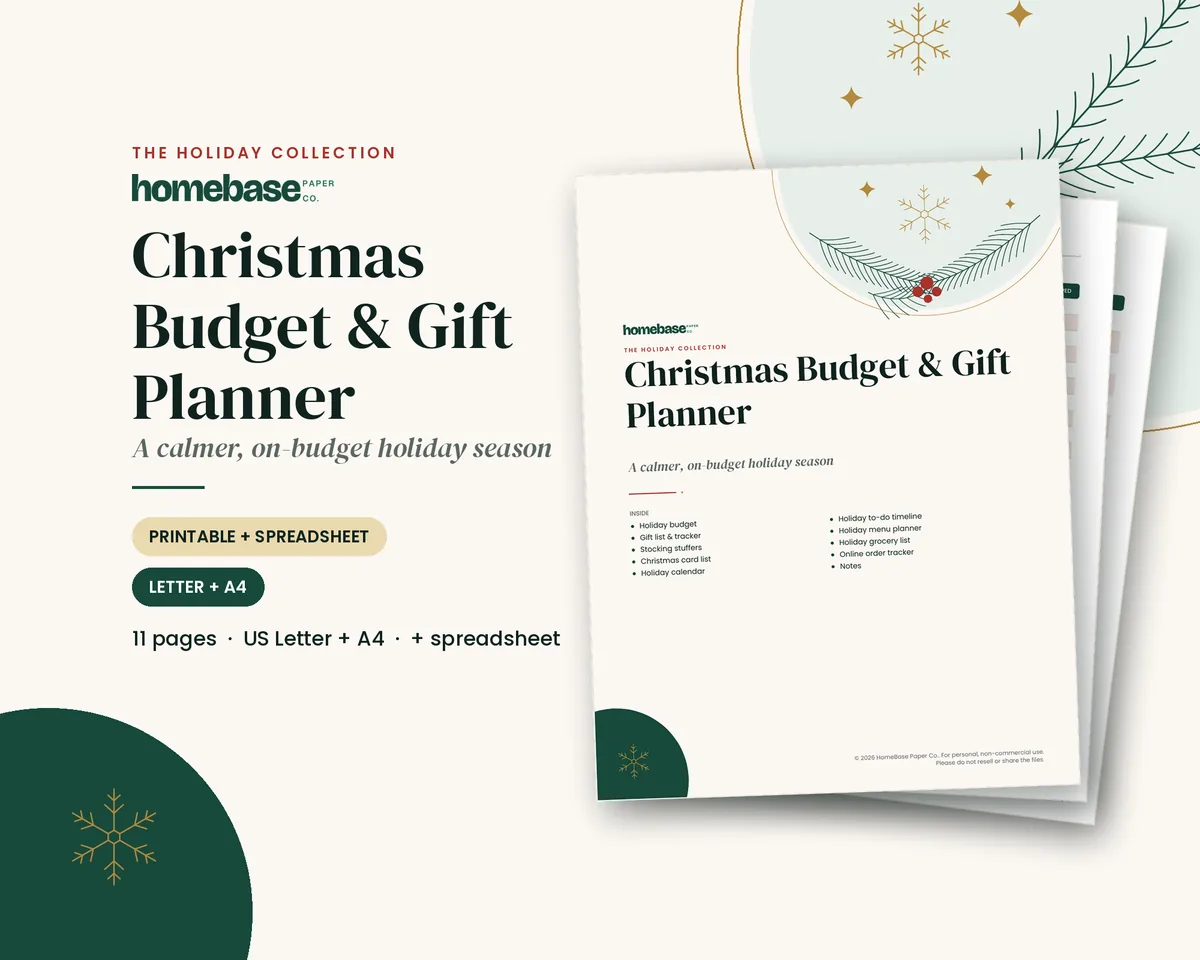
- Christmas Budget & Gift Planner at $4.99 tracks gift and party spending in one place.
- Holiday Season Bundle at $15.99 (was $25.94) includes six printables, among them the Christmas Budget & Gift Planner and the Meal Planner & Grocery List.
- Family Recipe Binder at $6.99 gives your eggnog recipe a permanent card, next to the cookies it goes with.
See all holiday printables or the whole Printables line. When you join our email list, we send the free Holiday Budget Starter Kit: three US Letter pages.
More holiday drink and party ideas

The Holiday Collection
Give every person a limit and watch what's left
The Christmas Budget & Gift Planner adds up every list for you: a budget for each person, a log of each purchase and the amount left to spend, plus printable gift, card, menu and to-do pages.
- Spreadsheet for Excel and Google Sheets
- 11 printable pages, US Letter + A4
- Instant download, 14-day fix-or-refund promise

Planning the whole season? See the holiday sets from $7, with early prices through Cyber Monday
Frequently asked questions
How do you make homemade eggnog? Make homemade eggnog by whisking 6 eggs with 3/4 cup sugar, slowly adding 2 cups of hot milk, and cooking the mixture over low heat to 160°F, until it coats a spoon. Strain it, stir in 1 cup cream, vanilla and nutmeg, and chill at least 4 hours.
Is homemade eggnog safe to drink? Homemade eggnog is safe when the egg mixture is cooked to 160°F or made with pasteurized eggs, as the FDA recommends. Keep it cold, serve it within a few days, and don't leave it out at room temperature for more than 2 hours.
Does alcohol make raw eggnog safe? Don't rely on alcohol to make raw-egg eggnog safe. Cook the custard to 160°F or use pasteurized eggs first, then add spirits for adults after it has chilled.
How long does homemade eggnog last? Homemade eggnog keeps a few days in the refrigerator. FoodSafety.gov lists store-bought eggnog at 3 to 5 days in the fridge, so treat that as the upper limit for a homemade batch and finish it sooner when you can.
What alcohol goes in eggnog? Bourbon, dark rum and brandy are the classic eggnog spirits, alone or mixed. Add about 1/2 to 1 cup to a full batch, or stir 1 to 1 1/2 ounces into individual glasses so alcohol-free guests can enjoy it too.
How do you make eggnog without alcohol? Alcohol-free eggnog is the base recipe as written: cooked egg custard, milk, cream, vanilla and nutmeg. Add 1/2 teaspoon rum extract if you want that classic spiked flavor without the alcohol.
Can you make eggnog dairy-free? Yes, make dairy-free eggnog with full-fat oat milk or canned coconut milk in place of the milk and cream. Cook it the same way to 160°F. The texture is a little thinner with oat milk and richer with coconut milk.
Why is my homemade eggnog lumpy? Homemade eggnog turns lumpy when the eggs cook too fast. Add the hot milk slowly while whisking, keep the heat low, stir constantly, and strain the custard through a fine sieve. A quick blend smooths out small lumps.
How far ahead can I make eggnog for a party? Make eggnog 1 day before a party. It needs at least 4 hours to chill and thicken, and it tastes better after resting overnight. The Christmas Budget & Gift Planner ($4.99) helps you plan party drinks and groceries inside your holiday budget.
What spices go in eggnog? Freshly grated nutmeg is the signature eggnog spice. Many recipes add a pinch of cinnamon, and some add a little cloves or allspice. Grate a little extra nutmeg on top of each glass.
How do you make eggnog thicker? For thicker eggnog, use more cream and less milk, cook the custard until it clearly coats the back of a spoon, and chill it overnight. You can also whip 1/2 cup of the cream to soft peaks and fold it in before serving.
Free printable
Get the free Holiday Budget Starter Kit
A one-page holiday budget, a gift list with a spending limit for every person, and a 6-week countdown so December stays calm and paid for. You'll also get our weekly HomeBase email with simple holiday planning, budgeting and hosting tips.

Sources
- FDA: What you need to know about egg safety fda.gov
- FoodSafety.gov: Safe minimum internal temperatures foodsafety.gov
- FoodSafety.gov: Cold food storage chart foodsafety.gov