

The short answer: yes, chili is usually a healthy meal. A 1-cup serving of beef and bean chili has about 300 calories, 25 grams of protein and nearly 8 grams of fiber. The two things that make it less healthy are sodium, often 800 to 900 mg a cup, and heavy toppings.
- Good for you: protein from meat and beans, fiber, tomatoes, onions and peppers, and it's filling for the calories
- Watch out for: sodium, saturated fat from fatty ground beef, piled-on cheese, sour cream and chips, and 2-cup bowls
- Healthiest swaps: add beans, use chicken or go vegetarian, and make it at home instead of canned
- Free printable: log your bowl's calories and protein on our one-page calorie tracker (we email it to you)
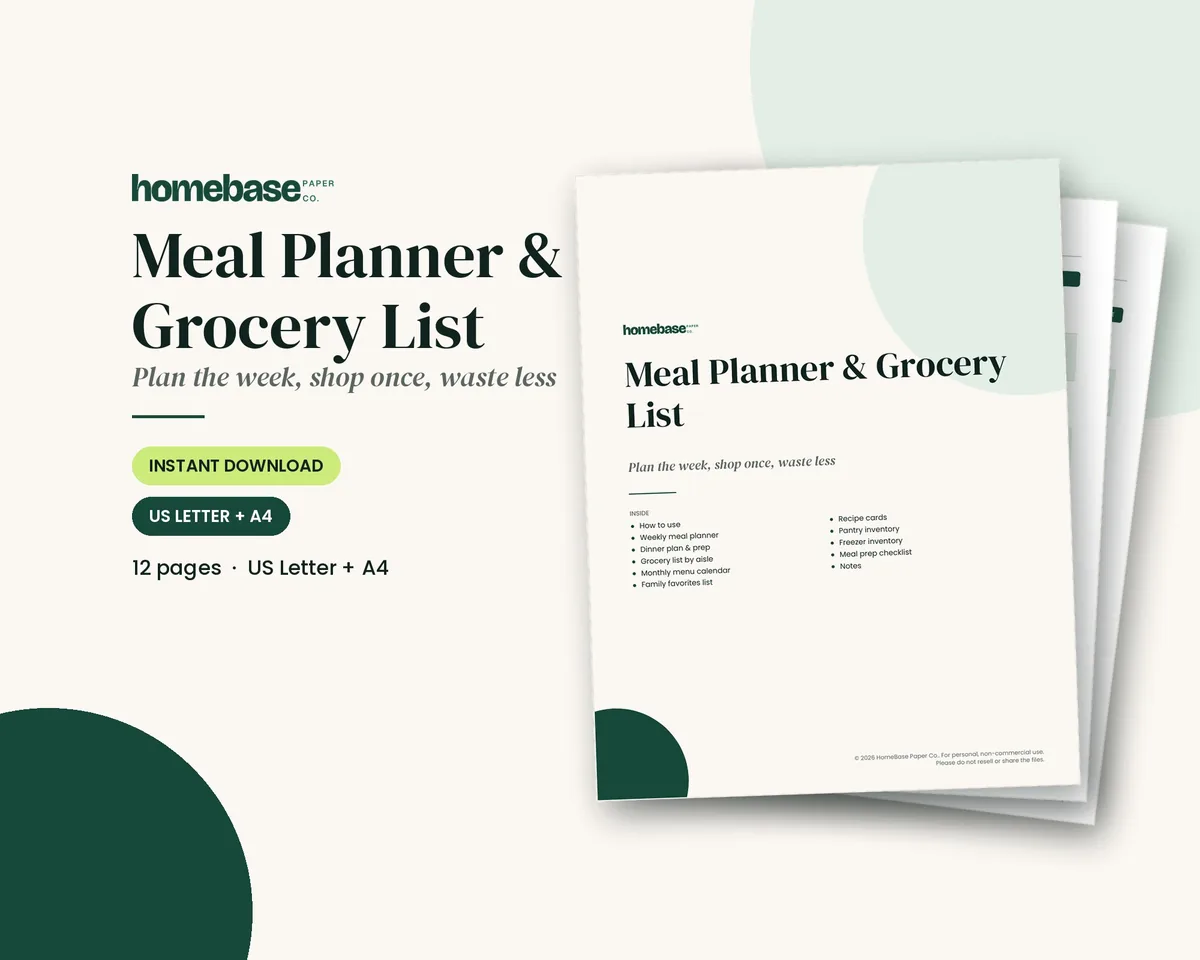
- Next step: Plan it with the Meal Planner & Grocery List ($3.99).
Our picks for is chili healthy
 Starter pick
Printables
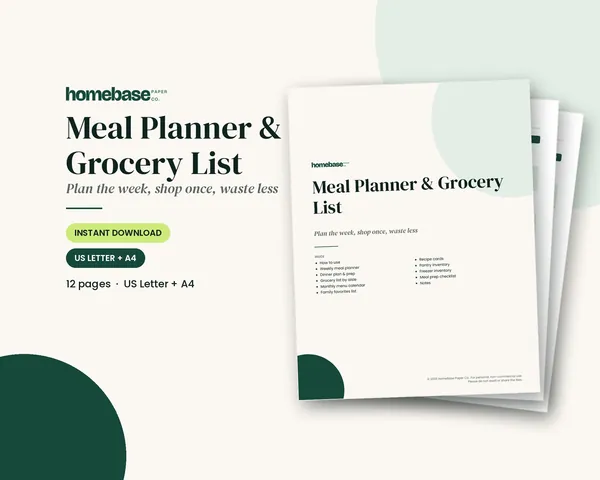
Meal Planner & Grocery List
Weekly meals, a grocery list sorted by aisle, and pantry and freezer inventories so you shop once and waste less.
Printables
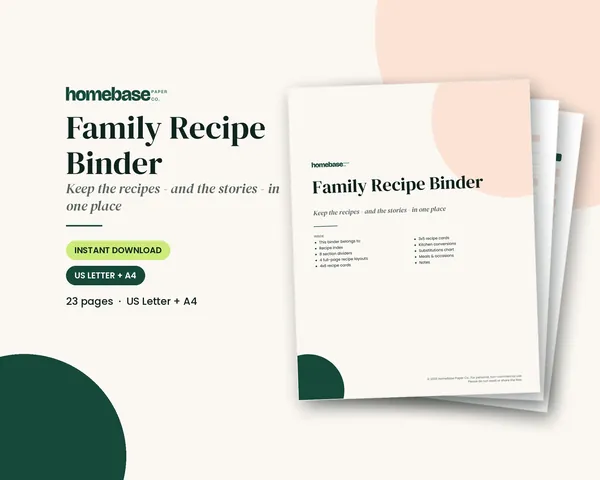
Family Recipe Binder
Section dividers, four recipe page layouts with room for the family story, 4x6 and 3x5 cards and a conversion chart - print it or type into the fillable version.
Yes, chili is usually a healthy meal. A 1-cup serving of beef and bean chili has about 300 calories, 25 grams of protein and nearly 8 grams of fiber, according to USDA FoodData Central. Beans, tomatoes, onions and peppers make it filling and full of nutrients. The two things that make chili less healthy are sodium, often 800 to 900 mg a cup, and heavy toppings. Below you'll find nutrition by chili type, what to watch for, and 12 easy ways to make chili healthier without losing flavor.
Plan a healthy chili night, and the leftovers, with the Meal Planner & Grocery List ($3.99).
Chili pros and cons at a glance
| Good for you | Watch out for |
|---|---|
| High in protein from meat and beans | Sodium from canned beans, tomatoes and seasoning |
| High in fiber, especially with beans | Saturated fat from fatty ground beef |
| Tomatoes, onions and peppers add vegetables | Cheese, sour cream and chips piled on top |
| Filling for the calories | Big bowls (2 cups doubles everything) |
| Cheap, freezes well and feeds a crowd | Canned chili is often saltier than homemade |
Chili nutrition by type (per 1 cup)
| Chili type | Calories | Protein | Fat | Saturated fat | Fiber | Sodium |
|---|---|---|---|---|---|---|
| Beef and bean chili | 301 | 25 g | 11 g | 4.1 g | 7.6 g | 867 mg |
| Chicken and bean chili | 252 | 26 g | 5.3 g | 1.4 g | 7.6 g | 870 mg |
| Canned chili with meat | 270 | 22 g | 8.6 g | 3.2 g | 8.2 g | 910 mg |
| Beef chili, no beans | 354 | 34 g | 21 g | 8.1 g | 1.3 g | 910 mg |
| Vegetarian chili | 303 | 16 g | 6.2 g | 0.9 g | 15.3 g | 806 mg |
Values are from USDA FoodData Central survey foods (FNDDS), scaled to a 1-cup (255 g) serving and rounded. Your homemade pot will vary with the meat, beans and salt you use.
A few things stand out. Beans make the biggest difference: they add fiber and cut the fat per cup. Chicken and vegetarian chili are lowest in saturated fat. And every type is fairly high in sodium.
The sodium question
The FDA's sodium guide sets the Daily Value at 2,300 mg a day and says Americans eat about 3,400 mg a day on average. One cup of typical chili uses roughly 35 to 40% of that Daily Value before toppings. Most of it comes from canned beans, canned tomatoes, broth and seasoning packets, so those are the easiest places to cut.
12 ways to make chili healthier
- Use lean meat. Choose 90% lean or leaner ground beef, or ground turkey or chicken, and drain the fat.
- Add an extra can of beans. More fiber and protein, and the pot goes further.
- Go half meat, half beans or lentils. Same hearty texture with less saturated fat.
- Buy no-salt-added beans and tomatoes. This is the single biggest sodium cut.
- Rinse canned beans. Draining and rinsing washes away some of the salt.
- Make your own seasoning. A homemade blend lets you control the salt. Try our chili seasoning.
- Pack in vegetables. Bell peppers, carrots, zucchini, corn, spinach or pumpkin all disappear into the pot.
- Build flavor without salt. Toast the spices, add garlic, smoked paprika, cumin, lime and a little cocoa or coffee.
- Swap sour cream for plain Greek yogurt. Same tang, more protein.
- Use a strong cheese sparingly. A tablespoon of sharp cheddar goes further than a handful of mild.
- Serve it over vegetables or grains. Try a baked potato, brown rice or roasted cauliflower instead of chips.
- Measure the bowl. A 1-cup ladle keeps portions honest, with a side salad to round it out.
Healthier chili toppings
| Instead of | Try | Why |
|---|---|---|
| Sour cream | Plain Greek yogurt | More protein, less fat |
| A handful of shredded cheese | A spoonful of sharp cheddar or cotija | More flavor in less cheese |
| Tortilla chips | A few crushed baked chips or a small piece of cornbread | Smaller portion of the crunchy part |
| Bacon bits | Pickled red onion or jalapeños | Big flavor, few calories |
| Extra salt at the table | Lime juice and cilantro | Brightens the bowl without sodium |
Diced avocado, chopped onion, fresh tomato and green onion are all good choices too.
Which chili recipe is healthiest?
| If you want | Try this recipe |
|---|---|
| The most fiber, the least saturated fat | Vegetarian chili |
| Lean protein | Turkey chili or white chicken chili |
| Low carb | Keto chili |
| A classic family pot | Chili recipe with lean beef and two cans of beans |
| Fast weeknight cooking | Instant Pot chili |
Is chili a low-calorie food?
Not exactly. The USDA survey values above put one cup of chili at about 250 to 355 calories, which is a moderate, filling portion rather than a low-calorie one. Chicken and bean chili (252) and vegetarian chili (303) sit at the lighter end, while chili without beans (354) has the most calories and saturated fat. If you're counting calories, pick a bean-based version and watch the toppings. For other ideas, see our healthy dinner ideas.
Is chili good for weight loss?
Chili can work well on a weight loss plan. Protein and fiber help you feel full, and a cup of bean chili sits around 250 to 300 calories. The calories climb quickly with fatty meat, big bowls and toppings, so the swaps above matter more than which recipe you pick. If you have a health condition or follow a medical diet, ask your doctor or a registered dietitian what fits you.
Storing chili safely
Chili is a great make-ahead meal. Refrigerate it within 2 hours, eat leftovers within 3 to 4 days, or freeze it in portions. Reheat to 165°F, the leftovers temperature on FoodSafety.gov's chart.
Plan a healthy chili week
As the oldest of three, I learned that one big pot can feed everyone, and a plan keeps the leftovers from going to waste.
- Meal Planner & Grocery List ($3.99): plan chili night and the leftover lunches, then shop for the lean meat, beans and vegetables in one trip.
- Family Recipe Binder ($6.99): save your family's lighter chili recipe, with your swaps written in.
Browse all our Printables.
More chili and dinner ideas
Plan the week's meals and shop once
Weekly meals, a grocery list sorted by aisle, and pantry and freezer inventories so you shop once and waste less.
$3.99 · Instant download. Print at home or fill it in on screen. Or browse the full Home & Organizing collection.
Frequently asked questions
Is chili healthy? Yes, chili is usually a healthy meal. A 1-cup serving of beef and bean chili has about 300 calories, 25 grams of protein and nearly 8 grams of fiber, according to USDA FoodData Central. The main things to watch are sodium, which can be 800 to 900 mg a cup, and heavy toppings like cheese, sour cream and chips.
How many calories are in a bowl of chili? A 1-cup bowl of chili has about 250 to 350 calories, depending on the type. USDA data puts chicken and bean chili at about 250 calories a cup, beef and bean chili at about 300, and beef chili without beans at about 355. A big 2-cup bowl doubles those numbers.
Is chili good for weight loss? Chili can be good for weight loss because the protein and fiber from meat and beans help you feel full for relatively few calories. Use lean meat or turkey, add extra beans and vegetables, measure your portion, and go easy on cheese, sour cream and chips.
Is chili a low-calorie food? Chili is a moderate-calorie food rather than a low-calorie one, at roughly 250 to 355 calories per cup in USDA survey values. Chicken and bean chili is the lightest of the types listed here, and chili without beans has the most calories.
Is chili high in sodium? Yes, chili is often high in sodium. USDA FoodData Central lists about 870 mg of sodium in a cup of beef and bean chili and about 910 mg in a cup of canned chili. That's close to 40% of the 2,300 mg Daily Value. Use no-salt-added beans and tomatoes to cut it a lot.
How much sodium is in homemade chili? A cup of typical chili has about 800 to 910 mg of sodium in the USDA survey values, and homemade chili varies with your ingredients. Most of the sodium comes from canned beans, canned tomatoes, broth and seasoning packets, so choosing low-sodium or no-salt-added versions of those cuts the most.
Is canned chili healthy? Canned chili can fit a healthy diet, but it's usually higher in sodium than homemade. A cup of canned chili with meat has about 270 calories, 22 grams of protein and 910 mg of sodium in USDA data. Compare labels and pick a lower-sodium can, or stretch it with extra beans and vegetables.
Is chili with beans healthier than chili without beans? Yes, chili with beans is generally healthier than chili without beans. Beans add fiber, plant protein and potassium and lower the fat per cup. In USDA data, beef chili with beans has about 8 grams of fiber a cup, while beef chili without beans has about 1 gram.
Is turkey chili healthier than beef chili? Turkey chili is usually a little lower in saturated fat than beef chili, especially when it's made with lean ground turkey. If you use 90% lean or leaner ground beef and drain the fat, the difference gets small, so choose the one your family will eat.
Is vegetarian chili healthy? Yes, vegetarian chili is very healthy. USDA data puts a cup of vegetarian chili at about 15 grams of fiber and less than 1 gram of saturated fat. It's lower in protein than meat chili, so add an extra can of beans or top it with plain Greek yogurt.
Is chili good for you when you're sick? Chili can be comforting when you have a cold, since it's warm and filling, and the spice may help you feel like your nose is clearing. If your stomach is upset, a milder soup is usually easier to handle.
What are the healthiest toppings for chili? The healthiest chili toppings are plain Greek yogurt instead of sour cream, diced avocado, chopped onion, cilantro, sliced jalapeños, fresh tomato and a squeeze of lime. Use a small sprinkle of sharp cheddar, since a strong cheese gives more flavor in a smaller amount.
How can I make chili healthier? To make chili healthier, use lean meat or turkey, add an extra can of beans, stir in vegetables like peppers, carrots or zucchini, choose no-salt-added tomatoes and beans, and use spices instead of extra salt. Then top it with Greek yogurt and fresh vegetables instead of piles of cheese.
Is chili a good meal prep dinner? Yes, chili is one of the easiest meal prep dinners because it reheats well and freezes for months. The Meal Planner & Grocery List ($3.99) from HomeBase Paper Co. lets you plan a big pot of chili for Sunday and the leftovers for later in the week, with everything on one shopping list.
How long does chili last in the fridge? Cooked chili lasts 3 to 4 days in the refrigerator. Cool it and refrigerate it within 2 hours of cooking, and reheat leftovers to 165°F. For longer storage, freeze it in portions.
Free printable
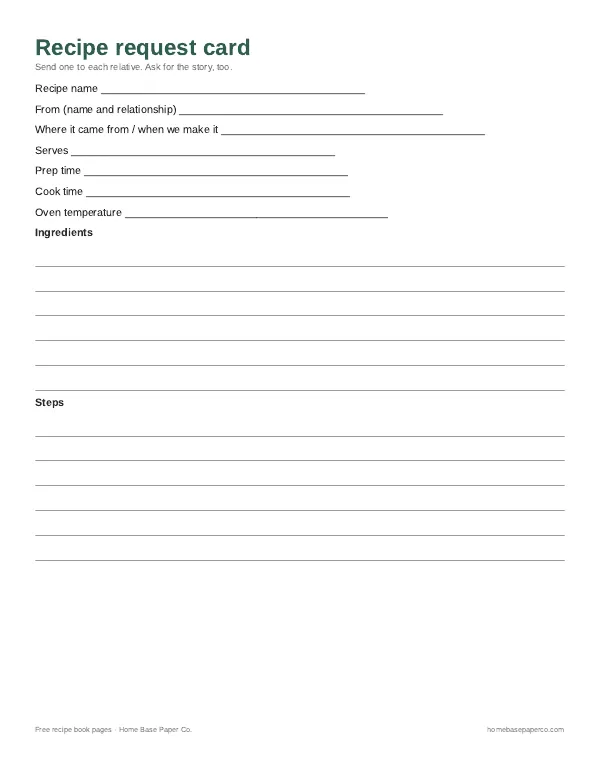
Save the family favorites: get the free recipe book pages
Printable recipe pages and a recipe request card to send to relatives, so the dishes everyone loves end up in one book. You'll also get our weekly HomeBase email with easy meal planning ideas and family recipe tips.
Sources
- USDA FoodData Central fdc.nal.usda.gov
- U.S. FDA: Sodium in your diet fda.gov
- FoodSafety.gov: Safe minimum internal temperatures foodsafety.gov