

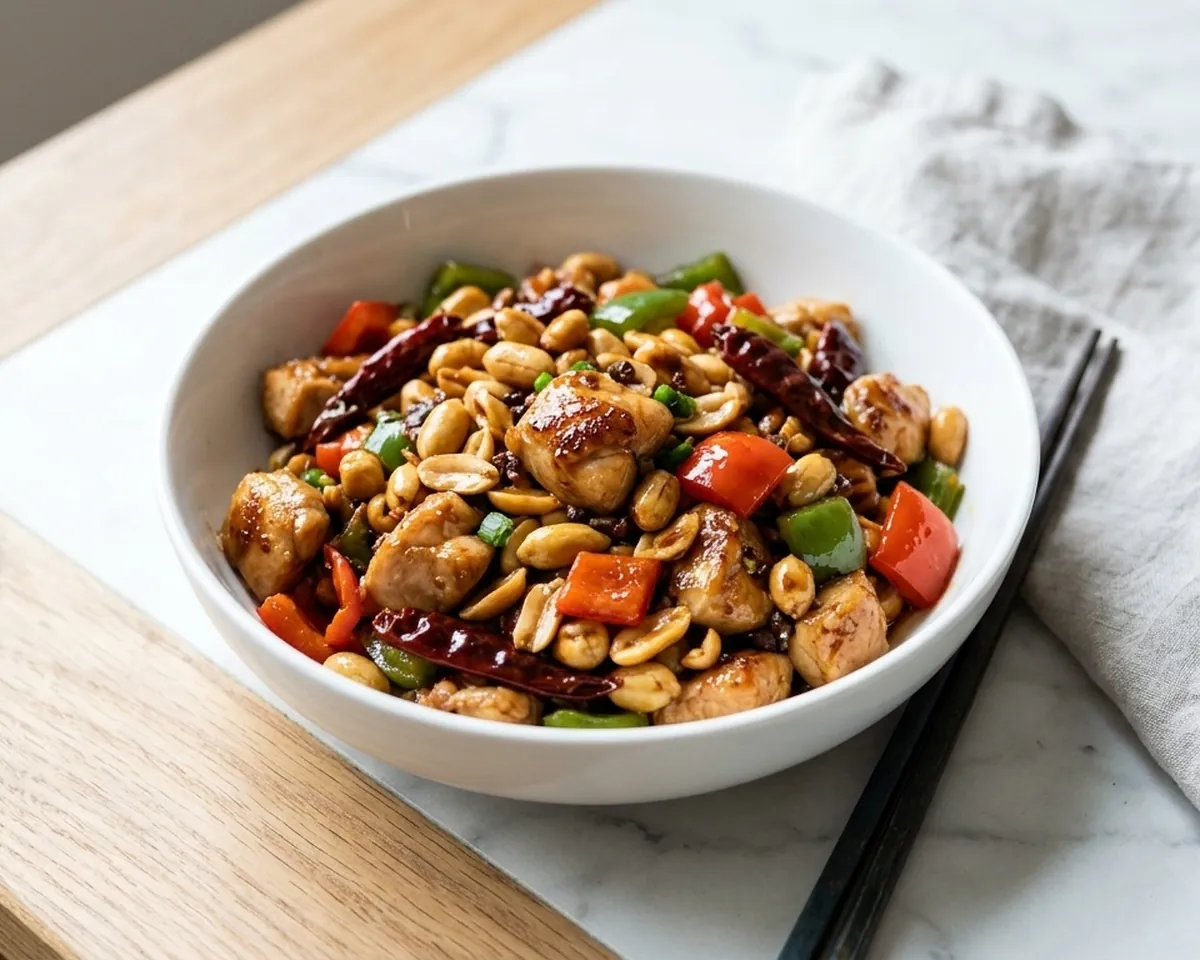
The short answer: to make kung pao chicken, marinate 1¼ pounds of diced chicken in soy sauce and cornstarch, sear it in a hot wok, then toss it with dried chilies, Sichuan peppercorns, garlic, ginger, green onions, roasted peanuts and a quick soy-vinegar sauce. It takes about 25 minutes and serves 4.
- Key numbers: 1¼ pounds chicken thighs · ½ cup roasted peanuts · 6 to 10 dried chilies · 1 teaspoon Sichuan peppercorns · 2 tablespoons soy + 1 tablespoon vinegar + 1 tablespoon sugar · 165°F
- Top moves: use thighs for juicier chicken, toast the chilies briefly so they don't burn, and add the peanuts at the very end so they stay crunchy
- Free and paid next step: get the free recipe book starter pages (we email it to you), or plan the week with the Meal Planner & Grocery List ($3.99).
Our picks for kung pao chicken
 Starter pick
Printables
Meal Planner & Grocery List
Weekly meals, a grocery list sorted by aisle, and pantry and freezer inventories so you shop once and waste less.

Printables
Family Recipe Binder
Section dividers, four recipe page layouts with room for the family story, 4x6 and 3x5 cards and a conversion chart - print it or type into the fillable version.
 Save 33%
Bundles
Family Life Admin Bundle
Baby logs, chore charts, pet records, meal plans and family recipes in one tidy set.
Amounts and times in this kung pao chicken recipe were checked November 4, 2026. The sections below cover ingredients, steps, spice levels, the classic vs takeout style, peanut-free swaps, variations and storage.
Kung pao chicken ingredients
Chicken and marinade
| Ingredient | Amount | Notes |
|---|---|---|
| Boneless, skinless chicken thighs | 1¼ pounds, ¾-inch cubes | Breast works; cook it a little less |
| Soy sauce | 1 tablespoon | Low-sodium is fine |
| Shaoxing wine or dry sherry | 1 tablespoon | Or chicken broth |
| Cornstarch | 2 teaspoons |
Sauce
| Ingredient | Amount | Notes |
|---|---|---|
| Soy sauce | 2 tablespoons | |
| Chinkiang black vinegar or rice vinegar | 1 tablespoon | Black vinegar is more traditional |
| Sugar | 1 tablespoon | |
| Water or broth | 2 tablespoons | |
| Cornstarch | 1 teaspoon | |
| Toasted sesame oil | 1 teaspoon |
Stir-fry add-ins
| Ingredient | Amount | Notes |
|---|---|---|
| Neutral oil | 2 tablespoons | Peanut or canola |
| Dried red chilies | 6 to 10, halved and seeds shaken out | Fewer for mild |
| Sichuan peppercorns | 1 teaspoon | Optional, for the tingle |
| Garlic | 3 cloves, sliced | |
| Fresh ginger | 1 tablespoon, minced | |
| Green onions | 4, cut in 1-inch pieces | |
| Roasted unsalted peanuts | ½ cup | |
| Bell pepper or zucchini | 1 cup, diced | Optional, takeout style |
How to make kung pao chicken
- Marinate. Toss the chicken with the marinade ingredients and let it sit 10 to 15 minutes.
- Mix the sauce. Whisk all the sauce ingredients in a small bowl.
- Sear the chicken. Heat 1 tablespoon oil in a wok or large skillet over high heat. Spread the chicken in one layer and cook 2 minutes without stirring, then stir-fry 2 to 3 minutes more until browned and 165°F inside. Move it to a plate.
- Bloom the chilies. Lower the heat to medium. Add the last tablespoon of oil, the dried chilies and Sichuan peppercorns. Stir 20 to 30 seconds, just until the chilies darken slightly.
- Add aromatics. Add garlic, ginger, the white parts of the green onions and any bell pepper or zucchini. Stir-fry 1 minute.
- Sauce it. Return the chicken, stir the sauce and pour it in. Toss 1 minute, until thick and glossy.
- Finish. Turn off the heat, stir in the peanuts and green onion tops, and serve right away over rice.
Heat tip: if the chilies turn black, the oil is too hot and they taste bitter. Wipe out the pan and start that step again.
Kung pao chicken spice levels
| Level | Dried chilies | Sichuan peppercorns | Extra |
|---|---|---|---|
| Mild, kid-friendly | 2 to 4, left whole | Skip | Extra 1 teaspoon sugar |
| Medium | 6 to 8, halved | ½ teaspoon | None |
| Hot | 10 to 12, halved with seeds | 1 teaspoon | 1 teaspoon chili oil |
| Extra hot | 15 or more, halved with seeds | 1½ teaspoons | 1 tablespoon chili oil |
Whole chilies are for flavor and aroma. Most people eat around them.
Classic Sichuan vs takeout-style kung pao
| Feature | Classic Sichuan style | American takeout style |
|---|---|---|
| Vegetables | Mostly green onions | Bell peppers, zucchini, celery |
| Heat | Dried chilies plus numbing peppercorns | Milder, often no peppercorns |
| Sauce | Thin, tangy with black vinegar | Thicker, sweeter, more of it |
| Nuts | Peanuts | Peanuts, sometimes cashews |
This recipe sits in the middle. Add vegetables and an extra tablespoon each of soy sauce and water for a saucier takeout version.
Peanut-free kung pao and other swaps
Peanuts are one of the major food allergens, and the FDA explains how food allergy labeling works so you can check sauces and oils.
- Peanut-free: use roasted cashews if tree nuts are safe, or roasted sunflower seeds or sliced water chestnuts for crunch.
- Gluten-free: use tamari in place of soy sauce and dry sherry or broth in place of Shaoxing wine, and check labels.
- Kung pao shrimp: use 1¼ pounds peeled shrimp and cook 2 to 3 minutes, until pink and opaque.
- Kung pao tofu: press and cube 14 to 16 ounces extra-firm tofu and pan-fry until golden before saucing.
- Kung pao vegetables: use 5 cups of zucchini, peppers, mushrooms and broccoli.
Make it a budget-friendly takeout night
Cooking a takeout favorite at home is an easy way to stick to a food budget, and most of the sauce comes from pantry staples you will use again. The same goes for beef and broccoli, another takeout classic you can make at home. For a creamier spiced chicken dinner, try chicken curry.
- Buy thighs in family packs and freeze them in 1¼-pound portions.
- Stock the pantry once: soy sauce, vinegar, dried chilies and peppercorns last for months and cover many dinners.
- Plan takeout night into the week instead of ordering on impulse. Our guide to meal planning on a budget shows how, and a grocery price book helps you spot good chicken prices.
Pair it with our shrimp fried rice or a cucumber salad, and find more weeknight wins in our chicken dinner ideas and Friday night dinner ideas. Prefer the meatless swap? Our tofu recipes cover kung pao tofu and other weeknight cubes. Another crispy takeout classic at home: our chicken katsu recipe. For a sliced-beef stir-fry instead of chicken and peanuts, make chinese pepper steak.
Storing and reheating kung pao chicken
Chill leftovers within 2 hours. USDA says leftovers keep 3 to 4 days in the refrigerator and should be reheated to 165°F. Reheat in a skillet over medium-high heat with a splash of water, then add a few fresh peanuts for crunch. Rice keeps best in its own container; see how long cooked rice is good for.
Plan takeout night at home
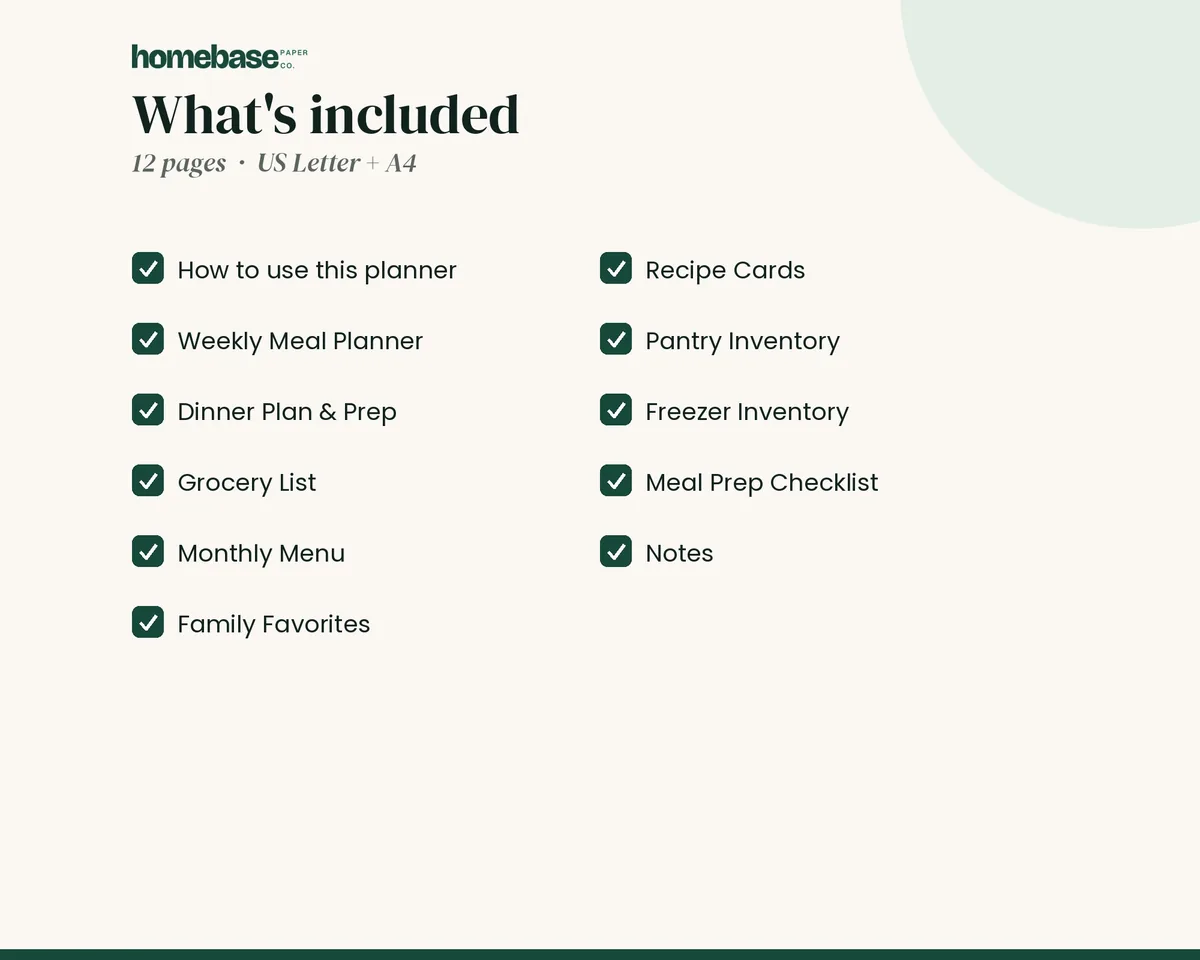
- Meal Planner & Grocery List, $3.99. A weekly menu grid, an aisle-sorted grocery list and a pantry inventory for sauces and spices.
- Family Recipe Binder, $6.99. Fillable recipe pages, dividers and 4x6 cards to note your family's spice level.
- Family Life Admin Bundle, $15.99 (
$23.95bought separately). Includes both printables above plus three more family organizers.
Browse every meal planner and recipe printable in our printables shop. Want a sweeter takeout-style glaze instead? Try our sesame chicken.
Frequently asked questions
What is kung pao chicken? Kung pao chicken is a stir-fried dish from Sichuan, China, made with diced chicken, roasted peanuts, dried red chilies and Sichuan peppercorns in a sweet, sour and savory sauce. American-Chinese versions usually add bell peppers and zucchini and use less heat.
Is kung pao chicken spicy? Kung pao chicken is moderately spicy. The dried chilies add aroma more than fire if you leave them whole, and Sichuan peppercorns add a tingly, numbing feel rather than burn. Use 4 chilies for mild and 12 or more for hot.
What does kung pao sauce taste like? Kung pao sauce tastes savory, tangy and lightly sweet. It is a mix of soy sauce, black or rice vinegar, sugar, a little sesame oil and cornstarch to make it glossy.
Do you have to use Sichuan peppercorns? No, the dish still tastes great without them, but you lose the signature tingle. Look for them in Asian markets or the spice aisle of larger grocery stores, and toast them briefly before using.
What is the difference between kung pao chicken and General Tso's chicken? Kung pao chicken is stir-fried with peanuts and dried chilies in a lighter, tangy sauce. General Tso's chicken is battered, deep-fried and coated in a thicker, sweeter sauce.
Can I make kung pao chicken without peanuts? Yes, swap the peanuts for roasted cashews if tree nuts are safe for your family, or use roasted sunflower seeds or crunchy water chestnuts for a nut-free version. Use a peanut-free oil and check every sauce label.
What do you serve with kung pao chicken? Serve kung pao chicken with steamed white or brown rice, plus a simple vegetable side like stir-fried green beans, bok choy or a cucumber salad to cool the heat.
How long does kung pao chicken last in the fridge? Kung pao chicken keeps 3 to 4 days in the refrigerator when chilled within 2 hours. The peanuts soften over time, so add extra fresh ones when you reheat.
How do I add kung pao chicken to a weekly meal plan? The Meal Planner & Grocery List ($3.99) from HomeBase Paper Co. gives you a weekly menu and an aisle-sorted grocery list, so the chicken, peanuts and pantry sauces go on one trip. It prints on US Letter paper.
Where should I save my kung pao chicken recipe? The Family Recipe Binder ($6.99) from HomeBase Paper Co. has fillable recipe pages and dividers, so you can note your family's spice level and swaps on the same page as the recipe.
Can I get the meal planner and recipe binder together? The Family Life Admin Bundle ($15.99, $23.95 bought separately) from HomeBase Paper Co. pairs the weekly meal planner and the recipe binder with three more household printables, so takeout copycats and the rest of family life share one system.
Sources
- FoodSafety.gov: Safe minimum internal temperatures foodsafety.gov
- FDA: Food allergies, what you need to know fda.gov
- USDA FSIS: Leftovers and food safety fsis.usda.gov