The short answer: protein powder is a concentrated protein supplement (usually whey, casein or plant-based) that can help you hit a daily protein target when food alone falls short. Most healthy people can meet needs from meals; powder is optional.
- Types: whey (fast), casein (slow), plant (soy or pea-rice blends)
- How to choose: protein per scoop, ingredients, third-party testing, diet fit
- Best use: one planned scoop as a top-up, not a meal replacement
- Next step: Plan meals first with the Meal Planner & Grocery List ($3.99). Free download: the daily food log (we email it to you).
Supplement facts checked against NIH ODS and FDA guidance on November 5, 2026. This page does not rank or taste-test brands.
Protein powder is dried, concentrated protein you mix into liquid or food. It shows up in searches for “best protein powder,” but the useful question is whether you need a powder at all, which type fits your diet, and how to put it on a real meal plan next to eggs, beans, yogurt and meat. Below is a practical resource guide: types, how to read a label, a sample day of food plus one optional scoop, and planning tips. We do not invent lab tests, taste rankings or “editor picks.”
Protein powder types
| Type | Source | Digestion | Best fit |
|---|---|---|---|
| Whey concentrate | Milk | Fast | Everyday shakes; contains some lactose |
| Whey isolate | Milk (more filtered) | Fast | Lower lactose; higher protein per scoop |
| Casein | Milk | Slow | Night or long gaps between meals |
| Soy | Soybeans | Moderate | Complete plant protein |
| Pea / rice / hemp blends | Plants | Moderate | Vegan or dairy-free diets |
Whey and casein come from milk. Whey digests quickly; casein forms a thicker gel and digests more slowly. Plant powders vary: soy is a complete protein on its own, while many pea or rice powders are sold as blends so the amino acid profile is more complete. Egg-white powder is another dairy-free animal option.
The NIH Office of Dietary Supplements notes that protein supplements can help athletes and active people reach higher protein targets, but food remains the foundation. The FDA Daily Value for protein on U.S. labels is 50 grams a day as a general label reference; your personal need depends on body size, age and activity.
How to choose a protein powder (no fake rankings)
Skip “best of” lists that claim secret lab scores unless you can see the methods. Use the Supplement Facts panel instead.
- Protein per serving. Aim for about 20 to 25 grams per scoop for a typical adult top-up. Check the serving size in grams, not just scoops.
- Added sugars and fillers. Flavored powders often add sugar or sugar alcohols. If you want a plain base, buy unflavored and sweeten with fruit.
- Allergens and diet. Dairy-free, soy-free or gluten-free needs should show clearly on the label.
- Third-party testing. Look for NSF Certified for Sport, Informed Choice or USP marks when you want extra quality checks. These marks are not required by law.
- Cost per 20 grams of protein. Divide the tub price by the number of servings, then adjust if a scoop gives more or less than 20 grams.
The FDA dietary supplements page explains that supplements are regulated differently from drugs: manufacturers are responsible for safety and labeling before products go to market. Report problems through FDA channels if a product makes you ill.
Do you need protein powder?
Many people hit their protein target with Greek yogurt, eggs, cottage cheese, chicken, fish, tofu, beans and lentils. Powder helps when:
- You struggle to eat enough protein at breakfast
- You train hard and need a convenient top-up
- Travel or busy days leave a long gap between meals
- You follow a vegetarian or vegan pattern and want a reliable scoop
If you have kidney disease or take prescription medications, ask a clinician before adding high-protein supplements. NIH ODS consumer guidance on dietary supplements is a plain-language overview of how supplements fit next to food and medicine.
For whole-food ideas first, see our high protein meals and high protein meal prep guides.
Sample day: food first, powder optional
This sample day for one adult uses ordinary grocery foods and one optional scoop. Protein grams are rounded from typical USDA FoodData Central values for plain foods; flavored products differ.
| Meal | What to eat | About protein |
|---|---|---|
| Breakfast | 2 eggs + 1 cup 2% milk + fruit | ~22 g |
| Lunch | 3 oz chicken breast + beans + salad | ~35 g |
| Snack (optional) | 1 scoop whey or plant powder in water or milk | ~20–25 g |
| Dinner | Firm tofu stir-fry or fish + rice + vegetables | ~25–30 g |
| Day total (with scoop) | about 100–110 g | |
| Day total (food only) | about 80–85 g |
Swap the scoop for an extra cup of Greek yogurt or a can of tuna if you prefer food-only days. Write the choice into your weekly plan so powder does not become an unplanned extra expense.
How protein powder fits meal planning
Treat powder like any other pantry item:
- Put it on the plan. Mark “shake” on one busy morning or post-workout slot, not every meal.
- Buy for the week you will use. An open tub lasts months if stored cool and dry; you do not need a new flavor every payday.
- Pair with fiber. Add fruit, oats or a handful of spinach to shakes so they keep you full longer.
- Keep recipes together. Smoothie and overnight-oat formulas belong with your other family recipes.
Use the Meal Planner & Grocery List ($3.99) to schedule food meals first, then one optional shake. Keep shake recipes in the Family Recipe Binder ($6.99), or get both in the Family Life Admin Bundle ($15.99, $23.95). Browse all printables and bundles.
Common mistakes with protein powder
- Replacing every meal with a shake. You miss fiber, phytochemicals and the satisfaction of real food.
- Ignoring the label. “Protein blend” can mean a little whey plus a lot of cheaper filler.
- Stacking multiple supplements. Creatine, pre-workouts and powders can overlap caffeine and sweeteners.
- Chasing brand rankings. Marketing “taste tests” are not the same as independent lab data for purity or heavy metals.
- Skipping food protein. Eggs, dairy, legumes and meat are usually cheaper per gram than boutique powders.
Quick FAQ-style tips
Travel: single-serve packets beat a bulky tub. Kids and teens: ask a pediatric clinician before adding adult sports supplements. Baking: whey and some plant powders work in pancakes and energy bites; start with a small swap so texture stays pleasant. Budget: store-brand whey concentrate is often enough if the Supplement Facts look clean.
Protein powder is a tool. Plan the week’s meals, hit most of your protein from the grocery list, and use a scoop only when it clearly helps.
Make it easier
Tools for this
 Starter pick
Printables
Meal Planner & Grocery List
Weekly meals, a grocery list sorted by aisle, and pantry and freezer inventories so you shop once and waste less.

Printables
Family Recipe Binder
Section dividers, four recipe page layouts with room for the family story, 4x6 and 3x5 cards and a conversion chart - print it or type into the fillable version.
 Save 33%
Bundles
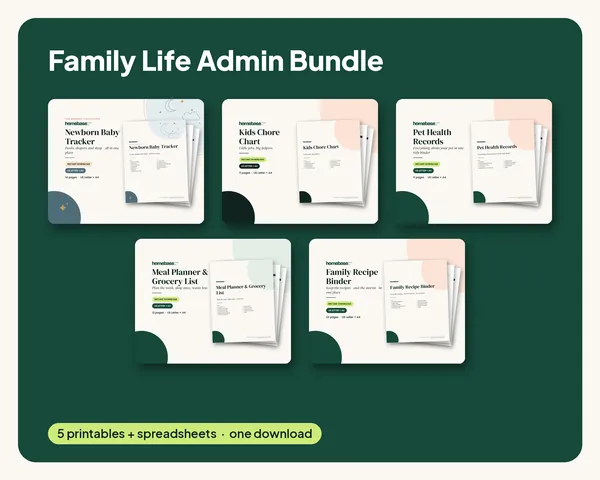
Family Life Admin Bundle
Baby logs, chore charts, pet records, meal plans and family recipes in one tidy set.
Frequently asked questions
What is protein powder? Protein powder is a dietary supplement made from milk (whey or casein), eggs, soy, peas, rice, hemp or blended plant proteins. It is concentrated protein you mix into liquid or food. The NIH Office of Dietary Supplements notes that most healthy people can meet protein needs from food alone.
What is the best protein powder? The best protein powder is the one that matches your diet, digestion and goals: whey isolate for fast, low-lactose dairy protein; casein for slower digestion; and a soy or pea-rice blend for plant-based diets. Compare the Supplement Facts panel for protein per serving, added sugars and third-party testing rather than marketing claims.
Is whey or plant protein better? Whey is a complete dairy protein that digests quickly. Plant powders from soy, or blends of pea and rice, can also supply complete amino acids when chosen carefully. Neither is universally better; whey suits most people who eat dairy, and plant powders suit vegan or dairy-free diets.
How much protein powder should I use per day? Many people use one scoop (about 20 to 25 grams of protein) once a day as a top-up, not as a meal replacement. The RDA for protein is 0.8 grams per kilogram of body weight for healthy adults, and athletes often aim higher under professional guidance. Food should still supply most of your protein.
When should I drink protein powder? Any time of day works if it helps you hit your protein target. Common times are after a workout, as part of breakfast or as an afternoon snack when a full meal is not practical. Timing matters less than the total protein you eat across the day.
Is protein powder safe? The FDA regulates dietary supplements differently from drugs, and manufacturers are responsible for product safety and labeling. Choose products with clear Supplement Facts, avoid megadoses, and talk with a clinician if you have kidney disease or other conditions. The NIH ODS fact sheets are a good starting point for evidence-based background.
Can protein powder replace meals? Protein powder is a supplement, not a meal. A shake with milk or a plant milk, fruit and oats can work as an occasional quick breakfast, but most days you still want whole-food meals with fiber, vitamins and minerals that powder alone does not provide.
How do I fit protein powder into a weekly meal plan? The Meal Planner & Grocery List ($3.99) from HomeBase Paper Co. has room to mark one shake day alongside real meals, so the powder stays a planned top-up instead of a random snack.
Where can I keep high-protein recipes that use powder? The Family Recipe Binder ($6.99) from HomeBase Paper Co. has fillable recipe pages for smoothie and overnight-oat recipes that call for a scoop, so they stay with your other family meals.
Is there a bundle with the meal planner and recipe binder? Yes, there is a bundle with the meal planner and recipe binder. The Family Life Admin Bundle ($15.99, $23.95 bought separately) from HomeBase Paper Co. includes the Meal Planner & Grocery List, the Family Recipe Binder and three more household printables.
More from HomeBase
You may also like

Printables
Household Binder
Family info, emergency plan, calendars, meals, groceries, cleaning, bills and sitter notes.
Printables
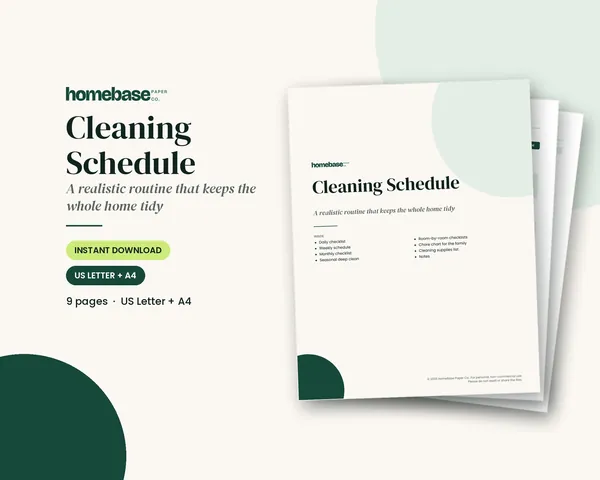
Cleaning Schedule
Daily, weekly, monthly and seasonal lists - plus a family chore chart.
Printables
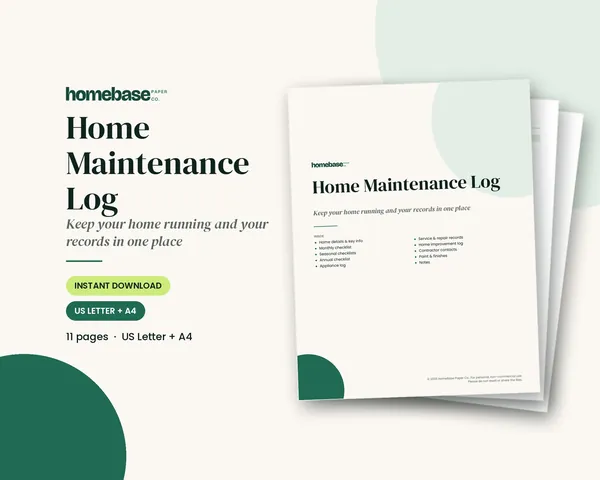
Home Maintenance Log
Monthly, seasonal and annual checklists plus a record of every appliance and repair.
Printables
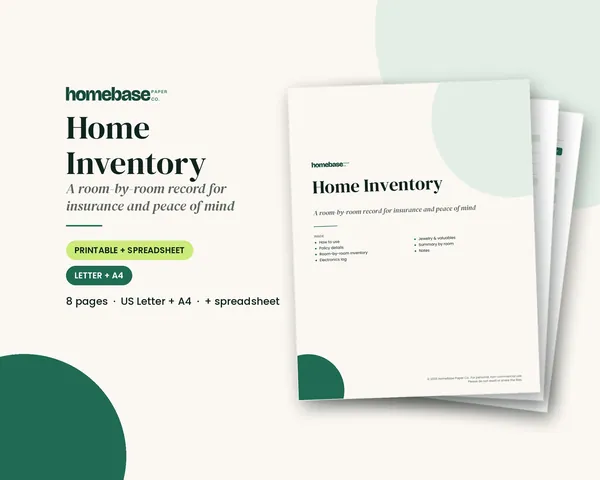
Home Inventory
Printable pages and a spreadsheet that totals the value of every room.
 Club
Monthly club
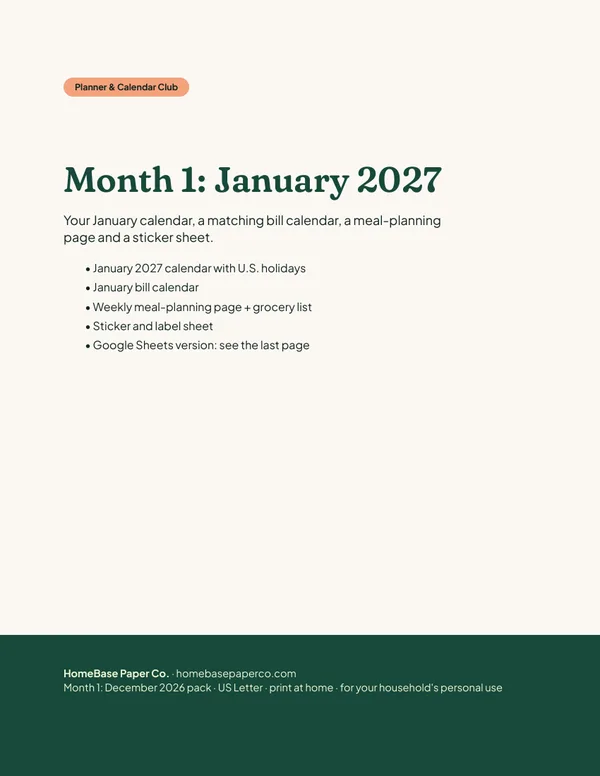
Planner & Calendar Club
Anyone who wants a monthly calendar, bill calendar and meal plan ready to print.
Free printable
Save the family favorites: get the free recipe book pages
Printable recipe pages and a recipe request card to send to relatives, so the dishes everyone loves end up in one book. You'll also get our weekly HomeBase email with easy meal planning ideas and family recipe tips.