

The short answer: this red beans and rice recipe soaks 1 pound of dried red beans, drains them, boils them hard for 30 minutes in fresh water with andouille and the onion, pepper and celery trinity, then simmers about 2 hours until creamy. It serves 8 over white rice.
- Key numbers: 1 lb dried red kidney beans · 1 lb andouille · 10 cups liquid · 2 cups dry rice · serves 8
- Safety rule: soak, drain, boil in fresh water, and never cook dried kidney beans in a slow cooker
- Next step: get the free recipe book starter pages (we email it to you), or keep the pot notes in the Family Recipe Binder ($6.99)
Our picks for red beans and rice recipe
 Starter pick
Printables
Meal Planner & Grocery List
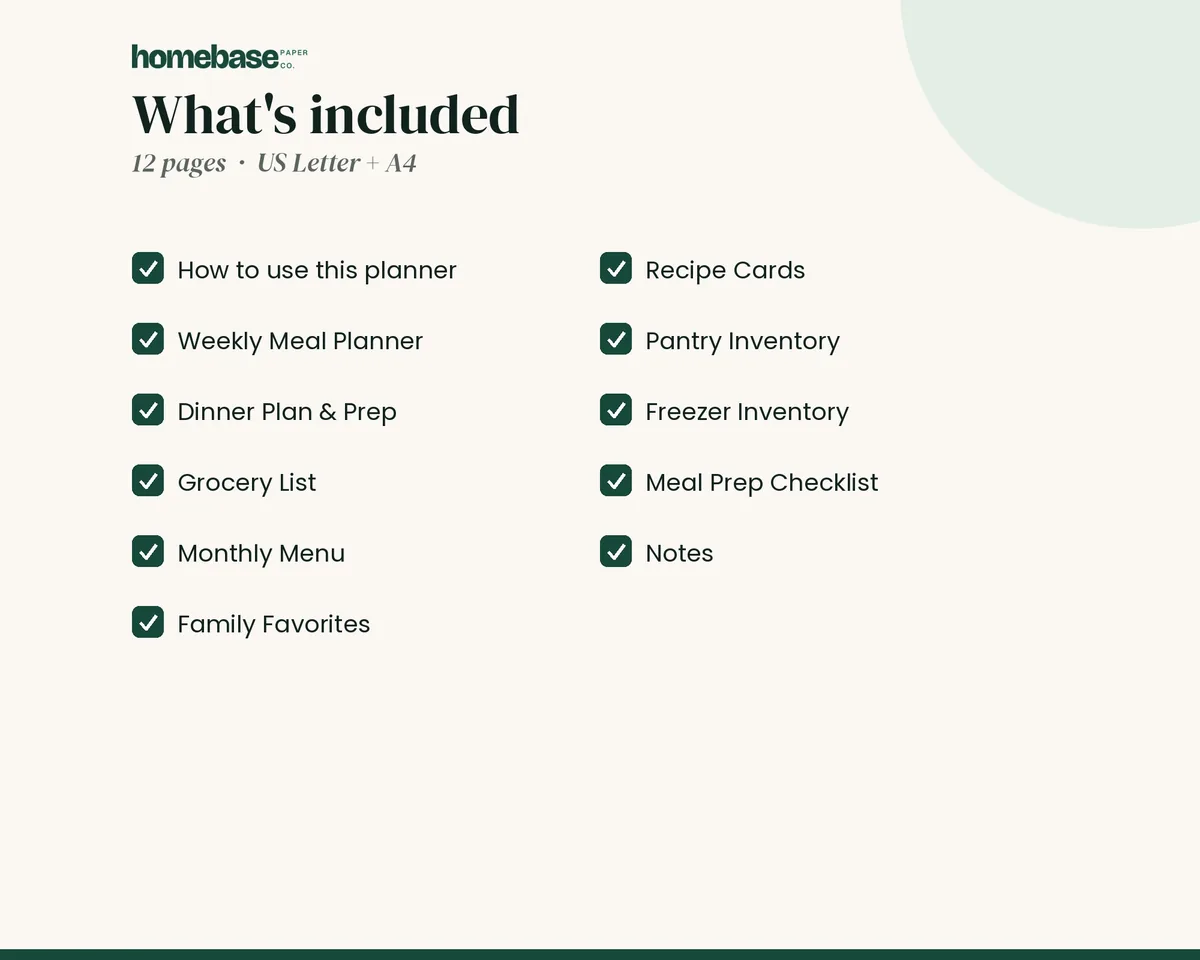
Weekly meals, a grocery list sorted by aisle, and pantry and freezer inventories so you shop once and waste less.
Printables
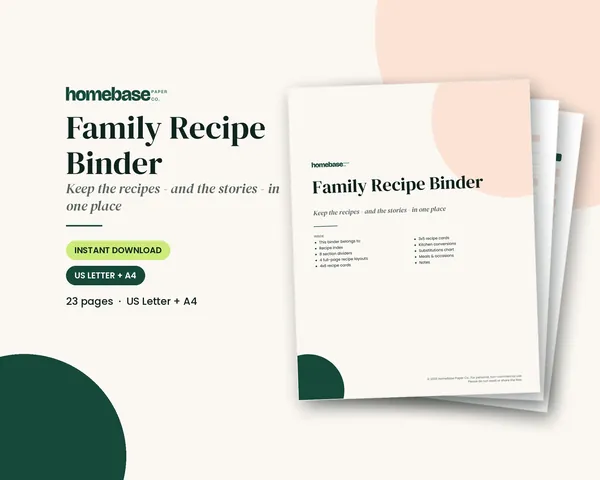
Family Recipe Binder
Section dividers, four recipe page layouts with room for the family story, 4x6 and 3x5 cards and a conversion chart - print it or type into the fillable version.
Prep time: 30 minCook time: 3 hr 4 minTotal time: 8 hr 34 minServings: 8 servingsTotal includes 5 hr of resting, chilling or rising.
Louisiana red beans and rice is a slow pot of seasoned beans spooned over plain white rice. The beans should be soft enough to crush with a spoon and the liquid thick and creamy, not soupy. Smoked sausage and a ham hock give it the smoky backbone. Most of the time is hands-off simmering.
Red beans and rice ingredients
Serves 8.
| Ingredient | Amount | Notes |
|---|---|---|
| Dried red kidney beans | 1 pound (about 2 1/2 cups) | Small red beans also work |
| Andouille or smoked sausage | 1 pound | Sliced into 1/4-inch coins |
| Smoked ham hock | 1, optional | Or a leftover ham bone |
| Oil or bacon fat | 2 tablespoons | For browning |
| Yellow onion | 1 large, diced | Part of the trinity |
| Green bell pepper | 1, diced | Part of the trinity |
| Celery | 2 ribs, diced | Part of the trinity |
| Garlic | 4 cloves, minced | |
| Bay leaves | 2 | Remove before serving |
| Dried thyme | 1 teaspoon | |
| Cayenne pepper | 1/4 to 1/2 teaspoon | To taste |
| Black pepper | 1 teaspoon | |
| Water or low-sodium chicken stock | 10 cups | Add more if it gets thick early |
| Salt | To taste | Add near the end |
| Long-grain white rice | 2 cups dry | About 6 cups cooked |
| Green onions and hot sauce | For serving |
Salt goes in late because the sausage and ham hock are already salty. Taste after the beans are soft, then season.
How to make red beans and rice
- Soak the beans. Rinse the dried beans, pick out any stones, and cover them with several inches of cold water. Soak at least 5 hours or overnight. Drain and discard the soaking water.
- Brown the sausage. Heat the oil in a large Dutch oven over medium-high. Brown the sausage coins for 5 to 6 minutes, then move them to a plate and leave the fat in the pot.
- Cook the trinity. Add the onion, bell pepper and celery. Cook over medium for 6 to 8 minutes, until soft. Stir in the garlic, thyme, cayenne and black pepper for 1 minute.
- Boil the beans. Add the drained beans, the ham hock, the bay leaves and 10 cups of fresh water or stock. Bring the pot to a full rolling boil and keep it boiling for 30 minutes, stirring now and then so nothing sticks.
- Simmer until soft. Lower the heat to a steady simmer, partly cover, and cook 1 1/2 to 2 hours, stirring every 20 minutes and adding hot water if the beans poke above the liquid. The beans are done when they crush easily against the pot.
- Make it creamy. Pull out the ham hock and bay leaves. Mash about 1 cup of beans against the side of the pot with a spoon and stir them back in. Return the sausage and any meat picked from the hock. Simmer uncovered 15 to 20 minutes, until thick.
- Cook the rice and season. While the beans finish, cook 2 cups of rice by the package directions. Taste the beans and add salt and more cayenne. Serve the beans over rice with sliced green onions and hot sauce.
Why the 30-minute boil matters
Dried red kidney beans contain a natural lectin called phytohaemagglutinin. The FDA's Bad Bug Book says raw or undercooked kidney beans can cause extreme nausea, severe vomiting and diarrhea, and that cooking the beans properly destroys the toxin. It cites advice to soak the beans in water for at least 5 hours, pour the water away, and boil them in fresh water for at least 30 minutes.
The same FDA handbook says slow cookers should not be used to cook these beans or dishes that contain them, because slow cookers do not get hot enough to destroy the toxin. That is why this page has no slow cooker version for dried beans. A pot that only gently steams on the back burner is not a boil. Look for big, rolling bubbles across the whole surface for the full 30 minutes before you turn it down.
Red kidney beans have the highest levels of the lectin, according to the FDA, but the toxin is found in many beans. Treat small red beans the same way. Canned kidney beans are already cooked, so they do not need the long boil.
Beans, sausage and seasoning swaps
- Small red beans: a little smaller and creamier, with the same soak, drain and boil steps. Check for doneness after 1 hour 15 minutes of simmering.
- Canned beans: use three 15-ounce cans, drained and rinsed, with 3 cups of stock. Skip the soak and the long boil, and simmer about 30 minutes after the trinity is soft.
- Sausage: andouille is the classic. Any smoked pork or turkey sausage works. Kielbasa is milder, so add more cayenne.
- Ham hock or ham bone: either gives smoky depth. A leftover holiday ham bone is a good use of scraps, and the same bone also makes ham and bean soup, which is a brothier, white-bean dish.
- Vegetarian: skip the meat, use vegetable stock, and add 1 teaspoon smoked paprika plus 2 tablespoons of butter or olive oil at the end for richness.
- Heat: cayenne, a pinch of red pepper flakes, or a few dashes of hot sauce in the pot. Many people add more hot sauce at the table.
- Creole seasoning: replace the thyme, cayenne and black pepper with 1 to 2 tablespoons of a Creole or Cajun blend. Taste before adding salt, since many blends contain it.
Troubleshooting
The beans are still hard after 2 hours. Old dried beans take longer. Keep simmering and add hot water as needed. Acidic additions such as tomatoes or vinegar can slow softening, so save them for the end.
It is too soupy. Mash more beans and simmer uncovered for another 15 minutes. The liquid also thickens as it cools.
It is too thick or sticking. Add hot water 1/2 cup at a time and lower the heat. Scrape the bottom with a flat wooden spoon so the scorched layer does not spread.
It tastes flat. Add salt first, then a splash of hot sauce or a teaspoon of vinegar. Acid brightens a long-cooked pot.
What to serve with red beans and rice
Plain long-grain white rice is traditional, and the beans go on top, not mixed in. Skillet cornbread soaks up the liquid. A simple green salad, collard greens or sliced tomatoes cut the richness. For a Louisiana-style spread, pair it with a pot of gumbo on another night of the week so both use the same trinity prep.
The rice cooks while the beans finish. Two cups of dry rice makes about 6 cups cooked, enough for 8 bowls. For other ways to use a bag of rice across the week, see our rice recipes.
Make-ahead, storage and reheating
Red beans and rice tastes better on day two, so it is a good Sunday cook for Monday dinner. Cool the beans and the rice in separate shallow containers. FDA safe food handling guidance says to refrigerate cooked food within 2 hours, or within 1 hour if it is above 90°F outside, and to reheat leftovers to 165°F on a food thermometer.
Cleveland Clinic notes that leftovers can be kept in the fridge for 3 to 4 days or frozen for 3 to 4 months. Freeze the beans and sausage without the rice, in flat bags or quart containers, and cook fresh rice when you reheat. Thin the reheated beans with a splash of water, since they thicken in the fridge.
Cooked rice has its own storage window. The details are in how long cooked rice is good for.
A budget pot for a week of dinners
A 1-pound bag of dried beans, one onion, one pepper, two ribs of celery and a pound of sausage feed 8 people. Dried beans and rice are pantry staples, so most of the pot comes from inexpensive ingredients. The ham hock is optional, and a saved ham bone costs nothing extra. Stretch it further by using half the sausage and adding an extra cup of rice.
Plan it as two meals: beans over rice the first night, then leftovers frozen in portions for a busy night later in the month. For more meals in the same spirit, browse our cheap meal ideas.
Plan the pot
Put the soak on the menu the night before so the beans are ready when you start the pot.
- Meal Planner & Grocery List, $3.99. A weekly menu with a spot for the overnight soak and an aisle-sorted grocery list.
- Family Recipe Binder, $6.99. Write down your bean brand, simmer time and how much cayenne your family likes.
Browse more kitchen printables in the printables shop.
Want the starter pages by email? Get the free recipe book pages (we email them to you).
Frequently asked questions
How do you make red beans and rice? Red beans and rice is made by soaking dried red beans, boiling them hard in fresh water, then simmering them for about 2 hours with andouille, onion, bell pepper, celery, garlic, bay and thyme until creamy. Spoon the beans over white rice.
Do you have to soak beans for red beans and rice? Soaking the beans for red beans and rice is the safer, more reliable route. An FDA handbook on kidney bean toxin cites advice to soak the beans for at least 5 hours, pour off the water, and boil them in fresh water for at least 30 minutes.
Why do red kidney beans need to boil? Red kidney beans for red beans and rice need a real boil because raw or undercooked kidney beans contain a natural lectin called phytohaemagglutinin. The FDA says proper cooking destroys it and advises boiling the beans for at least 30 minutes.
Can you make red beans and rice in a slow cooker? Red beans and rice made from dried kidney beans should not be cooked in a slow cooker. The FDA says slow cookers do not get hot enough to destroy the toxin in kidney beans and should not be used for these beans or dishes that contain them.
What beans are used in red beans and rice? Louisiana red beans and rice is usually made with dried red kidney beans; small red beans also work. Both are the same bean species, so soak, drain and boil small red beans the same way.
How do you make red beans and rice creamy? Red beans and rice turns creamy when the beans simmer long enough to soften fully, then you mash about 1 cup of beans against the side of the pot and stir them back in. Simmer uncovered for the last 15 to 20 minutes to thicken.
Can you use canned beans for red beans and rice? Red beans and rice can be made with canned red kidney beans, which are already cooked. Use three 15-ounce cans, drained and rinsed, with 3 cups of stock, and simmer about 30 minutes so the flavors blend.
How long do red beans and rice leftovers last? Red beans and rice leftovers last 3 to 4 days in the refrigerator if they go in within 2 hours of cooking. Store the beans and the rice in separate shallow containers and reheat to 165°F.
Can you freeze red beans and rice? Red beans and rice beans freeze well for about 3 to 4 months. Freeze the beans and sausage without the rice, in flat portions, and cook fresh rice when you reheat.
Where can I keep my red beans and rice recipe? The Family Recipe Binder ($6.99) from HomeBase Paper Co. has fillable recipe pages, so your soak time, boil step and seasoning notes stay together for the next pot.
Sources
- FDA: Bad Bug Book, Phytohaemagglutinin (kidney bean lectin) fda.gov
- FDA: Safe food handling fda.gov
- Cleveland Clinic: How long are leftovers good for? health.clevelandclinic.org