The short answer: this lemonade recipe dissolves 1 cup of sugar in 1 cup of hot water, cools it, then stirs it into 1 cup of fresh lemon juice and 4 cups of cold water. That is a 1 : 1 : 1 : 4 ratio, and it makes about 6 1/2 cups, enough for 6 glasses over ice.
- Key numbers: 4 to 6 lemons · 1 cup sugar · 1 cup hot water · 4 cups cold water · 10 minutes hands-on
- The rule that matters: dissolve the sugar first, then dilute, then taste and adjust
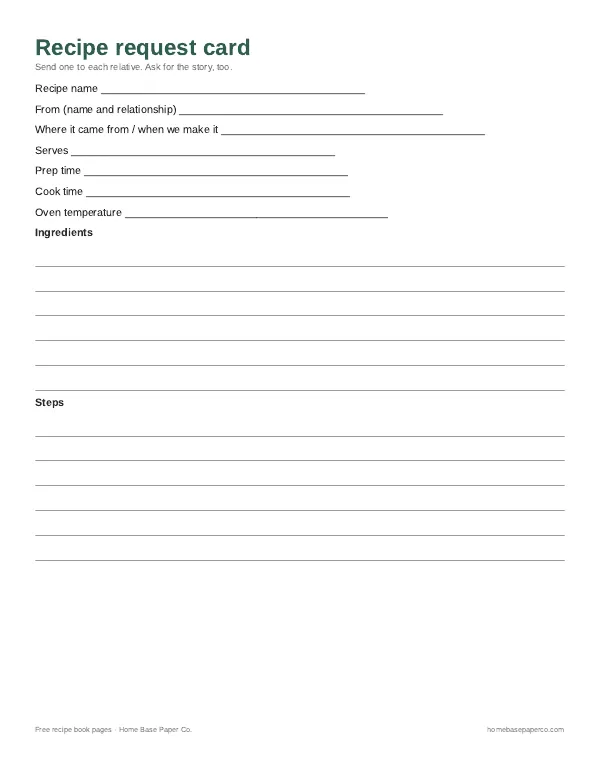
- Next step: get the free recipe book starter pages (we email it to you), or keep your ratio in the Family Recipe Binder ($6.99)
Our picks for lemonade recipe
 Starter pick
Printables
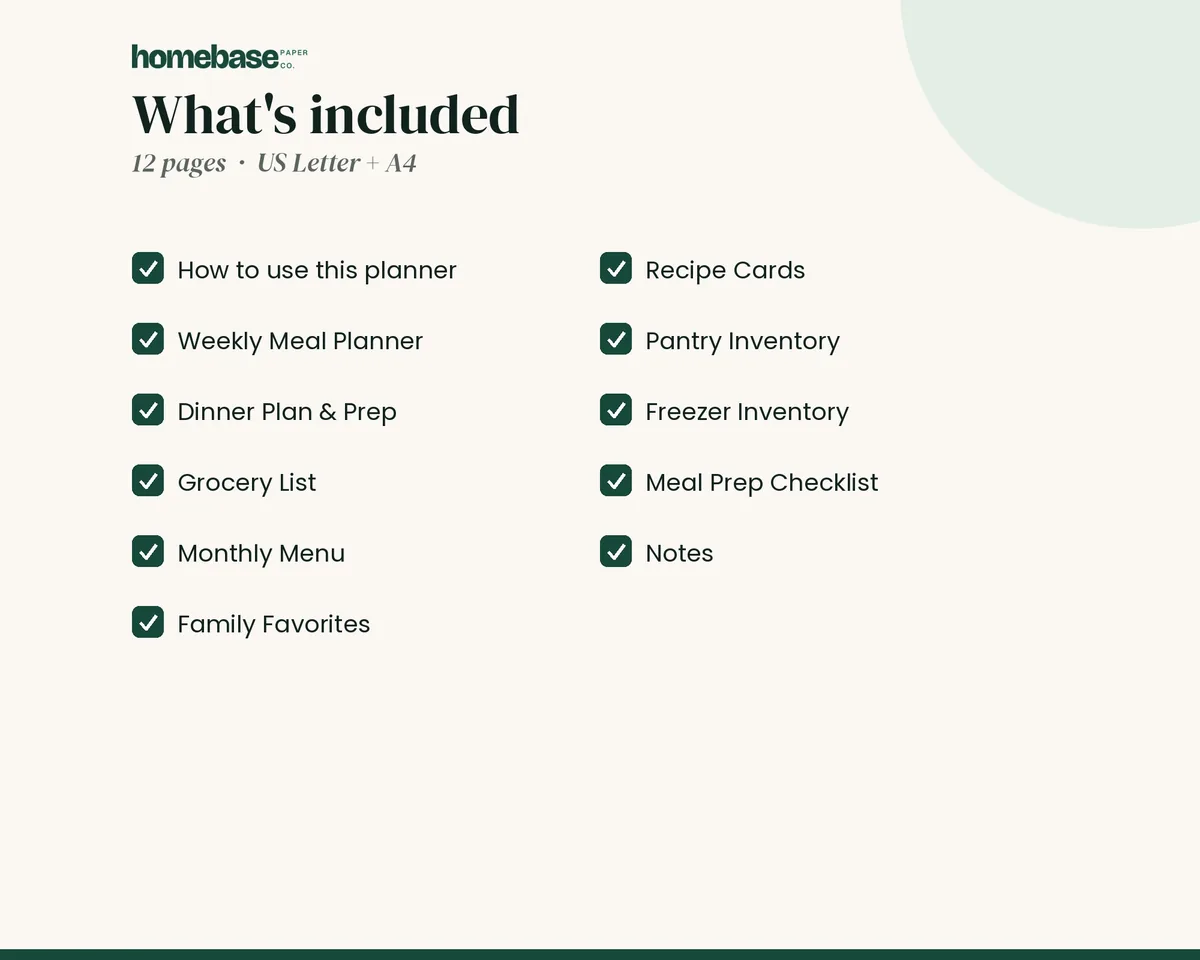
Meal Planner & Grocery List
Weekly meals, a grocery list sorted by aisle, and pantry and freezer inventories so you shop once and waste less.
Printables
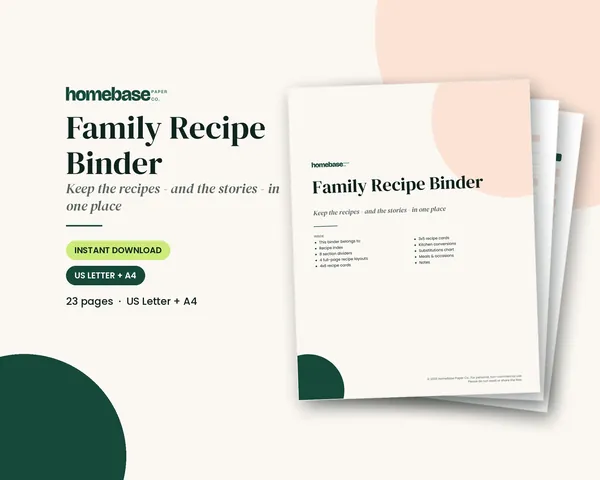
Family Recipe Binder
Section dividers, four recipe page layouts with room for the family story, 4x6 and 3x5 cards and a conversion chart - print it or type into the fillable version.
Prep time: 10 minCook time: 3 minTotal time: 43 minServings: 6 servingsTotal includes 30 min of resting, chilling or rising.
Homemade lemonade comes down to three things: real lemon juice, sugar that is fully dissolved, and enough cold water to balance them. The syrup method below handles the second part, so the pitcher tastes the same from the first glass to the last.
Lemonade ingredients
| Ingredient | Amount | Notes |
|---|---|---|
| Fresh lemons | 4 to 6 medium | For 1 cup of juice; buy 1 or 2 extra |
| Granulated sugar | 1 cup | Use 3/4 cup for a tarter pitcher |
| Hot water | 1 cup | For the syrup |
| Cold water | 4 cups | 3 to 5 cups, to taste |
| Ice | For serving | Add to glasses, not the pitcher |
| Lemon slices or mint | For garnish | Optional |
Makes about 6 1/2 cups of lemonade. Serves 6.
How to make lemonade
- Make the syrup. Combine the sugar and 1 cup of water in a small saucepan over medium heat. Stir until the sugar fully dissolves and the liquid turns clear, about 3 minutes. It does not need to boil. Take it off the heat and let it cool, or set the pan in a bowl of ice water to speed it up.
- Wash and juice the lemons. Rinse the lemons under running water and dry them. Roll each one firmly on the counter to loosen the juice, cut in half crosswise, and squeeze until you have 1 cup. Pour the juice through a fine strainer to catch seeds and most of the pulp.
- Combine. In a 2-quart pitcher, stir together the cooled syrup and the lemon juice. Add 4 cups of cold water and stir well.
- Taste and adjust. Too sour: add syrup or a little more water. Too sweet: add a squeeze of lemon. Too strong: add cold water 1/2 cup at a time.
- Chill and serve. Refrigerate until cold, at least 30 minutes. Pour over ice in glasses and garnish with lemon slices or mint.
Why the syrup method works
Granulated sugar dissolves slowly in cold liquid. Stirred straight into a pitcher of cold lemon juice and water, some of it stays as crystals and sinks, so the first glasses taste sour and the last ones taste syrupy. Dissolving the sugar in hot water first makes a syrup that blends evenly into cold water in a few stirs.
You can make the syrup a day or more ahead and keep it covered in the refrigerator. Then lemonade is a 5-minute job: juice, stir, taste.
No-cook option: stir the sugar directly into the room-temperature lemon juice and keep stirring for a few minutes until it dissolves before adding the cold water. The acid and the small volume help the sugar dissolve. It works, but it takes more stirring than the syrup.
Lemonade ratios at a glance
| Style | Syrup (1:1) | Lemon juice | Cold water | Result |
|---|---|---|---|---|
| Classic | 1 1/2 cups (from 1 cup sugar + 1 cup water) | 1 cup | 4 cups | Balanced, sweet-tart |
| Tart | 1 1/2 cups | 1 1/4 cups | 4 cups | Brighter, more sour |
| Less sweet | About 1 cup (from 3/4 cup sugar + 3/4 cup water) | 1 cup | 4 cups | Lighter on sugar |
| Concentrate | 1 1/2 cups | 1 cup | None yet | Store and dilute later |
The concentrate row is useful for parties and picnics. Keep the syrup and juice mix cold in a jar, then add cold water at the rate of about 4 cups for the full batch when you are ready to serve.
Washing lemons and juice safety
You do not eat lemon peel in lemonade, but the knife still drags whatever is on the outside through the fruit. The FDA's produce safety guidance says to wash all produce thoroughly under running water before preparing it, even if you plan to peel it, because dirt and bacteria can transfer from the outside to the inside when it is cut. The FDA does not recommend washing produce with soap, detergent or commercial produce wash. Dry the lemons with a clean cloth or paper towel. If you zest lemons for garnish or flavor, washing matters even more.
Fresh-squeezed lemonade is unpasteurized juice. The FDA's juice safety page explains that untreated juice can pose health risks, with children, older adults, pregnant women and people with weakened immune systems at the highest risk. For those groups, wash hands and lemons well and cut away damaged spots, or use pasteurized bottled lemon juice instead. The same FDA page notes that most juice sold in the U.S. is pasteurized or otherwise treated; check the label.
Flavor variations
- Strawberry lemonade: blend about 1 cup of hulled, washed strawberries with 1/2 cup of the cold water, strain if you want it smooth, and stir it in. Strawberries also pair with strawberry shortcake for a summer dessert table.
- Raspberry or blueberry: same method as strawberry. Strain raspberries to remove the seeds.
- Mint or basil: drop a handful of washed leaves into the hot syrup, steep 10 minutes, then strain before cooling.
- Ginger: simmer a few slices of fresh ginger in the syrup and strain.
- Sparkling lemonade: make the concentrate, then top each glass with cold sparkling water instead of still water.
- Arnold Palmer style: mix half lemonade and half unsweetened iced tea.
- Honey lemonade: dissolve honey in warm water instead of sugar. Honey is sweeter by volume, so start with about 3/4 cup and taste. Do not give honey to babies under 1 year old.
Juicing tips and troubleshooting
Getting more juice. Room-temperature lemons give up their juice more easily than cold ones. Roll them under your palm on the counter before cutting. A handheld press or reamer gets more out than squeezing by hand.
Bitter lemonade. Bitterness usually comes from the white pith or seeds. Do not twist the rinds hard into the juice, and strain out seeds. If you zest, take only the yellow layer.
Cloudy lemonade. Cloudiness is normal in fresh lemonade and comes from the pulp and lemon oils. Strain through a finer sieve if you want it clearer.
Watery lemonade. Ice melting in the pitcher is the usual cause. Chill the lemonade in the refrigerator and put ice only in the glasses, or freeze some lemonade in an ice cube tray.
Make-ahead and storage
- Syrup: make it ahead and keep it covered in the refrigerator.
- Juice: squeeze lemons the morning of a party and keep the juice covered and cold.
- Finished lemonade: keep the pitcher covered in the refrigerator and drink it within the first few days, while the lemon flavor is bright. Fresh lemon juice dulls as it sits.
- For a crowd: multiply the ratio. A double batch is 2 cups each of sugar, water and lemon juice plus 8 cups of cold water, which fills about a 1-gallon dispenser with room for ice.
Scaling the recipe for a crowd
Multiply every ingredient by the same number. The classic batch makes about 6 1/2 cups and serves 6:
| Batch | Sugar and hot water (each) | Lemon juice | Cold water | Makes about | Lemons needed |
|---|---|---|---|---|---|
| 1x (classic) | 1 cup | 1 cup | 4 cups | 6 1/2 cups | 4 to 6 |
| 2x | 2 cups | 2 cups | 8 cups | 13 cups | 8 to 12 |
| 4x | 4 cups | 4 cups | 16 cups | 26 cups | 16 to 24 |
For a big batch, make the syrup and juice mix ahead (the concentrate row above) and add the cold water and ice at serving time so the pitcher does not water down.
Lemonade for parties on a budget
Homemade lemonade scales easily, and the concentrate keeps the pitcher from watering down at a long outdoor event. Bottled 100 percent lemon juice can be a practical shortcut for a big batch when fresh lemons are pricey out of season; compare the price per cup of juice on the shelf. Pair a big pitcher with easy party food ideas and BBQ chicken for a cookout, and plan the shopping with how to grocery shop on a budget.
Plan the shopping and save the recipe
Add lemons, sugar and ice to the list the same week you plan the cookout menu.
- Meal Planner & Grocery List, $3.99. A weekly menu and an aisle-sorted grocery list.
- Family Recipe Binder, $6.99. Write down your family's lemonade ratio and favorite flavor swaps.
Browse more kitchen printables in the printables shop.
Want the starter pages by email? Get the free recipe book pages (we email them to you).
Keep every family recipe in one binder
Weekly meals, a grocery list sorted by aisle, and pantry and freezer inventories so you shop once and waste less.
$3.99 · Instant download. Print at home or fill it in on screen. Or browse the full Home & Organizing collection.
Frequently asked questions
How do you make homemade lemonade? Homemade lemonade is made by dissolving 1 cup of sugar in 1 cup of hot water, cooling that syrup, then stirring it into 1 cup of fresh lemon juice and 4 cups of cold water. Taste, adjust, and serve over ice.
What is the ratio for lemonade? A classic lemonade ratio is 1 part sugar, 1 part water for the syrup, 1 part lemon juice and 4 parts cold water. Use 3 parts water for a stronger, tarter glass or 5 parts for a lighter one.
How many lemons do you need for 1 cup of lemon juice? Lemonade needs about 4 to 6 medium lemons for 1 cup of juice, depending on their size and juiciness. Buy a couple of extra lemons so you are not short, and use any spares for garnish.
Why use simple syrup in lemonade? Simple syrup makes smoother lemonade because the sugar is already dissolved. Granulated sugar stirred straight into cold lemon juice and water dissolves slowly and can settle at the bottom of the pitcher as gritty crystals.
Can you make lemonade without cooking the sugar? Lemonade can be made without heating the sugar. Stir the sugar into the lemon juice first and keep stirring until it dissolves before adding cold water, or shake sugar and room-temperature water in a sealed jar until clear.
Can you make lemonade with bottled lemon juice? Lemonade can be made with bottled lemon juice, and it is convenient. The flavor is flatter than fresh-squeezed juice, so you may want a little less water. Look for 100 percent lemon juice and taste before serving.
Should you wash lemons before juicing them for lemonade? Lemons for lemonade should be washed under running water before you cut them, even though you do not eat the peel. The FDA notes that bacteria on the outside can transfer to the inside when produce is cut, and recommends against soap or produce washes.
Is fresh-squeezed lemonade safe for kids and pregnant women? Fresh-squeezed lemonade is not pasteurized, and the FDA says untreated juice can pose more risk for children, older adults, pregnant women and people with weakened immune systems. Wash the lemons and your hands well, or choose pasteurized bottled juice for those groups.
How long does homemade lemonade last? Homemade lemonade tastes best within the first few days in the refrigerator, kept covered and cold. Mix the syrup and juice ahead, but add ice only to glasses so the pitcher does not water down.
How do you make pink or strawberry lemonade? Strawberry lemonade is made by blending about 1 cup of hulled, washed strawberries with a little of the water, straining out the seeds if you like, and stirring the purée into the finished pitcher. Taste and add a splash more syrup if needed.
Where can I write down my family's lemonade ratio? The Family Recipe Binder ($6.99) from HomeBase Paper Co. has fillable recipe pages, so your sugar-to-lemon ratio and favorite flavor swaps stay with your other family recipes.
Free printable
Save the family favorites: get the free recipe book pages
Printable recipe pages and a recipe request card to send to relatives, so the dishes everyone loves end up in one book. You'll also get our weekly HomeBase email with easy meal planning ideas and family recipe tips.