

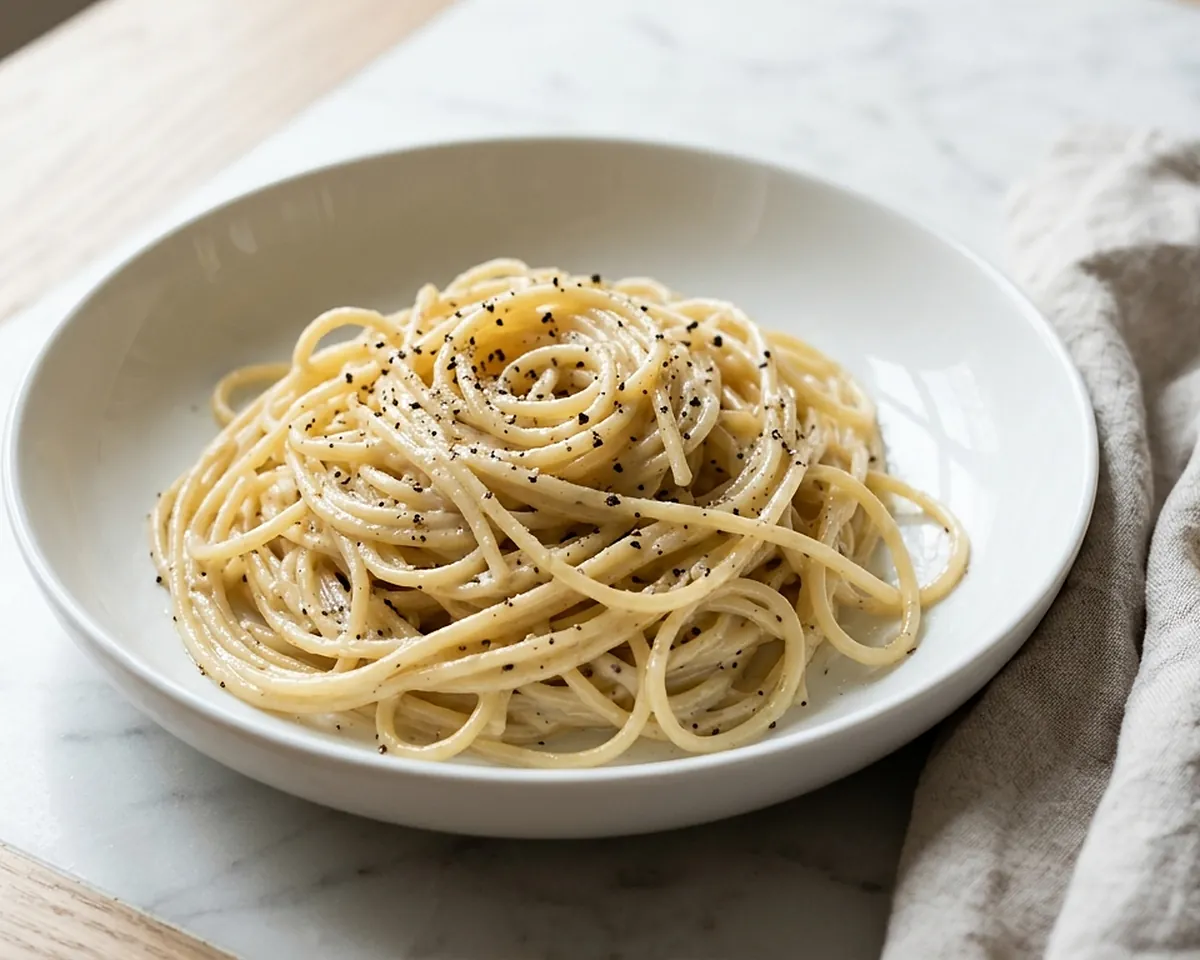
The short answer: cacio e pepe is Roman pasta tossed with Pecorino Romano, cracked black pepper and starchy pasta water into a creamy sauce with no cream, ready in about 20 minutes.
- Key numbers: 12 ounces pasta · 1½ cups finely grated Pecorino · 1-1½ tsp cracked pepper · ~20 minutes · feeds 3-4
- Top moves: toast pepper, save pasta water, grate cheese fine, toss off heat
Prep time: 5 minCook time: 20 minTotal time: 25 minServings: 3 to 4 servings
Amounts and methods for this cacio e pepe recipe were checked November 6, 2026. The sections below cover ingredients, the emulsion method, troubleshooting, sides, storage and planning.
Cacio e pepe ingredients
| Ingredient | Amount | Notes |
|---|---|---|
| Spaghetti, tonnarelli or bucatini | 12 ounces | Classic long shapes |
| Pecorino Romano | About 1½ cups finely grated (3½-4 oz) | Freshly grated melts best |
| Black peppercorns | 1 to 1½ teaspoons, coarsely cracked | Toast before using |
| Kosher salt | For the pasta water | Season the water well |
| Pasta cooking water | About 1 cup reserved | The sauce base |
Serves 3 to 4.
How to make cacio e pepe
- Prep the cheese and pepper. Finely grate the Pecorino into a bowl. Coarsely crack the peppercorns.
- Toast the pepper. Warm a large skillet over medium heat. Add the cracked pepper and toast 30 to 60 seconds until fragrant. Turn off the heat.
- Boil the pasta. Cook pasta in generously salted water for 1 to 2 minutes less than the package time (about 8 to 10 minutes total), until just shy of al dente. Scoop out at least 1 cup of starchy pasta water before draining.
- Start the emulsion. Add about ½ cup hot pasta water to the pepper skillet and swirl. Add the drained pasta and toss for about 1 minute.
- Add the cheese off heat. Sprinkle in Pecorino a handful at a time, tossing constantly and adding pasta water splash by splash for 1 to 2 minutes, until the sauce looks creamy and coats the noodles. Never blast high heat once the cheese is in or it will clump.
- Serve immediately. Taste for salt (Pecorino is salty) and finish with more cracked pepper.
Nutrition (per serving, estimated)
Serving size: 1 serving (1/3 of the recipe).
| Calories | 550 |
|---|---|
| Total fat | 11 g |
| Saturated fat | 6 g |
| Cholesterol | 35 mg |
| Sodium | 480 mg |
| Total carbohydrate | 86 g |
| Dietary fiber | 4 g |
| Total sugars | 3 g |
| Protein | 25 g |
This is an estimate calculated from USDA FoodData Central data for the listed ingredients and amounts. Actual values vary with brands, portions and substitutions.
If you add a protein side (chicken or shrimp), cook it separately to the safe minimum internal temperatures on FoodSafety.gov before plating beside the pasta.
Affiliate links: we may earn a small commission. As an Amazon Associate we earn from qualifying purchases. Details.
A food thermometer such as the Alpha Grillers instant-read thermometer makes that check quick and exact.
Money-saving tip: buy a wedge of Pecorino and grate it yourself; pre-grated cheese often has anti-caking starch that resists a smooth emulsion.
Rate this recipe
Emulsion tips that keep cacio e pepe creamy
| Problem | Likely cause | Fix |
|---|---|---|
| Cheese clumps into paste | Pan too hot or cheese too coarse | Off heat; finer grate; more water |
| Sauce watery | Too much pasta water at once | Add water gradually while tossing |
| Sauce sticky/dry | Not enough pasta water | Loosen with hot water off heat |
| Bland pepper | Pre-ground pepper only | Crack whole peppercorns and toast |
| Overly salty | Heavy water salt + Pecorino | Salt water lightly; taste before adding salt |
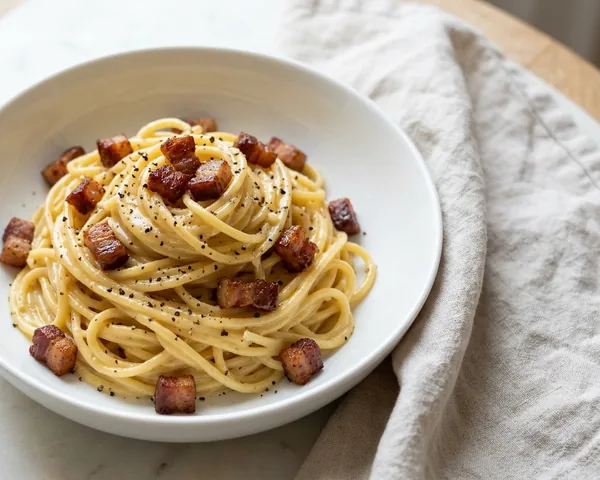
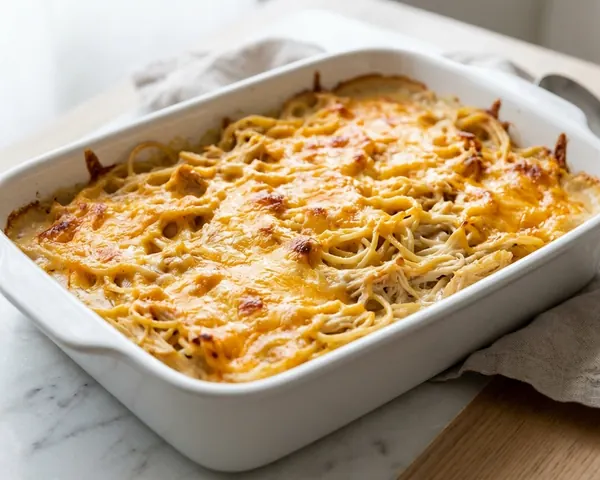
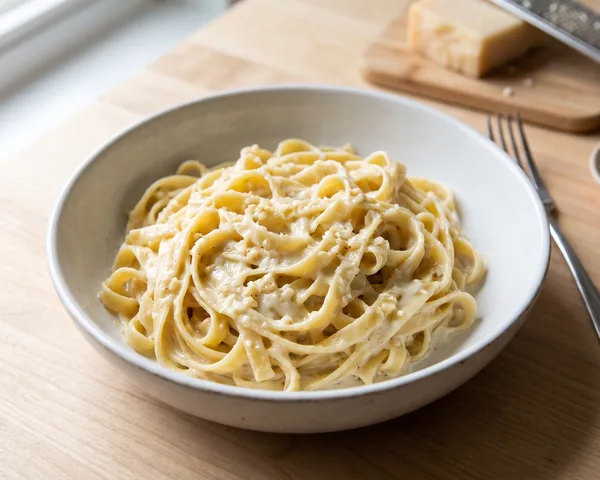
Pair this Roman classic with other pasta nights like carbonara or chicken alfredo when you want a creamier bowl.
Cacio e pepe amounts for 2, 4, 8 and 12 servings
The recipe above uses 12 ounces of pasta and serves 3 to 4. To scale it, multiply the pasta, cheese, pepper and reserved water together. Cook in a pot or skillet wide enough that the pasta can be tossed freely, because the sauce comes together by tossing, not simmering.
| Batch | Pasta | Finely grated Pecorino | Cracked pepper | Reserved pasta water | Serves |
|---|---|---|---|---|---|
| ½ batch | 6 ounces | ¾ cup (about 2 oz) | ½ to ¾ teaspoon | ½ cup | 1 to 2 |
| 1x | 12 ounces | 1½ cups (3½ to 4 oz) | 1 to 1½ teaspoons | 1 cup | 3 to 4 |
| 2x | 24 ounces | 3 cups (7 to 8 oz) | 2 to 3 teaspoons | 2 cups | 6 to 8 |
| 3x | 36 ounces | 4½ cups (10½ to 12 oz) | 3 to 4½ teaspoons | 3 cups | 9 to 12 |
Recipes vary a lot on cheese. The Mediterranean Dish uses 4 ounces of Pecorino Romano for 1 pound of spaghetti, tonnarelli or bucatini, a lighter cheese ratio than the one here, so if your sauce is too rich or salty for your taste, start at the lower end of the range. The same recipe also cooks the pasta in a little less water than usual so the water is extra starchy; boiling in slightly less water than usual works for this recipe too.
Pecorino Romano or Parmesan?
Cacio e pepe is traditionally made with Pecorino Romano only, a sharp, salty sheep's-milk cheese. The Mediterranean Dish also warns against pre-shredded cheese because it does not melt quickly enough to make a creamy sauce. Parmesan is milder and less salty, so a Parmesan version tastes different from the Roman classic and will need more salt. If you mix the two, keep most of the cheese Pecorino and grate both as finely as possible so they melt into the water instead of clumping.
What to serve with cacio e pepe
Keep sides light:
- Simple green salad or salad recipes with lemon
- Roasted broccoli or garlic green beans
- Garlic bread only if you want something to swipe the bowl
For a fuller pasta rotation, browse pasta recipes and easy dinner ideas.
Storing, reheating and freezing
Refrigerate leftovers within 2 hours. USDA guidance says cooked leftovers keep 3 to 4 days in the refrigerator. Reheat gently in a skillet with a splash of water, tossing until hot. The emulsion will not be as silky as fresh.
Airtight glass containers with lids keep leftovers fresh and can go from the fridge to the microwave.
Freezing cooked cacio e pepe is not ideal (cheese sauce texture suffers). If you must stash extras, FoodSafety.gov's cold food storage charts are a useful quality guide for cooked leftovers. Fresh pasta nights usually beat freezer reheats here. To go from scratch, make the noodles with our fresh egg pasta dough and finish them in this sauce.
What to make next
Pair a pasta night with meal planning on a budget when you want the shopping list locked before payday.
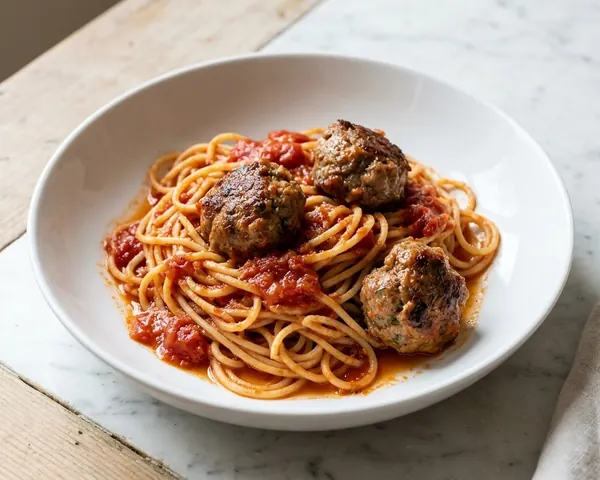
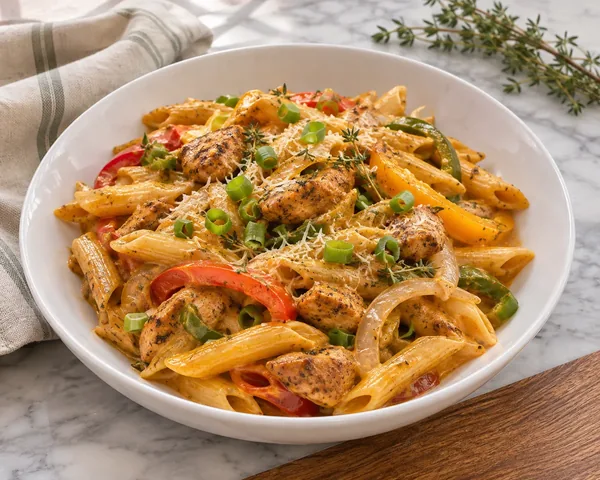
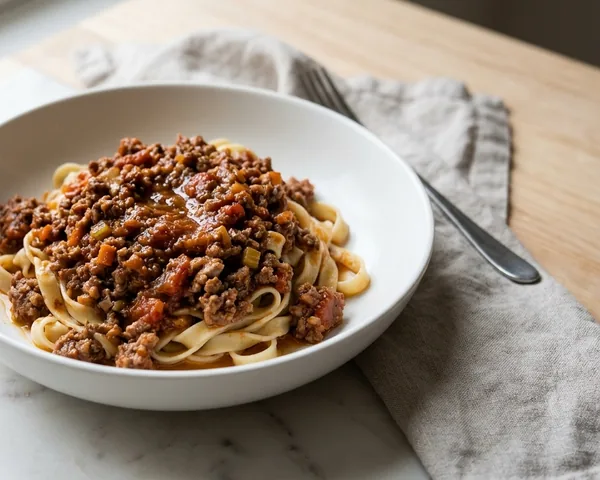
More pasta dinners you'll love
Frequently asked questions
What is cacio e pepe? Cacio e pepe is a Roman pasta dish whose name means cheese and pepper. It combines spaghetti or tonnarelli with Pecorino Romano, lots of freshly cracked black pepper and starchy pasta water to make a creamy emulsion without cream or eggs.
How do you make cacio e pepe? Toast cracked black pepper in a skillet, boil pasta in well-salted water, then toss hot pasta with Pecorino and pasta water off the heat until a glossy sauce coats every strand. Work quickly so the cheese melts into an emulsion instead of clumping.
What cheese is best for cacio e pepe? Pecorino Romano is the classic choice: salty, sharp sheep's-milk cheese that melts into the sauce. Finely grate it so it dissolves. Parmesan can stand in, but the flavor will be milder and less traditional.
Why does my cacio e pepe clump? Cheese clumps when the pan is too hot, the cheese is coarsely grated or there is not enough pasta water. Pull the pan off heat, use finely grated cheese and add water a splash at a time while tossing vigorously.
Do you need cream or butter in cacio e pepe? Traditional cacio e pepe does not use cream, butter or eggs. The creaminess comes from Pecorino plus starchy pasta water. Extra fat can mute the pepper and cheese.
How much black pepper should I use? Be generous: about 1 to 1½ teaspoons coarsely cracked pepper for 12 ounces of pasta is a solid start. Toast it briefly so it smells fragrant, then taste and add more at the table.
Can I make cacio e pepe ahead of time? It is best eaten right away. The emulsion tightens as it cools. You can grate cheese and crack pepper ahead, then cook pasta and sauce when you are ready to eat.
What pasta shape works best? Spaghetti, tonnarelli or bucatini are classic. Short shapes work in a pinch if you keep plenty of pasta water for tossing.
How long do leftovers last? Refrigerate leftovers within 2 hours. USDA guidance says cooked leftovers keep about 3 to 4 days in the refrigerator. Reheat gently with a splash of water; the sauce will not be as silky as day one.
Is cacio e pepe vegetarian? Yes, if your Pecorino is made without animal rennet (check the label) and you skip any meat sides. The base dish is cheese, pepper and pasta only.
Where can I save my family's cacio e pepe recipe? The Family Recipe Binder ($6.99) from HomeBase Paper Co. has fillable recipe pages and dividers, so your pepper amount and pasta shape notes stay with your other family dinners. It prints at home on US Letter paper.
Newsletter
Get the HomeBase email
Fresh tips three times a week, Mon/Wed/Fri, with our deals and new products, from printables, spreadsheets and bundles to paperback planners and apparel, plus simple home, money and planning tips.
Sources
- USDA FSIS: Leftovers and food safety fsis.usda.gov
- FoodSafety.gov: Cold food storage charts foodsafety.gov
- FoodSafety.gov: Safe minimum internal temperatures foodsafety.gov
- The Mediterranean Dish themediterraneandish.com
Made this? Tell us how it went
Your notes help the next cook: what you changed, how long it took, how it turned out.