The short answer: the best easy cookie recipes are classics that use pantry staples and one bowl: chocolate chip, peanut butter, snickerdoodles, sugar cookies, oatmeal and shortbread.
- Drop cookies: 350°F to 375°F for 9 to 12 minutes, until the edges are golden
- Cut-out sugar cookies: chill the dough 1 hour or more, then bake 7 to 10 minutes
- Shortbread: 300°F to 325°F for 15 to 25 minutes
- 40 recipes by type, plus make-ahead and freezing tips
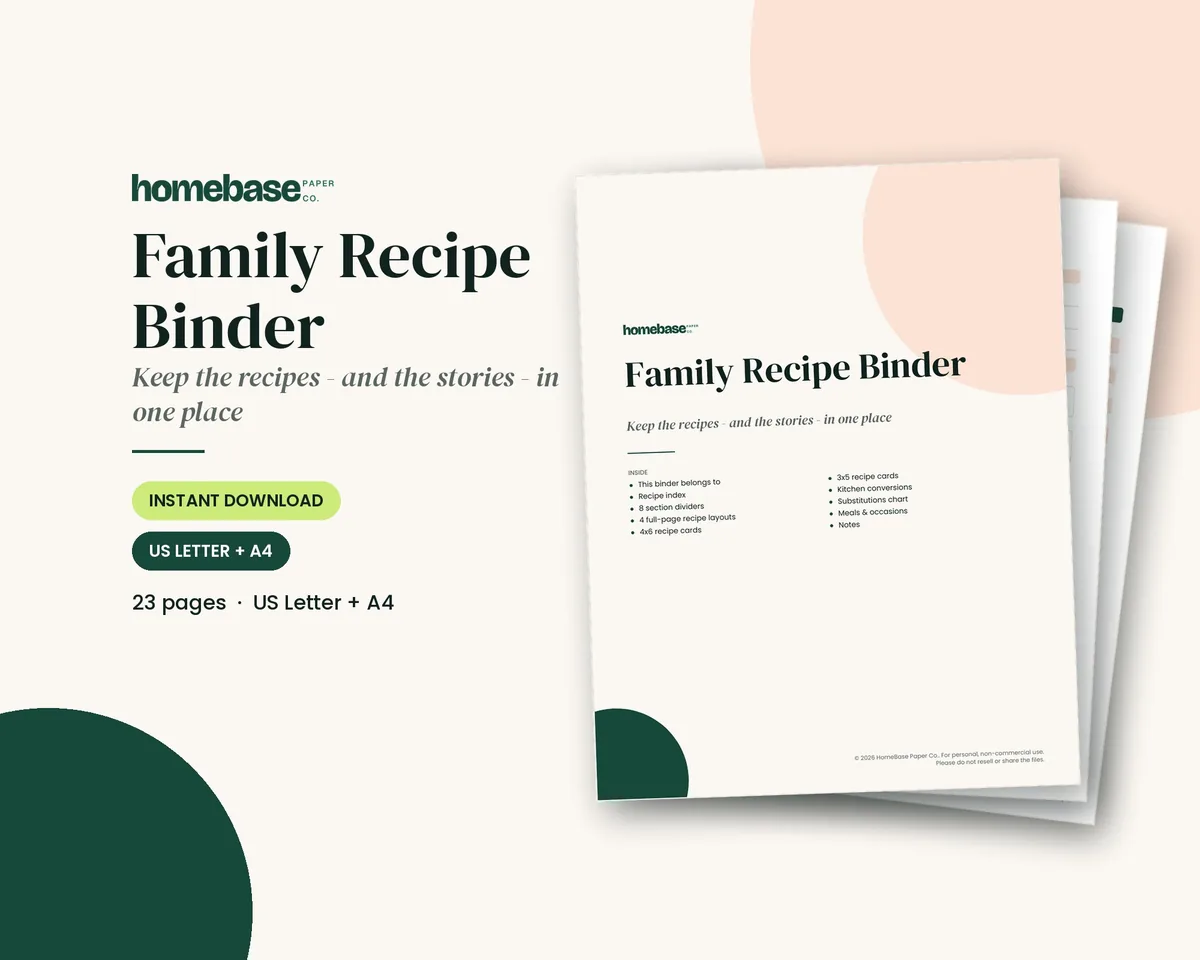
- Next step: Plan it with the Family Recipe Binder ($6.99).
The best easy cookie recipes for home bakers are the classics that use pantry staples and one bowl: chocolate chip cookies, peanut butter cookies, snickerdoodles, sugar cookies, oatmeal cookies and shortbread. Below are 40 cookie recipes grouped by type, a baking chart for time and temperature, the basic method that works for almost every drop cookie, and a starter baking plan you can follow for a weekend or a holiday tray.
Homemade cookies are one of the easiest ways to make an ordinary day feel special, and most of them start with the same short list: butter, sugar, eggs, flour, baking soda and salt. Once a batch turns out right, write it down so it turns out right every time. The Family Recipe Binder ($6.99) has recipe pages with room for oven temperature, bake time and notes like "chill the dough 30 minutes."
Key takeaways
- Most cookie recipes bake at 350°F for 8 to 12 minutes.
- Soft, room-temperature butter makes the dough easier to cream and the cookies more even.
- Measure flour by spooning it into the cup and leveling it, so cookies don't turn out dry.
- Chill soft doughs for 30 minutes to an hour to stop cookies from spreading too thin.
- Take cookies out when the edges are set and the centers still look a little soft.
- Don't eat raw cookie dough made with regular flour and eggs.
Types of cookies and 40 easy cookie recipes
Cookies fall into a handful of types based on how you shape them. Pick a type that fits the time you have, then choose a recipe.
Drop cookies
Drop cookies are scooped onto the pan and spread as they bake. They're the easiest place to start.
- Chocolate chip cookies: the all-time favorite. Our chocolate chip cookies page walks through it.
- Oatmeal raisin cookies: chewy oats, cinnamon and plump raisins.
- Oatmeal chocolate chip cookies: swap the raisins for chips.
- Monster cookies: oats, peanut butter, chocolate chips and candy pieces.
- Pumpkin chocolate chip cookies: soft and cakey. See our pumpkin chocolate chip cookies recipe.
- White chocolate macadamia cookies: buttery with crunchy nuts.
- Double chocolate cookies: cocoa dough with chocolate chunks.
- M&M cookies: colorful candy pressed into the tops before baking.
- Cowboy cookies: oats, coconut, pecans and chocolate chips.
For the oatmeal raisin and oatmeal chocolate chip versions, our guide on how to make oatmeal cookies has the full recipe.
Rolled and cut-out cookies
Rolled cookies are chilled, rolled flat and cut with shapes. They take longer but are perfect for decorating.
- Sugar cookies: the classic cut-out. Our sugar cookies page has the dough and decorating tips.
- Gingerbread cookies: spiced, molasses-rich and sturdy. See our gingerbread cookies recipe.
- Linzer cookies: two cut-outs sandwiched with jam.
- Butter cookies: simple shapes with a sprinkle of sanding sugar.
- Decorated cookies: finish any cut-out with our royal icing recipe.
Shaped and rolled-ball cookies
These cookies are rolled into balls by hand, sometimes in sugar or powdered sugar.
- Peanut butter cookies: pressed with a fork crisscross. See our peanut butter cookies page.
- Snickerdoodles: rolled in cinnamon sugar. Our snickerdoodles recipe explains the cream of tartar.
- Molasses cookies: chewy with crackly sugar tops. See our molasses cookies page.
- Chocolate crinkle cookies: rolled in powdered sugar so they crack as they bake. Try our chocolate crinkle cookies.
- Snowball cookies: nutty butter balls in powdered sugar. See our snowball cookies recipe.
- Thumbprint cookies: a dent filled with jam. Our thumbprint cookies page has filling ideas.
- Peanut butter blossoms: a chocolate kiss pressed in right after baking.
- Lemon cookies: bright crinkle-style cookies with a lemon glaze.
- Ginger snaps: crisp, spicy and great for dunking.
Pressed, sliced and bar cookies
These shapes help when you need a lot of cookies quickly.
- Spritz cookies: pressed through a cookie press into shapes. See our spritz cookies page.
- Shortbread: butter, sugar and flour, pressed into a pan or sliced. Our shortbread cookies recipe covers both.
- Slice-and-bake cookies: roll dough into a log, chill, then slice and bake.
- Pinwheel cookies: two colors of dough rolled together and sliced.
- Biscotti: baked twice for a crunchy dunking cookie.
- Chocolate chip cookie bars: the whole batch pressed into one pan.
- Lemon bars: a shortbread crust with a tart lemon layer.
- Seven-layer bars: graham crust, chips, coconut and condensed milk.
- Oatmeal jam bars: a crumbly oat base and topping with jam in between.
No-bake and kid-friendly cookies
These are good for hot days, beginner bakers and small helpers. For a no-oven treat you can eat by the spoon, try our edible cookie dough, made with heat-treated flour and no eggs.
- No-bake chocolate oatmeal cookies: boiled cocoa, sugar and butter stirred with oats.
- Peanut butter cornflake cookies: a crunchy no-bake treat.
- Haystacks: melted butterscotch or chocolate with crispy noodles.
- Rice cereal treats: cut into shapes for parties.
- Sandwich cookies: frosting between two store-bought or homemade cookies.
Holiday cookie recipes
Most cookies work any time of year, but these show up on holiday trays.
- Christmas cookies: our Christmas cookies list covers the classics.
- Italian cookies: almond cookies, pizzelles and ricotta cookies.
- Cookie gift boxes: mix three or four types. Our Christmas cookie box page shows how to pack them.
Cookie baking chart: time and temperature
Use this chart as a starting point. Ovens vary, so check the first pan two minutes early.
| Cookie type | Oven temperature | Bake time | Chill dough? | Done when |
|---|---|---|---|---|
| Drop cookies (chocolate chip, oatmeal) | 350°F to 375°F | 9 to 12 min | Optional, 30 min | Edges golden, centers soft |
| Peanut butter and snickerdoodles | 350°F to 375°F | 8 to 11 min | Optional | Tops set and slightly cracked |
| Cut-out sugar cookies | 350°F to 375°F | 7 to 10 min | Yes, 1 hour or more | Edges just starting to color |
| Gingerbread cut-outs | 350°F | 8 to 10 min | Yes, 1 hour or more | Firm to a light touch |
| Shortbread | 300°F to 325°F | 15 to 25 min | Yes | Pale with lightly golden edges |
| Spritz | 350°F to 375°F | 7 to 10 min | No | Bottoms lightly golden |
| Bar cookies | 350°F | 20 to 30 min | No | Edges set, toothpick has moist crumbs |
| Biscotti (first and second bake) | 325°F to 350°F | 25 to 30 min, then 10 to 15 min | No | Firm and dry |
Cookies keep baking on the hot pan after they come out. Let them rest on the sheet for 2 to 5 minutes before moving them to a rack.
How to bake cookies: the basic method
Almost every drop and shaped cookie uses this same method. Once you know it, most recipes feel familiar.
- Heat the oven and prep the pans. Line baking sheets with parchment for easy cleanup and even browning.
- Cream the butter and sugar. Beat soft butter with sugar for 2 to 3 minutes, until light and fluffy.
- Add eggs and vanilla. Beat them in one at a time.
- Whisk the dry ingredients. Mix flour, baking soda or powder and salt in a separate bowl.
- Combine gently. Stir the dry ingredients into the wet ones just until no flour shows. Overmixing makes cookies tough.
- Add the mix-ins. Fold in chips, nuts or oats last.
- Chill if the dough is soft. Thirty minutes keeps cookies thick.
- Scoop evenly. A cookie scoop makes same-size cookies that bake at the same rate.
- Bake one pan at a time. Rotate the pan halfway if your oven has hot spots.
- Cool, then store. Let cookies cool completely before you stack or pack them.
Common cookie problems and fixes
| Problem | Likely cause | Fix |
|---|---|---|
| Cookies spread flat | Butter too warm, or too little flour | Chill the dough and measure flour carefully |
| Cookies are dry or cakey | Too much flour or overbaking | Spoon and level flour; pull them out sooner |
| Cookies are pale | Oven too cool or pan too low | Check the oven with a thermometer; bake on the middle rack |
| Bottoms burn | Dark pans or a hot lower element | Use light pans with parchment |
| Cookies are uneven | Different-size scoops | Use a cookie scoop |
Raw cookie dough and allergy safety
It's tempting to taste the dough, but it isn't safe with regular flour and raw eggs. The FDA's flour safety guidance says not to eat or taste raw flour, dough or batter. It also says not to let children eat or play with raw dough. Wash your hands, bowls and counters with warm, soapy water after baking.
If you're baking for a school party, a cookie exchange or a neighbor, label what's inside. The FDA's food allergy page lists nine major food allergens, including milk, eggs, wheat, peanuts, tree nuts, soy and sesame. Many cookies have several of these, so a simple ingredient card helps families decide.
Make ahead: freeze cookie dough and baked cookies
Cookies are one of the best make-ahead treats. Freezing makes holiday baking much less stressful.
- Dough balls: scoop, freeze on a tray, then move to a freezer bag. Bake from frozen and add 1 to 2 minutes.
- Dough logs: wrap slice-and-bake or shortbread logs tightly, then slice while still firm.
- Baked cookies: freeze fully cooled cookies in airtight containers with parchment between layers.
- What not to freeze: cookies with meringue or delicate glazes can weep when thawed.
The USDA's freezing guide explains that food kept at 0°F stays safe; only the quality changes over time. For the best taste, plan to bake frozen dough within about 3 months. Label each bag with the cookie name, date, oven temperature and bake time.
Beyond cookies, these easy baking recipes cover bars, quick breads and cakes with oven temps and times.
A starter cookie baking plan
If you want a mix for a party, a tray or a cookie exchange, bake three or four types that use the same pantry staples. This plan spreads the work out so no day feels long.
| Day | Task | Cookies | Why it works |
|---|---|---|---|
| Day 1 | Make and chill doughs | Sugar cookie and shortbread doughs | Both need chilling time |
| Day 2 | Bake drop cookies | Chocolate chip and snickerdoodles | Same oven temperature, fast bakes |
| Day 3 | Roll and bake cut-outs | Sugar cookies and shortbread | Dough is chilled and ready |
| Day 4 | Decorate and pack | Royal icing on cut-outs; pack boxes | Icing dries overnight |
Buy butter, sugar, flour and eggs once for the whole plan. For a bigger swap with friends, see how to host a cookie exchange, and use our Christmas baking list to plan the season.
Save your best cookie recipes and plan the baking season
The cookie recipes your family asks for every year deserve a safe home, with the little notes that make them work.
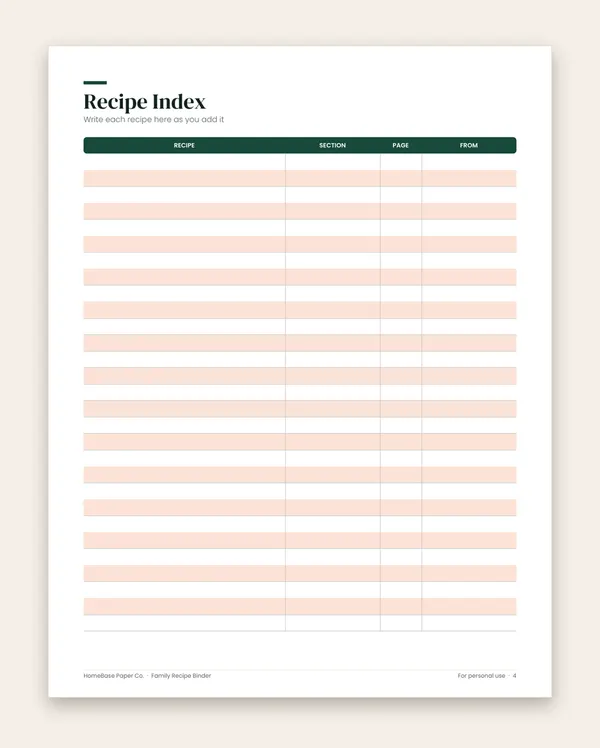
The Family Recipe Binder ($6.99) has a Recipe Index, section dividers and recipe pages with fields for serves, prep time, cook time, oven temperature, ingredients, directions and notes. Give cookies their own section and record where each recipe came from.
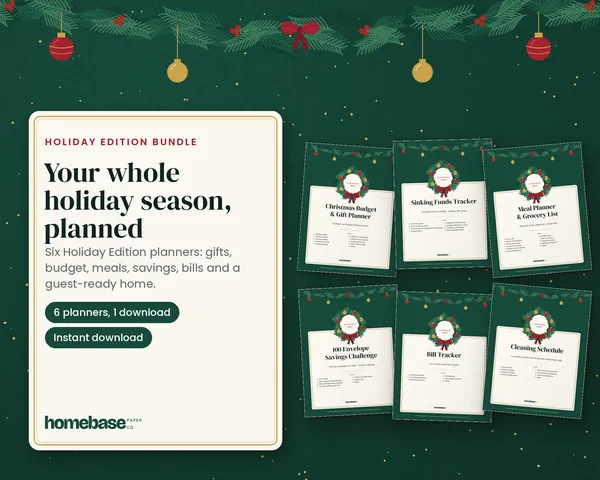
Baking a lot for the holidays? The Holiday Season Bundle ($15.99, $25.94 if bought separately) includes the Christmas Budget & Gift Planner, a meal planner, a sinking funds tracker and more. It helps you plan baking days, list ingredients and keep cookie gifts inside your holiday budget. On its own, the Christmas Budget & Gift Planner ($4.99) tracks who gets a cookie box and what you'll spend.
Want a free place to start? Get the Holiday Budget Starter Kit by email. You can also browse our Printables, Bundles and holiday planners.
Looking for more simple sweets beyond cookies? Browse easy dessert recipes.
Make it easier
Tools for this

Printables
Family Recipe Binder
Section dividers, four recipe page layouts with room for the family story, 4x6 and 3x5 cards and a conversion chart - print it or type into the fillable version.
 Save 38%
Bundles
Holiday Season Bundle
Plan Christmas, save for it all year, and host without the January money hangover.
Printables
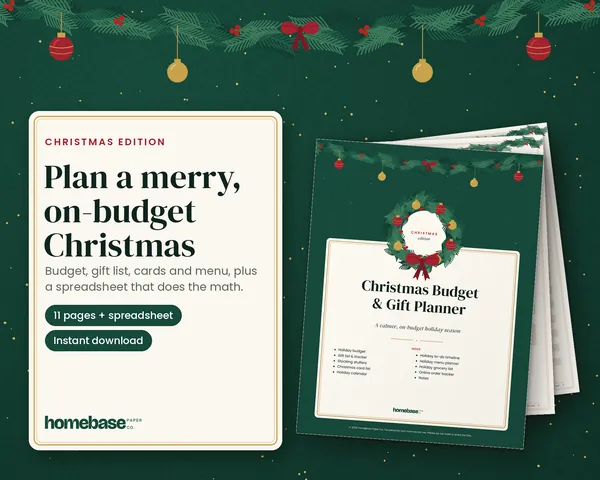
Christmas Budget & Gift Planner
Set a budget for every person, log each purchase, and watch what's left - plus printable gift, card, menu and to-do pages.
Frequently asked questions
What are the easiest cookie recipes for beginners? The easiest cookie recipes for beginners are chocolate chip, peanut butter, snickerdoodles, oatmeal and no-bake chocolate oatmeal cookies. They use one bowl and pantry staples, and they don't need rolling, cutting or decorating.
What are the main types of cookies? The main types of cookies are drop, rolled or cut-out, shaped, pressed, sliced or icebox, bar and no-bake cookies. The type describes how you shape the dough, which tells you how much time and equipment a recipe needs.
What temperature should cookies bake at? Most cookies bake at 350°F, and some drop cookies bake at 375°F for crisper edges. Shortbread does best lower, around 300°F to 325°F, so it stays pale and tender instead of browning too fast.
How long do you bake cookies? Most cookies bake for 8 to 12 minutes. Take them out when the edges are set and lightly golden and the centers still look a little soft, because they keep cooking on the hot pan for a few minutes.
Why did my cookies spread flat? Cookies usually spread flat because the butter was too warm or melted, or there wasn't quite enough flour. Chill the dough for 30 minutes, measure flour by spooning and leveling, and bake on a cool pan.
Do I need to chill cookie dough? You don't need to chill every cookie dough, but chilling helps soft doughs and anything you roll or cut. Thirty minutes to an hour firms the butter, so cookies spread less and the flavor deepens.
Is it safe to eat raw cookie dough? No, raw cookie dough made with regular flour and raw eggs isn't safe to eat. The FDA says never to eat or taste raw flour, dough or batter, and to keep children from eating or playing with raw dough.
Can you freeze cookie dough? Yes, most cookie dough freezes well. Scoop it into balls, freeze them on a tray, then store them in a labeled freezer bag. Bake straight from frozen and add 1 to 2 minutes, ideally within about 3 months.
How do you store homemade cookies? Store homemade cookies in an airtight container at room temperature once they've cooled completely. Keep soft and crisp cookies in separate containers, and freeze extras with parchment between layers for longer storage.
What cookies are best for a cookie exchange or holiday tray? The best cookies for an exchange or tray hold their shape and travel well: shortbread, snickerdoodles, molasses cookies, crinkle cookies, spritz and cut-out sugar cookies. Label common allergens like nuts, milk, eggs and wheat.
How many cookies does one batch make? One standard batch made with about 2 1/4 cups of flour usually makes 3 to 4 dozen medium cookies. Larger scoops make fewer cookies and need a minute or two longer in the oven.
How do I keep my family's cookie recipes organized? Keep family cookie recipes in one binder with a recipe index and a cookie section. The Family Recipe Binder ($6.99) has an index and recipe pages with fields for oven temperature, bake time and notes, so the tricks that make each recipe work are saved.
How do I plan and budget holiday cookie baking? Plan holiday cookie baking by choosing three or four cookie recipes, buying shared staples once, and listing who gets a cookie box. The Holiday Season Bundle ($15.99) includes a meal planner and the Christmas Budget & Gift Planner to keep baking on schedule and on budget.
What's the difference between baking soda and baking powder in cookies? Baking soda helps cookies spread and brown and needs an acidic ingredient like brown sugar to react. Baking powder already contains its own acid and makes cookies puffier and more cake-like.
More from HomeBase
You may also like
 Starter pick
Printables
Meal Planner & Grocery List
Weekly meals, a grocery list sorted by aisle, and pantry and freezer inventories so you shop once and waste less.
 Thanksgiving Edition
Printables
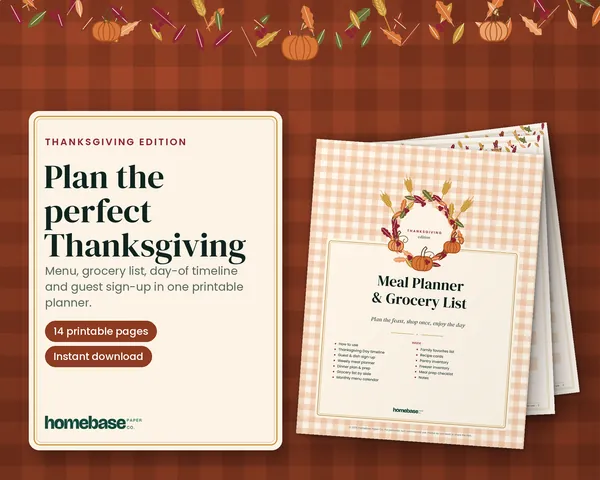
Meal Planner & Grocery List: Thanksgiving Edition
Plan the perfect Thanksgiving: our meal planner in a warm harvest design, with a Thanksgiving Day timeline, a guest & dish sign-up, an aisle-sorted grocery list and pantry and freezer trackers.

Printables
Budget Planner Printable
Twelve undated pages you can print every month: budget, bills, spending, savings and debt.

Printables
Household Binder
Family info, emergency plan, calendars, meals, groceries, cleaning, bills and sitter notes.
 Club
Monthly club
Meal Plan Club
Families who want dinner planned and a grocery list ready every week.
Free printable
Save the family favorites: get the free recipe book pages
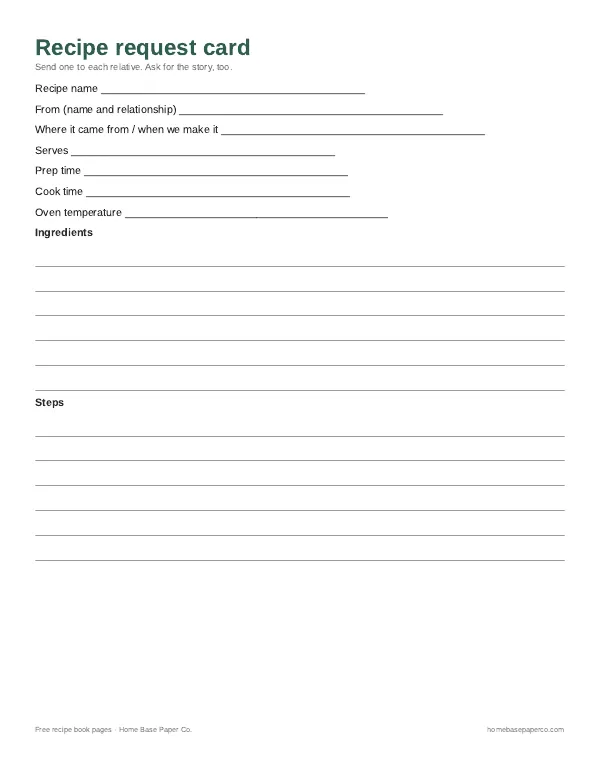
Printable recipe pages and a recipe request card to send to relatives, so the dishes everyone loves end up in one book. You'll also get our weekly HomeBase email with easy meal planning ideas and family recipe tips.