

The short answer: to organize mail, open it in one spot every day and sort each piece right away into four places: recycle or shred, to pay, to do, and to file. The daily sort takes about five minutes.
- Weekly session: pay the bills and finish the to-dos
- To Pay: write the due date on the envelope
- Shred prescreened credit offers and anything with account numbers
- Cut junk mail at the source
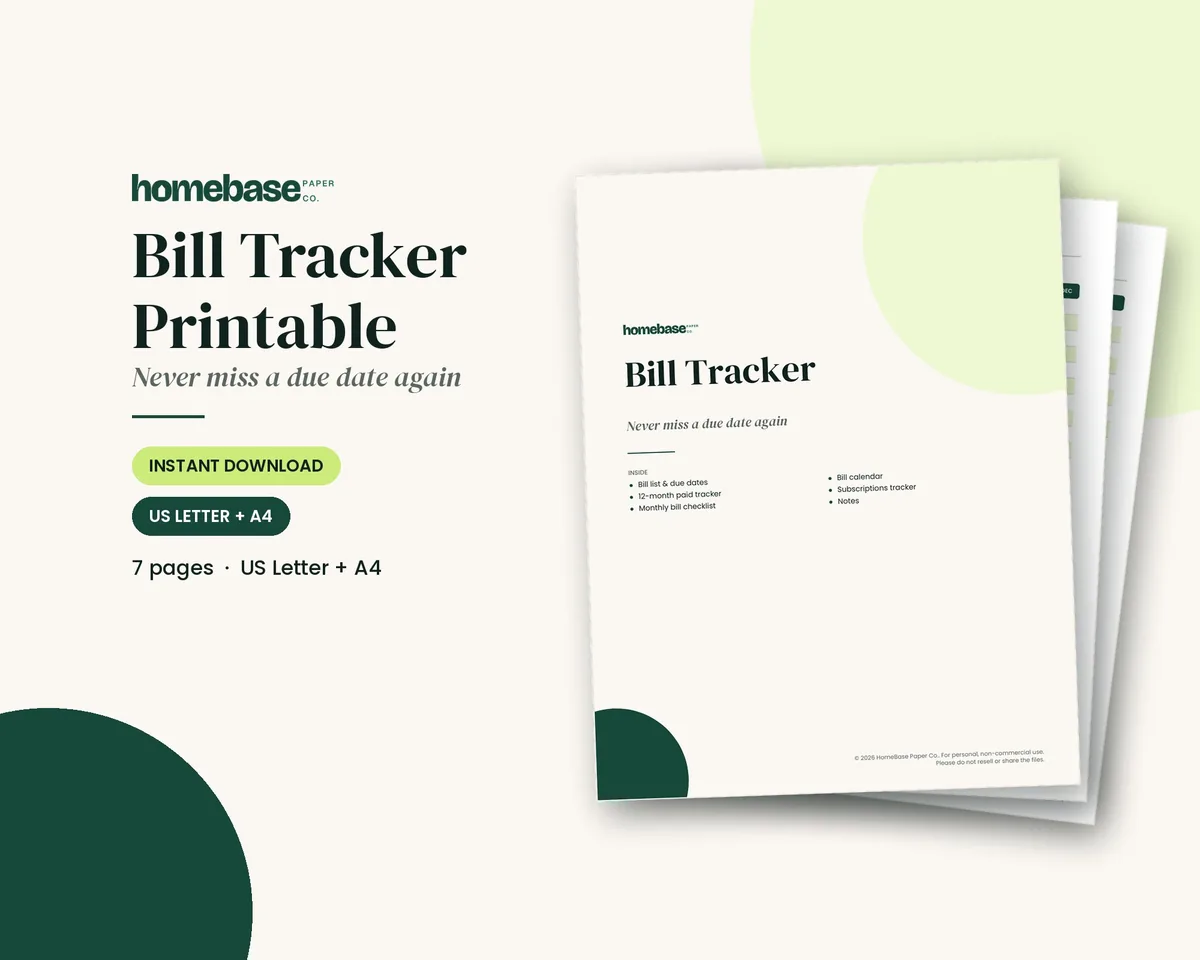
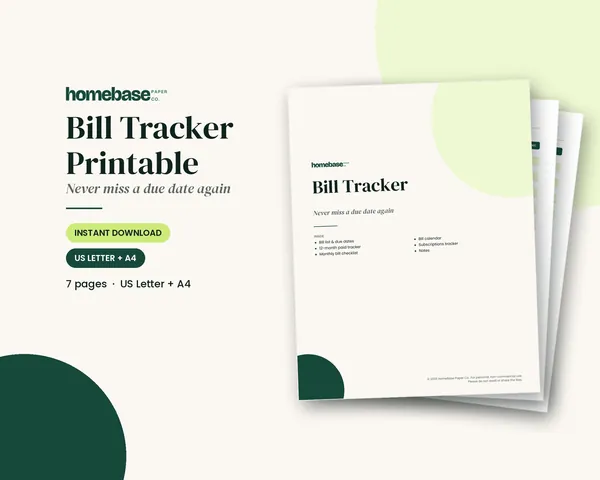
- Next step: Plan it with the Bill Tracker Printable ($3.49).
To organize mail, open it in one spot every day and sort each piece right away into four places: recycle or shred, to pay, to do, and to file. Then sit down once a week to pay the bills and finish the to-dos. The daily sort takes about five minutes, and because nothing is ever set down "for later," piles stop forming. Cutting junk mail at the source makes the job even smaller.
Here's how to set up the system, what supplies you need and how to keep it running.
What you need
- A landing spot near the door you use most, like a wall pocket, a small tray or a basket
- A recycling bin right beside it
- A shredder or a shred box for anything with personal details
- Four folders or slots: To Pay, To Do, To File and one per person for personal mail
- A pen and a calendar (or your phone) for due dates and appointments
Keep it all within arm's reach of where you open mail. If the recycle bin is in another room, the junk mail stays on the counter.
Step 1: Pick one landing spot
Mail goes to one place, every day, no exceptions. Not the kitchen counter, not the car, not the dining table. A small wall pocket or a tray by the door works for most homes.
Step 2: Sort right away (the 5-minute daily routine)
Stand by the landing spot and handle every piece once:
| Pile | What goes in it | What happens next |
|---|---|---|
| Recycle | Catalogs, flyers, envelopes, inserts | Straight into the bin |
| Shred | Prescreened credit offers, old statements, anything with account numbers | Into the shred box |
| To Pay | Bills, invoices, renewal notices | Write the due date on the envelope, then file in To Pay |
| To Do | Forms to sign, RSVPs, appointment cards, things to call about | Note the deadline, file in To Do |
| To File | Tax forms, insurance papers, statements you need to keep | File in To File |
| Personal | Mail for other family members | Into their slot |
Open envelopes right away and toss the inserts. A bill in an unopened envelope is easy to forget.
Step 3: Hold a weekly mail session
Once a week, at the same time, empty the action folders:
- To Pay: pay or schedule each bill and mark it paid. The Bill Tracker Printable ($3.49) has a My Bills list, a 12-month paid tracker, a monthly bill checklist and a bill calendar, so you can see at a glance what's paid and what's coming.
- To Do: finish quick items and put bigger ones on your calendar.
- To File: move papers into your filing system or binder.
This session pairs well with a weekly money check. Our guide on how to organize bills shows a 10-minute weekly bill routine. For the bigger picture, here's how to organize your finances.
Step 4: Give papers a permanent home
Mail you keep needs somewhere to go. Simple categories work best:
- Taxes (this year)
- Insurance
- Medical
- Home and car
- Bank and credit statements
- Kids and school
- Warranties and receipts
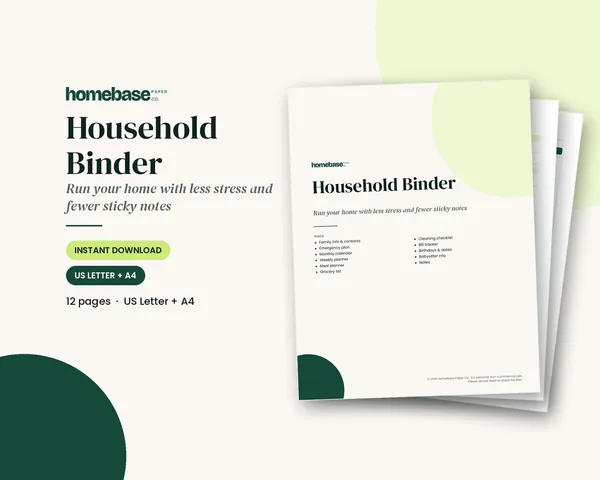
The Household Binder ($6.99) has a bill tracker, a monthly calendar, a weekly planner, family information and emergency plan pages, which covers the paperwork you reach for most. For birth certificates, titles and long-term records, see our guide to setting up an important document organizer, and check how long to keep documents before you file anything forever.
Step 5: Cut junk mail at the source
Less mail in means less to sort. The FTC's guide on how to stop junk mail lists two main options:
- Marketing mail: register at DMAchoice.org to choose which catalogs and offers you get. It has a small processing fee, and registration lasts 10 years. It stops most, but not all, promotional mail.
- Credit and insurance offers: go to optoutprescreen.com or call 1-888-5-OPT-OUT (1-888-567-8688) to opt out for five years, or start the permanent opt-out there.
You can also call or email individual catalog companies and ask to be removed from their list.
Step 6: Know what's coming
USPS Informed Delivery is a free service that shows preview images of incoming mail and package updates in a morning email. It's handy for noticing when an expected bill, tax form or check hasn't shown up.
Tips to keep the system running
- Never set mail down unsorted. If you can't sort now, it waits in the landing spot only, never on a table.
- Shred weekly. A full shred box becomes another pile.
- Go paperless on purpose. Switch statements you only glance at to email, but keep paper for anything you file.
- Handle mail when you're away. Have someone collect it, or use the post office's hold service, so nothing important sits in the box.
- Pay bills only through channels you know. Real businesses and government agencies don't ask for payment by gift card, so pay through the company's own website or the number on your statement. See our holiday shopping tips for more.
Common mail mistakes
- A "to sort later" pile. That's where bills go to hide.
- Too many categories. Four action folders beat twelve labeled ones you never use.
- Keeping every statement. Most can go once they match your records.
- No set weekly time. Without it, To Pay quietly becomes Past Due.
Make it part of a calmer home
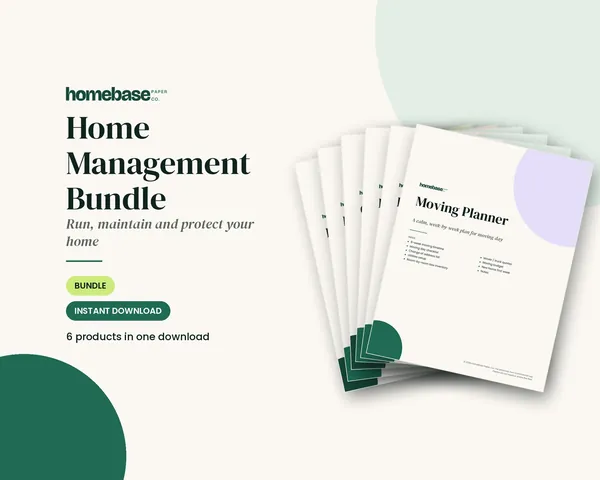
A mail system is one small piece of running a home with less stress. The Home Management Bundle ($16.99, $32.94 if bought separately) includes the Household Binder, the Password & Accounts Log, the Cleaning Schedule, the Home Inventory, the Home Maintenance Log and the Moving Planner. See all our sets on the bundles page. And with holiday cards and catalogs about to fill the mailbox, the free Holiday Budget Starter Kit is 3 US Letter pages, emailed after you join our list.
Make it easier
Tools for this
 Starter pick
Printables
Household Binder
Family info, emergency plan, calendars, meals, groceries, cleaning, bills and sitter notes.
 Save 48%
Bundles
Home Management Bundle
Household binder, maintenance log, moving planner, cleaning schedule, home inventory and password log.
Frequently asked questions
What is the best way to organize mail? The best way to organize mail is to open it at the same spot every day, right away, and sort each piece into one of four places: recycle or shred, to pay, to do, and to file. Then handle the to-pay and to-do folders once a week. The daily sort takes about five minutes, and the Bill Tracker Printable gives the to-pay pile a page to log due dates.
Where should I put mail when it comes in? Pick one landing spot near where you walk in, with a recycling bin and a shredder or shred box right next to it. Mail should never land on the kitchen counter or dining table, because that's where piles start.
How do I stop junk mail? The FTC suggests registering at DMAchoice.org to choose which marketing mail you get, and visiting optoutprescreen.com or calling 1-888-5-OPT-OUT to stop prescreened credit and insurance offers for five years or permanently. DMAchoice charges a small processing fee and lasts 10 years.
How do I keep track of bills that come in the mail? List every bill once with its due date, then check each one off when it's paid. The Bill Tracker Printable ($3.49) has a My Bills list, a 12-month paid tracker, a monthly bill checklist and a bill calendar, so paper bills don't get buried in the mail pile.
Should I shred mail? Yes, shred mail with account numbers, Social Security numbers, medical details, or prescreened credit offers before recycling it. Plain catalogs and flyers can go straight into recycling.
How do I know what mail is coming? USPS Informed Delivery is a free service that shows preview images of incoming mail and updates on packages, sent in a morning email. It helps you notice when an expected bill or document is missing.
How do I organize mail for a busy family? Give each person a slot or folder for their own mail, and keep household mail in shared to-pay, to-do and to-file folders. The Household Binder ($6.99) adds a bill tracker, a monthly calendar and family info pages, so the decisions that come in the mail land in one place.
What should I do with mail I need to keep? File it within a week in a labeled folder or binder: tax forms, insurance, medical, home and car, and bank statements. Everything else gets recycled once it's handled.
More from HomeBase
You may also like
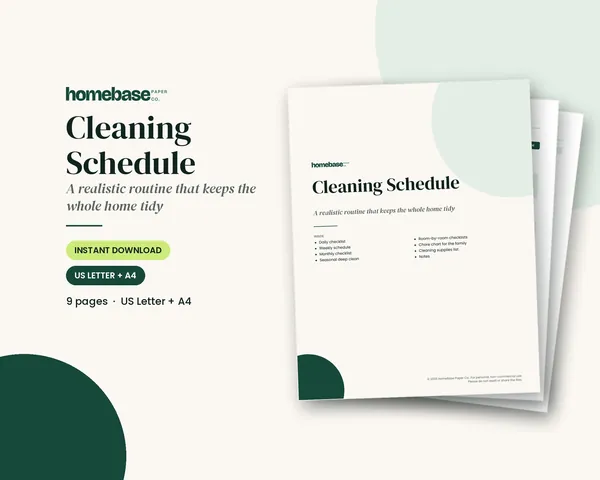
Printables
Cleaning Schedule
Daily, weekly, monthly and seasonal lists - plus a family chore chart.
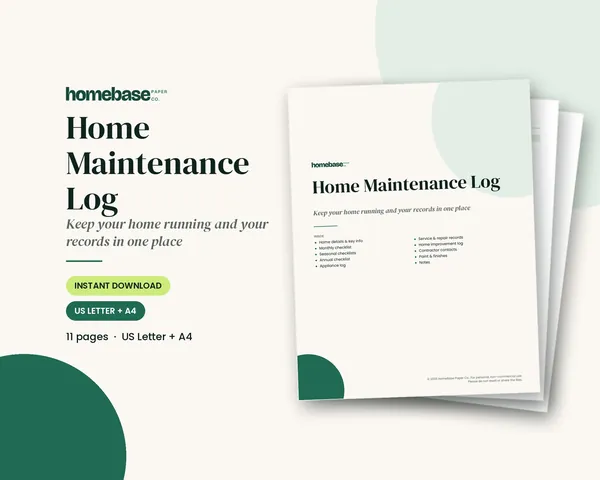
Printables
Home Maintenance Log
Monthly, seasonal and annual checklists plus a record of every appliance and repair.
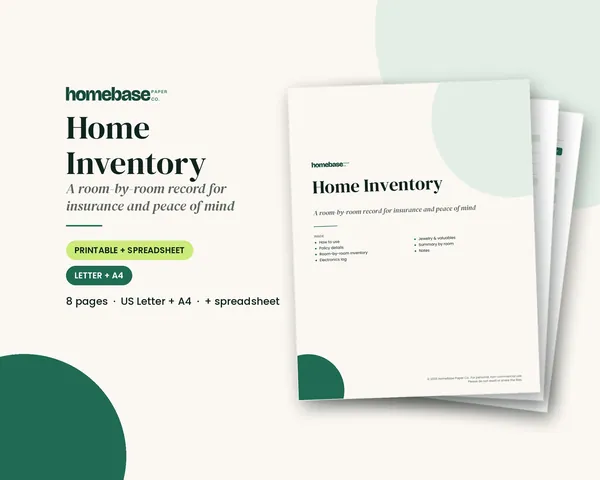
Printables
Home Inventory
Printable pages and a spreadsheet that totals the value of every room.
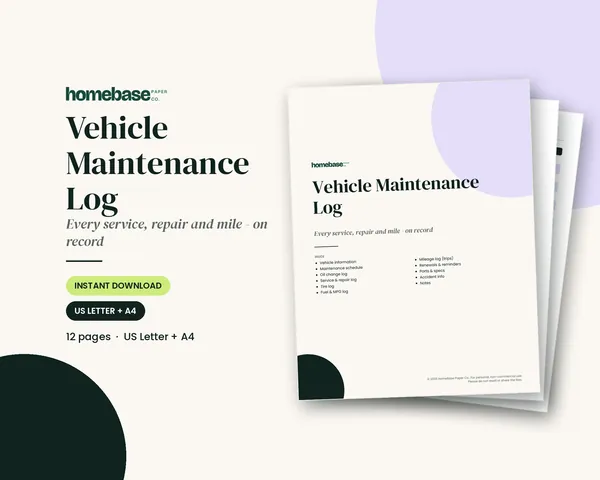
Printables
Vehicle Maintenance Log
Oil changes, repairs, tires, fuel and MPG, trip mileage and renewal dates - so resale and warranty records are easy.
 Club
Monthly club
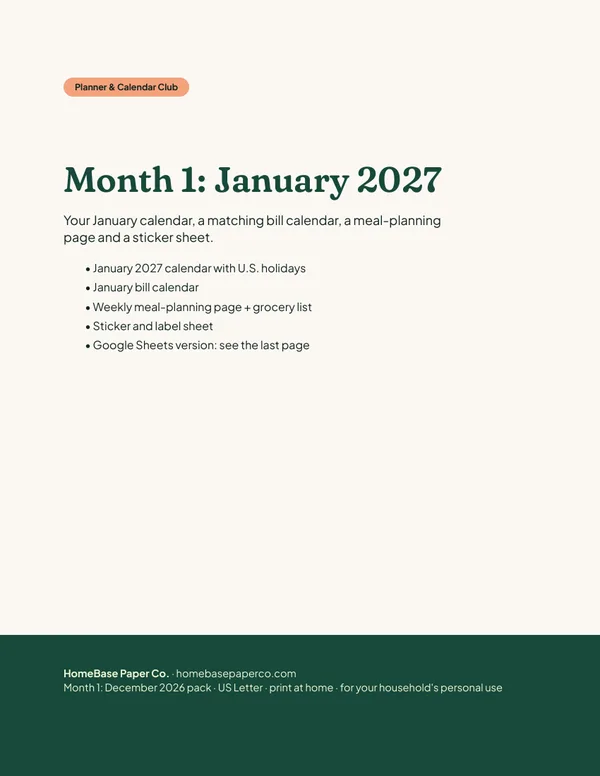
Planner & Calendar Club
Anyone who wants a monthly calendar, bill calendar and meal plan ready to print.
Free printable
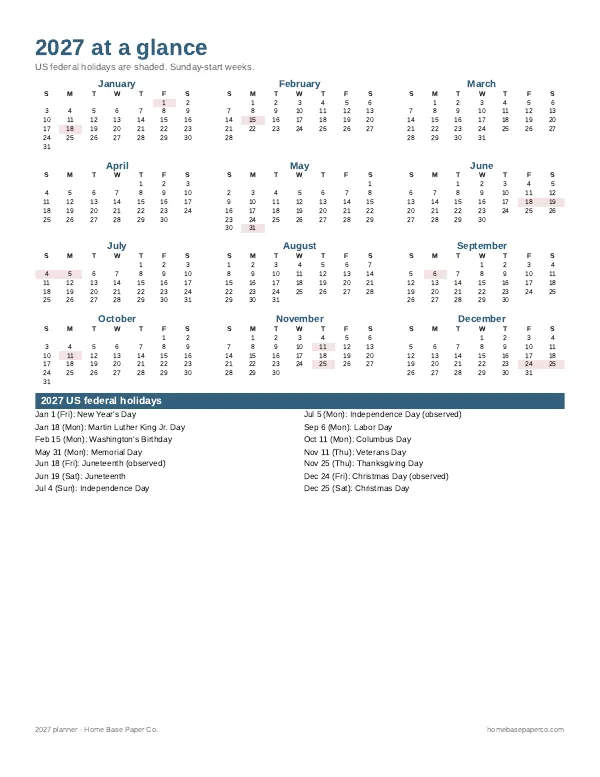
Get organized for the new year: get the free 2027 planner
A 16-page printable 2027 planner with a year-at-a-glance page and monthly calendars with US holidays marked. You'll also get our weekly HomeBase email with simple planning and home organization tips.
Sources
- How to stop junk mail consumer.ftc.gov
- Informed Delivery usps.com