

The short answer: Ramadan is the ninth month of the Islamic lunar calendar, when Muslims fast from dawn to sunset and spend more time in prayer, reflection and giving. The next Ramadan is expected to begin on Monday, February 8, 2027, and Eid al-Fitr is expected on Tuesday, March 9, 2027. Both can shift by a day with the moon sighting.
- Dates: Ramadan 2027 is expected to run February 8 to March 8, about 29 or 30 days. It starts roughly 10 to 12 days earlier each year
- A typical day: a pre-dawn meal (suhoor), the fast from dawn to sunset, then the meal that breaks the fast (iftar), often with dates and water
- Plan ahead: fill the pantry, batch-cook and map out suhoor and iftar. Get the free 2027 calendar printable (we email it to you). The Meal Planner & Grocery List is $3.99
Dates checked November 15, 2026 against Britannica and the Umm al-Qura calendar. Below: Ramadan dates through 2030, what the month means, who fasts, suhoor and iftar basics, Eid al-Fitr, how to support a Muslim friend or coworker and a meal and budget plan for the month. This guide is general information, not religious or medical advice. Ask your imam or scholar about religious rulings and your doctor about fasting and health.
So, what is Ramadan? In Britannica's words, it is the ninth month of the Muslim calendar and the holy month of fasting in Islam. Observing the daily fast is one of the Five Pillars of Islam. The month is also a time for introspection, communal prayer and reading the Qur'an, and it ends with the festival of Eid al-Fitr.
Ramadan at a glance
| Question | Short answer |
|---|---|
| What is it? | The ninth month of the Islamic (Hijri) lunar calendar |
| How long? | 29 or 30 days, from one crescent moon to the next |
| Next start (expected) | Monday, February 8, 2027 (1 Ramadan 1448) |
| Next end (expected) | Monday, March 8, 2027, with Eid al-Fitr on Tuesday, March 9 |
| The fast | No food or drink from dawn to sunset |
| Daily meals | Suhoor before dawn, iftar at sunset |
| Who it is for | Healthy Muslims who have reached adulthood, with set exemptions |
| How it ends | Eid al-Fitr, the "festival of breaking the fast" |
Ramadan dates 2026 to 2030
Ramadan moves because the Islamic year follows the moon. Britannica notes that the Muslim year is shorter than the Gregorian year, so Ramadan begins 10 to 12 days earlier each year and cycles through every season over about 33 years.
| Year | Islamic year | Expected first day of Ramadan | Expected last day | Expected Eid al-Fitr |
|---|---|---|---|---|
| 2026 | 1447 | Wed, Feb 18 | Thu, Mar 19 | Fri, Mar 20 |
| 2027 | 1448 | Mon, Feb 8 | Mon, Mar 8 | Tue, Mar 9 |
| 2028 | 1449 | Fri, Jan 28 | Fri, Feb 25 | Sat, Feb 26 |
| 2029 | 1450 | Tue, Jan 16 | Tue, Feb 13 | Wed, Feb 14 |
| 2030 | 1451 | Sat, Jan 5 | Sun, Feb 3 | Mon, Feb 4 |
The start and end dates are Britannica's approximate Gregorian dates. Eid al-Fitr is the day after the last day. Britannica warns the dates can be off by about a day. The 2026 month ran February 18 to March 19, and Saudi Arabia, the UAE, Qatar and Bahrain announced Friday, March 20 as the first day of Eid al-Fitr.
Why we say "expected." The 2027 date matches the Umm al-Qura calendar, Saudi Arabia's astronomical calendar, which puts 1 Ramadan 1448 on February 8, 2027. A calendar is a planning tool. The announcement after the crescent search is what counts.
How the start date is decided
The month begins with the new crescent moon. Britannica explains that some communities, such as Turkey, use astronomical calculation, while others need clerics to confirm the crescent by eye. Clouds can delay a sighting. So neighboring countries, and sometimes neighboring mosques in the US, can start a day apart.
Practical tip: plan with the expected date, then confirm with your local mosque or Islamic center in the last days of Sha'ban, the month before Ramadan. Follow your local prayer timetable for dawn and sunset.
What Ramadan means and why it matters
The AP's explainer says Ramadan is a time for increased worship, reflection and charity, and a time that brings families and friends together around meals. Muslims mark it as the month when the Qur'an was first revealed to the Prophet Muhammad.
Fasting (sawm). The AP lists it among the Five Pillars and notes that Muslims describe benefits such as self-restraint, gratitude and empathy for people who are poor and hungry.
Prayer and the Qur'an. Many Muslims pray at the mosque more often and set aside time to read the Qur'an. Special night prayers called taraweeh are common. The last ten nights are especially valued, and many look for Laylat al-Qadr, the Night of Power, in them.
Charity. Giving is a hallmark of the month. The AP describes families providing iftar meals for people in need and handing out boxes of pantry staples.
Community. In the US, iftar at a mosque or Islamic center gives many families a sense of community, and some host interfaith iftars.
A day during Ramadan
Ramadan changes the rhythm of a whole household. Here is how a typical day runs. Exact times change with your location and the date, so check a local prayer timetable.
| Part of the day | What usually happens |
|---|---|
| Before dawn | Suhoor, the pre-dawn meal. The AP says it helps people hydrate and nourish the body for the fast |
| Dawn (fajr) | The fast begins, and the dawn prayer is said |
| Daytime | Work, school and chores go on as usual, with no food or drink |
| Sunset (maghrib) | The fast ends with iftar, traditionally starting with dates and water |
| Evening | A full meal, often shared with family and friends, then night prayers such as taraweeh |
| Late night | Rest, Qur'an reading, and a drink of water before the next suhoor |
The AP adds that the fast includes no water, not even a sip, from dawn to sunset.
Who fasts and who is exempt
Fasting is expected of healthy adult Muslims. The AP says there are exemptions, such as for people who cannot fast because of illness or travel, and that missed days from temporary illness or travel are made up later. BBC Newsround adds that young children, the elderly, pregnant women and people who are ill do not have to fast.
Pregnancy and health conditions. The WHO's Eastern Mediterranean office says the decision for pregnant women should be made individually with a health care provider. It also notes that fasting raises important questions for people with conditions such as diabetes. If you are one of them, talk to your doctor before the month starts, not during it.
Children. Young children are not expected to fast. When and how a child starts is a family decision, so follow your own community's guidance.
Suhoor and iftar: what to eat
The World Health Organization's regional office has a plain checklist for staying healthy during Ramadan. Here it is as a table you can shop from.
| Goal | What the WHO suggests |
|---|---|
| Break the fast | Three dates, a source of fiber, then a balanced iftar |
| Stay hydrated | At least 10 glasses of water between iftar and suhoor, plus soup, watermelon and green salad |
| Go easy on caffeine | Limit coffee, tea and cola, which can make some people urinate more and lose fluid |
| Build the plate | Vegetables, whole grains, and grilled or baked lean meat, skinless chicken or fish |
| Limit fried and sweet food | Avoid fried and processed foods high in fat or sugar, and go lightly on syrup-soaked sweets |
| Eat suhoor | Make it light: vegetables, whole-grain bread, protein such as dairy or eggs |
| Slow down | Eat slowly to avoid overeating and heartburn |
Staying active and rested
Mayo Clinic's news network quotes a physician saying it is wise to stay active during Ramadan, but to cut the intensity or length of workouts to about half of usual and to hydrate well between sunset and dawn. Heavy lifting and hard cardio are not advised while fasting. A short walk after iftar is an easy habit.
Ramadan meal planning and a month grocery plan
Ramadan is a meal-focused month. You cook around the sunrise and sunset clock, and you may host. A written plan helps, and so does a budget line.
Weeks before: stock up. Buy shelf-stable basics first: rice, lentils, chickpeas, flour, oats, canned tomatoes, dates and oil. Check your freezer and pantry first to avoid duplicates.
The week before: cook and freeze. Soups, stews, sambousek-style pastries, and cooked beans freeze well. Label each bag with the date and the meal it serves.
Each week: pick a rhythm. Choose three or four iftar mains, one soup, one salad, and a few suhoor staples you can repeat, such as eggs, oats or yogurt with fruit. Repeating is not boring. It is what keeps the month calm.
A weekly Ramadan plan (fill in your own dishes)
| Day | Suhoor | Iftar | Prep ahead |
|---|---|---|---|
| Mon | Oats with fruit | Soup, main, salad | Soak beans |
| Tue | Eggs and whole-grain toast | Leftover main, fresh salad | Chop vegetables for two days |
| Wed | Yogurt, fruit and nuts | Freezer meal | Thaw tomorrow's main |
| Thu | Oats with fruit | Soup, main, salad | Make a double batch |
| Fri | Eggs and cheese | Family or community iftar | Bring a dish, or shop |
| Sat | Yogurt and fruit | Main from the freezer | Plan next week |
| Sun | Whole-grain toast and eggs | Leftovers | Write the grocery list |
A budget plan for the month
You don't need a big number to plan well. You need three lines: groceries, giving and Eid.
- Groceries. Take what you spend on food in a normal month. Add a line for extra guests and dates. Then cut the normal waste, using the pantry and freezer inventory.
- Giving. Charity is central to the month, so set the amount before the month starts. Putting it in the budget makes it easier to keep.
- Eid. Set aside money for gifts, clothes and the gathering, and start in the fall. Dividing the total by the months left gives a monthly amount. From mid-November, Ramadan 2027 is about three months away.
For a weekly system, read our guides on how to meal plan and meal planning on a budget. Our budget categories list can help you name the lines.
- Meal Planner & Grocery List, $3.99: a weekly meal planner with a grocery list sorted by aisle, plus pantry and freezer inventories, so you shop once and waste less.

Browse more kitchen and home printables on the Home & Organizing page.
Eid al-Fitr: how Ramadan ends
Eid al-Fitr means the "festival of breaking the fast." The AP describes it as a joyous time marked by congregational prayers, family gatherings and new clothes. BBC Newsround adds that many Muslims attend Eid prayers at the mosque, and that children are sometimes given presents and new clothes.
Greetings. "Eid Mubarak" (blessed Eid) is the common greeting. During the month, "Ramadan Mubarak" and "Ramadan Kareem" are both widely used.
Charity before the prayer. Many Muslims give a set charity called zakat al-Fitr before Eid prayers, so that people in need can celebrate too. Ask your mosque for the current amount and where to give.
The meal. Eid is a day to eat in daytime again. Many families cook special dishes and visit relatives and friends. The foods differ by culture, from sweet vermicelli to rice dishes and pastries, so the menu can reflect your family's roots.
Plan Eid early. The date depends on the moon, so keep the next day flexible at work and school.
How to support a Muslim coworker, student or neighbor
You don't need to be an expert to be kind. These small steps help, and none of them need a big gesture.
- Ask, don't assume. Not everyone observes Ramadan the same way, and some people prefer not to talk about it. A simple "Is there anything that would help this month?" is enough.
- Be flexible with meetings. Late afternoons can be hard, and sunset is a hard stop for iftar. Schedule important meetings in the morning when you can.
- Skip the food pressure. Eat lunch where you normally do. Don't push food on a fasting colleague or make a fuss.
- Invite them to iftar. If you host, pick a time after sunset, offer dates and water first, and ask about halal and dietary needs.
- Plan around Eid. Give notice of deadlines, tests and trips near Eid, and allow a day off for the holiday if you can.
- Say it simply. "Ramadan Mubarak" or "Ramadan Kareem" is a warm greeting.
For a classroom, give fasting students a quiet option at lunch and recess, and keep big tests off Eid if you can. A free 2027 calendar on the wall lets everyone see the month coming.
Ramadan 2027 planning timeline
Expected dates only. Move each step by a day if the moon sighting changes the start.
| When | What to do |
|---|---|
| Mid-November to December 2026 | Start the Eid and giving fund. Print the calendar and mark the expected dates |
| January 2027 | Stock the pantry and check your freezer. Confirm any work or school changes |
| Late January | Plan your first two weeks of suhoor and iftar. Cook and freeze |
| Around February 1 | Ask the mosque for its timetable and the moon-sighting plan |
| Around February 6 to 7 | Last prep days. Moon-sighting announcements come on the evenings just before the start |
| Monday, February 8 | Expected first day of Ramadan |
| Mid-month | Re-check the grocery budget. Restock fresh food and refill the freezer |
| Late February | The last ten nights begin. Keep the evenings light and the meals simple |
| Monday, March 8 | Expected last day of fasting |
| Tuesday, March 9 | Expected Eid al-Fitr |
For comparison with another lunar holiday, see our guide to Lunar New Year 2027. It also moves each year, and the same planning habits apply.
Make it easier
Tools for this
 Starter pick
Printables
Meal Planner & Grocery List
Weekly meals, a grocery list sorted by aisle, and pantry and freezer inventories so you shop once and waste less.
Frequently asked questions
What is Ramadan? Ramadan is the ninth month of the Islamic lunar calendar, when Muslims fast from dawn to sunset. It is also a month of extra prayer, Qur'an reading, charity and time with family and community. Muslims mark it as the month the Qur'an was first revealed, and it ends with the festival of Eid al-Fitr.
When is Ramadan in 2027? Ramadan 2027 is expected to begin on Monday, February 8, 2027 and end on Monday, March 8, with Eid al-Fitr on Tuesday, March 9. These dates match Britannica's approximate dates and the Umm al-Qura calendar. The actual start depends on the crescent moon sighting, so it can move by a day and can differ between countries.
When did Ramadan start in 2026? Ramadan 2026 began around Wednesday, February 18, 2026 and ran to about Thursday, March 19. Saudi Arabia, the UAE, Qatar and Bahrain announced Friday, March 20 as the first day of Eid al-Fitr. Start dates varied by a day in some communities because of local moon sighting.
Why does Ramadan change dates every year? Ramadan moves because the Islamic calendar follows the moon, not the sun. A lunar year is about 10 to 12 days shorter than the Gregorian year, so Ramadan begins that much earlier each year. Over roughly 33 years it passes through every season.
How long is Ramadan? Ramadan lasts 29 or 30 days, depending on when the next crescent moon is seen. An Islamic month runs from one crescent to the next. That is why the exact end date, and the first day of Eid, is confirmed only in the last days of the month.
What do Muslims do during Ramadan? Muslims fast from dawn to sunset, pray more often, read the Qur'an and give to charity. They eat a pre-dawn meal called suhoor and break the fast at sunset with iftar, often starting with dates and water. Evenings often include night prayers and meals with family and friends.
What is the difference between suhoor and iftar? Suhoor is the meal eaten before dawn, and iftar is the meal that breaks the fast at sunset. The AP says suhoor helps people hydrate and nourish the body for the day. The WHO suggests a light suhoor with whole grains, protein and vegetables, and an iftar that starts with dates and a balanced plate.
Who does not have to fast during Ramadan? People who are ill, traveling, pregnant, elderly or young children are generally not required to fast. The AP says missed days from temporary illness or travel are made up later. If you have a health condition like diabetes or are pregnant, talk to your doctor and your religious leader first.
Can you drink water during Ramadan fasting hours? No, the traditional Ramadan fast includes no water from dawn to sunset. The AP notes that not even a sip is allowed. Many people drink plenty between iftar and suhoor, and the WHO suggests at least 10 glasses, plus water-rich foods like soup, watermelon and salad.
What is Eid al-Fitr? Eid al-Fitr is the festival of breaking the fast that marks the end of Ramadan. It includes congregational prayers, family gatherings, special meals and new clothes, and children are often given gifts. Many Muslims also give zakat al-Fitr, a charity gift, before the Eid prayer.
How do you greet someone during Ramadan? Say "Ramadan Mubarak" or "Ramadan Kareem" for a warm, simple greeting. For Eid al-Fitr, say "Eid Mubarak." If you aren't sure how a coworker or neighbor observes the month, a kind greeting and a flexible schedule go further than asking a lot of questions.
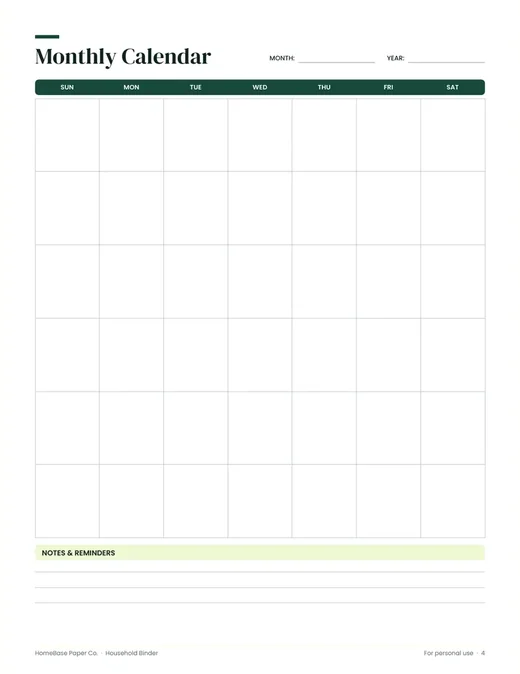
Is there a printable calendar to plan Ramadan 2027? The free 2027 Calendar Printable is a 13-page set with a year at a glance and one big page for each month, and you can get it by email at no cost. Mark the expected dates of February 8 to March 8 and Eid on March 9, then adjust once your mosque confirms the start. Get it here.
How can I plan Ramadan meals and groceries? The Meal Planner & Grocery List is $3.99 and covers it with a weekly meal planner, a grocery list sorted by aisle and pantry and freezer inventories. Plan suhoor and iftar for the week, shop once and cook ahead. Our guides on how to meal plan and meal planning on a budget walk through the system.
Newsletter
Get the HomeBase email
Fresh tips three times a week, Mon/Wed/Fri, with our deals and new products, from printables, spreadsheets and bundles to paperback planners and apparel, plus simple home, money and planning tips.
Sources
- Ramadan (Britannica) britannica.com
- What is Ramadan and how Muslims observe the holy month (AP News) apnews.com
- Stay healthy during Ramadan (WHO Eastern Mediterranean Regional Office) emro.who.int
- Tips to remain healthy while fasting during Ramadan (Mayo Clinic News Network) newsnetwork.mayoclinic.org