

The short answer: how to clean a coffee maker: wash the carafe and brew basket in soapy water, then descale by brewing equal parts white vinegar and water. Pause halfway for 30 minutes, finish the cycle and run 2 to 3 cycles of plain water. Do it every 3 to 6 months, or monthly with hard water.
- Key numbers: 1:1 vinegar and water · 30 minute soak · 2 to 3 plain water rinses · every 3 to 6 months.
- Best tip: check your manual first. Some brands say to skip vinegar and use their descaler.
- Free kit: get the free kitchen cleaning checklist (we email it to you).
Our picks for how to clean a coffee maker
Printables
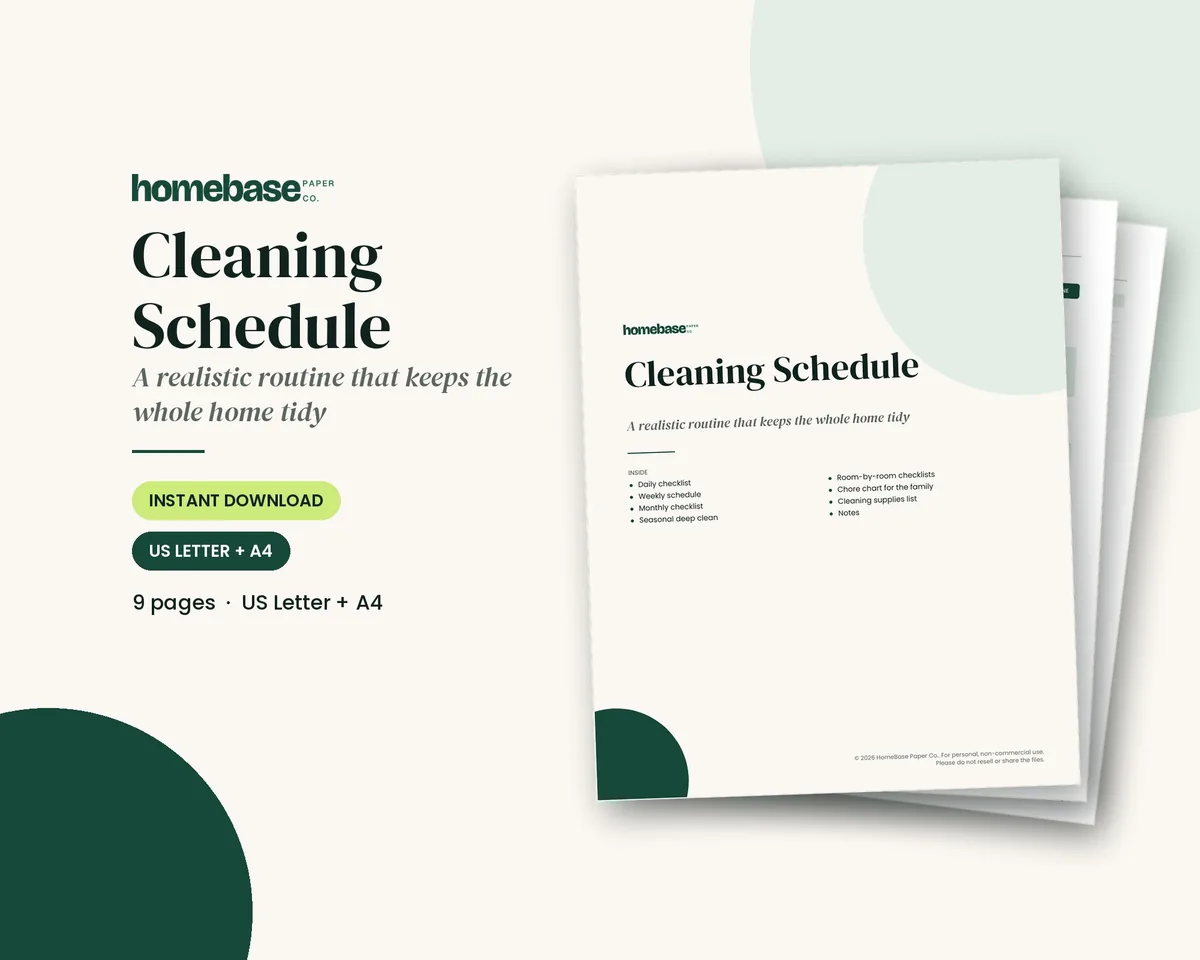
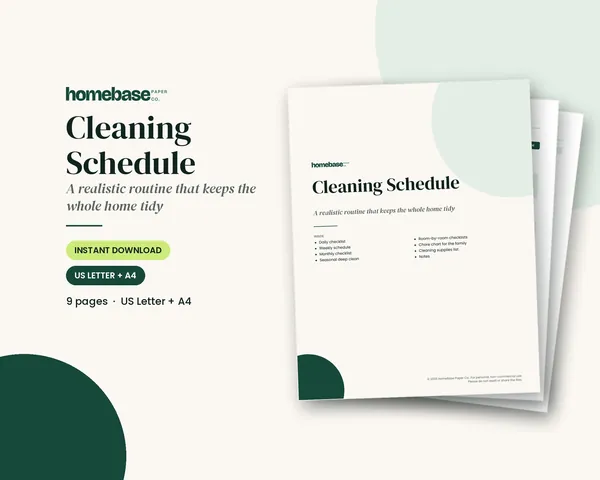
Cleaning Schedule
Daily, weekly, monthly and seasonal lists - plus a family chore chart.
Consumer Reports' coffee maker guide says scale and old coffee oils hurt the taste and can stop a machine from working, and that most people should clean every 3 to 6 months. Below: supplies, the descaling routine, weekly care, fixes and a schedule.
Coffee maker cleaning supplies
| Supply | Use it for |
|---|---|
| Distilled white vinegar or a coffee maker descaler | Dissolving mineral scale inside the tank and tubes |
| Dish soap and warm water | Carafe, brew basket, lid and reservoir |
| Baking soda | Burnt-on coffee on the hotplate and carafe stains |
| Soft sponge and bottle brush | Thermal carafes and tight corners |
| Lint-free cloth | Wiping the outside and the shower head |
Descaling a drip coffee maker with vinegar
- Empty and rinse. Toss old grounds and the filter, rinse the carafe and set it back on the hotplate.
- Fill the tank. Pour in equal parts distilled white vinegar and water to the full line.
- Brew halfway. Start a brew cycle with no coffee, then turn it off when the carafe is about half full.
- Soak 30 minutes. Let the warm solution sit in the machine to loosen scale.
- Finish the cycle. Turn the machine back on, let it finish and pour the vinegar out.
- Rinse 2 to 3 times. Fill with fresh water and run full cycles, letting it cool a few minutes between, until you no longer smell vinegar.
- Wash and dry. Wash the carafe and basket in soapy water and leave the lid open to dry.
Consumer Reports' small appliance guide suggests equal parts water and vinegar for drip machines, followed by plain water a couple of times. It also notes some manuals use a different ratio.
Vinegar vs coffee maker descaler
Vinegar is cheap and works on most drip machines. A store-bought descaler costs more but has less smell, and some brands require it to keep the warranty valid. Citric acid is another option if your manual lists it. Whatever you use, finish with plain water rinses.
Daily and weekly coffee maker care
- After every pot: dump the grounds, rinse the basket and carafe, and leave the reservoir lid open.
- Every few days: wash the carafe, basket and lid in warm, soapy water to remove bitter oils.
- Weekly: wipe the shower head, the outside and the hotplate once it is cool. Scrub burnt spots with baking soda on a damp sponge.
- Daily for pod brewers: empty the drip tray. Bacteria can grow in leftover coffee.
Coffee maker cleaning schedule
| Task | How often |
|---|---|
| Rinse carafe and basket | After each use |
| Wash removable parts in soapy water | Every 2 to 3 days |
| Wipe hotplate, shower head and outside | Weekly |
| Replace a charcoal water filter | Every 2 months or per the manual |
| Descale with vinegar or descaler | Every 3 to 6 months; monthly with hard water |
Add descaling to the monthly column of a cleaning schedule template.
Fixing coffee maker problems
| Problem | Likely cause | Fix |
|---|---|---|
| Slow or sputtering brew | Mineral scale | Descale, then rinse with plain water |
| Bitter coffee | Old oils in the basket and carafe | Wash parts in soapy water every few days |
| Vinegar taste | Not rinsed enough | Run 1 or 2 more plain water cycles |
| Brown carafe stains | Coffee residue | Baking soda paste or ice and salt scrub |
| Musty smell | Lid closed while damp | Leave the lid open to dry |
Have a pod brewer? Follow our guide to cleaning a Keurig. Then put that clean machine to work with iced coffee or French press coffee. For the rest of the counter, see our kitchen cleaning checklist and how to clean a microwave.
More home printables are in our Home shop.
Frequently asked questions
How do you clean a coffee maker with vinegar? To clean a coffee maker with vinegar, fill the reservoir with equal parts distilled white vinegar and water, run half a brew cycle, pause for 30 minutes, then finish the cycle. Pour it out and run 2 or 3 full cycles of plain water until the vinegar smell is gone. Check your manual first, since some brands say not to use vinegar.
How often should you clean a coffee maker? Rinse the carafe and brew basket after every pot and wash them in soapy water every few days. Consumer Reports says to clean and descale the machine every 3 to 6 months, depending on use, and to follow the interval in your manual. Hard water means more often.
What is the vinegar to water ratio for cleaning a coffee maker? A common ratio is 1 part distilled white vinegar to 1 part water. Consumer Reports suggests equal parts for many drip machines but warns that some manuals call for a different ratio, because a solution that is too strong can damage some metals and plastics.
How many times do you run water after cleaning with vinegar? Run at least 2 full cycles of fresh, plain water after a vinegar cycle, and a third if you can still smell vinegar. Consumer Reports' coffee maker testers say to brew with water a couple of times before you make coffee again.
Can you clean a coffee maker without vinegar? Yes. Use a commercial descaling solution made for coffee makers, or citric acid dissolved in water if your manual allows it. Some brands only approve their own descaler, so check the manual and warranty first. Baking soda works for scrubbing parts but is not a descaler.
What are signs a coffee maker needs descaling? Slow brewing, extra steaming or sputtering, a pot that comes out smaller than usual, white crust in the reservoir and bitter or flat coffee are all signs of mineral buildup. Many machines also have a clean or descale light.
How do you clean a coffee maker carafe? Wash a glass carafe with warm, soapy water after each pot. For brown stains, swirl in 1 tablespoon of baking soda with warm water, or a handful of ice, salt and a little water, then rinse well. Use a bottle brush for narrow thermal carafes.
Can coffee makers grow mold or bacteria? Yes. Warm, damp parts like the reservoir, brew basket and drip tray can grow film, mildew and bacteria. Consumer Reports' head of product safety testing notes bacteria can grow in room temperature coffee. Empty, wash and air-dry these parts often.
Can coffee maker parts go in the dishwasher? Many carafes, brew baskets and lids are top-rack dishwasher safe, but not all. Check the manual, and hand-wash anything it does not list. Never put the base, hotplate or any part with wiring in water.
How do you clean the hotplate on a coffee maker? Unplug the machine and let the hotplate cool completely. Wipe up spills with a damp cloth, then scrub burnt-on coffee with a damp sponge and a little baking soda, as Consumer Reports suggests. Wipe it dry before plugging it back in.
How do you clean a single-serve or pod coffee maker? Wash the removable reservoir and drip tray in soapy water, clear the needle area, and descale with the solution your manual names. Our guide to cleaning a Keurig walks through the pod-specific steps, including the needle.
How do I remember to descale the coffee maker? Put it on a seasonal cleaning list so it comes up every 3 months. The Cleaning Schedule ($4.49) from HomeBase Paper Co. has daily, weekly, monthly and seasonal pages, so washing the carafe and descaling the machine each have a spot.
Newsletter
Get the HomeBase email
Fresh tips three times a week, Mon/Wed/Fri, with our deals and new products, from printables, spreadsheets and bundles to paperback planners and apparel, plus simple home, money and planning tips.
Sources
- Consumer Reports: How to Clean Your Coffee Maker consumerreports.org
- Consumer Reports: How to Clean Your Small Kitchen Appliances consumerreports.org