


The short answer: an easy Thai curry is store-bought curry paste fried in a little oil, simmered with a can of coconut milk, sliced chicken and vegetables, then finished with fish sauce, a pinch of sugar, lime and basil. Thai red curry with chicken takes about 30 minutes and serves 4.
- Key numbers: 3–4 tbsp red curry paste · one 13.5-oz can coconut milk · 1 1/2 lb chicken thighs · simmer 10–12 minutes · chicken done at 165°F
- Top moves: fry the paste in the thick coconut cream first, use thighs, add vegetables by cook time, and season at the end with fish sauce, sugar and lime
- Save it: get the free recipe book starter pages (we email it to you), or plan curry night with the Meal Planner & Grocery List ($3.99)
Our picks for thai curry
 Starter pick
Printables
Meal Planner & Grocery List
Weekly meals, a grocery list sorted by aisle, and pantry and freezer inventories so you shop once and waste less.
Printables
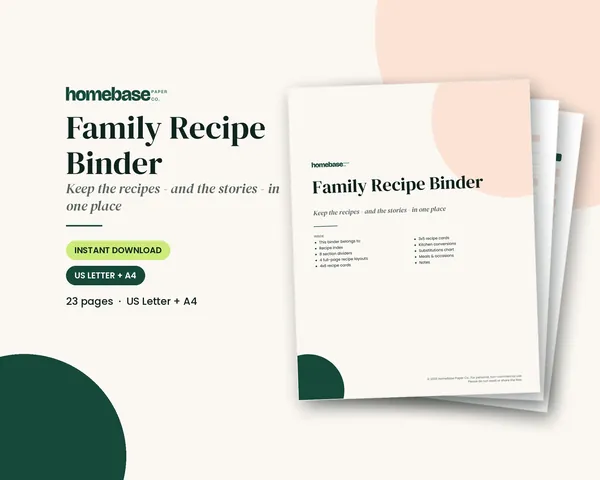
Family Recipe Binder
Section dividers, four recipe page layouts with room for the family story, 4x6 and 3x5 cards and a conversion chart - print it or type into the fillable version.

Printables
Budget Planner Printable
Twelve undated pages you can print every month: budget, bills, spending, savings and debt.
Prep time: 10 minCook time: 20 minTotal time: 30 minServings: 4 servings
Cooking temperatures and storage times were checked November 13, 2026, against FoodSafety.gov and USDA FSIS. The sections below cover the ingredients, steps, the five main Thai curries, swaps, spice control and storage.
Thai red curry ingredients (4 servings)
| Ingredient | Amount | Notes |
|---|---|---|
| Neutral oil | 1 tablespoon | Vegetable, canola or peanut |
| Thai red curry paste | 3–4 tablespoons | Start with 2 if you're sensitive to heat |
| Full-fat coconut milk | 1 can (13.5 oz) | Don't shake it; you'll use the thick cream first |
| Chicken broth | 1/2 cup | Or water |
| Boneless, skinless chicken thighs | 1 1/2 pounds | Sliced thin; breasts work too |
| Red bell pepper | 1 large | Sliced |
| Onion | 1/2 small | Sliced |
| Bamboo shoots or green beans | 1 cup | Drained bamboo or 1-inch beans |
| Fish sauce | 1–2 tablespoons | Soy sauce for no fish |
| Brown sugar or palm sugar | 1–2 teaspoons | Balances the heat |
| Lime | 1 | Juice, plus wedges to serve |
| Thai basil or regular basil | 1/2 cup leaves | Cilantro works too |
| Jasmine rice, cooked | 4 cups | For serving |
Thai red curry directions
- Fry the paste. Spoon the thick cream off the top of the coconut milk into a large skillet or wok with the oil. Cook over medium heat for 2 minutes, then stir in the curry paste and cook 1–2 minutes until it smells fragrant and the oil turns red.
- Brown the chicken. Add the sliced chicken and onion and stir for 3–4 minutes to coat everything in the paste.
- Simmer. Pour in the rest of the coconut milk and the broth. Bring to a gentle simmer and cook 6–8 minutes.
- Add vegetables. Add the bell pepper and bamboo shoots or green beans and simmer 4–5 minutes more, until the vegetables are crisp-tender and the chicken reaches 165°F, the safe temperature for poultry per FoodSafety.gov.
- Season and finish. Turn off the heat. Stir in fish sauce, sugar and half the lime juice, taste, and adjust. Fold in the basil and serve over jasmine rice with lime wedges.
Make-ahead tip: slice the chicken and vegetables the night before and keep them in separate containers in the fridge. Dinner is then 20 minutes from stove to table.
Types of Thai curry: red, green, yellow, panang and massaman
| Curry | Paste base | Heat (typical) | Flavor | Classic add-ins |
|---|---|---|---|---|
| Red curry | Dried red chiles | Medium-hot | Bold, savory, slightly sweet | Chicken, bamboo shoots, bell pepper, basil |
| Green curry | Fresh green chiles and herbs | Hot | Bright, herbal | Chicken or shrimp, eggplant, peas, basil |
| Yellow curry | Turmeric and warm spices | Mild | Rich, gently sweet | Chicken, potatoes, carrots, onion |
| Panang curry | Red-style paste with peanuts | Medium | Thick, nutty, less soupy | Beef or chicken, lime leaves |
| Massaman curry | Warm spices like cinnamon and cardamom | Mild | Sweet, aromatic | Beef or chicken, potatoes, peanuts |
To switch types, use the same method and change the paste and add-ins. Yellow and massaman curries need potatoes cut into 3/4-inch cubes; add them with the coconut milk so they get 15 minutes to soften. Heat levels vary by brand, so treat the table as a starting point.
Thai curry swaps and variations
| Swap | How to do it | Cook time change |
|---|---|---|
| Shrimp | 1 1/2 lb peeled large shrimp | Add in the last 3–4 minutes, until opaque |
| Beef | Thinly sliced flank or sirloin | Brown 2 minutes, simmer 5 minutes |
| Tofu | 14 oz extra-firm, pressed and cubed | Add with the vegetables |
| Chickpeas | Two 15-oz cans, drained | Add with the coconut milk |
| Light coconut milk | Same amount | Thinner sauce; simmer uncovered longer |
| No fish sauce | Soy sauce or tamari, to taste | None |
| Vegetables | Zucchini, snap peas, broccoli, sweet potato, spinach | Hard vegetables early, leafy greens at the end |
Vegetarian note: many Thai red and green curry pastes include shrimp paste, so read the label. For more meatless dinners, see tofu recipes and vegetarian recipes.
Controlling the spice
- Too hot: add more coconut milk, a teaspoon of sugar and extra lime juice, or serve with plain yogurt or cucumber on the side.
- Too mild: stir in more paste a teaspoon at a time, a sliced fresh Thai chile, or a spoonful of chili garlic sauce.
- Kid-friendly: cook with 2 tablespoons of paste, pull out kids' portions, then stir extra paste into the adult pot.
What to serve with Thai curry
- Rice: jasmine rice, brown rice or coconut rice
- Noodles: rice noodles tossed right into the sauce
- Sides: cucumber salad, steamed broccoli, a simple stir fry of greens
- Extras: lime wedges, chopped peanuts, sliced chiles, extra basil, or a drizzle of peanut sauce
Storing and reheating Thai curry
| Storage | How long | Tip |
|---|---|---|
| Counter | 2 hours max (1 hour above 90°F) | Refrigerate promptly |
| Refrigerator | 3–4 days | Store rice separately so it doesn't soak up all the sauce |
| Freezer | 3–4 months | Freeze curry without potatoes or rice; they turn grainy or mushy |
| Reheat | Until boiling or 165°F | Add a splash of broth or coconut milk if it thickens |
Times follow the USDA FSIS leftovers guide, which says to reheat sauces, soups and gravies to a rolling boil.
More curry and weeknight dinner ideas
Love curry? Try our chicken curry or butter chicken. For more fast dinners, browse one-pot meals and easy dinner ideas.
Plan curry night on a budget
A pantry stash of curry paste and canned coconut milk turns chicken thighs, frozen vegetables and rice into dinner for four, and leftovers make a ready lunch. Plan the week with meal planning on a budget, compare prices with a grocery price book, and track food spending on the Budget Planner Printable ($5.99).
Put curry night on the weekly grid in the Meal Planner & Grocery List ($3.99), and save your family's spice level and favorite paste in the Family Recipe Binder ($6.99). Browse all Home & organizing printables.
Frequently asked questions
What is Thai curry made of? Thai curry is made of curry paste simmered with coconut milk, a protein and vegetables, then seasoned with fish sauce, a little sugar and lime. The paste is a blend of chiles, lemongrass, galangal, garlic, shallots and spices, and its color tells you the type: red, green or yellow.
What is the difference between red, green and yellow Thai curry? Red Thai curry gets its color from dried red chiles, green curry from fresh green chiles and herbs, and yellow curry from turmeric and warm spices. Green curry is often the spiciest, yellow the mildest, and red sits in the middle, though heat varies a lot by paste brand.
How do I make Thai curry less spicy? Use less curry paste and more coconut milk. Start with 2 tablespoons of paste instead of 4, taste after 5 minutes of simmering, and add more only if you want it. A squeeze of lime and a spoonful of sugar also soften the heat.
Can I use store-bought curry paste? Yes. Store-bought Thai curry paste is how most home cooks make a fast weeknight curry, and it's what this recipe uses. Paste strength varies by brand, so taste as you go and adjust with more paste, fish sauce or lime.
What is the best chicken for Thai curry? Boneless, skinless chicken thighs are the best choice because they stay tender while they simmer. Breasts work too; slice them thin and add them a few minutes later so they don't dry out. Cook chicken to 165°F, per USDA guidance.
What do you serve with Thai curry? Serve Thai curry with steamed jasmine rice, which soaks up the sauce. Rice noodles, brown rice, cauliflower rice or warm flatbread also work, along with a crunchy cucumber salad on the side.
How long does Thai curry last in the fridge? Thai curry keeps 3 to 4 days in the refrigerator or 3 to 4 months in the freezer, according to USDA leftover guidance. Refrigerate it within 2 hours of cooking and reheat it until it boils or reaches 165°F.
Can I make vegetarian Thai curry? Yes. Swap the chicken for cubed extra-firm tofu or chickpeas, use vegetable broth, and replace fish sauce with soy sauce. Many red and green curry pastes contain shrimp paste, so check the label if you need it fully vegetarian.
Why is my Thai curry watery? Thai curry gets watery when you use light coconut milk, add too much broth or crowd in watery vegetables. Simmer it uncovered for a few extra minutes, use full-fat coconut milk, or stir in a teaspoon of cornstarch mixed with water.
How do I plan Thai curry into a weekly menu? Put Thai curry on a busy weeknight in the Meal Planner & Grocery List ($3.99) from HomeBase Paper Co. and add the paste, coconut milk and vegetables to that week's list. Making a double batch gives you lunch for two days.
Where can I save my Thai curry recipe and tweaks? The Family Recipe Binder ($6.99) from HomeBase Paper Co. keeps your curry recipe, preferred paste brand and spice level in one place, so it tastes the same every time. You can also start with the free recipe book starter pages, which we email to you.
Free printable
Get organized for the new year: get the free 2027 planner
A 16-page printable 2027 planner with a year-at-a-glance page and monthly calendars with US holidays marked. You'll also get our weekly HomeBase email with simple planning and home organization tips.

Sources
- FoodSafety.gov: Safe minimum internal temperatures foodsafety.gov
- USDA FSIS: Leftovers and Food Safety fsis.usda.gov