

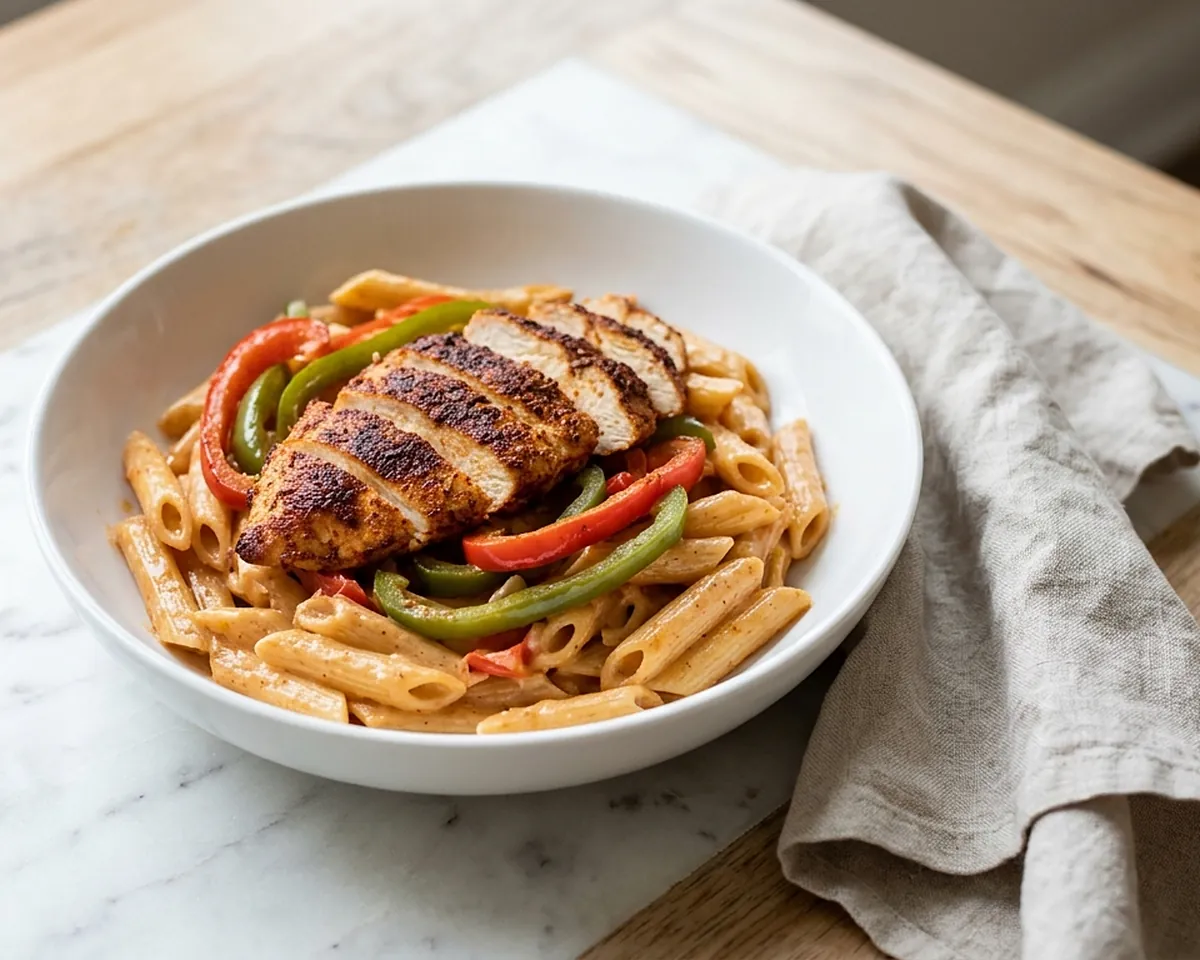
The short answer: Cajun chicken pasta is sliced chicken, bell pepper and a paprika spice mix tossed with pasta in a light cream sauce. Cook the chicken to 165°F, build the sauce in the same skillet, then fold in the noodles.
- Key numbers: 1 pound chicken · 165°F · 12 ounces pasta · about 30 minutes
- Top moves: slice the chicken thin, brown it hard, season in the pan, loosen the sauce with pasta water
Prep time: 10 minCook time: 20 minTotal time: 30 minServings: 4 servings
Amounts for this Cajun chicken pasta were checked November 7, 2026. It serves 4.
Cajun chicken pasta ingredients
| Ingredient | Amount | Notes |
|---|---|---|
| Boneless chicken breast or thigh | 1 pound | Sliced 1/2 inch thick |
| Spice mix | 2 tablespoons + 1/4 teaspoon | The full mix below |
| Bell pepper + onion | 1 pepper, 1 small onion | Sliced |
| Garlic | 2 cloves | Minced |
| Flour | 1 tablespoon | Optional, for a thicker sauce |
| Chicken broth | 1 cup | |
| Heavy cream or half-and-half | 3/4 cup | |
| Pasta | 12 ounces | Penne or fettuccine |
| Oil | 1 tablespoon | For the skillet |
| Salt | To taste | The spice mix is already salted |
Pantry spice mix
Stir together 2 teaspoons paprika, 1 teaspoon garlic powder, 1 teaspoon onion powder, 1/2 teaspoon dried oregano, 1/2 teaspoon dried thyme, 1/2 teaspoon salt, 1/2 teaspoon black pepper and 1/4 teaspoon cayenne. That is 6 1/4 teaspoons, or 2 tablespoons plus 1/4 teaspoon, and the chicken uses the full mix. Leave the cayenne out for a mild batch and the mix is then 2 tablespoons.
A store blend is fine. Read the label and skip extra salt until you taste the sauce.
How to make Cajun chicken pasta
- Boil the pasta in salted water for 10 to 12 minutes, until just tender. Save 1/2 cup of the pasta water. Drain the noodles.
- Season and cook the chicken. Toss the slices with the full spice mix. Heat oil in a wide skillet over medium-high. Cook in one layer, about 6 to 8 minutes, turning once, until a food thermometer in the center of a thick slice reads 165°F. Color is not a reliable test. Move it to a plate. USDA chicken handling says to skip rinsing raw poultry and to wash the board after it touches raw meat.
- Cook the vegetables. In the same skillet, soften the pepper and onion for about 4 minutes. Add the garlic for 30 seconds.
- Make the sauce. Sprinkle on the flour and stir for 30 seconds. Pour in the broth and scrape the pan. Stir in the cream and simmer 2 minutes until the sauce coats a spoon. If it is tight, add pasta water a splash at a time.
- Toss (1 to 2 minutes). Add the pasta and the chicken, including the juices on the plate. Taste for salt. Serve right away.
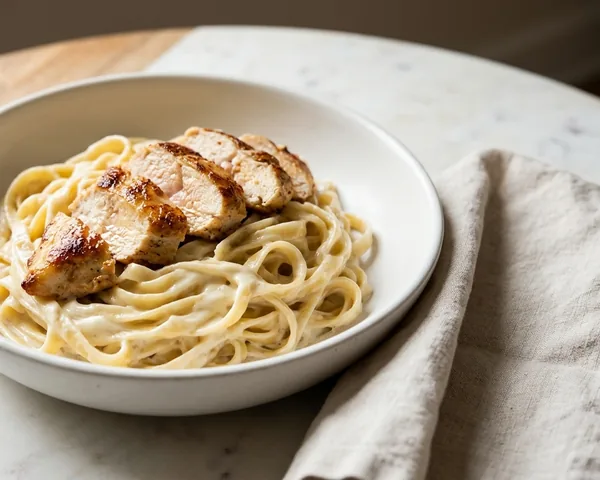
More ways to cook the chicken, if you want it baked instead of sliced, are on how to cook chicken. A milder cream sauce without the pepper mix is chicken alfredo or a plain alfredo sauce.
Rate this recipe
Cream sauce swaps and variations
| Change | How | What to expect |
|---|---|---|
| Half-and-half for cream | Use the 1 tablespoon of flour and simmer a little longer | Lighter sauce; thins out faster, so do not skip the flour |
| Milk and extra broth | Whole milk plus the broth, flour kept in | Lightest version; less rich and less saucy |
| Cream cheese | Whisk 2 to 3 ounces into the hot broth, then add pasta water | Silky, tangy and thick without much simmering |
| Shrimp instead of chicken | Cook until pink and opaque, about 2 to 3 minutes per side | Faster dinner; add at the end so it does not turn rubbery |
| Milder heat | Leave out the cayenne and use sweet paprika | Same color, family-friendly |
| More vegetables | Add sliced mushrooms or a handful of spinach with the peppers | Stretches the pan and adds color |
Cream sauces can separate if boiled hard. Keep the simmer gentle, add cream off a rolling boil, and reheat leftovers low and slow with a splash of milk.
One-pot version
Skip the separate pasta pot. After the vegetables, add 12 ounces of penne and 3 cups of broth instead of 1 cup. Cover and simmer until the pasta is tender, about 12 minutes, stirring twice so it does not stick. Stir in the cream and the cooked chicken at the end. The sauce will be thicker. Add water if the pasta drinks it all.
Sausage, heat and leftovers
Read the sausage package before it goes in the skillet. The temperature chart sets raw pork or beef sausage, including raw andouille, at 160°F, and raw poultry sausage at 165°F. A smoked label does not mean the sausage is cooked. If the package says fully cooked, reheat it to 165°F with the leftovers rule. Drain extra fat or the cream will split and taste greasy.
Affiliate links: we may earn a small commission. As an Amazon Associate we earn from qualifying purchases. Details.
Airtight glass containers with lids keep leftovers fresh and can go from the fridge to the microwave.
Refrigerate leftovers within 2 hours, or within 1 hour if the air is above 90°F, in a shallow container. Leftover guidance allows about 3 to 4 days and says to reheat leftovers to 165°F measured with a food thermometer. Loosen the sauce with a spoon of milk while it reheats. Do not leave the skillet out for a late second dinner.
A food thermometer such as the Alpha Grillers instant-read thermometer makes that check quick and exact.
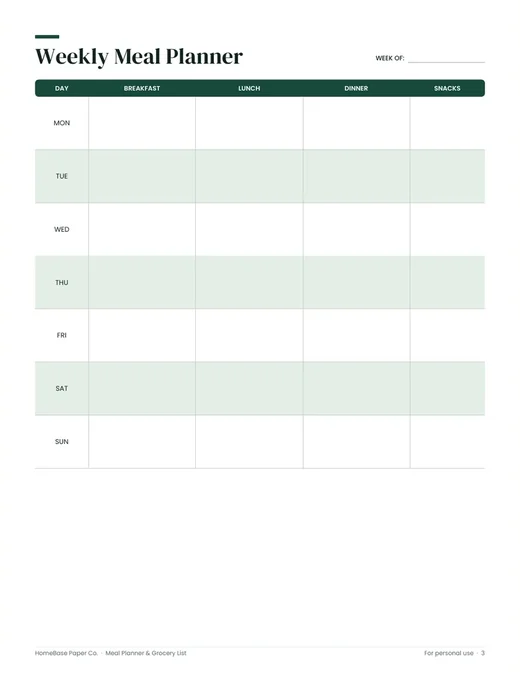
Plan pasta night and save the spice mix
This is a weeknight if the chicken is sliced before you start. Write it on the day you have 30 minutes.
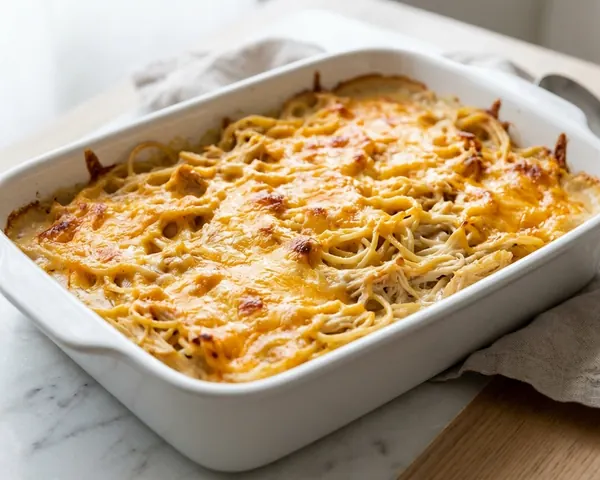
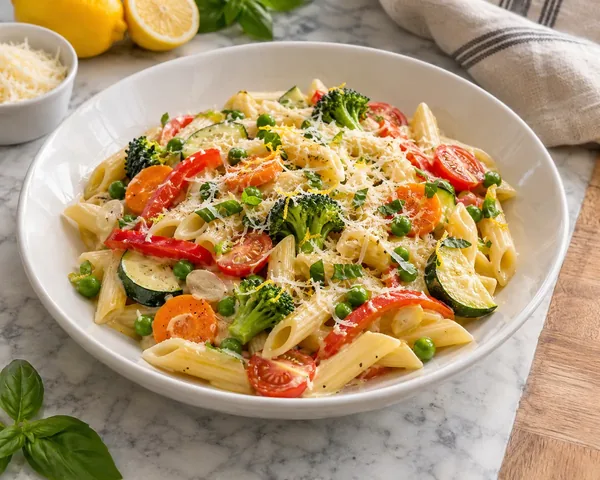
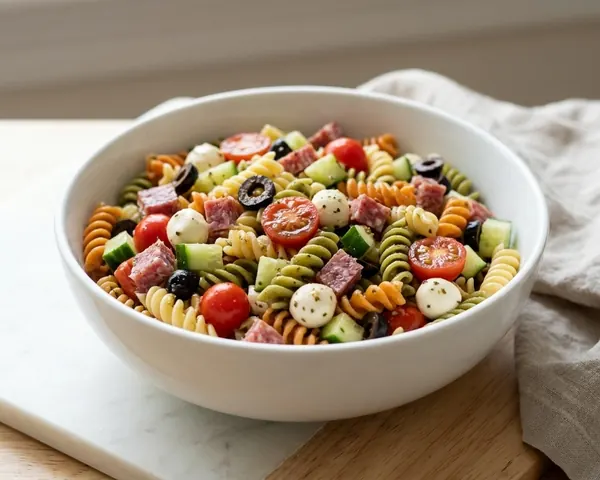
Browse more kitchen printables in the printables shop. A broader pasta list is on pasta recipes.
For more dinners that finish in a single pan, see these meals under 30 minutes sorted by cooking method.
More pasta dinners you'll love
Frequently asked questions
How do you make Cajun chicken pasta? Season sliced chicken with the full paprika spice mix, cook it to 165°F on a food thermometer, then saute bell pepper and onion in the same skillet. Stir in garlic, a little flour, broth and cream, add cooked pasta, and toss the chicken back in.
What is in Cajun seasoning for this pasta? A home mix is paprika, garlic powder, onion powder, dried oregano, dried thyme, salt, black pepper and cayenne. Start with 1/4 teaspoon cayenne for a mild pot and add more at the table. You can use a labeled Cajun seasoning blend instead and taste before you salt the sauce.
What temperature should the chicken reach? Cook the chicken to 165°F in the thickest slice, measured with a food thermometer. FoodSafety.gov lists 165°F for all poultry and says to use a thermometer. Color is not a reliable test, and cutting a piece open is not a substitute.
Can I use sausage in Cajun chicken pasta? Yes, you can use sausage in Cajun chicken pasta if you follow the package and the FoodSafety.gov chart. Raw pork or beef sausage, including raw andouille, must reach 160°F. Raw chicken or turkey sausage must reach 165°F. If the label says fully cooked, reheat it to 165°F. Smoking alone does not tell you the sausage is cooked. Drain extra fat before the peppers go in.
Is this a one-pot Cajun chicken pasta? The chicken and sauce are one skillet. Boiling the pasta in a separate pot gives you cleaner timing and a starchier splash of pasta water if the sauce is tight. A true one-pot version simmers the dry pasta in extra broth. Stir often so it does not stick.
How long do leftovers last? Refrigerate Cajun chicken pasta within 2 hours, or within 1 hour if the air is above 90°F, in a shallow container. USDA leftover guidance allows about 3 to 4 days. Reheat until a food thermometer in the center reads 165°F. Cream sauces tighten in the fridge. Loosen them with a splash of milk.
Can I make it less spicy? Yes, you can make Cajun chicken pasta less spicy. Leave the cayenne out of the rub and use sweet paprika only. Bell pepper still tastes like the dish. Pass hot sauce at the table for people who want heat.
Newsletter
Get the HomeBase email
Fresh tips three times a week, Mon/Wed/Fri, with our deals and new products, from printables, spreadsheets and bundles to paperback planners and apparel, plus simple home, money and planning tips.
Sources
- FoodSafety.gov: Safe minimum internal temperatures foodsafety.gov
- USDA FSIS: Chicken from Farm to Table fsis.usda.gov
- USDA FSIS: Leftovers and food safety fsis.usda.gov
Made this? Tell us how it went
Your notes help the next cook: what you changed, how long it took, how it turned out.