

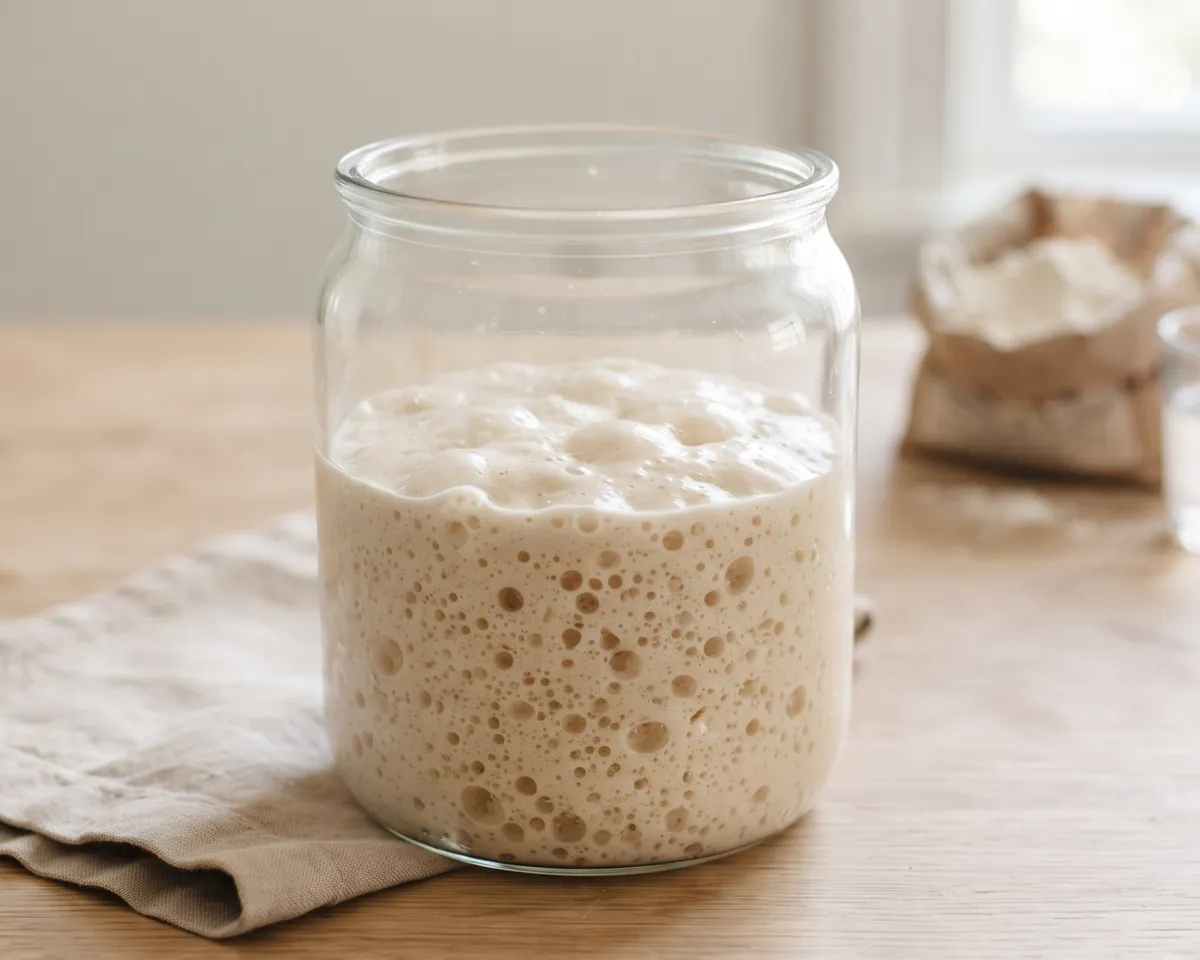
The short answer: a sourdough starter is flour and water fermented by wild yeast and bacteria. Mix 120 g whole wheat flour with 120 g water, wait 24 hours, then keep 60 g of starter and feed it 60 g flour and 60 g water, once on day 2 and every 12 hours on days 3 to 5. It is usually ready in 5 days, when it doubles within 4 to 8 hours of a feeding.
- Key numbers: 1:1:1 feeding ratio by weight · about 70 to 75°F · 7 feedings over 5 days · 25 minutes of hands-on time.
- Ready test: doubled, bubbly, tangy smell, thick batter texture.
Prep time: 25 minCook time: 0 minTotal time: 120 hrServings: 1 jar of starter (about 180 g)Total includes 5 days of fermenting; a cool kitchen can take 7 days or more.
Safety and timing guidance was checked November 14, 2026, against Colorado State University Extension, the WSU Breadlab and the FDA. Below: the sourdough starter recipe, a day-by-day schedule, feeding ratios, storage, discard ideas and fixes. Once you are baking loaves, is sourdough bread good for you looks at what the research actually shows.
Sourdough starter ingredients
| Ingredient | Amount | Notes |
|---|---|---|
| Whole wheat or whole rye flour | 120 g (about 1 cup) | Day 1 only. |
| Unbleached all-purpose or bread flour | 420 g (about 3 1/2 cups) total | 60 g (about 1/2 cup) per feeding, 7 feedings. |
| Room-temperature water, 70 to 75°F | 540 g (about 2 1/4 cups) total | 120 g on day 1, then 60 g (1/4 cup) per feeding. |
You also need a 1-quart glass jar, a spoon, a loose lid or a cloth with a rubber band, and a kitchen scale. A scale matters here because flour measured by the cup can vary a lot.
Sourdough starter recipe directions
- Mix on day 1 (4 minutes). In a clean 1-quart jar, stir 120 g whole wheat flour and 120 g water until no dry flour remains.
- Rest 24 hours. Cover loosely and leave the jar at about 70 to 75°F. Colorado State University Extension says a loose cover lets gas escape and discourages mold.
- Feed on day 2 (3 minutes). Stir, then discard all but 60 g. Add 60 g all-purpose flour and 60 g water, and stir until smooth.
- Rest 24 hours. Mark the starter's level with a rubber band so you can see it rise.
- Feed twice a day on days 3 to 5 (3 minutes each). Every 12 hours, keep 60 g of starter, add 60 g flour and 60 g water, stir and cover loosely. That is 6 feedings.
- Check at the end of day 5. The starter is ready when it doubles within 4 to 8 hours of a feeding, is full of bubbles and smells pleasantly tangy. If it isn't there yet, keep feeding every 12 hours on days 6 and 7, or longer.
The hands-on time adds up to about 25 minutes: 4 minutes on day 1 and 7 feedings of 3 minutes each.
Rate this recipe
Sourdough starter feeding schedule
| Day | What to do | What you'll likely see |
|---|---|---|
| 1 | Mix 120 g whole wheat flour + 120 g water | Thick paste, few or no bubbles. |
| 2 | Keep 60 g; feed 60 g flour + 60 g water once | Some bubbles, maybe a quick rise. |
| 3 | Feed every 12 hours (2 feedings) | Often quiet; this is normal. |
| 4 | Feed every 12 hours (2 feedings) | Bubbles return; tangy smell starts. |
| 5 | Feed every 12 hours (2 feedings) | Doubles within 4 to 8 hours of feeding. |
| 6 to 7 | Keep going if it isn't doubling yet | Cool kitchens can take longer. |
The WSU Breadlab says bubbles usually show up in about 3 to 5 days, depending on your kitchen.
Sourdough starter feeding ratios
| Ratio (starter:flour:water) | Example | Peaks in about | Use it when |
|---|---|---|---|
| 1:1:1 | 60 g : 60 g : 60 g | 4 to 8 hours | Building a new starter, daily feeding. |
| 1:2:2 | 30 g : 60 g : 60 g | 6 to 10 hours | Warm kitchen, or you want a milder flavor. |
| 1:5:5 | 10 g : 50 g : 50 g | 10 to 12 hours | Feeding at night to bake in the morning. |
Peak times are typical ranges and change with temperature and flour.
How to tell your sourdough starter is ready
- It doubles: the top rises to at least twice the rubber band mark within 4 to 8 hours of a feeding.
- It's bubbly all the way through: you see bubbles on the sides and on top.
- It smells tangy: like yogurt or mild vinegar, not like nail polish or rot.
- It's thick and stretchy: like a thick pancake batter.
- Don't taste it: CSU Extension says not to taste raw starter, and the FDA says not to eat raw dough or batter. Judge by rise, bubbles and smell.
How to fix a slow or smelly starter
| Problem | Likely cause | Fix |
|---|---|---|
| No bubbles after 3 days | Cold kitchen | Move it near 75°F, such as the oven with only the light on. |
| Rose on day 2, then stopped | Normal early bacteria phase | Keep feeding; activity returns. |
| Gray liquid on top (hooch) | Hungry starter | Pour off or stir in, then feed. |
| Smells like nail polish | Very hungry | Feed more often or use a 1:2:2 ratio. |
| Runny, never rises much | Too much water or weak flour | Use a little less water or bread flour. |
| Fuzzy spots or pink, orange or green streaks | Mold | Throw it out and start over in a clean jar. |
How to store and maintain a sourdough starter
| If you bake | Keep it | Feed it |
|---|---|---|
| Daily or every other day | On the counter | Every 12 to 24 hours. |
| Once a week or less | In the refrigerator, lid loose | About once a week. |
| Rarely | Dried, as CSU Extension notes | Rehydrate and feed for several days. |
To bake from a refrigerated starter, take it out, feed it once or twice at room temperature and use it when it has doubled.
What to bake with sourdough starter and discard
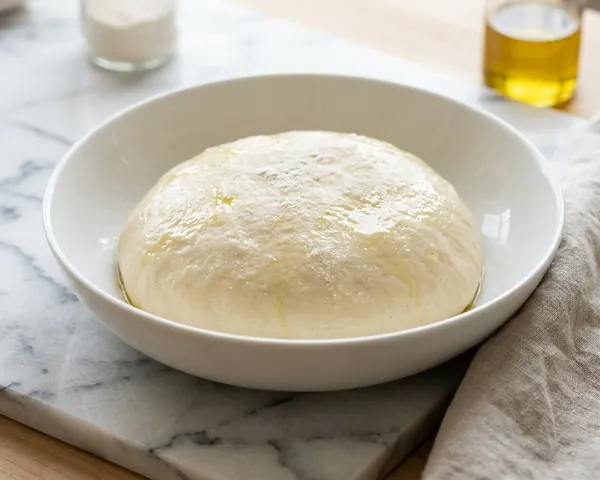
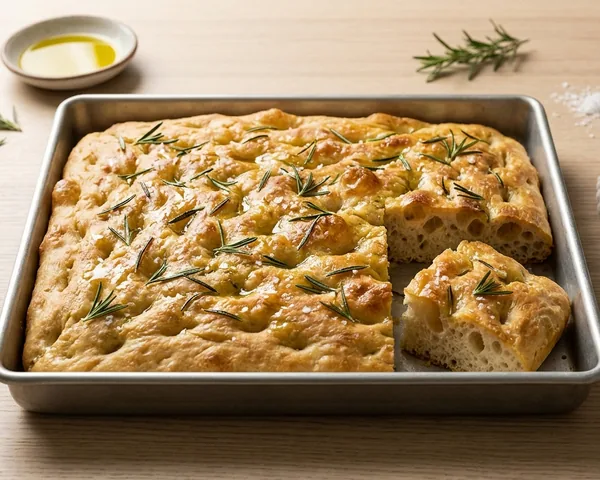
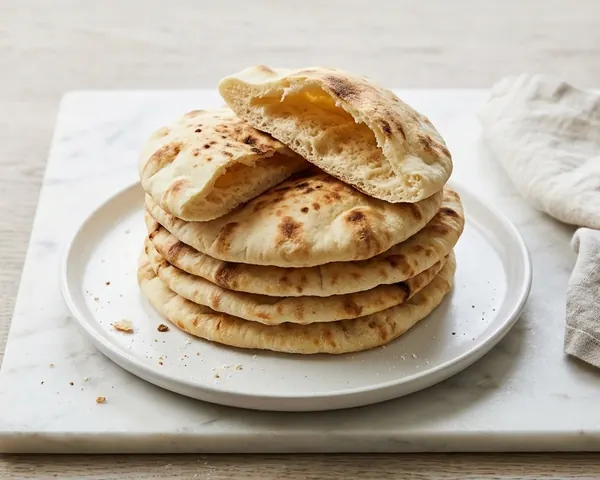
Use active starter for bread and focaccia, or as part of the rise in pizza dough. Discard works in pancakes, waffles, pita bread and crackers. New to yeast? Read how to proof yeast first. For more ideas, see our easy baking recipes, rye bread and banana bread.
Starter discard makes soft dinner rolls, and more bread basics live in our cooking basics hub. Flour is cheap, so check how to grocery shop on a budget to keep a baking habit affordable.
Keep your baking organized
Browse all Home & organizing printables.
More breads you'll love
Frequently asked questions
How do you make a sourdough starter? To make a sourdough starter, stir 120 grams of whole wheat flour with 120 grams of room-temperature water in a jar and leave it loosely covered for 24 hours. Then discard all but 60 grams and feed it 60 grams of all-purpose flour and 60 grams of water, once on day 2 and every 12 hours on days 3 to 5.
How long does it take to make a sourdough starter? Most sourdough starters take 5 to 7 days to become active, and some take 2 weeks in a cool kitchen. Washington State University's Breadlab says bubbles usually appear in about 3 to 5 days. Watch for a starter that doubles within 4 to 8 hours of a feeding rather than counting days.
What is the best flour for a sourdough starter? Whole wheat or whole rye flour is best for the first day because it carries more of the wild yeast and nutrients that get fermentation going. After that, unbleached all-purpose or bread flour works well for regular feedings. Avoid bleached flour, which can be slower.
What is the sourdough starter feeding ratio? A common feeding ratio is 1:1:1 by weight: equal parts starter, flour and water, such as 60 grams of each. Bakers who want a slower, less sour starter use 1:2:2 or 1:5:5, which gives the yeast more food and more time before it peaks.
How do I know when my sourdough starter is ready? Your sourdough starter is ready when it reliably doubles in volume within 4 to 8 hours of a feeding, is full of bubbles, smells pleasantly tangy and has a thick batter texture. A spoonful dropped into water often floats, but the rise after feeding is the better test.
Why is my sourdough starter not bubbling? A starter that isn't bubbling is usually too cold, is fed bleached flour or just needs more time. Move it to a spot near 75°F, switch to whole wheat or rye for a few feedings and keep the schedule. Days 2 to 4 often go quiet after an early burst of bubbles, which is normal.
What is the liquid on top of my sourdough starter? The gray or brown liquid on top is called hooch. It forms when a starter is hungry. Colorado State University Extension says it is a normal by-product of the yeast and can be poured off or stirred in. Pour it off for a milder flavor, then feed the starter.
When should I throw out a sourdough starter? Throw out a starter that shows mold, such as fuzzy spots or pink, orange or green streaks, and clean the jar before starting over. Colorado State University Extension says moldy starter should not be used. Gray hooch and a sharp, alcohol-like smell are normal signs of hunger.
Can I taste my sourdough starter to see if it's ready? No. Raw flour isn't ready to eat and can carry harmful bacteria, so judge readiness by rise, bubbles and smell instead. Colorado State University Extension advises against tasting raw starter, and the FDA says not to eat raw dough or batter before it is cooked.
How do I store a sourdough starter in the refrigerator? Feed the starter, let it sit 1 to 2 hours until bubbly, then refrigerate it with the lid on loosely. Feed it about once a week. Before baking, take it out, feed it once or twice at room temperature and use it at its peak, when it has doubled.
What can I do with sourdough discard? Sourdough discard is the starter you remove before feeding. Use it in pancakes, waffles, crackers, flatbread or pizza dough, or keep it in a jar in the refrigerator for up to about a week and bake with it. It adds tang but little rise, so most discard recipes also use baking powder or yeast.
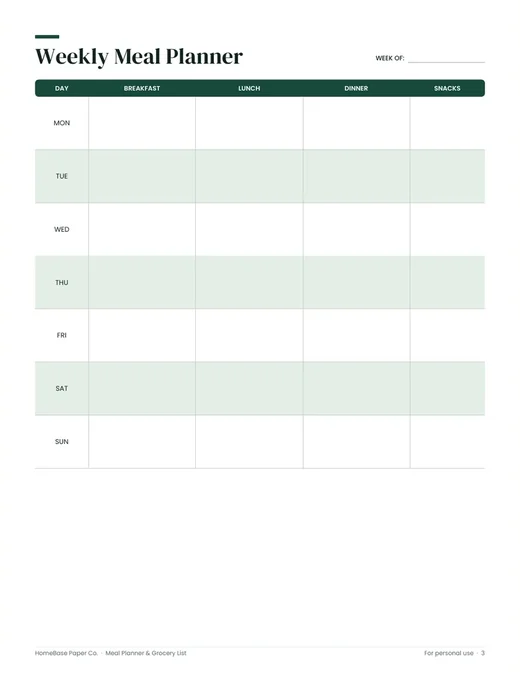
How do I keep track of feedings and bread recipes? Use the free habit tracker printable from HomeBase Paper Co. to check off each feeding for the first week.
Newsletter
Get the HomeBase email
Fresh tips three times a week, Mon/Wed/Fri, with our deals and new products, from printables, spreadsheets and bundles to paperback planners and apparel, plus simple home, money and planning tips.
Sources
- Colorado State University Extension: Sourdough Starter Best Practices extension.colostate.edu
- WSU Breadlab: Sourdough Starter breadlab.wsu.edu
- FDA: Handling Flour Safely fda.gov
Made this? Tell us how it went
Your notes help the next cook: what you changed, how long it took, how it turned out.