

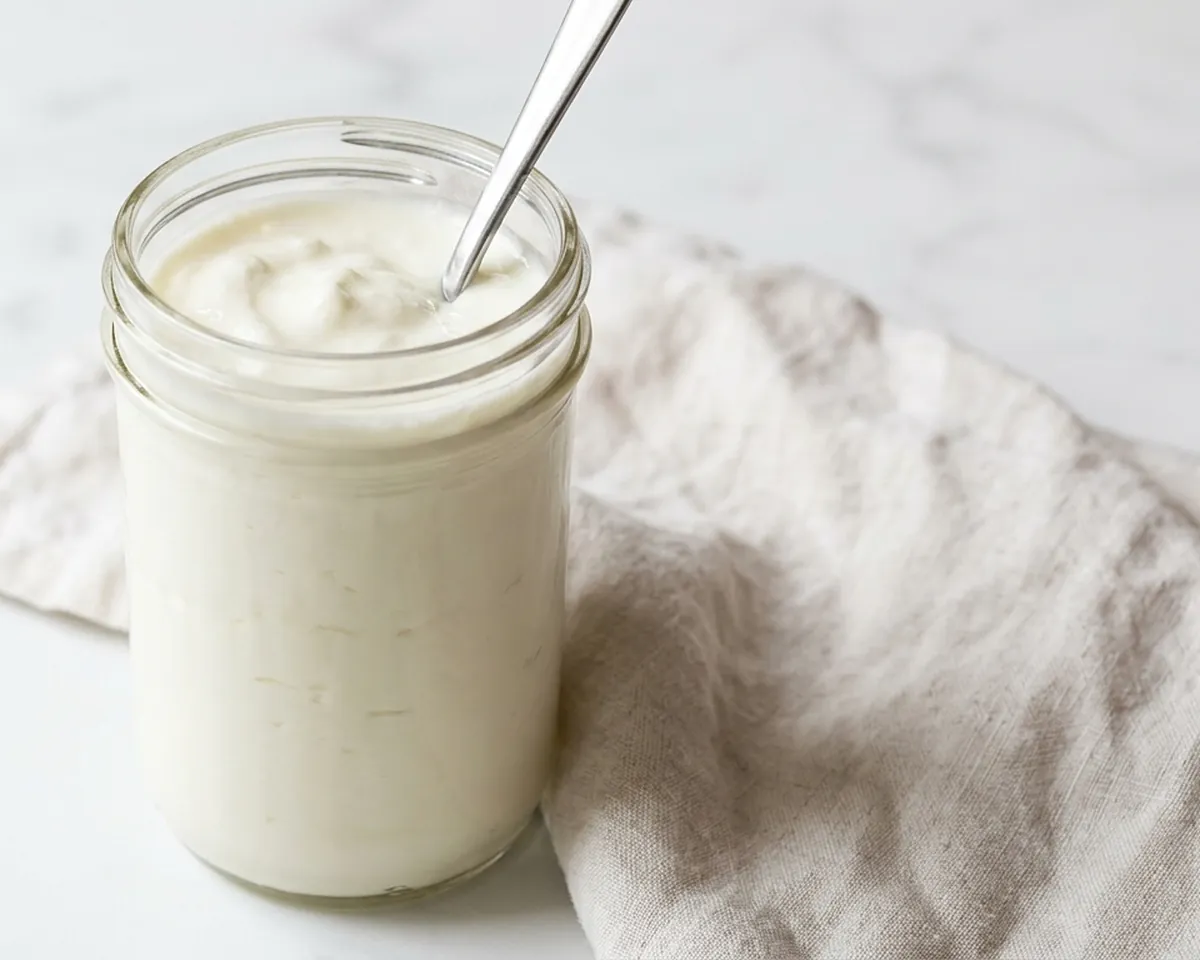
The short answer: how to make yogurt at home: heat 8 cups of pasteurized milk to 180°F and hold it there 10 minutes, cool it to 110°F, stir in 1/4 cup plain yogurt with live cultures, and keep the jars at about 110°F for 6 to 8 hours until set. Chill at least 4 hours. You get about 2 quarts.
- Key numbers: 180°F hold 10 min · cool to 110°F · incubate 6 to 8 hr · keeps 10 to 21 days at 40°F or lower.
- Incubate in: an Instant Pot yogurt setting, a cooler with warm water, a warm oven or a slow cooker water bath.
Prep time: 10 minCook time: 30 minTotal time: 11 hr 55 minServings: 8 servings (about 1 cup each)Total includes 15 min of cooling, 7 hr of incubating and 4 hr of chilling.
Temperatures and times were checked November 15, 2026, against University of Alaska Fairbanks Cooperative Extension and Utah State University Extension. Below: ingredients, steps, incubation methods, Greek yogurt, fixes and storage.
Homemade yogurt ingredients
| Ingredient | Amount | Notes |
|---|---|---|
| Pasteurized milk | 8 cups (1/2 gallon) | Whole for the creamiest result; 2% works |
| Plain yogurt with live and active cultures | 1/4 cup (60 g) | Unsweetened, fresh, within its date |
| Nonfat dry milk powder | 1/3 cup | Optional, for thicker yogurt |
| Ice and cold water | 2 trays of ice plus cold tap water | For the cooling bath in step 4 |
You need a heavy 4-quart saucepan, a thermometer, a whisk, 4 clean pint jars with lids, and a way to hold about 110°F.
Homemade yogurt directions
- Clean the jars (5 minutes). Wash the jars, lids and whisk in hot, soapy water and rinse them with very hot water.
- Heat the milk (20 minutes). Whisk the milk and milk powder in the saucepan and heat over medium-low, stirring often, until it reaches 180°F.
- Hold at 180°F (10 minutes). Keep the milk at 180°F to 185°F, stirring, without letting it boil.
- Cool to 110°F (15 minutes). Set the pan in a sink of ice and cold water and stir until the milk drops to 110°F.
- Temper the starter (2 minutes). Whisk the 1/4 cup yogurt with 1 cup of the warm milk until smooth, then stir it back into the pan.
- Fill the jars (3 minutes). Pour the milk into the warm jars and screw on the lids.
- Incubate (6 to 8 hours). Keep the jars at about 110°F without moving them until the yogurt is set and pulls away from the side when tilted.
- Chill (4 hours). Refrigerate the jars right away; the yogurt firms up more as it gets cold.
Nutrition (per serving, estimated)
Serving size: about 1 cup.
| Calories | 150 |
|---|---|
| Total fat | 8 g |
| Saturated fat | 5 g |
| Cholesterol | 25 mg |
| Sodium | 110 mg |
| Total carbohydrate | 12 g |
| Dietary fiber | 0 g |
| Total sugars | 13 g |
| Protein | 8 g |
Excludes optional ingredients and garnishes.
This is an estimate calculated from USDA FoodData Central data for the listed ingredients and amounts. Actual values vary with brands, portions and substitutions.
Rate this recipe
Ways to incubate homemade yogurt
University of Alaska Fairbanks Extension says the cultures like warm temperatures, can be killed above 130°F and won't grow well below 98°F, so aim for 110°F. It lists a yogurt maker, insulated cooler, thermos or oven as incubators. Utah State University Extension cools milk to 112°F to 115°F and incubates 4 to 8 hours.
| Method | How to hold about 110°F | Notes |
|---|---|---|
| Instant Pot or multicooker | Yogurt setting, about 8 hours | Follow your model's manual |
| Insulated cooler | Prewarm it, then set jars in 110°F water halfway up | Close the lid; check and add warm water |
| Oven | Jars in a pan of 110°F water, oven at its lowest point | Check with a thermometer |
| Slow cooker | Jars in 110°F to 120°F water, cooker off, lid on, wrapped in a towel | Add warm water if it cools |
| Thermos | Prewarm with boiling water, fill with 110°F milk | Good for 1 small batch |
Tang tip: the longer it incubates, the tangier it gets. Taste a jar at 6 hours and chill it as soon as you like the flavor.
How to make Greek yogurt and flavored yogurt
- Greek yogurt: chill the yogurt, then drain it in a strainer lined with cheesecloth or a coffee filter in the refrigerator for 2 to 4 hours. 8 cups make about 4 cups of Greek yogurt.
- Flavor after chilling: stir in honey, maple syrup, vanilla or fruit just before eating, so the starter you save stays plain.
- Save starter: set aside 1/4 cup from each batch in a clean jar to start the next one within a week.
How to fix homemade yogurt problems
| Problem | Likely cause | Fix |
|---|---|---|
| Runny or not set | Milk not held at 180°F, cool incubator or weak starter | Hold the full 10 minutes; keep jars near 110°F; use fresh starter |
| Very sour | Incubated too long | Taste at 6 hours and chill sooner |
| Lumpy or grainy | Milk overheated or starter not whisked in | Keep under a boil; temper the starter in 1 cup of milk first |
| Lots of liquid on top | Over-incubated or jars moved | Stir the whey back in or drain it for Greek yogurt |
| Skin on the milk | Milk cooled uncovered | Lift the skin off before adding the starter |
How to use and store homemade yogurt
Use homemade yogurt in overnight oats, cucumber tzatziki and healthy smoothies, or as a protein boost from our high-protein foods list. For more morning ideas, see our healthy breakfast ideas.
| Where | How long | Tips |
|---|---|---|
| Refrigerator at 40°F or lower | About 10 to 21 days (UAF Extension) | Covered; use a clean spoon |
| Saved starter | Use within about 1 week | Fresher starter sets faster |
| Freezer | Up to 2 months | Texture softens; best for smoothies and baking |
Discard any yogurt with mold, an off color or any smell other than fresh and tangy.
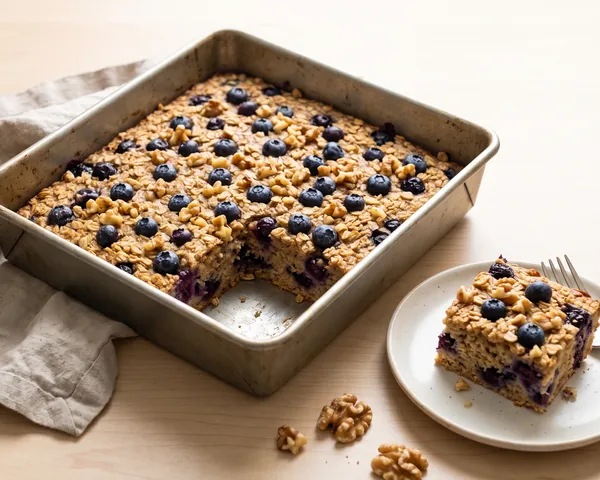
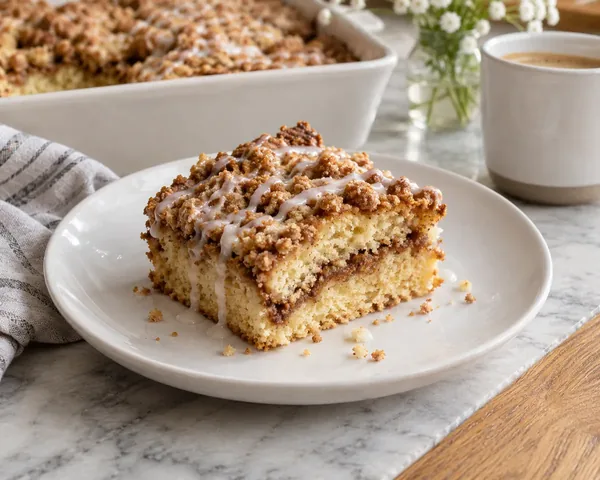
More breakfast recipes you'll love

Frequently asked questions
How do you make yogurt at home? To make yogurt at home, heat 8 cups of pasteurized milk to 180°F and hold it there for 10 minutes. Cool it to 110°F, whisk 1/4 cup of plain yogurt with live cultures into a cup of the warm milk, stir it back in, and keep the jars at about 110°F for 6 to 8 hours until set. Chill before eating.
What do you need to make yogurt at home? You need milk, a few spoonfuls of plain yogurt with live and active cultures as a starter, a heavy saucepan, an instant-read or candy thermometer, clean jars, and a way to hold about 110°F for several hours. A cooler, an oven, a thermos, a yogurt maker or a multicooker yogurt setting all work.
Why do you heat milk to 180°F for yogurt? Heating milk to about 180°F, then holding it there, changes the milk proteins so they set into a thicker, smoother yogurt instead of separating into curds and whey. It also knocks back competing bacteria. Extension guides say a longer hold of up to 20 minutes gives a thicker yogurt.
What temperature should yogurt incubate at? Incubate homemade yogurt at about 110°F. University of Alaska Fairbanks Extension notes yogurt cultures grow best in warm conditions, can be killed above 130°F and will not grow well below 98°F. Keep the jars between roughly 105°F and 115°F and do not move or stir them while they set.
How long does homemade yogurt take to set? Homemade yogurt usually sets in 6 to 8 hours at about 110°F. Fresher, more active starter and a steady temperature set it faster, while a cooler spot can stretch it to 10 hours or more. Longer incubation makes the yogurt tangier, so refrigerate it as soon as it looks set.
Can I use store-bought yogurt as a starter? Yes. Use plain, unsweetened store-bought yogurt that says live and active cultures on the label, and check that it is well within its date. Skip flavored yogurt, which can carry sugar and additives. Save 1/4 cup of each homemade batch to start the next one while it is fresh.
How do you make yogurt in an Instant Pot? Use the Yogurt function and follow your model's manual. In general, you run the boil cycle to heat the milk to about 180°F, cool the inner pot to about 110°F, whisk in the starter, then run the yogurt cycle for about 8 hours. Chill the finished yogurt in the refrigerator before eating.
Can you make yogurt in a slow cooker? Yes, as a warm water bath rather than a cooker. Heat and cool the milk on the stove, add the starter and fill jars. Set the jars in the slow cooker crock with water at about 110°F to 120°F up to their shoulders, turn the cooker off, cover and wrap it in a towel.
How do you make Greek yogurt at home? Make regular homemade yogurt, chill it, then spoon it into a strainer lined with cheesecloth or a coffee filter set over a bowl. Let it drain in the refrigerator for 2 to 4 hours. The longer it drains, the thicker it gets. Save the drained whey for smoothies or baking.
Why is my homemade yogurt runny? Runny homemade yogurt usually comes from milk that was not heated and held long enough, an incubation spot that was too cool or too hot, or weak starter. Hold the milk at 180°F for the full 10 minutes, keep the jars near 110°F, and use fresh, active starter.
How long does homemade yogurt last? University of Alaska Fairbanks Extension says homemade yogurt keeps about 10 to 21 days in the refrigerator at 40°F or lower. Keep it covered and use a clean spoon each time. Discard any yogurt with mold, a pink or off color, or an odor other than a fresh, tangy smell.
Is making yogurt at home cheaper? Usually, yes. Homemade yogurt costs about what the milk costs, because one half gallon of milk makes about 2 quarts of yogurt and you can save starter from each batch.
Newsletter
Get the HomeBase email
Fresh tips three times a week, Mon/Wed/Fri, with our deals and new products, from printables, spreadsheets and bundles to paperback planners and apparel, plus simple home, money and planning tips.
Made this? Tell us how it went
Your notes help the next cook: what you changed, how long it took, how it turned out.