

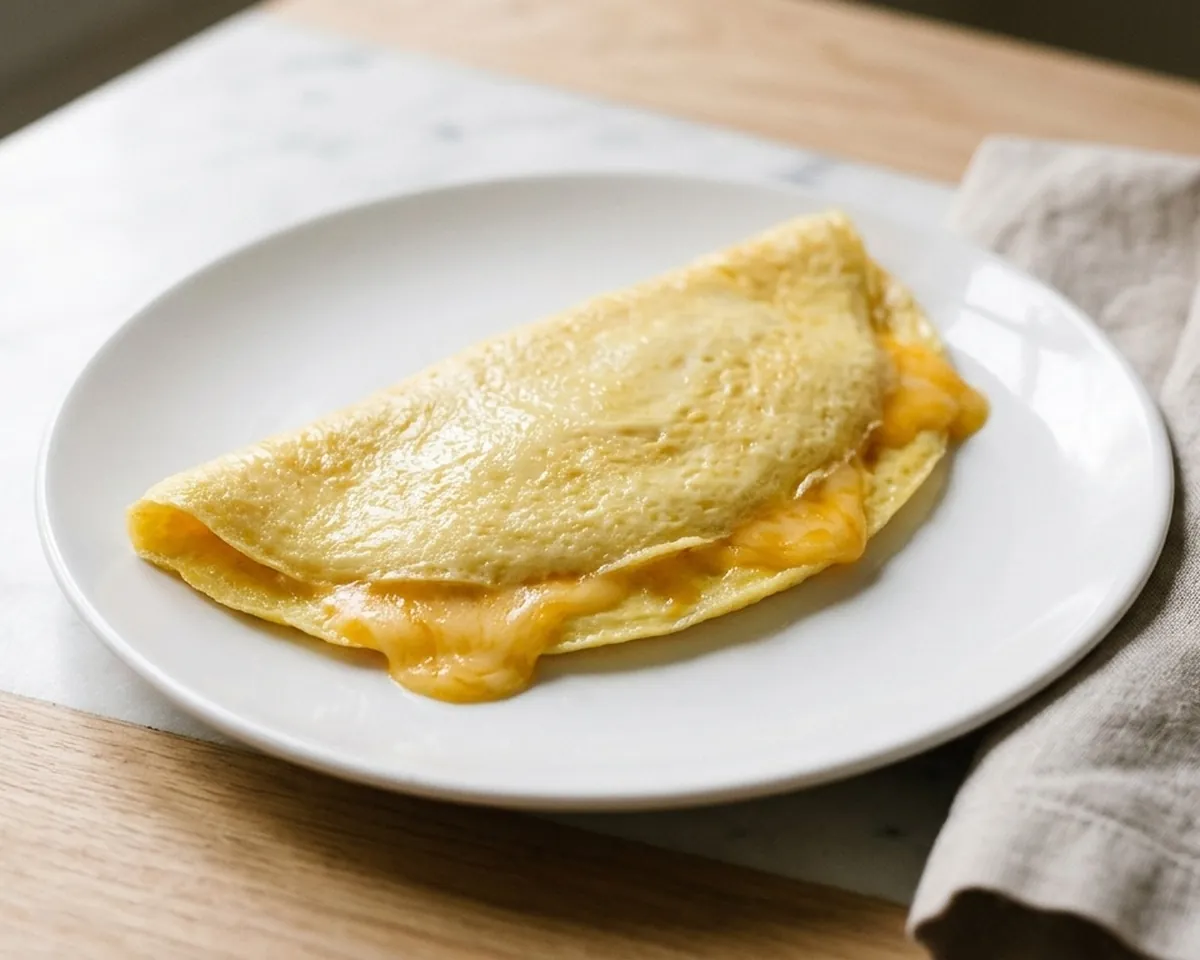
The short answer: a good omelette (same dish as an omelet) is 2 to 3 beaten eggs cooked in butter over medium heat, filled, then folded. Master the pan heat and the fold; fillings are flexible.
- Key numbers: 2 to 3 eggs · 8 to 10 inch nonstick pan · about 5 minutes · ~18 g protein in a 3-egg omelette before add-ins
- Top moves: beat just until blended, medium heat, fillings ready first, fold while the top is still slightly glossy
Prep time: 2 minCook time: 3 minTotal time: 5 minServings: 1 serving
Technique notes on this omelette recipe were checked November 5, 2026. Spelling variants omelet / omelette share this page.
Omelette ingredients (1 serving)
| Ingredient | Amount | Notes |
|---|---|---|
| Large eggs | 2 or 3 | Room temperature blends easier |
| Butter or oil | 1 to 2 teaspoons | Butter for flavor |
| Kosher salt | Pinch | Add to the eggs |
| Fillings | ¼ to ⅓ cup total | Pre-cooked and warm |
| Cheese (optional) | 2 to 3 tablespoons grated | Add just before folding |
How to make an omelette (American fold)
- Prep fillings first. Sauté vegetables or warm meat. Grate cheese. Keep them near the stove.
- Beat the eggs. Crack into a bowl with a pinch of salt. Beat with a fork for about 30 seconds, until the yolks and whites are just one color. Do not whip in a lot of air.
- Heat the pan. Medium heat, 8 to 10 inch nonstick. Melt the butter for about 30 seconds, until it foams.
- Cook. Pour in the eggs. As edges set, pull them toward the center with a spatula and tilt the pan so raw egg fills the gaps. This takes about 2 minutes.
- Fill. When the top is mostly set but still glossy, add fillings on one half, about 30 seconds before folding.
- Fold. Fold the empty half over the fillings. Slide onto a plate. Rest 30 seconds.
Nutrition (per serving, estimated)
Serving size: 1 serving.
| Calories | 180 |
|---|---|
| Total fat | 13 g |
| Saturated fat | 6 g |
| Cholesterol | 380 mg |
| Total carbohydrate | 1 g |
| Dietary fiber | 0 g |
| Total sugars | 0 g |
| Protein | 13 g |
Excludes ingredients listed without an amount (to taste, for serving, for the pan). Excludes optional ingredients and garnishes. Sodium is not shown because salt or salty items are added to taste.
This is an estimate calculated from USDA FoodData Central data for the listed ingredients and amounts. Actual values vary with brands, portions and substitutions.
Rate this recipe
French-style omelette (rolled, pale)
Use the same 2 to 3 eggs. Keep the heat a touch higher, stir continuously with a fork for tiny curds, stop while the surface is soft, then roll onto the plate seam-side down. Little to no browning is the goal. Serve promptly.
| Style | Heat | Look | Best for |
|---|---|---|---|
| American folded | Medium | Light golden, hearty fillings | Weekday breakfast |
| French rolled | Medium-high | Pale, soft, minimal filling | Brunch technique |
12 omelette filling ideas
- Cheddar and chives
- Swiss, mushroom and thyme
- Spinach and feta
- Ham and cheddar
- Tomato, basil and mozzarella
- Pepper, onion and salsa
- Bacon and Gruyère
- Goat cheese and herbs
- Leftover roasted vegetables
- Smoked salmon and dill (fold gently)
- Black beans, cheddar and salsa
- Everything-bagel seasoning and cream cheese dots
Pair with breakfast ideas, eggs Benedict for brunch, and hard boiled eggs when you want make-ahead protein instead of a folded omelette.
Troubleshooting
| Problem | Likely cause | Fix |
|---|---|---|
| Sticks | Pan too hot or dry | More butter, medium heat |
| Tears when folding | Overcooked or overfilled | Fold while glossy; use less filling |
| Watery | Raw vegetables inside | Cook fillings first |
| Rubbery | Heat too high too long | Pull earlier; serve immediately |
| Bland | Under-salted eggs | Salt the eggs, finish with herbs |
USDA FSIS recommends cooking eggs until yolks and whites are firm for safety, especially for higher-risk diners. Leftover cooked omelettes keep 3 to 4 days refrigerated per FoodSafety.gov cold storage charts.
Prepare fillings for a fold that holds together
The filling list gives combinations; preparation determines whether they stay inside the omelette. Chef Jon Ashton's omelette instructions in Parade cook the ham and vegetables before adding them to the eggs and emphasize having everything ready at the stove.
| Filling | Before the eggs enter the pan | Why it helps |
|---|---|---|
| Mushrooms, peppers or onions | Sauté until softened and excess moisture has cooked away | They need more cooking than the egg layer |
| Spinach | Wilt, then drain excess liquid | Wet leaves can make the center watery |
| Cooked ham or bacon | Chop into small pieces and warm | Large cold pieces make a bulky, uneven fold |
| Cheese | Grate or crumble before starting | Evenly scattered pieces are easier to enclose |
| Tomato and fresh herbs | Drain juicy tomato pieces; chop herbs | You can add them without pausing the egg cooking |
Use the filling amount in the ingredient table as the total, rather than adding that much of every ingredient. Put extra filling beside the omelette if the egg layer cannot close over it. Keep a clean plate and spatula ready so the finished omelette leaves the hot pan promptly.
For a fully cooked center, let the egg layer set before folding and check the seam rather than judging only the browned underside. The FDA recommends firm cooked eggs and thoroughly cooked egg dishes; a soft French-style center is a texture preference, not evidence of safe cooking.
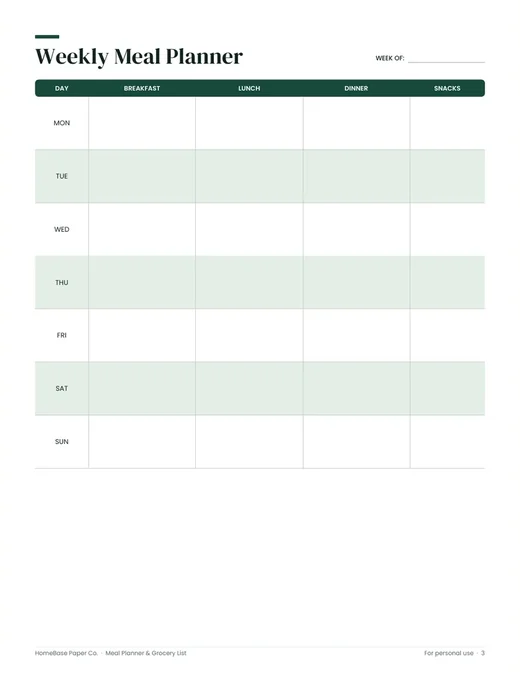
Plan omelette mornings and save fillings
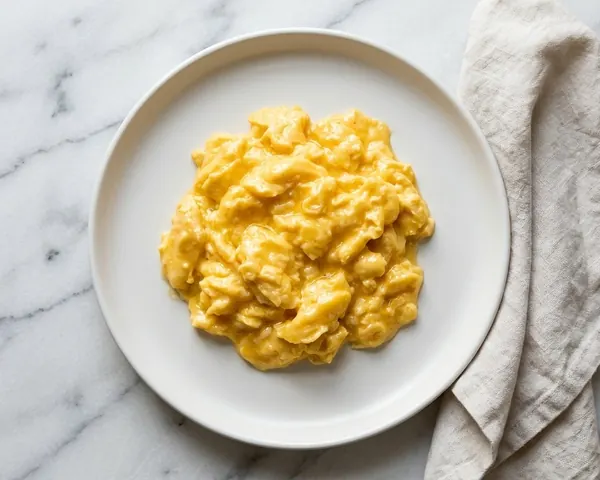
For stirred curds instead of a fold, see scrambled eggs. Café-style muffin cups live on egg bites. For a make-ahead bread-and-egg brunch bake, try strata. Short on fillings? Browse more recipes with eggs by meal and cook time.
Browse every planner in our printables shop.
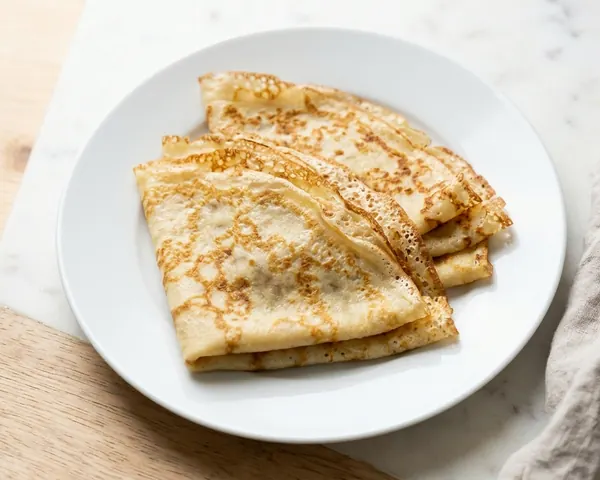
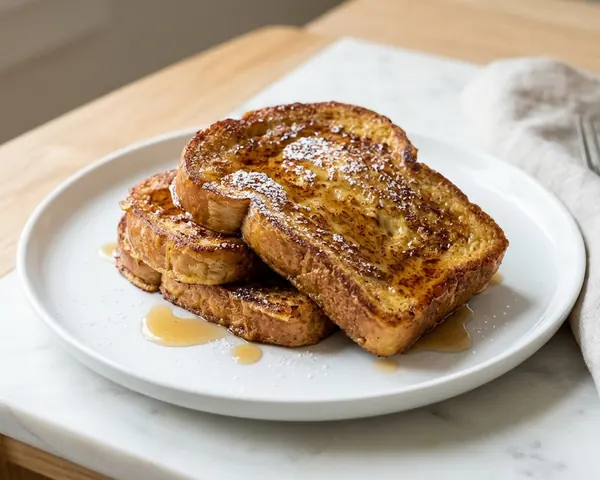
More breakfast recipes you'll love

Frequently asked questions
How do you make an omelette? Beat 2 to 3 eggs with a pinch of salt, heat a nonstick skillet over medium with butter, pour in the eggs, stir gently until almost set, add fillings on one half, then fold and slide onto a plate. The whole process takes about 5 minutes.
How many eggs for an omelette? Use 2 eggs for a smaller omelette or 3 eggs for a standard single serving. One large egg is about 50 grams and about 6 grams of protein per USDA FoodData Central, so a 3-egg omelette lands around 18 grams of protein before cheese or meat.
What is the difference between an omelette and an omelet? Omelette and omelet are the same dish; omelette is the French spelling and omelet is the common American spelling. Searchers use both, and this page covers both spellings as one technique.
French omelette vs American omelette? A French omelette is cooked quickly over higher heat, rolled or folded pale yellow with tiny curds and little to no browning. An American omelette is usually cooked a bit longer, folded in half and often lightly browned with heartier fillings.
What fillings go in an omelette? Classic fillings include cheddar, Swiss, sautéed mushrooms, spinach, peppers, onions, ham, bacon, tomatoes and herbs. Cook watery vegetables first so they do not soak the eggs. Keep fillings warm and ready before you start the eggs.
Why does my omelette stick or tear? The pan is usually too hot, not nonstick enough, or short on fat. Use medium heat, a teaspoon or two of butter, and wait until the edges set before folding. A 8 to 10 inch nonstick skillet is the easiest size for 2 to 3 eggs.
Can I make an omelette without milk? Yes, you can make an omelette without milk. Eggs alone make a better omelette than eggs with milk. A splash of water is optional; milk can make the texture spongy. Season with salt just before cooking.
Are runny omelettes safe? USDA FSIS advises cooking eggs until yolks and whites are firm. For soft French-style omelettes served to higher-risk guests (young children, older adults, pregnant people, weaker immune systems), use pasteurized eggs or cook until fully set.
Can I meal prep omelettes? Cooked omelettes keep 3 to 4 days in the fridge. Reheat gently in a skillet or microwave until steaming hot. For make-ahead mornings, egg muffins are sturdier than folded omelettes; freeze fillings in small bags so a fresh omelette takes 5 minutes.
Where can I save omelette filling combinations? The Family Recipe Binder ($6.99) from HomeBase Paper Co. has fillable pages for egg ratios and favorite filling mixes.
Newsletter
Get the HomeBase email
Fresh tips three times a week, Mon/Wed/Fri, with our deals and new products, from printables, spreadsheets and bundles to paperback planners and apparel, plus simple home, money and planning tips.
Sources
- USDA FSIS: Shell eggs from farm to table fsis.usda.gov
- USDA FoodData Central fdc.nal.usda.gov
- FoodSafety.gov: Cold food storage charts foodsafety.gov
- Omelette instructions in Parade parade.com
- FDA recommends firm cooked eggs and thoroughly cooked egg dishes fda.gov
Made this? Tell us how it went
Your notes help the next cook: what you changed, how long it took, how it turned out.