

The short answer: a destination wedding is a wedding held away from home, like a beach, a lake town, a vineyard or another country, with guests staying for a few days.
- Pros: a smaller guest list and a celebration that feels like a vacation
- Cons: guests pay for travel, so some will not come
- Average costs and who pays for what
- A 12-month timeline, travel documents and insurance tips
- Next step: Plan it with the Wedding Budget Spreadsheet ($6.99).
A destination wedding is a wedding held away from home, usually in a place people travel to, like a beach, a lake town, a vineyard or another country, with guests staying for a few days. It often means a smaller guest list, a celebration that feels like a vacation, and a planning job done mostly from far away. According to Investopedia's look at destination wedding pros and cons, the typical destination wedding cost about $41,000 on average in 2023, up from $35,600 in 2022. Below is what a destination wedding costs, who pays for what, the best planning timeline and how to keep the budget under control.
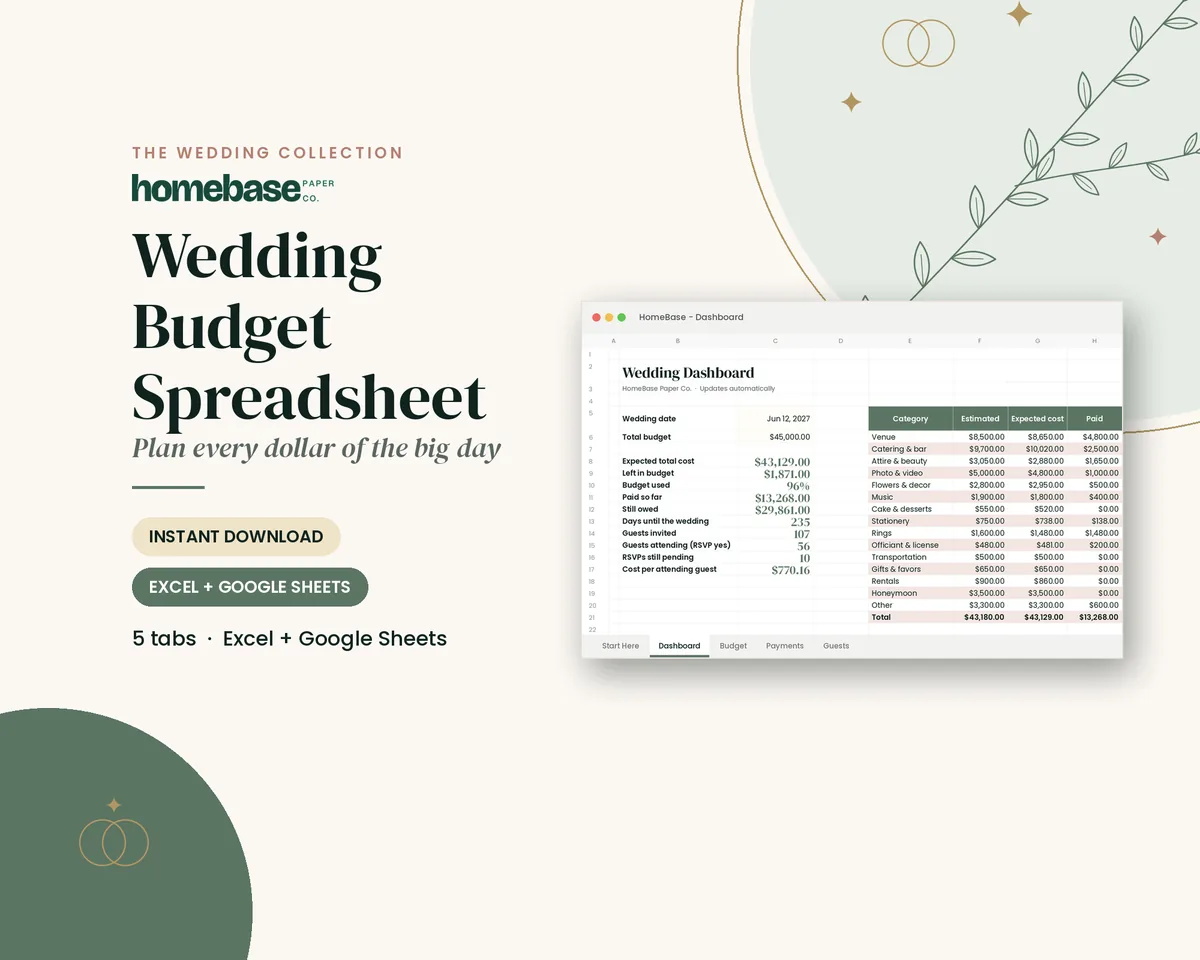
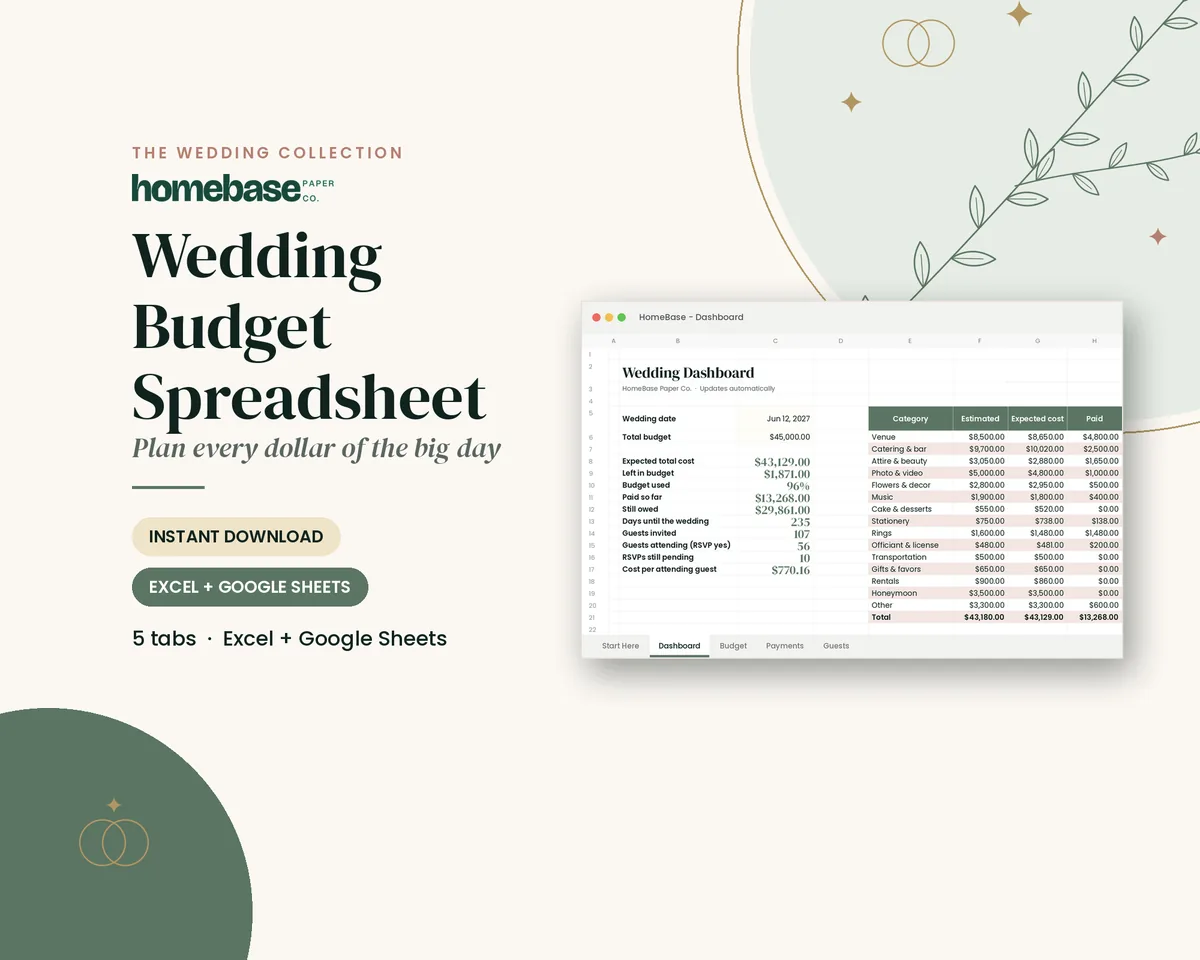
Most of the stress in a destination wedding is money and moving parts. Our Wedding Budget Spreadsheet ($6.99) lists 29 common wedding costs with estimated vs actual columns, a payment log for deposits, a guest list with RSVPs and meal choices, cost per attending guest and a category chart. For a destination wedding, the cost per attending guest number is especially useful.
Make the dress code and actual ceremony surface clear: semi-formal wedding attire can look different on sand, grass and a paved terrace.
Destination wedding pros and cons
| Pros | Cons |
|---|---|
| Smaller, more personal guest list | Guests pay for travel, so some will not come |
| Feels like a vacation, often doubles as the honeymoon | Planning from far away with vendors you may not meet |
| Resort packages can bundle venue, food and decor | Legal paperwork may be complicated abroad |
| Several days together instead of one evening | Weather and travel delays are harder to plan around |
| Can cost less than a large hometown wedding | Site visits and travel for the couple add cost |
How much does a destination wedding cost?
There is no single number, because the location, season and guest count drive the total. Investopedia's figure of about $41,000 on average in 2023 is a useful benchmark. Here is a sample destination wedding budget for 40 guests to show where the money goes. These are illustrative splits, not quotes:
| Category | Share of budget | On a $30,000 budget |
|---|---|---|
| Venue, food and drinks (often a package) | 45% | $13,500 |
| Photography and video | 12% | $3,600 |
| Couple's travel, lodging and site visit | 10% | $3,000 |
| Attire and beauty | 8% | $2,400 |
| Welcome event or group activity | 8% | $2,400 |
| Flowers and decor | 6% | $1,800 |
| Officiant, legal fees and documents | 3% | $900 |
| Insurance | 2% | $600 |
| Favors, gifts and stationery | 3% | $900 |
| Buffer for surprises | 3% | $900 |
Keep the buffer. Exchange rates, service charges and taxes can add more than expected, especially at resorts abroad. For wedding costs in general, see our guide to how much a wedding costs.
Who pays for what at a destination wedding
- Guests usually pay for their own flights or travel and lodging.
- The couple usually pays for the ceremony, reception, photographer, and often a welcome event or group activity.
- Many couples cover the officiant's travel, and some help the wedding party with lodging.
- Room blocks with a group rate help guests save, but read the contract so you are not responsible for unbooked rooms.
Be clear on your wedding website about what is included and what guests will pay. Giving guests a realistic estimate early is the most respectful thing you can do.
Destination wedding planning timeline
- 12 to 18 months out: Set your budget and guest count. Choose the location and season. Research legal requirements for marriage there.
- 10 to 12 months out: Book the venue and planner or coordinator. Reserve a hotel room block. Make a site visit if possible.
- 8 to 12 months out: Send save-the-dates with a wedding website link. Tell guests about passports and travel documents.
- 6 to 8 months out: Book photographer, officiant, hair and makeup. Plan the welcome event. If your stylist is new to you, send your hair type from our curl pattern chart before the trial.
- 3 to 4 months out: Send invitations. Buy wedding insurance and travel insurance. Order attire with travel in mind.
- 1 to 2 months out: Confirm vendors, finalize RSVPs, and prepare a guest itinerary.
- The week before: Pack documents, rings and vendor tips in your carry-on.
For a day-by-day view of a regular wedding schedule, our wedding timeline guide and the wedding planning checklist and budget tracker help you adapt each step.
For wording ideas and guest courtesy, see our guide to save the date etiquette.
Travel, documents and health for international destination weddings
If the wedding is abroad, everyone needs a valid passport, and some countries require visas. USAGov's travel abroad page covers visas, travel advisories, the Smart Traveler Enrollment Program and apostilles for documents used abroad, which may matter for marriage paperwork. For health, the CDC's Travelers' Health destination list shows recommended vaccines and medicines by country. Share both links on your wedding website.
Marriage requirements vary widely. Some countries need residency periods, translated birth certificates or waiting periods. Many couples sign the legal paperwork at home before or after the trip and hold a symbolic ceremony at the destination.
Popular types of destination weddings
| Type | Good for | Watch out for |
|---|---|---|
| Beach resort (Mexico, Caribbean, Hawaii, Florida) | All-inclusive packages, warm weather, easy group travel | Hurricane season, heat, resort rules on outside vendors |
| Mountain or lake town | Cooler weather, scenic photos, cabins for groups | Fewer flights, weather changes, altitude |
| Wine country or countryside | Food-focused weekends, rustic venues | Rental costs for chairs, tents and transport |
| European city or village | A once-in-a-lifetime trip | Longer flights, legal paperwork, currency swings |
| U.S. national park or small town | No passports needed, lower guest costs | Permits, limited guest numbers and lodging |
A domestic destination wedding often saves guests the most, since no passport is needed and flights are shorter. It still gives you the trip feeling without the paperwork of marrying abroad.
A destination wedding guest checklist to share
Guests appreciate one clear list. Put this on your wedding website:
- Dates of the main events, from the welcome party to the farewell brunch.
- The hotel room block, group rate and booking deadline.
- Nearest airport and transport from the airport.
- Passport, visa and entry rules, with a link to official sources.
- Recommended vaccines or health notes for the destination.
- Dress code for the climate, including shoes for sand or grass.
- What you are covering, such as a welcome dinner or activities.
- The RSVP deadline and how to reach someone with questions.
A clear timeline also helps guests save. Many will open a dedicated savings goal for the trip, and an honest early cost estimate lets them decide without pressure.
What to pack for your own destination wedding
Carry on anything you cannot replace: the rings, your attire if possible, marriage documents, vows, vendor contracts and contact list, and cash for tips in the local currency. Pack a small emergency kit with safety pins, stain remover, sunscreen and medication. Keep digital copies of contracts and documents on your phone and in email.
Wedding insurance and travel insurance
Investopedia notes that basic wedding insurance can cost about $75 to $550, and that travel insurance averages about $95 for a one-week trip. Wedding insurance may cover vendor no-shows, cancellations for covered reasons, and lost deposits. Travel insurance may cover trip cancellation, delays and medical care abroad. Read exclusions carefully, especially for weather and hurricane seasons.
How to keep a destination wedding on budget
- Pick the off-season or shoulder season for lower rates.
- Choose an all-inclusive package and compare what it really includes.
- Keep the guest list small and plan with a realistic attendance rate.
- Use local vendors suggested by the venue to avoid travel fees for vendors.
- Track every deposit and due date. Destination vendors often want payments in several parts.
- Skip extras guests will not miss, like elaborate favors.
The Wedding Planning Bundle ($8.99, $12.98 if bought separately) pairs the Wedding Budget Spreadsheet with the Wedding Planner Checklist, so your costs and to-dos are in one place. To manage RSVPs, see our wedding guest list template.
Destination wedding vs elopement vs hometown wedding
An elopement is usually just the couple, sometimes with a photographer and a few witnesses, and often costs a fraction of a full wedding. A destination wedding keeps the travel but adds guests, which means more planning and more cost. A hometown wedding usually has the biggest guest list but no travel for most people. Write down the three things that matter most to you, such as who is there, the setting and the cost, and see which format fits all three. Many couples find that the guest list decides it for them.
Is a destination wedding right for you?
A destination wedding fits couples who want a smaller celebration, love the idea of a trip with their closest people, and are comfortable planning from afar. It is a harder fit if many important guests cannot afford to travel, or if you want every vendor nearby to meet in person. Some couples split the difference: a small destination ceremony, then a relaxed party at home for everyone else. Whatever you choose, set the budget first, track every payment, and give guests the details early so they can join you without stress.
Packing decor for travel? Use a wedding decor checklist to track what ships, what you carry and what you buy there.
Guests often ask what to give for a trip like this. Our wedding gift ideas cover cash, funds and small keepsakes.
Put travel and hotel details on a travel page of your wedding website so guests can plan early.
Make it easier
Tools for this
Spreadsheets
Wedding Budget Spreadsheet
Enter each payment once - the sheet shows what you've paid, what you still owe, and what's left of your budget.
 Save 31%
Bundles
Wedding Planning Bundle
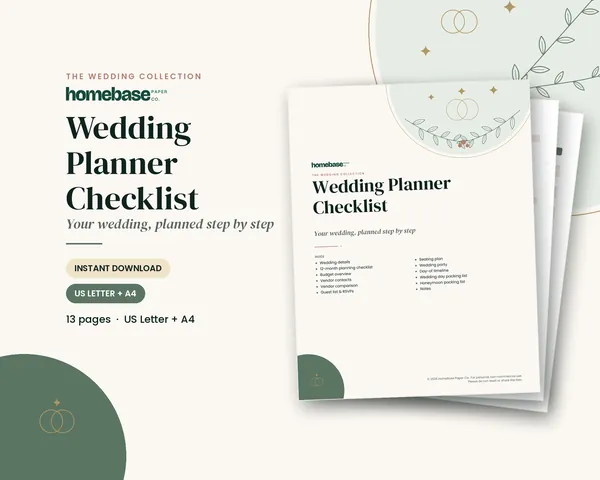
The Wedding Budget Spreadsheet and the 13-page Wedding Planner Checklist together - for less than buying them separately.
Printables
Wedding Planner Checklist
A 12-month checklist plus budget, vendors, guest list, seating, day-of timeline and packing lists.
Frequently asked questions
What is a destination wedding? A destination wedding is a wedding held away from where the couple and most guests live, usually in a place people travel to, such as a beach, a mountain town, a vineyard or another country. Guests typically travel and stay for several days, and the guest list is often smaller than a hometown wedding.
How much does a destination wedding cost? The typical destination wedding was about $41,000 on average in 2023, according to Investopedia, up from $35,600 in 2022. Your cost depends on the location, season, guest count and what you pay for. A small elopement-style trip can cost far less, while a large resort weekend can cost more.
Are destination weddings cheaper than regular weddings? Destination weddings can be cheaper than regular weddings. Smaller guest lists and all-in resort packages often lower the total, and the venue may double as the honeymoon. But travel, site visits, wedding planners abroad and guest welcome events add up. Build a destination wedding budget with every line item before assuming it will cost less.
Who pays for what at a destination wedding? Guests usually pay for their own travel and lodging. The couple typically pays for the ceremony, reception, and often a welcome event or group activity. Many couples also cover travel for the officiant and sometimes help the wedding party. State what is covered clearly on your wedding website.
How far in advance should you plan a destination wedding? Start 12 to 18 months ahead if you can. Send save-the-dates 8 to 12 months out, since guests need time to request time off, renew passports and save. Book the venue and block hotel rooms early, especially for peak travel seasons and holidays.
How many guests come to a destination wedding? Fewer guests come to a destination wedding than to a hometown wedding: the guest lists are usually smaller, and a lower share of invited guests attend because travel costs time and money. Plan your budget around a realistic count and track RSVPs closely so you do not overpay for unused rooms or meals; the Wedding Budget Spreadsheet tracks RSVPs and cost per attending guest.
Is a destination wedding legally binding? It can be, but marriage rules vary by country. Some require residency periods, translated documents or blood tests. Many couples have a short legal ceremony at home and a symbolic ceremony at the destination. Check the destination's requirements and USAGov's travel abroad page for document help, such as apostilles.
Do I need wedding insurance for a destination wedding? No, wedding insurance isn't required for a destination wedding, but it is worth considering. Investopedia notes that basic wedding insurance can cost about $75 to $550, and travel insurance averages about $95 for a one-week trip. Read what each policy covers, such as weather, vendor failure or cancellation, since policies vary widely.
What are the pros and cons of a destination wedding? Pros include a smaller, more relaxed guest list, a built-in vacation, all-inclusive packages and several days with loved ones. Cons include higher guest costs, family who cannot attend, planning from far away, legal paperwork and less control over vendors you cannot meet in person.
What should guests know about a destination wedding? Guests should know the dates, travel options, hotel room block, passport and visa needs, recommended vaccines, the dress code for the climate, and what events are planned. A wedding website with a clear schedule and costs helps guests decide early whether they can attend.
How do I budget for a destination wedding? List every cost: venue and package, ceremony, photographer, attire, travel for you and key people, site visits, welcome dinner, insurance and fees. Set a total, divide by category, then track estimated vs actual costs and every deposit date in a wedding budget spreadsheet.
Should you invite everyone to a destination wedding? No, you don't need to invite everyone; invite the people you would genuinely like there, knowing not all can come. Some couples host a casual party at home after the destination wedding for friends and family who could not travel. It is a kind way to include everyone without a second full wedding.
More from HomeBase
You may also like
Printables
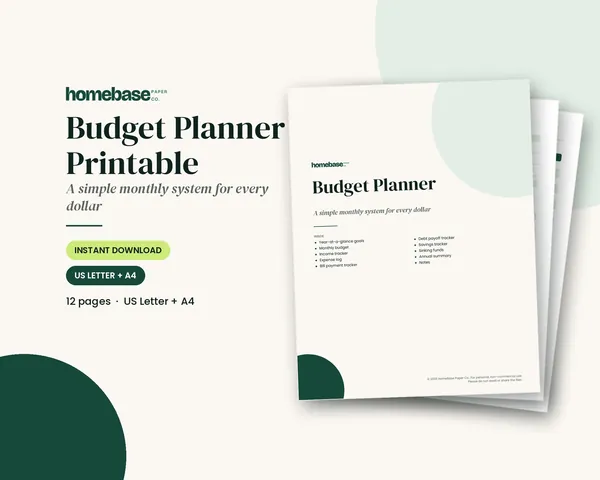
Budget Planner Printable
Twelve undated pages you can print every month: budget, bills, spending, savings and debt.
 Save 33%
Bundles
Family Life Admin Bundle
Baby logs, chore charts, pet records, meal plans and family recipes in one tidy set.
Spreadsheets
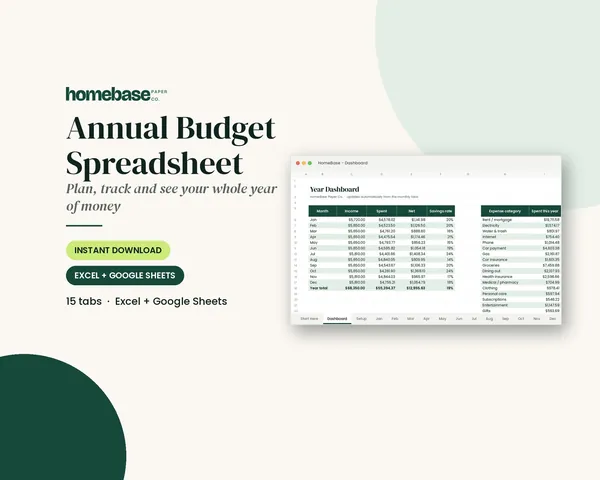
Annual Budget Spreadsheet
See exactly where your money goes every month - without complicated software.
 Club
Monthly club
Planner & Calendar Club
Anyone who wants a monthly calendar, bill calendar and meal plan ready to print.
Free printable
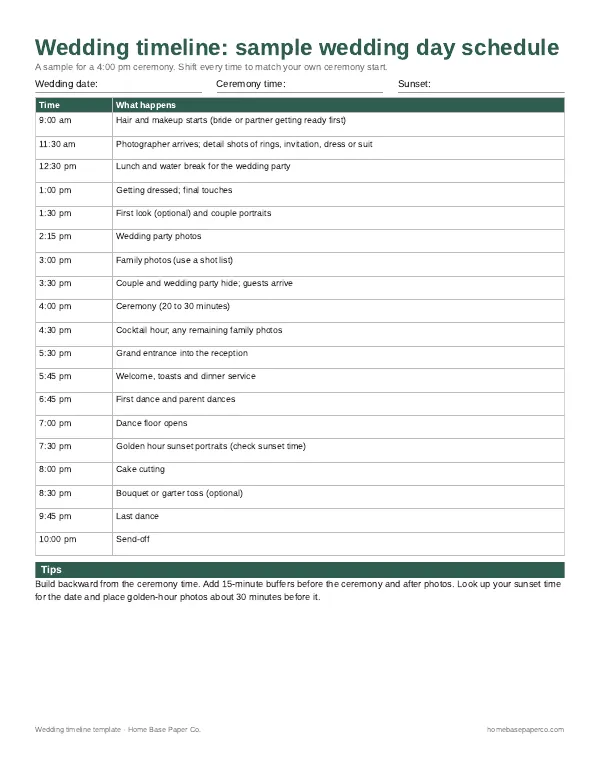
Plan the big day step by step: get the free wedding timeline
A printable wedding planning timeline, from 12+ months out to the week of, plus a day-of schedule page. You'll also get our weekly HomeBase email with wedding and shower planning tips.
Sources
- Pros and Cons of Destination Weddings (Investopedia) investopedia.com
- Travelers' Health destinations (CDC) wwwnc.cdc.gov
- Travel abroad (USAGov) usa.gov