

The short answer: a good packing list covers eight categories, from travel documents and money to clothes, toiletries, medicine and electronics.
- Start with the master checklist and cross off what you won't need
- Add extras for kids, a baby, the beach or cold weather
- Pack the night before
- Keep your ID, medicine and phone charger in your personal bag
- Next step: Get the free packing list (we email it to you); want more? The Household Binder is $6.99.
Our picks for packing list
Printables
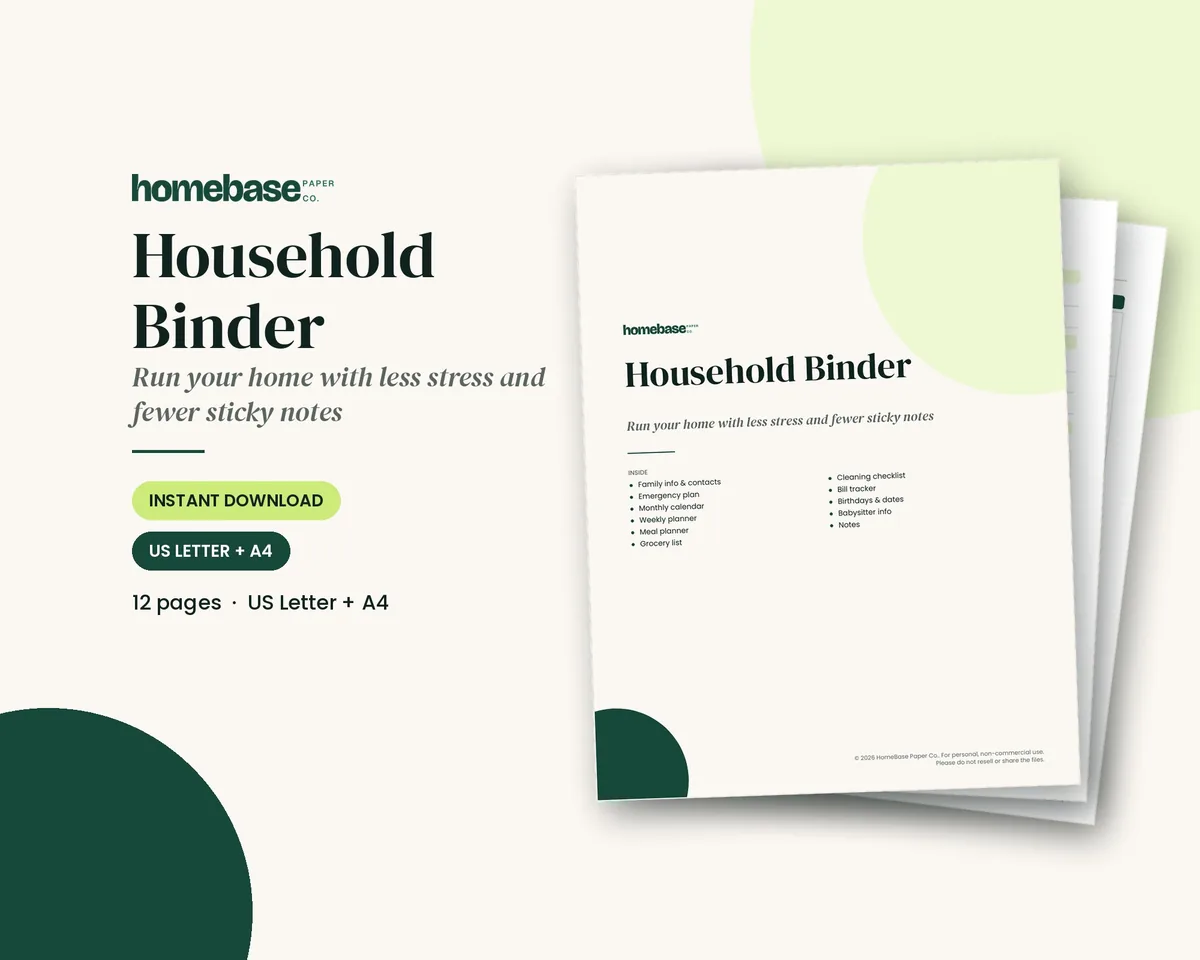
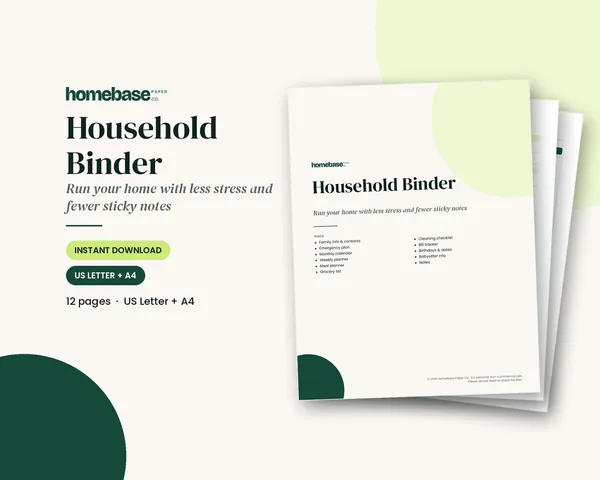
Household Binder
Family info, emergency plan, calendars, meals, groceries, cleaning, bills and sitter notes.
 Save 48%
Bundles
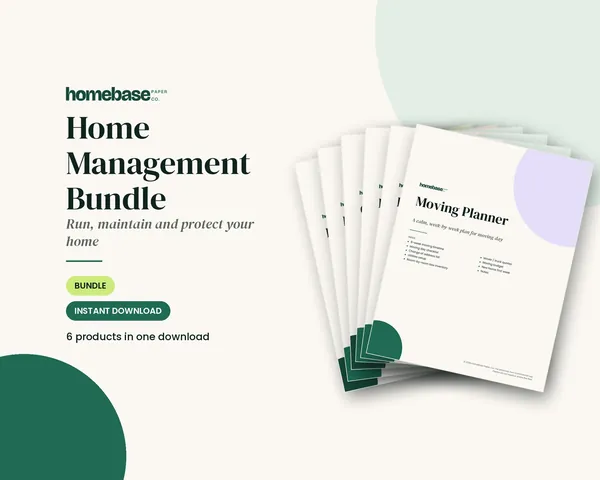
Home Management Bundle
Household binder, maintenance log, moving planner, cleaning schedule, home inventory and password log.
Spreadsheets
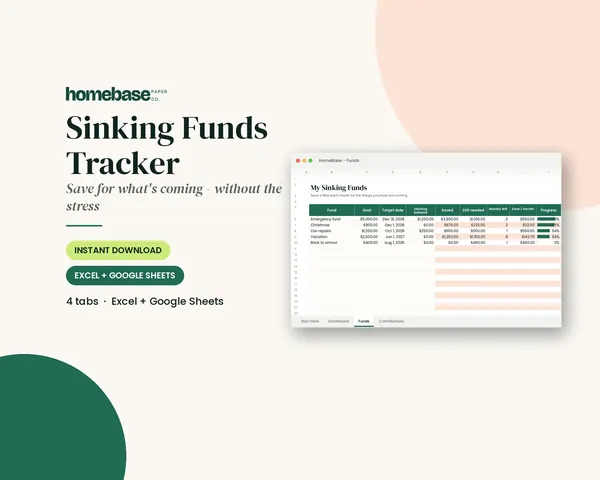
Sinking Funds Tracker
It does the math: how much to set aside each month to hit every goal on time.
A good packing list covers eight categories: travel documents and money, clothes, shoes, toiletries, health and medicine, electronics, comfort items for the trip itself, and a short "leave the house" list. Start with the master checklist below, cross off what you won't need, then add the extras for your trip type: kids, a baby, the beach, cold weather, carry-on only or a road trip. Pack the night before, and keep anything you can't replace, like your ID, medicine and phone charger, in your personal bag. Going camping? Our camping checklist printable covers gear, camp food and safety items. Pair it with a trip planner so your bookings, day-by-day plan and budget sit next to the list.
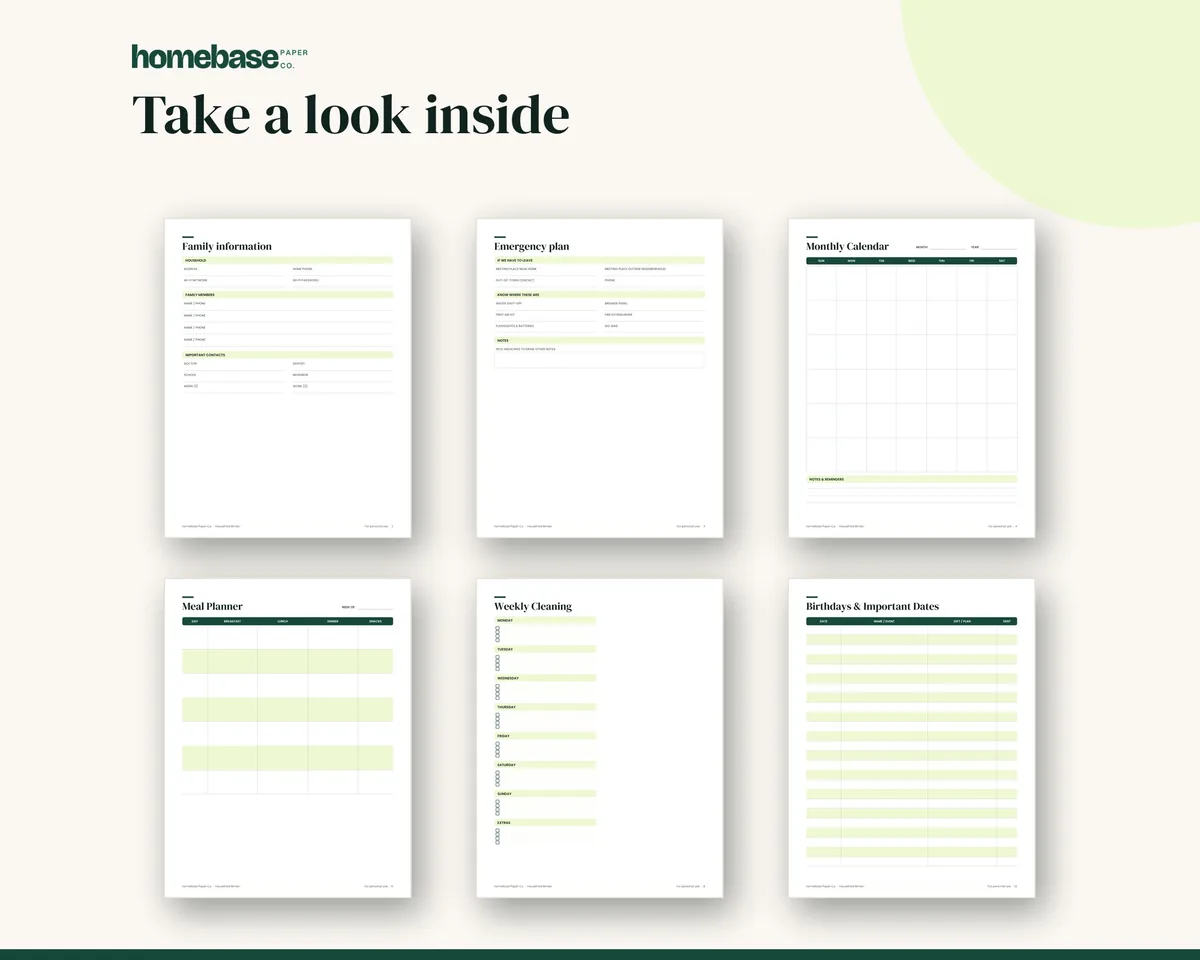
I grew up as the oldest of three, the one my family leaned on to keep everything coordinated. A written checklist is how I still keep things from slipping through, and it's the idea behind our Household Binder ($6.99): family information, an emergency plan, calendars, a bill tracker and sitter notes in one printed binder, so whoever checks on things while you're away has what they need.
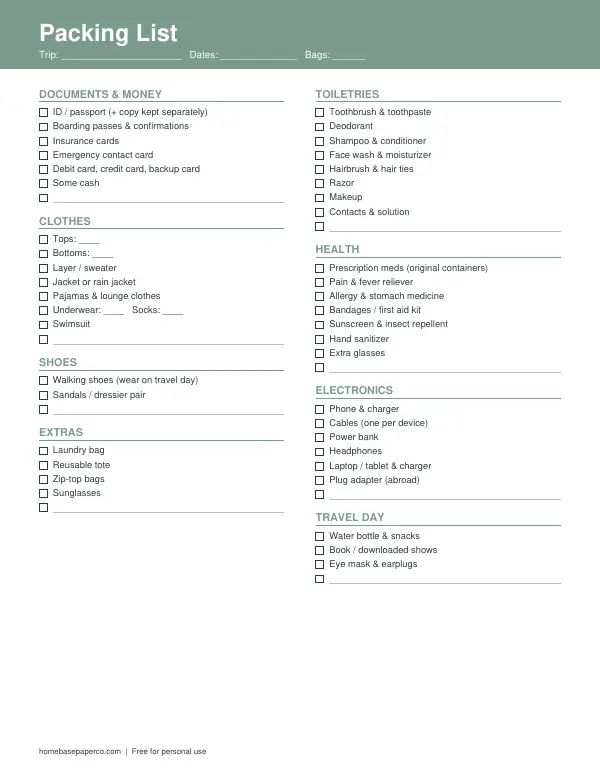
Want it on paper? Download our free printable packing list: a 2-page PDF with the master checklist on page 1 and the carry-on, kids and night-before lists on page 2. Free by email.
The master packing list (every trip)
Use this table as your starting point for any trip of two nights or more. The "how many" column is a rule of thumb for a one-week trip with access to a sink or laundry; adjust it to your plans.
| Category | Items to pack | How many for a week |
|---|---|---|
| Documents | Driver's license or passport, boarding passes, hotel and rental confirmations, insurance cards | One of each, plus copies |
| Money | Debit card, one credit card, a little cash, a backup card kept separately | 2 to 3 cards |
| Tops | T-shirts, a nicer top, a layer for planes and restaurants | 4 to 5 tops, 1 layer |
| Bottoms | Jeans or pants, shorts or a skirt | 2 to 3 |
| Sleep and lounge | Pajamas, comfortable clothes for the hotel or car | 1 to 2 sets |
| Underwear and socks | Underwear, socks, a bra or two | One per day, or half if you can wash |
| Outerwear | Jacket, rain jacket or fleece | 1 |
| Shoes | Walking shoes, sandals or dressier shoes | 2 to 3 pairs, wear the bulkiest |
| Toiletries | Toothbrush, toothpaste, deodorant, shampoo, face wash, razor, hairbrush, contact lens solution | Travel sizes |
| Health | Prescription medicines, pain reliever, bandages, sunscreen, hand sanitizer | Enough for the trip plus a few extra days |
| Electronics | Phone, charger, charging cable, power bank, headphones, plug adapter if abroad | 1 each |
| Trip comfort | Water bottle, snacks, book or tablet, eye mask, earplugs | As needed |
| Extras | Laundry bag, reusable tote, a few zip-top bags, sunglasses | 1 each |
Read the list once from top to bottom before you pack and once after. The second pass is where you catch the charger still plugged in by the bed.
Documents and money: pack these first
Documents are the one category you can't buy at your destination, so they go first and they go in your personal bag, not your checked suitcase.
- ID. A driver's license or state ID for domestic flights, or a passport for international travel. Check that the name matches your ticket. To get through airport security faster, compare TSA PreCheck and Global Entry.
- Bookings. Boarding passes, hotel and rental car confirmations, tour or event tickets. Save them to your phone and print one copy.
- Insurance cards. Health insurance and any travel insurance details.
- Emergency contact. A card with the name and phone number of someone at home.
- Copies. A photo or paper copy of your ID, passport and cards, kept separate from the originals.
The CDC's Pack Smart travel health checklist recommends carrying copies of your passport and travel documents, an emergency contact card, the address and phone number of where you're staying, and copies of prescriptions for medicines and eyeglasses. That's a sensible list for any trip, not just international ones.
If you're traveling outside the country, add your passport, any visa paperwork and a plug adapter. Check your passport's expiration date before you book; some countries won't let you in if it expires soon.
Toiletries and the TSA liquids rule
Toiletries cause the most trouble at airport security, so plan them around the TSA's liquids rule, often called the 3-1-1 rule:
- Container size: Each liquid, aerosol, gel, cream or paste in your carry-on must be in a travel-size container of 3.4 ounces (100 milliliters) or less.
- One bag: All of those containers go in one quart-size bag.
- Easy to reach: Pack the bag where you can pull it out at the checkpoint, which speeds up screening.
Containers larger than 3.4 ounces belong in a checked bag. The TSA lists medications and infant and child nourishment, such as formula or breast milk, as exemptions to the limit. Any liquid that alarms during screening gets additional screening, so allow a little extra time.
A simple carry-on toiletry kit:
| Item | Liquid? | Tip |
|---|---|---|
| Toothbrush and toothpaste | Toothpaste counts | Use a travel tube |
| Deodorant | Gel and spray count, solid sticks don't | A solid stick saves bag space |
| Shampoo and conditioner | Yes | Refillable 3-ounce bottles or bars |
| Face wash and moisturizer | Yes | Travel sizes |
| Sunscreen | Yes | Stick sunscreen saves room |
| Hand sanitizer | Yes | One small bottle |
| Makeup | Liquid foundation and mascara count | Powders don't |
| Razor, comb, hair ties | No | Disposable razors are fine in a carry-on |
Not sure about something? The TSA's searchable What Can I Bring? list tells you whether an item can go in a carry-on, a checked bag or both. Check it for power banks, spare batteries, tools and anything sharp before you decide which bag they go in.
Health and medicine kit
Pack a small health kit even for a weekend away. Drugstores aren't always open or close by when you need them.
The CDC's Pack Smart checklist suggests:
- Prescription medicines in their original labeled containers
- Pain and fever medicine
- Antacid
- Antihistamine for allergies
- Motion sickness medicine
- Diarrhea medicine
- A basic first aid kit
- Hand sanitizer with at least 60% alcohol
- Insect repellent
- Sunscreen with SPF 15 or higher and UVA and UVB protection
- Sunglasses and a hat
- Earplugs
- Extra glasses or contact lenses
Keep prescription medicine in your carry-on or personal bag, never in a checked suitcase that could be delayed. Bring a few extra days' worth in case your return trip changes. If you're traveling abroad, check whether your medicines are allowed at your destination.
What to keep in your personal bag
Your personal item, the bag that stays with you on the plane or in the front seat, should hold everything that would ruin the trip if a suitcase got lost or delayed. Pack it last and check it twice.
- ID, passport, wallet and keys
- Boarding passes and booking confirmations
- Prescription medicine and glasses or contacts
- Phone, charger and a power bank
- One change of clothes and basic toiletries
- Snacks and an empty water bottle to fill after security
- Headphones and something to read or watch
- A light layer, since planes and buses run cold
If you're traveling with kids, add one change of clothes for each of them and their favorite comfort item.
Packing for older travelers or anyone with medical needs
A few extra steps make travel smoother for older relatives or anyone with a disability or medical condition.
- Pack medical devices, mobility aids and their chargers where you can reach them.
- Carry a written list of medicines, doses and doctors' phone numbers.
- Bring extra batteries or supplies for hearing aids, CPAP machines or glucose monitors.
- Request wheelchair or boarding help from your airline when you book.
- Ask about accessible rooms when you reserve lodging.
The TSA also runs a helpline called TSA Cares that travelers with disabilities or medical conditions can contact before a flight with questions about screening.
Clothes: how much to pack for any length of trip
Overpacking clothes is the most common packing mistake. Plan outfits, not items, and pick a color palette so everything mixes.
| Trip length | Tops | Bottoms | Shoes | Laundry? |
|---|---|---|---|---|
| Weekend (2 to 3 nights) | 2 to 3 | 1 to 2 | 1 to 2 pairs | No |
| One week | 4 to 5 | 2 to 3 | 2 to 3 pairs | Optional, once |
| Two weeks | 6 to 7 | 3 | 2 to 3 pairs | Once or twice |
| Longer | Same as two weeks | 3 to 4 | 3 pairs | Weekly |
A few rules that work for almost every trip:
- Wear your bulkiest items on travel day. Jacket, boots, sweater.
- Pack layers instead of heavy pieces. A T-shirt, a long-sleeve top and a fleece cover more weather than one thick sweater.
- Choose one neutral color for bottoms and shoes. Then every top works with every bottom.
- Roll soft clothes and fold stiff ones. Rolling saves space for T-shirts and knits; folding works better for button-downs and pants.
- Use packing cubes or zip-top bags by category. You'll find things faster and keep dirty clothes separate.
Electronics checklist
Electronics are small, easy to forget and expensive to replace on the road.
- Phone and charger
- Charging cables (one per device)
- Power bank
- Headphones or earbuds
- Laptop or tablet and charger, if you need it
- Camera, memory card and battery charger
- Plug adapter or converter for international trips
- E-reader
- A small pouch to keep cables together
Before you leave, download maps, boarding passes, playlists and shows so you're not relying on spotty Wi-Fi.
Packing list for a family vacation with kids
Start with the master list for every person, then add these for kids. Have older kids pack their own bag from a printed list and check it before it's zipped.
- An extra change of clothes in your carry-on or car bag
- Swimsuits, even if you don't expect to swim
- Pajamas and a comfort item for sleeping in a new place
- Snacks and a refillable water bottle for each child
- Activities for travel: books, coloring supplies, cards, small toys
- A tablet or device with downloaded shows and their headphones
- Children's pain and fever medicine and a thermometer
- Wipes and hand sanitizer
- Copies of each child's ID or birth certificate if you need them
- A small bag for wet or dirty clothes
If you're traveling for the holidays, our guide to a holiday travel budget for families helps you plan what the trip costs before you pack.
Packing list for a baby or toddler
Babies need more stuff, but most of it is predictable. Count by days and add a buffer.
| Item | How many |
|---|---|
| Diapers | About one per two hours awake, plus extras for delays |
| Wipes | One full pack, plus a travel pack |
| Outfits | Two per day |
| Sleepers or pajamas | One per night, plus one |
| Bottles, formula or breast milk supplies | Enough for travel day plus a backup |
| Baby food, snacks and spoons | For travel day; buy the rest there if you can |
| Bibs and burp cloths | 3 to 4 |
| Portable crib or travel bassinet | If your lodging doesn't provide one |
| Car seat and stroller | Check with your airline about gate-checking |
| Baby medicine, thermometer, nail clippers | 1 each |
| Sound machine or white noise app | Optional |
| Favorite toy, blanket or pacifiers | Bring a spare pacifier |
Pack a separate diaper bag for travel day with diapers, wipes, a changing pad, a change of clothes for the baby and a spare shirt for you.
Beach vacation packing list
Add these to the master list for any beach or resort trip.
- Swimsuits (two, so one can dry)
- Cover-up
- Sandals or water shoes
- Sunscreen, lip balm with SPF and after-sun lotion
- Sunglasses and a wide-brim hat
- Beach towel, if your lodging doesn't provide them
- Beach bag or tote
- Insect repellent
- Waterproof phone pouch
- Reusable water bottle
- Snorkel gear, if you have your own
- A light layer for air-conditioned restaurants
Cold weather packing list
For ski trips or winter holidays, think in layers: base layer, warm middle layer and a waterproof outer layer.
- Thermal base layers, top and bottom
- Fleece or wool sweaters
- Insulated, waterproof jacket
- Waterproof pants, if you'll be outside in snow
- Warm hat, gloves or mittens and a scarf
- Wool socks
- Waterproof boots
- Lip balm and moisturizer
- Hand warmers
- Sunglasses or goggles
Wear your boots and heaviest coat on travel day to free up suitcase space.
Carry-on only packing list
Traveling with just a carry-on saves bag fees and time at baggage claim. It takes a few trade-offs.
- Check your airline's carry-on size and weight limits before you choose a bag.
- Plan five to seven outfits and plan to do laundry if you're gone longer than a week.
- Limit shoes to two pairs, and wear the bigger pair.
- Follow the 3-1-1 rule for liquids, or pack solid toiletries like bar soap, shampoo bars and solid deodorant.
- Use a personal item like a backpack or tote for documents, medicine, electronics and snacks.
- Use packing cubes to compress soft clothes.
A week in a carry-on is very doable if you choose a color palette and leave the "just in case" outfits at home.
Road trip packing list
Road trips let you bring more, but the car still fills up fast. Add these to the master list.
- Driver's license, registration and insurance card
- Roadside assistance number
- Phone mount and car charger
- Downloaded maps and playlists
- Cooler with drinks and snacks
- Paper towels, wipes and trash bags
- Pillow and blanket for passengers
- First aid kit
- Flashlight
- Jumper cables and a spare tire check
- Sunglasses
- Cash or a toll pass for tolls
Do a quick car check a few days before: tire pressure, oil, wipers and washer fluid.
Weekend getaway packing list
A two- or three-night trip needs one small bag.
- One outfit per day, plus one extra top
- Pajamas
- One pair of shoes to wear and one to pack
- Toiletry kit with travel sizes
- Phone, charger and headphones
- Medicine
- ID, cards and confirmations
- A light jacket
International trip packing list
Traveling abroad adds paperwork and a few practical items. Add these to the master list.
- Passport, with a copy stored separately
- Visa or entry paperwork, if your destination requires it
- Plug adapter, and a voltage converter for anything that isn't dual voltage
- A credit card with no foreign transaction fees, if you have one
- A little local currency for the first day
- Your phone plan's international option or a local SIM or eSIM plan
- Copies of prescriptions, with medicines in their original containers
- Travel insurance details
- The address of where you're staying, written down
- A pen for arrival forms
Look up your destination's entry rules and any health recommendations well before you leave. Some requirements, like a visa or vaccines, take weeks.
Cruise packing list
Cruises mix beach days, formal nights and time on the ship. Add these to the master list.
- Passport or the ID your cruise line requires
- Cruise documents and luggage tags
- A carry-on bag with swimsuit, medicine and a change of clothes for boarding day, since checked luggage can take hours to reach your cabin
- One or two dressier outfits for formal or theme nights
- Swimsuits and a cover-up
- Sunscreen, sunglasses and a hat
- Motion sickness medicine
- A lanyard for your ship card
- A light jacket for windy decks
- Day bag for port stops
Check your cruise line's list of prohibited items before you pack; many restrict things like irons and some power strips.
Business trip packing list
Work trips reward a tight, wrinkle-free bag.
- Two or three work outfits in mixable colors
- One pair of dress shoes and one pair of walking shoes
- Laptop, charger and any adapters or clickers you need for presentations
- Business cards or a digital contact card
- Notebook and pen
- A garment folder or a few hangers to reduce wrinkles
- Workout clothes, if you'll use the hotel gym
Pack your presentation files in two places, like your laptop and a cloud folder, in case one fails.
How to pack a suitcase, step by step
Once your list is ready, the packing itself goes faster in this order.
- Lay everything out first. Check it against your list before anything goes in the bag.
- Shoes go in first, along the bottom or hinge side. Put socks inside them to save space.
- Heavy items go near the wheels. That keeps the bag from tipping.
- Roll soft clothes and fill the gaps. T-shirts, pajamas and knits fill corners well.
- Fold stiff items on top. Pants, button-downs and dresses wrinkle less near the top.
- Toiletries go in a sealed bag. Use a zip-top or toiletry bag in case something leaks.
- Keep a top layer for arrival. Pajamas and tomorrow's outfit go last so you can reach them without unpacking.
- Check your personal bag one more time. ID, phone, wallet, medicine, charger and keys.
The pack-the-night-before timeline
Packing goes better when it's spread out. Here's a timeline for a trip of a week or so.
| When | What to do |
|---|---|
| 2 weeks before | Check passport and ID dates, confirm bookings, refill prescriptions, plan pet or plant care |
| 1 week before | Print your packing list, do laundry, buy any travel sizes and supplies you need |
| 3 days before | Lay out outfits, check the weather forecast, charge electronics and power banks |
| 2 days before | Pack clothes and shoes, pack toiletries, set aside documents |
| The night before | Pack chargers and medicine, check in for flights, set out travel-day clothes, put the personal bag by the door |
| Morning of | Pack last-minute items like your phone charger and toothbrush, run the leave-the-house checklist |
Before you leave the house
- Lock all doors and windows
- Adjust the thermostat
- Unplug small appliances
- Take out the trash and empty the fridge of anything that will spoil
- Water plants or arrange care
- Hold mail or ask someone to collect it
- Leave your itinerary with someone you trust
This is where a printed plan helps. Our Household Binder has family information, emergency plan and sitter pages, so the person checking on pets or plants has contacts and notes in one place.
How to make your own packing list
The best packing list is one you reuse and improve. Here's how to build yours in about 15 minutes.
- Start with the master list above. Copy it into a notebook, a document or a note on your phone.
- Add your personal must-haves. Glasses, a specific charger, a pillow, a medicine you take every day.
- Cross off what you never use. If you've carried a second jacket on three trips and never worn it, take it off the list.
- Make trip-type add-ons. Keep short beach, cold weather, kids and road trip lists you can attach to the master list.
- Mark "pack last" items. Phone charger, toothbrush, medicine and anything else you use the morning you leave.
- Review after every trip. Note what you forgot, what you didn't use and what you had to buy. Update the list before you unpack.
If you're already planning the days of the trip, our free travel itinerary template has a trip overview, a day-by-day plan, a budget and a short packing checklist on one printable. For a blank list you can turn into anything, try our checklist template.
Commonly forgotten items
These are the items people most often have to buy at their destination. Add the ones that apply to you to your list.
- Phone charger and charging cables
- Toothbrush
- Medicine and vitamins
- Glasses, contact lenses or solution
- Pajamas
- Underwear and socks
- Swimsuit
- Sunglasses
- Hairbrush and hair ties
- Razor
- Headphones
- A jacket for cool evenings
- Plug adapter for international trips
How to pack light without forgetting anything
Packing light comes down to planning, not squeezing. Use these habits:
- Plan outfits by day. Lay them out, then remove one.
- Pick multi-use items. A scarf that's also a blanket on the plane, sandals that work for the beach and dinner.
- Buy consumables there. Sunscreen, snacks and toiletries are usually easy to find.
- Do laundry once. A sink, a laundromat or hotel service halves what you need to pack.
- Weigh your bag at home. A luggage scale helps you avoid overweight bag fees.
Plan the money side too
Packing is only one part of trip planning. Set a budget for travel, lodging, food and activities before you book. Our guide to planning a vacation budget walks through each category. If you're saving for the trip month by month, our Sinking Funds Tracker ($4.99) is a spreadsheet for Excel and Google Sheets that shows how much to set aside each month to reach each savings goal on time.
Get your trip organized
Start with the master packing list, add the extras for your trip, and follow the night-before timeline. Then keep the list and improve it after you get home.
For everything that stays behind, from emergency contacts to calendars and sitter notes, our Household Binder ($6.99) keeps it in one binder. It's also part of the Home Management Bundle ($16.99), along with a home inventory, a home maintenance log, a cleaning schedule and a password log. Browse more planners in our home shop and our printables shop.
Packing light is one of many budget travel tips that help you travel more for less.
Short on suitcase space? Use the sudoku packing method to fit folded and rolled clothes into a tight grid.
Packing is one of the last steps; our guide on how to plan a trip covers everything that comes before it.
Plan the move week by week
Family info, emergency plan, calendars, meals, groceries, cleaning, bills and sitter notes.
$6.99 · Instant download. Print at home or fill it in on screen. Or browse the full Home & Organizing collection.
Frequently asked questions
What should be on a packing list? Our Household Binder ($6.99) keeps family information, emergency contacts, calendars and sitter notes in one place while you're away. For the trip itself, a packing list should cover documents and money, clothes, shoes, toiletries, medicine, electronics and travel-day comfort items. Start with a master list, then add extras for your trip type, like beach, cold weather or kids.
How do I pack for a week in a carry-on? Our Household Binder ($6.99) puts emergency contacts, calendars and sitter notes in one printed binder, so travel planning starts organized. For the bag, plan five to seven mixable outfits, limit yourself to two pairs of shoes and wear the bulkier pair. Follow the TSA's 3.4-ounce liquids limit with one quart-size bag, and use packing cubes to compress soft clothes.
What should I pack for kids on vacation? Our Household Binder ($6.99) gives whoever watches pets or plants your contacts and notes in one place while you travel. For kids, pack an extra change of clothes in your carry-on, pajamas, a comfort item, snacks, travel activities and children's medicine. Older kids can pack their own bag from a printed list that you check before it's zipped.
What are the most commonly forgotten travel items? Our Household Binder ($6.99) keeps your family's key information and calendars together, which makes trip prep less scattered. The items travelers forget most are phone chargers, toothbrushes, medicine, glasses or contacts, pajamas, swimsuits and plug adapters. Mark these as pack-last items and check them off the morning you leave.
What is the TSA liquids rule? Our Household Binder ($6.99) keeps family information, emergency contacts, calendars and sitter notes in one place while you're away. The TSA allows one quart-size bag of liquids, aerosols, gels, creams and pastes in your carry-on, with each container 3.4 ounces (100 milliliters) or less. Larger containers go in checked bags, and medications and infant and child nourishment are listed as exemptions.
What do I need to pack for international travel? Our Household Binder ($6.99) puts emergency contacts, calendars and sitter notes in one printed binder, so travel planning starts organized. Add your passport and a separate copy, any visa paperwork, a plug adapter, a card that works abroad and copies of prescriptions. Check your destination's entry and health requirements well before your trip.
How can I pack light? Our Household Binder ($6.99) gives whoever watches pets or plants your contacts and notes in one place while you travel. To pack light, plan outfits by day, choose one neutral color for bottoms and shoes, and pick items that work more than one way. Buy consumables like sunscreen at your destination and plan to do laundry once.
When should I start packing for a trip? Our Household Binder ($6.99) keeps your family's key information and calendars together, which makes trip prep less scattered. Start about a week before by printing your packing list and doing laundry, then pack clothes two days out. Save chargers, medicine and toiletries you use every day for the night before or the morning you leave.
What should I pack for a beach vacation? Our Household Binder ($6.99) keeps family information, emergency contacts, calendars and sitter notes in one place while you're away. For the beach, add two swimsuits, a cover-up, sandals, sunscreen, after-sun lotion, sunglasses, a hat and a waterproof phone pouch to the master list. Pack a light layer for air-conditioned restaurants.
What should I pack for a cold weather trip? Our Household Binder ($6.99) puts emergency contacts, calendars and sitter notes in one printed binder, so travel planning starts organized. For cold weather, pack thermal base layers, a fleece or wool middle layer, a waterproof jacket, a hat, gloves, wool socks and waterproof boots. Wear your heaviest coat and boots on travel day to save space.
What should I pack for a cruise? Our Household Binder ($6.99) gives whoever watches pets or plants your contacts and notes in one place while you travel. For a cruise, pack a carry-on with your medicine, a swimsuit and a change of clothes for the first day, since checked bags can take hours to reach your cabin. Add a dressier outfit, motion sickness medicine and a day bag for port stops.
How do I make my own packing list? Our Household Binder ($6.99) keeps your family's key information and calendars together, which makes trip prep less scattered. To make your own packing list, copy a master list, add your personal must-haves and cross off what you never use. Keep short add-on lists for different trip types and update the list after every trip.
How do I save money for a trip? Our Sinking Funds Tracker ($4.99) is a spreadsheet for Excel and Google Sheets that shows how much to set aside each month to reach a savings goal on time. Set a trip budget for travel, lodging, food and activities first. Then divide the total by the months until you leave.
Free printable
Pack once and forget nothing
A master packing list plus carry-on, kids and trip-type extras. You'll also get our weekly HomeBase email with simple planning and home organization tips.
Sources
- Liquids, Aerosols, and Gels Rule (TSA) tsa.gov
- What Can I Bring? (TSA) tsa.gov
- Pack Smart (CDC Travelers' Health) wwwnc.cdc.gov