

The short answer: these budget travel tips help you take more trips without coming home to debt: spend on the parts you care about and cut what you won't miss. Start with a trip budget and a daily limit.
- Budget traveler, per day: lodging $40 to $90, food $30 to $50, local transport $5 to $15, activities $0 to $25
- Mid-range, per day: lodging $120 to $200, food $60 to $100
- Add a buffer of 10% of the total
- Biggest savings: flights, bag fees, lodging, food and hidden travel costs (tips below)
- Next step: Plan it with the Ultimate Budget Bundle ($19.99).
These budget travel tips help you take more trips without coming home to a pile of debt. Cheap travel isn't about suffering through the worst hotels and skipping every meal. It's about spending on the parts you care about and cutting what you won't miss. Below you'll find tips on planning, booking, packing, lodging, food and activities, plus a simple way to set a daily budget and stick to it.
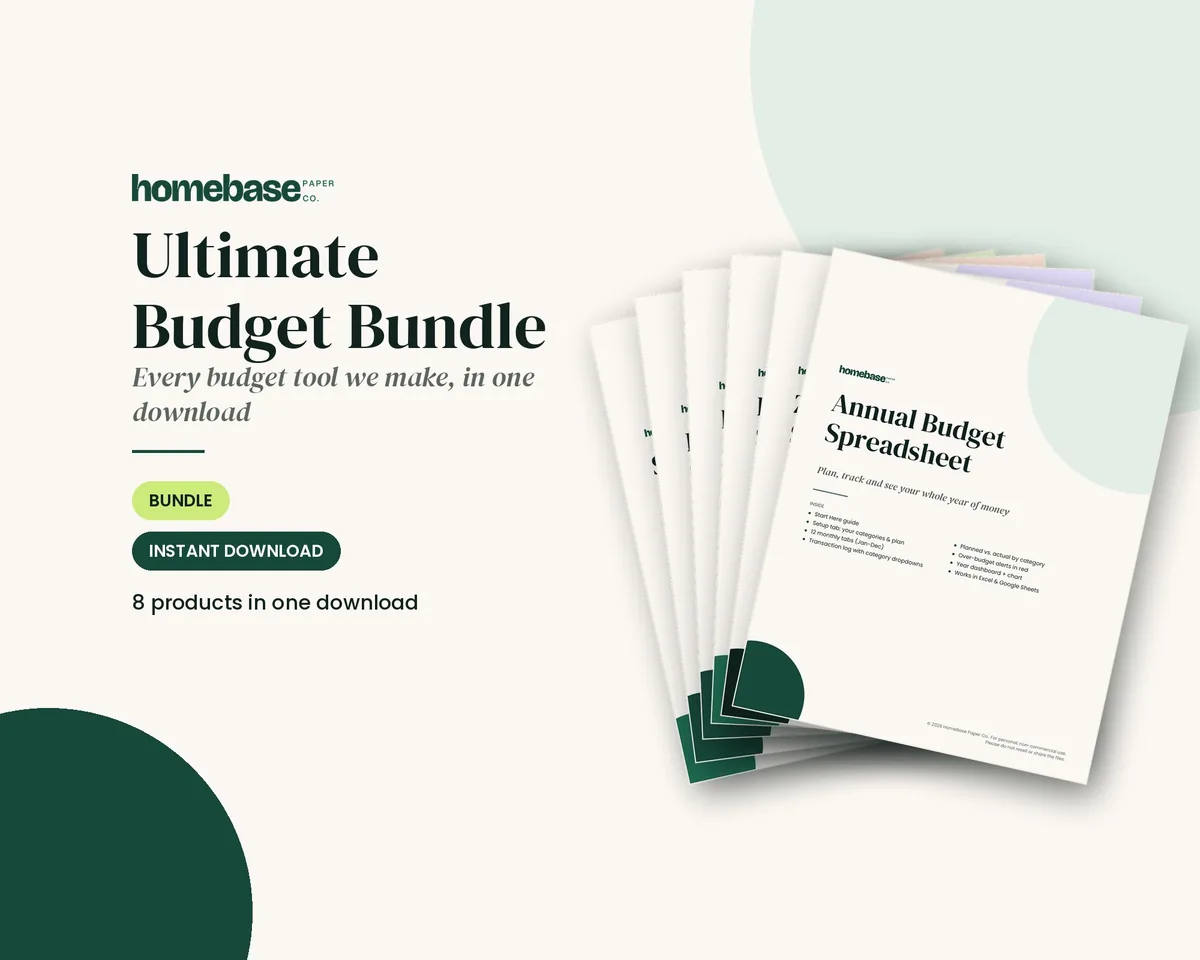
A trip budget is easier to keep when it's part of your regular money plan. The Ultimate Budget Bundle has savings and budget trackers, and the Budget Planner Printable works if you prefer paper.
Start with a trip budget
Before you look at flights, decide how much the whole trip can cost. Add transportation, lodging, food, activities, local transport and a buffer of about 10% for surprises. Then divide by the number of days to get a daily spending target. Our guide to planning a vacation budget walks through the categories in detail.
Saving ahead makes the biggest difference. Open a separate savings account for travel and set an automatic transfer each payday. The Investor.gov guide to figuring out your finances suggests listing your goals with costs and dates; a trip works the same way.
Sample daily travel budget
| Category | Budget traveler | Mid-range traveler |
|---|---|---|
| Lodging | $40 to $90 | $120 to $200 |
| Food | $30 to $50 | $60 to $100 |
| Local transport | $5 to $15 | $15 to $40 |
| Activities | $0 to $25 | $30 to $80 |
| Buffer | 10% of the total | 10% of the total |
These are rough examples for many U.S. and European cities. Costs vary widely by destination and season, so research your specific trip.
Save on flights and transportation
Flexibility is the most powerful budget travel tip. Flying midweek, choosing a nearby airport and traveling in shoulder season, the weeks just before or after peak season, can cut fares a lot. Set fare alerts and compare total prices including bag and seat fees, since a cheap base fare can end up costing more.
Once you arrive, public transit, walking and bike shares are usually cheaper than taxis and rental cars. If you do rent a car, compare the total with insurance, fuel and parking.
Pack smart and skip bag fees
Traveling with a carry-on only saves money and time. Check the TSA's "What Can I Bring?" list before you pack so you don't have to toss items at security. Liquids in carry-on bags must be 3.4 ounces or less and fit in one quart-size bag. Our packing list helps you bring only what you need.
Save on lodging
Lodging is often the biggest cost. Look for places with a kitchen or free breakfast, consider staying a little outside the center near public transit, and compare the total price after taxes and resort or cleaning fees. Longer stays sometimes come with weekly discounts. For group or family trips, a rental split several ways can be cheaper than multiple hotel rooms.
Save on food
Food costs add up fast. Eat your main meal at lunch, when many restaurants offer cheaper menus. Shop at local grocery stores and markets for breakfast and snacks, carry a refillable water bottle and pack food for travel days. Budget for one or two special meals so the trip still feels like a treat.
Free and cheap things to do
Most cities have free museums or free museum days, parks, walking tours that run on tips, festivals and beautiful neighborhoods to explore. Check the local tourism office website before you go. City passes can save money if you plan to visit several paid attractions, but do the math first.
Avoid hidden travel costs
Watch for foreign transaction fees on cards, ATM fees, roaming charges and currency exchange markups at airports. Use a card without foreign transaction fees, download maps offline and check your phone plan before you leave. For international trips, the USA.gov travel abroad page covers passports, entry requirements and travel advisories, which helps you avoid expensive last-minute surprises.
Track spending while you travel
Write down every purchase each night, or use a simple spreadsheet on your phone. Compare it with your daily target and adjust tomorrow if you overspent today. This habit keeps small costs like coffee, snacks and souvenirs from quietly blowing the budget. An itinerary template can hold both your plans and your daily spending.
Budget travel with family
Families can save by traveling outside school holidays when possible, booking rooms with kitchens and choosing destinations with lots of free outdoor activities. Our guide to a holiday travel budget for families has more ideas for bigger groups.
Use rewards and timing wisely
Credit card points and airline miles can cover flights or hotel nights, but only if you pay your balance in full every month; interest charges wipe out any reward. Sign up for free loyalty programs for the airlines and hotel chains you use most, since members sometimes get free Wi-Fi, better rates or free checked bags. Book domestic flights a few weeks to a few months ahead and international trips earlier, and check prices again after booking if the fare is refundable or offers a credit for drops. For more on this topic, see our trip planning hub.
Plan your days around free time
A packed schedule of paid tours gets expensive. Mix one paid activity with free ones each day, like a hike, a beach, a market or a self-guided walking route. Slower travel, staying longer in fewer places, also saves on transport costs and gives you time to find cheaper local spots that tourists miss.
The bottom line
The best budget travel tips come down to planning: set a total, save ahead, stay flexible and track as you go. With a little effort, you can take more trips each year and come home with memories instead of credit card debt.
If you fly often, compare TSA PreCheck vs. Global Entry, since a five-year membership can save time on every trip and some credit cards reimburse the fee.
Packing light saves on checked bags; our guide to sudoku packing shows a starter grid for a three-column carry-on.
Planning from scratch? Our guide on how to plan a trip walks through 12 steps, from budget to final check.
Make it easier
Tools for this
 Save 57%
Bundles
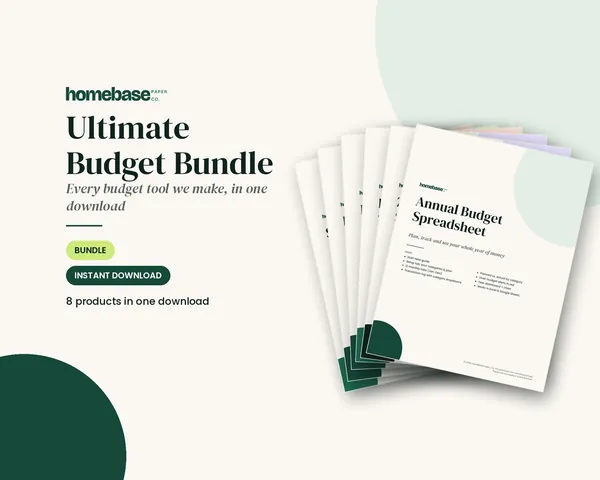
Ultimate Budget Bundle
All 6 spreadsheets + both printable planners - for less than half the price of buying them separately.
Printables
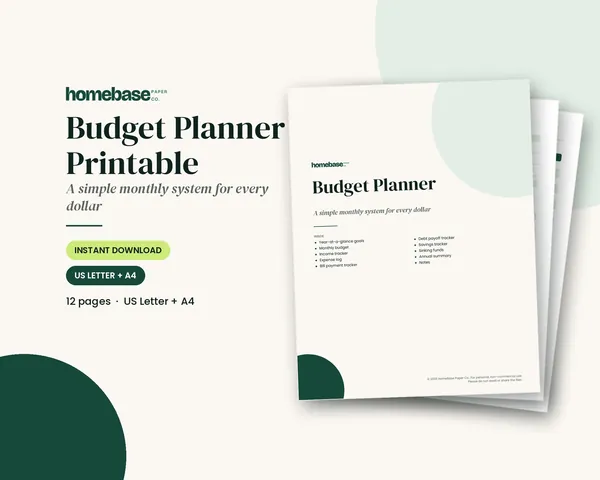
Budget Planner Printable
Twelve undated pages you can print every month: budget, bills, spending, savings and debt.
Frequently asked questions
What are the best budget travel tips? The best budget travel tips are to set a total trip budget first, travel in shoulder season, be flexible with dates and airports, pack carry-on only, stay in places with a kitchen, and plan free activities such as parks, walking tours and museums with free days. Tracking every expense during the trip keeps small costs from adding up.
How do I set a travel budget? Set a travel budget by adding up transportation, lodging, food, activities, local transport and a buffer of about 10% for surprises. Divide the total by the number of days to get a daily spending target, then save toward the trip each month so you can pay in cash instead of carrying debt home.
When is the cheapest time to travel? The cheapest time to travel is usually the shoulder season, the weeks just before or after a destination's peak. Flights and hotels are often cheaper midweek, and avoiding school holidays and major events can cut costs a lot. Flexible dates and setting fare alerts are two of the easiest budget travel tips to follow.
How can I save money on food while traveling? Eat your main meal at lunch when many restaurants offer cheaper menus, choose lodging with a kitchen or free breakfast, shop at local grocery stores and markets, carry a refillable water bottle and pack snacks for travel days. Allow one or two special meals in the budget so the trip still feels like a treat.
More from HomeBase
You may also like
Spreadsheets
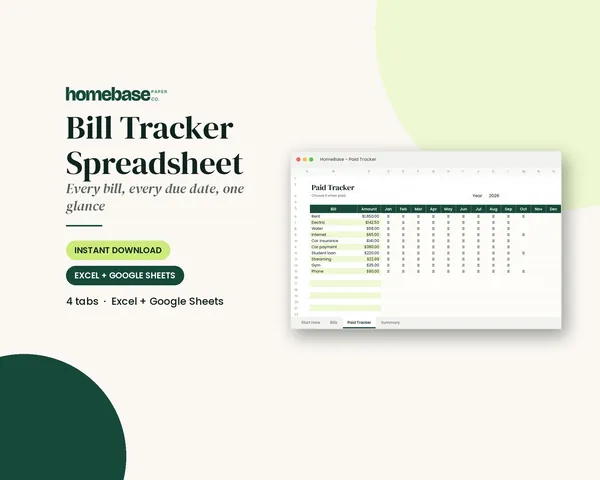
Bill Tracker Spreadsheet
Bills due in 3 days or less light up red, so nothing slips through.
Spreadsheets
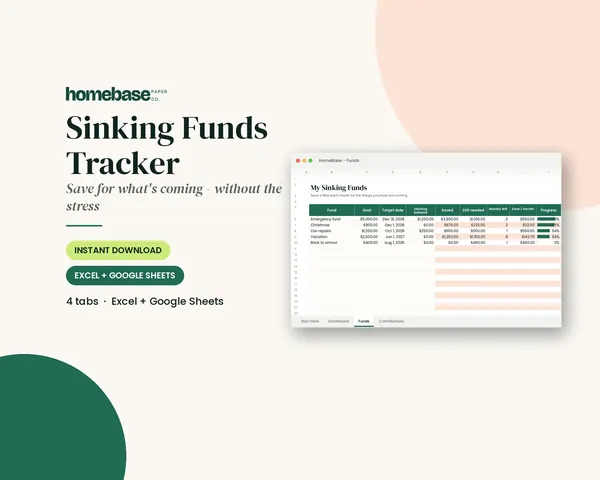
Sinking Funds Tracker
It does the math: how much to set aside each month to hit every goal on time.
Spreadsheets
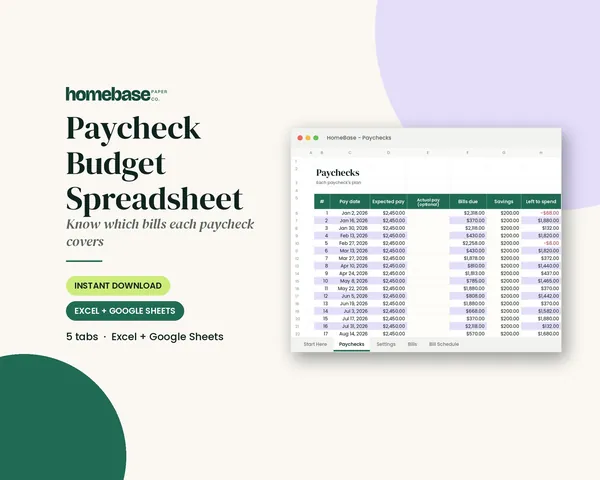
Paycheck Budget Spreadsheet
Enter your bills once. The sheet tells you which paycheck pays each one, all year.
Spreadsheets
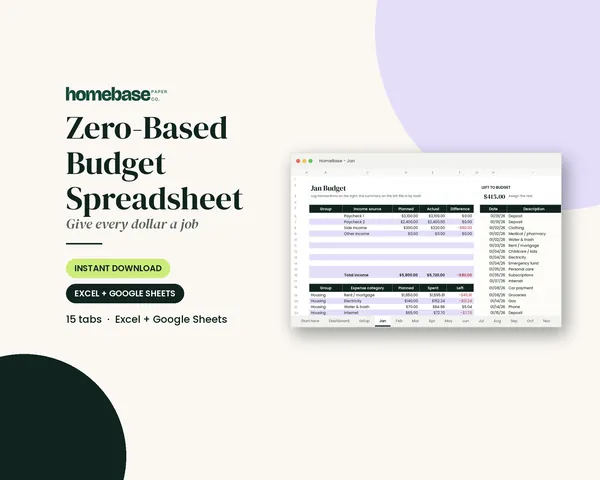
Zero-Based Budget Spreadsheet
The 'Left to budget' counter turns green when every dollar has a job.
 Club
Monthly club
Money Club
Anyone who wants a clear plan for the month's bills, holiday spending and savings.
Free printable
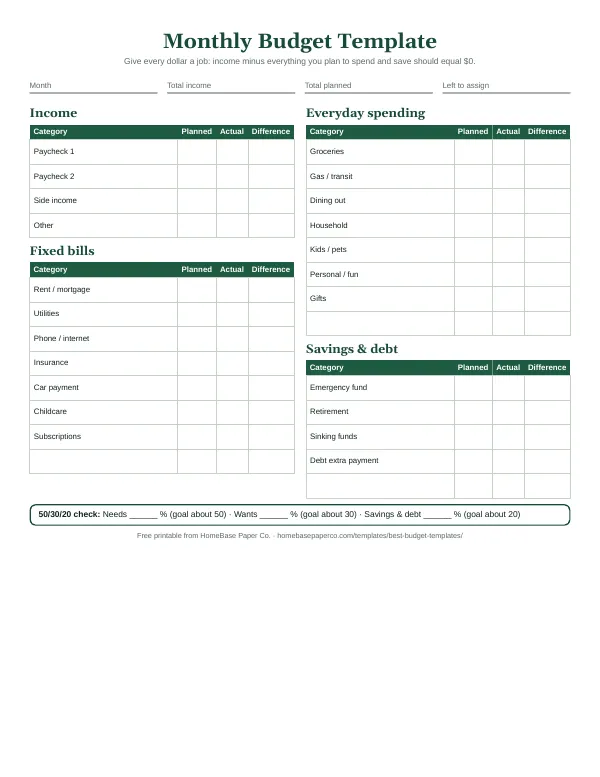
Give every dollar a job: get the free monthly budget template
A printable zero-based monthly budget: income, bills, everyday spending and savings on one page, with a planned vs. actual column. You'll also get our weekly HomeBase email with simple budgeting and bill-paying tips.
Sources
- TSA: What can I bring? tsa.gov
- USA.gov: Travel abroad usa.gov
- Investor.gov: Figure out your finances investor.gov