

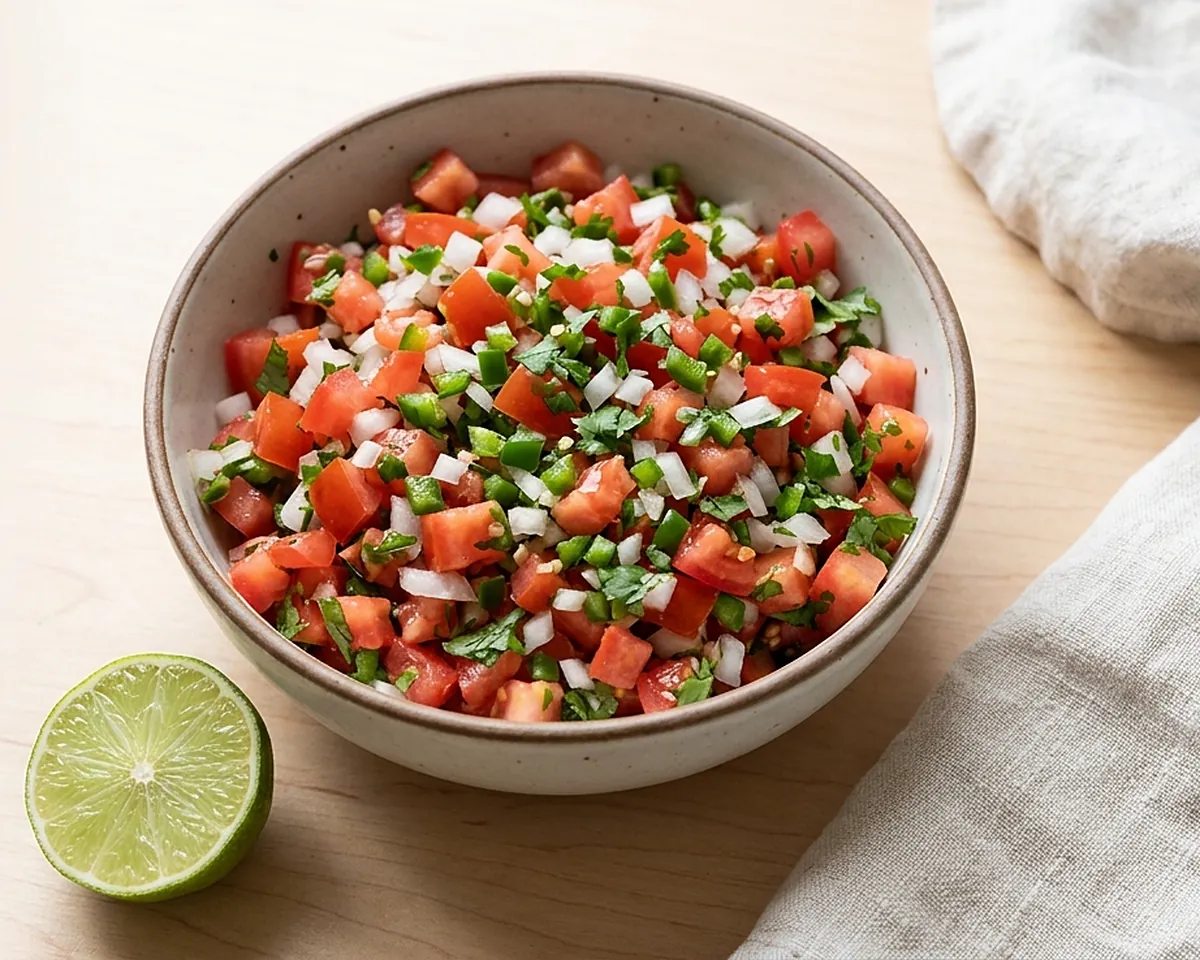
The short answer: how to make pico de gallo: dice 6 Roma tomatoes (about 1 1/2 pounds), drain them in a strainer, then toss with 1/2 cup finely diced white onion, 1 to 2 minced jalapeños, 1/2 cup chopped cilantro, 2 tablespoons lime juice and 1/2 teaspoon salt. Let it stand 15 minutes and serve. It makes about 3 cups and takes 30 minutes total, with no cooking.
- Key numbers: 6 Roma tomatoes · 1/2 cup onion · 1 to 2 jalapeños · 1/2 cup cilantro · 2 tbsp lime juice · 1/2 tsp salt
- Not watery: seed the tomatoes and drain them in a strainer while you chop the rest
Prep time: 15 minCook time: 0 minTotal time: 30 minServings: 6 servingsTotal includes 15 min of resting so the flavors blend.
Food safety guidance was checked November 14, 2026, against FDA produce safety guidance and FoodSafety.gov. Below: the recipe, the cut that makes it pico, fixes for watery pico, quantities, variations, uses and storage. Making guacamole too? See how to make guacamole.
Pico de gallo ingredients
| Ingredient | Amount | Notes |
|---|---|---|
| Roma (plum) tomatoes | 6 medium, about 1 1/2 pounds | Firm and ripe; they hold less juice than slicing tomatoes |
| White onion | 1/2 cup, finely diced | About 1/2 small onion |
| Jalapeño | 1 to 2, seeds and ribs removed, minced | Keep some seeds for more heat |
| Fresh cilantro | 1/2 cup, chopped | Leaves and tender stems |
| Lime juice | 2 tablespoons (about 1 lime) | Add more to taste |
| Kosher salt | 1/2 teaspoon, divided | 1/4 teaspoon for draining, 1/4 teaspoon to finish |
| Garlic | 1 small clove, minced | Optional |
Six tomatoes with the other ingredients make about 3 cups, or six servings of 1/2 cup.
Pico de gallo recipe directions
- Wash the produce (2 minutes). Rinse the tomatoes, jalapeños, lime and cilantro under running water and dry them. FDA recommends washing produce even when you'll peel or trim it. It says not to use soap or produce wash.
- Dice the tomatoes (6 minutes). Core the tomatoes, halve them, scoop out the seeds and jelly with a spoon, and cut the flesh into 1/4-inch dice.
- Drain. Put the tomatoes in a fine strainer set over a bowl, sprinkle with 1/4 teaspoon salt. Let them drain while you do the next step.
- Chop the rest (7 minutes). Finely dice the onion, mince the jalapeños and garlic, and chop the cilantro. Keep the pieces about the same size as the tomato.
- Combine and rest (15 minutes). Tip the drained tomatoes into a bowl and add the onion, jalapeño, cilantro, garlic, lime juice and the remaining 1/4 teaspoon salt. Stir. Let it stand 15 minutes at room temperature so the flavors blend. Then taste and adjust the salt, lime and heat.
Nutrition (per serving, estimated)
Serving size: 1 serving.
| Calories | 30 |
|---|---|
| Total fat | 0 g |
| Saturated fat | 0 g |
| Cholesterol | 0 mg |
| Sodium | 200 mg |
| Total carbohydrate | 6 g |
| Dietary fiber | 2 g |
| Total sugars | 4 g |
| Protein | 1 g |
Excludes optional ingredients and garnishes.
This is an estimate calculated from USDA FoodData Central data for the listed ingredients and amounts. Actual values vary with brands, portions and substitutions.
Rate this recipe
What makes pico de gallo different
| Pico de gallo | Salsa | Guacamole | |
|---|---|---|---|
| Texture | Chunky, hand-chopped | Saucy, spoonable | Mashed, creamy |
| Main ingredient | Fresh tomato | Tomato, often cooked or blended | Avocado |
| Liquid | Very little | A lot | Little |
| Best served | Within a day | Chilled, keeps longer | Right away |
| Recipe | This page | Salsa recipe | How to make guacamole |
Pico de gallo is a fresh, chopped salsa, so the cut and the lack of liquid are what set it apart. For a blended, saucy version, use our salsa recipe.
Pico de gallo ratios for a crowd
Each batch scales on the tomato count.
| Roma tomatoes | Servings | Onion | Jalapeños | Cilantro | Lime juice | Salt |
|---|---|---|---|---|---|---|
| 3 | 3 | 1/4 cup | 1 | 1/4 cup | 1 tbsp | 1/4 tsp |
| 6 | 6 | 1/2 cup | 1 to 2 | 1/2 cup | 2 tbsp | 1/2 tsp |
| 12 | 12 | 1 cup | 2 to 3 | 1 cup | 4 tbsp | 1 tsp |
| 18 | 18 | 1 1/2 cups | 3 to 4 | 1 1/2 cups | 6 tbsp | 1 1/2 tsp |
How to fix watery pico de gallo
| Problem | Likely cause | Fix |
|---|---|---|
| Watery | Juicy tomatoes or seeds left in | Use Romas, scoop the seeds and drain in a strainer |
| Bland | Too little salt or lime | Add salt and lime a pinch at a time |
| Too hot | Seeds and ribs left in the jalapeño | Remove them, or stir in more diced tomato |
| Too sharp | Raw onion is strong | Rinse the diced onion under cold water first |
| Dull color | Made too far ahead | Mix the cilantro and lime in shortly before serving |
| Mushy | Tomatoes cut too small or overripe | Cut to 1/4-inch dice from firm tomatoes |
Pico de gallo variations
- Mild pico: use half a jalapeño with the seeds out.
- Extra hot pico: swap in a serrano or keep the jalapeño seeds.
- Red onion pico: use red onion for color; rinse it to mellow it.
- Garlic and cumin pico: add the minced garlic and a pinch of ground cumin.
- Mango pico: replace one tomato with 1 cup diced mango.
- Corn pico: stir in 1/2 cup cooked corn kernels; it's good with Mexican street corn.
- Avocado pico: fold in 1 diced avocado just before serving.
- Grilled pico: char the tomatoes and jalapeños first, then dice.
- Pineapple pico: swap one tomato for 1 cup diced pineapple.
- Lemon pico: use lemon juice if you're out of limes.
What to serve with pico de gallo
| Serve it with | Ideas |
|---|---|
| Chips | The classic dip, alongside guacamole |
| Tacos | Spoon over fish tacos or birria tacos |
| Bowls and salads | Top a taco salad or burrito bowl |
| Fajitas | Serve beside chicken fajitas |
| Casseroles | Add on top of taco casserole |
| Soup | Garnish taco soup |
| Quesadillas | Dip air fryer quesadillas in it |
| Eggs | Spoon onto scrambled or fried eggs |
| Grilled meat | Use as a fresh topping for chicken, steak or fish |
Season the meat with homemade taco seasoning, and pick snacks for a crowd from easy appetizers.
How to store pico de gallo safely
| Situation | Guidance |
|---|---|
| Refrigerator | Airtight container at 40°F or below; best the day it's made, up to 2 days |
| Party table | No more than 2 hours out, or 1 hour above 90°F, per FoodSafety.gov |
| Draining liquid | Pour off the liquid that collects before serving |
| Freezer | Not ideal; thawed tomatoes turn watery and soft |
Refrigerate store-bought and fresh-cut produce promptly. Wash your hands, boards and knives before you start, as the FDA recommends. Keep raw meat and its utensils away from the pico.
Pico de gallo on a budget
Pico de gallo is mostly tomatoes, onion and herbs, so it stretches a taco night or a snack spread without much cost. Plan the rest of the table with meal planning on a budget. Then read how to grocery shop on a budget before you shop. For a larger crowd, see easy party food ideas and potluck ideas.
More dips you'll love
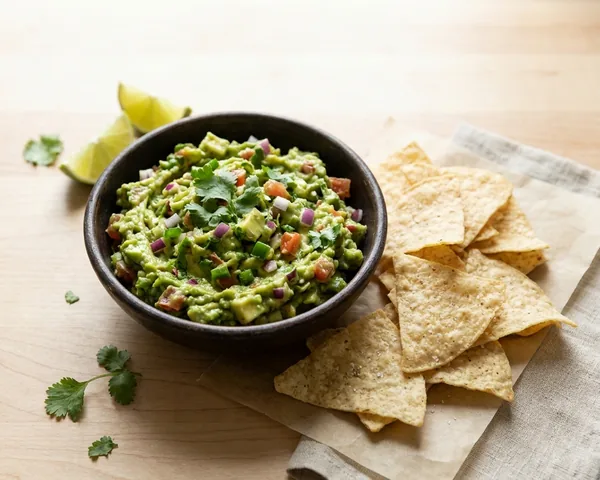
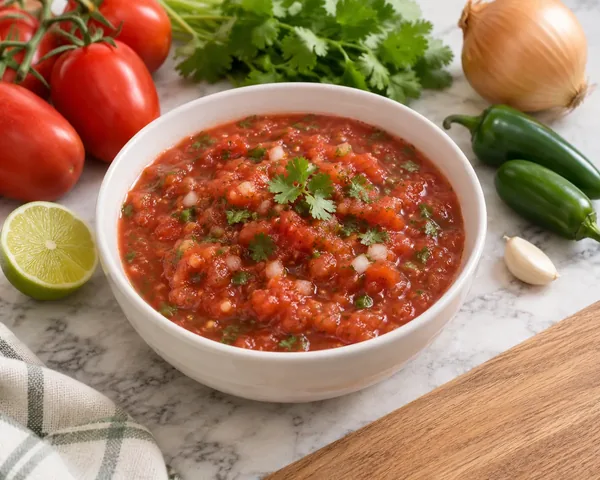
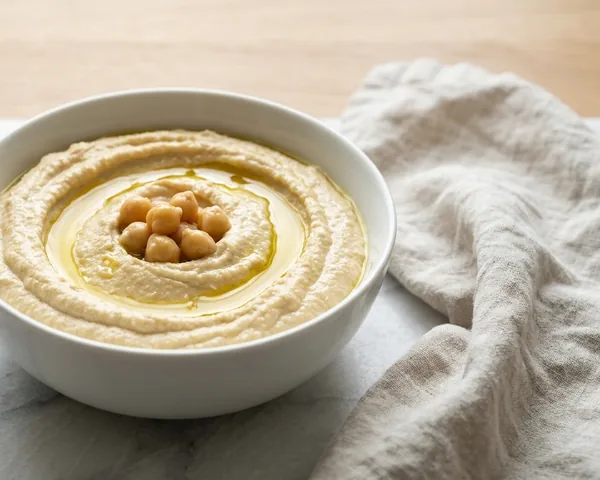
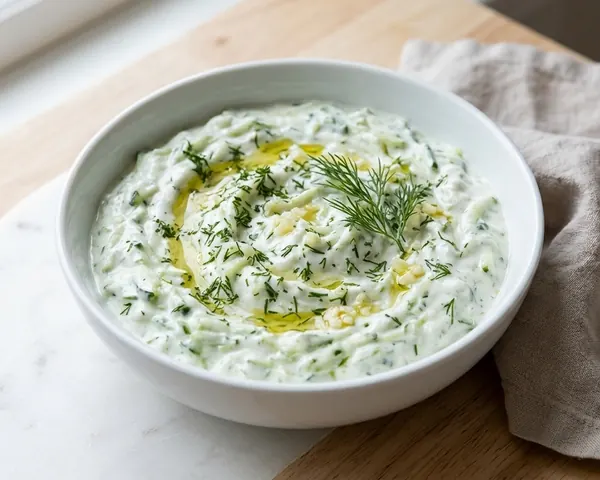
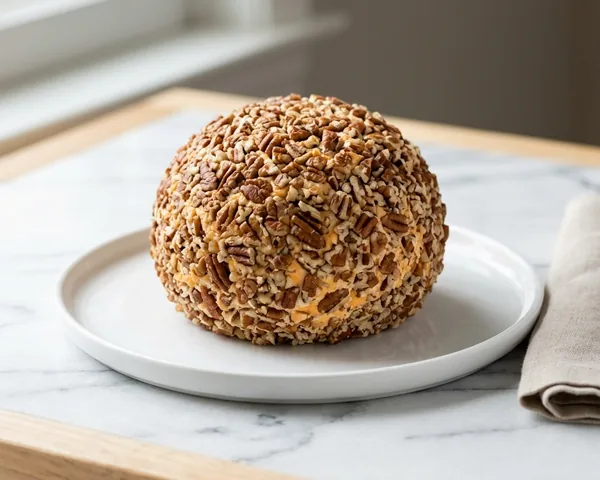
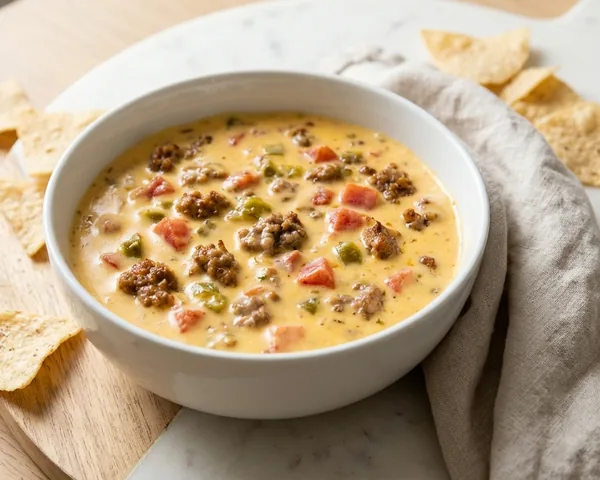
Frequently asked questions
How do you make pico de gallo? To make pico de gallo, dice 6 Roma tomatoes and drain them in a strainer, then toss with 1/2 cup diced white onion, 1 to 2 minced jalapeños, 1/2 cup chopped cilantro, 2 tablespoons lime juice and 1/2 teaspoon salt. Let it stand 15 minutes. It makes about 3 cups and needs no cooking.
What is pico de gallo made of? Pico de gallo is made of fresh chopped tomatoes, onion, jalapeño or other chile, cilantro, lime juice and salt. Our recipe uses 6 Roma tomatoes, 1/2 cup onion, 1 to 2 jalapeños, 1/2 cup cilantro, 2 tablespoons lime juice and 1/2 teaspoon salt, with optional garlic.
How do you make pico de gallo not watery? Use Roma tomatoes, scoop out the seeds and jelly, and drain the diced tomatoes in a fine strainer with a little salt while you chop the other ingredients. Pour off any liquid that collects before serving. Dicing too small or using very juicy tomatoes makes pico watery.
What is the difference between pico de gallo and salsa? Pico de gallo is chopped by hand into chunky pieces of fresh tomato, onion, chile and cilantro with very little liquid. Salsa is usually saucier, often blended or cooked. Our salsa recipe is a blender salsa, and this page is the fresh, chunky version.
Which tomatoes are best for pico de gallo? Roma (plum) tomatoes are best for pico de gallo because they are firm and hold less juice than slicing tomatoes. Pick ripe, deeply red tomatoes that give slightly when pressed, and seed them so the pico stays chunky instead of watery.
How long does pico de gallo last in the refrigerator? Pico de gallo is best the day it is made and keeps up to 2 days in an airtight container in the refrigerator at 40°F or below. The tomatoes soften and release liquid over time, so pour off the liquid and stir before serving.
How long can pico de gallo sit out? Pico de gallo should not sit out more than 2 hours, or 1 hour if it is above 90°F, according to FoodSafety.gov's guidance for perishable foods. For a party, serve a small bowl and refill it from a larger bowl kept in the refrigerator.
Do you have to let pico de gallo sit before serving? No, but 15 minutes helps. Resting lets the salt, lime and onion blend into the tomatoes so the flavors come together. It is also fine to serve right away if you are in a hurry, and you can taste and adjust the salt and lime after it stands.
How do I make pico de gallo less spicy or hotter? For milder pico, remove the jalapeño seeds and white ribs or use half a pepper. For hotter pico, keep the seeds, add a second jalapeño or swap in a serrano. Wear gloves when cutting hot peppers and wash your hands afterward.
Can you freeze pico de gallo? Freezing is not ideal. Thawed tomatoes turn watery and soft, so pico loses its chunky texture. If you have extra, use it within 2 days, cook it into eggs, rice or soup, or make a new batch.
Do I need to wash the tomatoes and peppers first? Yes. The FDA says to wash fresh produce under running water before preparing it, even if you will peel or trim it, and not to use soap or commercial produce wash. Dry the produce with a clean towel before cutting.
Newsletter
Get the HomeBase email
Fresh tips three times a week, Mon/Wed/Fri, with our deals and new products, from printables, spreadsheets and bundles to paperback planners and apparel, plus simple home, money and planning tips.

Sources
- FDA: Selecting and Serving Produce Safely fda.gov
- FoodSafety.gov: Game Day Food Safety Tips foodsafety.gov
Made this? Tell us how it went
Your notes help the next cook: what you changed, how long it took, how it turned out.